Every time you step onto a well-made ladder, you’re experiencing centuries of craftsmanship. These aren’t just functional tools – they’re heirlooms that tell stories of generations past. What makes a farmhouse ladder truly special isn’t just its purpose, but how it was built with care, attention, and an understanding of both form and function.
When we think about ladders, we often picture the basic metal rungs or simple wooden designs that dominate our modern homes. But there’s something magical about traditional farmhouse ladders – those beautiful, sturdy pieces that have graced barns, kitchens, and workshops for decades. These aren’t mass-produced items, but rather handcrafted marvels that blend practicality with artistry. They represent a time when every piece was made with intention, using time-honored techniques passed down through generations. Whether you’re considering adding one to your home or simply curious about their enduring appeal, there’s much more to these ladders than meets the eye.
The Foundation of Timeless Design
Traditional farmhouse ladders start with a solid understanding of balance and structure. The key lies in how the rungs are positioned and secured to the side rails. Unlike modern ladders that might rely on quick assembly methods, these designs depend on careful planning. The spacing between rungs matters enormously – too close together and it becomes awkward to climb, too far apart and it loses stability. Craftsmen have learned over centuries that the sweet spot typically falls around 12 inches apart for maximum comfort and safety. This isn’t just guesswork either; it’s based on human anatomy and the way people naturally move. You’ll notice that even the most basic farmhouse ladders follow this principle. It’s remarkable how such a simple measurement can make all the difference in how a ladder performs.
Wood Selection and Preparation
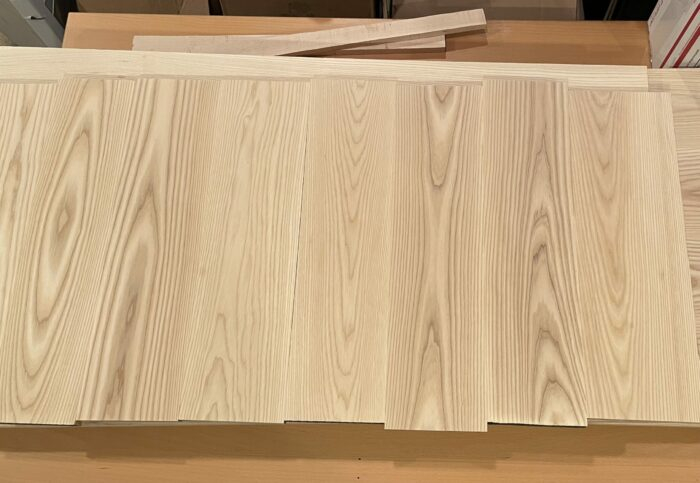
What wood you choose makes a world of difference in the final product. Traditional builders favor hardwoods like oak, maple, or ash because they’re strong and durable. These aren’t just random choices – they’re based on properties that make them ideal for heavy use. Oak, for instance, is naturally resistant to warping and can handle significant weight without splintering. Maple offers excellent shock absorption, while ash provides flexibility that helps prevent cracking under stress. The wood must be properly seasoned – dried for months or even years to remove excess moisture. A wet piece of lumber will shrink and expand with humidity changes, potentially causing dangerous gaps or loose joints. Experienced craftsmen know that the right wood, properly prepared, can last for generations. The grain pattern also matters, as straight grain tends to be stronger than figured or curly patterns. Sometimes, artisans will even select specific pieces of wood based on their natural characteristics, matching the grain direction to enhance structural integrity.
Joinery Techniques That Last
The secret to a lasting ladder lies in how the pieces connect. Traditional methods rely heavily on joinery rather than nails or screws alone. These connections are often called mortise and tenon joints, where one piece fits snugly into another like a puzzle. Another common technique is the dovetail joint, which interlocks pieces in a way that resists pulling apart. These aren’t fancy tricks – they’re tried-and-true methods that have been refined over hundreds of years. When you examine a quality farmhouse ladder, you’ll see these joints aren’t hidden away, but rather proudly displayed. The craftsmanship shows itself in how the pieces fit together perfectly, creating strength that surpasses what adhesive alone could provide. Some ladders even feature decorative elements in their joinery, showing off the builder’s skill while maintaining structural integrity. This attention to detail means that a well-built ladder can be disassembled and reassembled multiple times without losing its strength.
Safety Features Built In
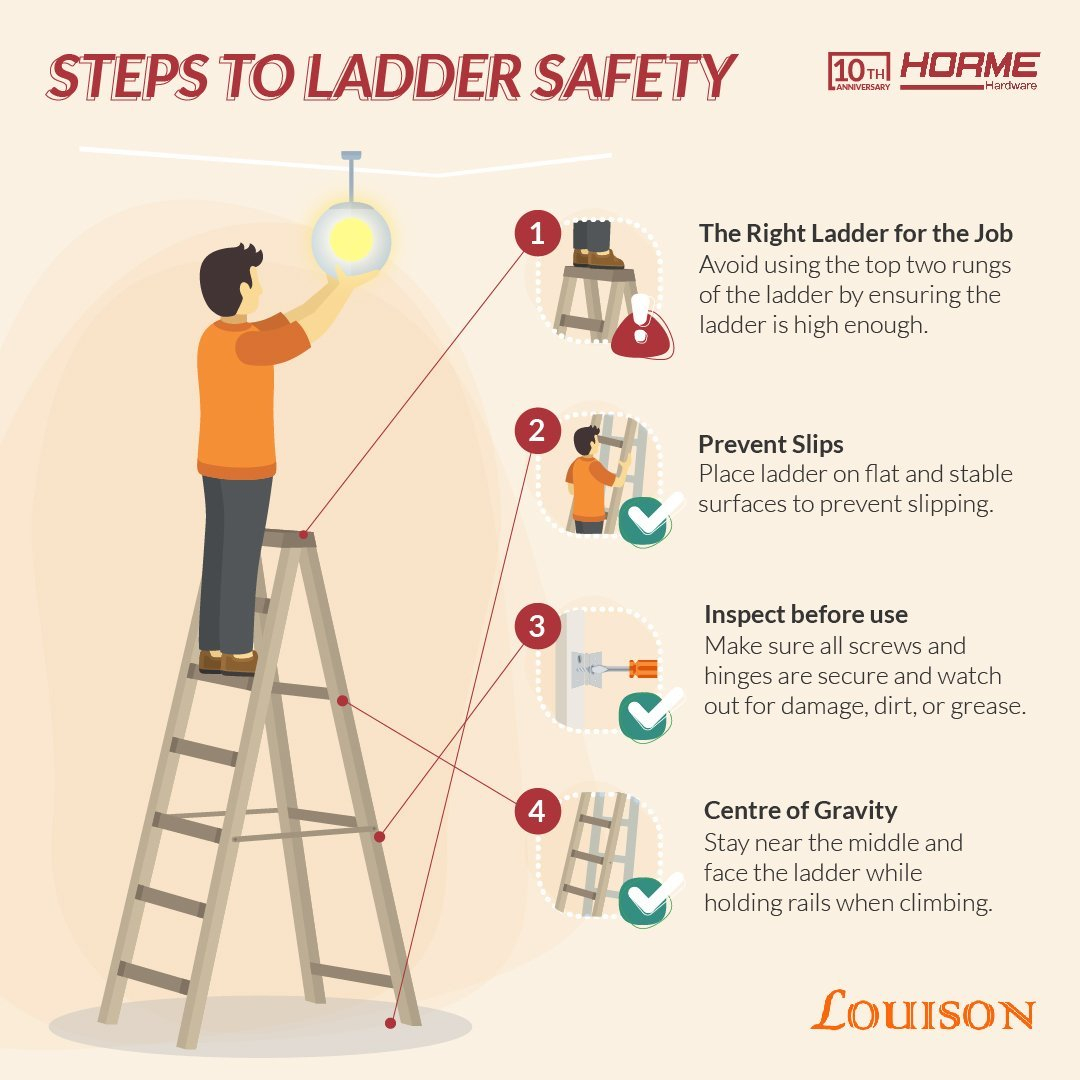
Farmhouse ladders weren’t designed just to be functional – they were built with safety as a top priority. The width of the ladder is crucial, typically ranging from 16 to 20 inches wide, allowing for comfortable foot placement. This may seem small compared to modern standards, but it’s actually quite generous when you consider the types of tasks these ladders were meant to handle. The rungs themselves are carefully shaped to provide grip and prevent slipping. Many feature a slight curve or rounded edge that matches the natural shape of your feet. Some even include small notches or ridges that help keep your feet centered. The height-to-width ratio also plays a role – a ladder that’s too tall and narrow becomes unstable, while one that’s too short and wide feels awkward to use. Experienced builders understand that a safe ladder is one that feels right when you’re using it, not just one that passes inspection. The design philosophy emphasizes comfort and control over mere functionality.
Aesthetic Considerations
There’s something deeply satisfying about the visual appeal of traditional farmhouse ladders. They’re not just tools, but works of art that complement their surroundings. The simplicity of lines, the natural beauty of wood grain, and the balanced proportions all contribute to their timeless appeal. Many ladders feature distinctive elements like carved notches, decorative brackets, or even painted accents that add character without compromising function. The finish matters too – some prefer a natural oil finish that lets the wood breathe, while others enjoy the protection that paint provides. The choice of finish affects not just appearance but also durability. A well-finished ladder can resist weather damage and wear better over time. Even the way the ladder sits against a wall or in a corner shows thoughtful consideration. These aren’t random arrangements – they’re part of a larger design philosophy that values harmony between object and environment. The ladder becomes a conversation piece that reflects the owner’s taste and values.
Modern Applications and Preservation
Today, traditional farmhouse ladders are experiencing a renaissance. Homeowners appreciate their durability and aesthetic value, while designers value their timeless look. Many modern builders incorporate traditional principles into contemporary designs, creating ladders that work well in both rustic and updated spaces. The techniques used in traditional ladder building are still relevant today, though they’ve been adapted for different materials and purposes. Some craftspeople even offer restoration services for vintage ladders, bringing them back to life rather than replacing them. The skills involved in traditional ladder making are being taught to new generations, ensuring these methods survive beyond the current era. These ladders represent more than just a practical solution – they’re symbols of craftsmanship and attention to detail that many find lacking in mass-produced alternatives. Whether used for actual climbing or as decorative elements, they continue to capture imaginations and prove their worth in modern settings.
Traditional farmhouse ladder design represents so much more than simple engineering – it embodies a philosophy of craftsmanship that values quality, durability, and beauty. Every element, from the careful selection of wood to the precise execution of joinery, tells a story of dedication and skill. These ladders remind us that good design isn’t just about what works, but about how it feels and looks when you use it. They’re a bridge between past and present, offering practical solutions that also serve as lasting art. Whether you’re building one yourself or simply appreciating the craftsmanship, there’s something deeply satisfying about working with materials and methods that have stood the test of time. These ladders don’t just give you access to high places – they connect you to a tradition of excellence that continues to inspire.
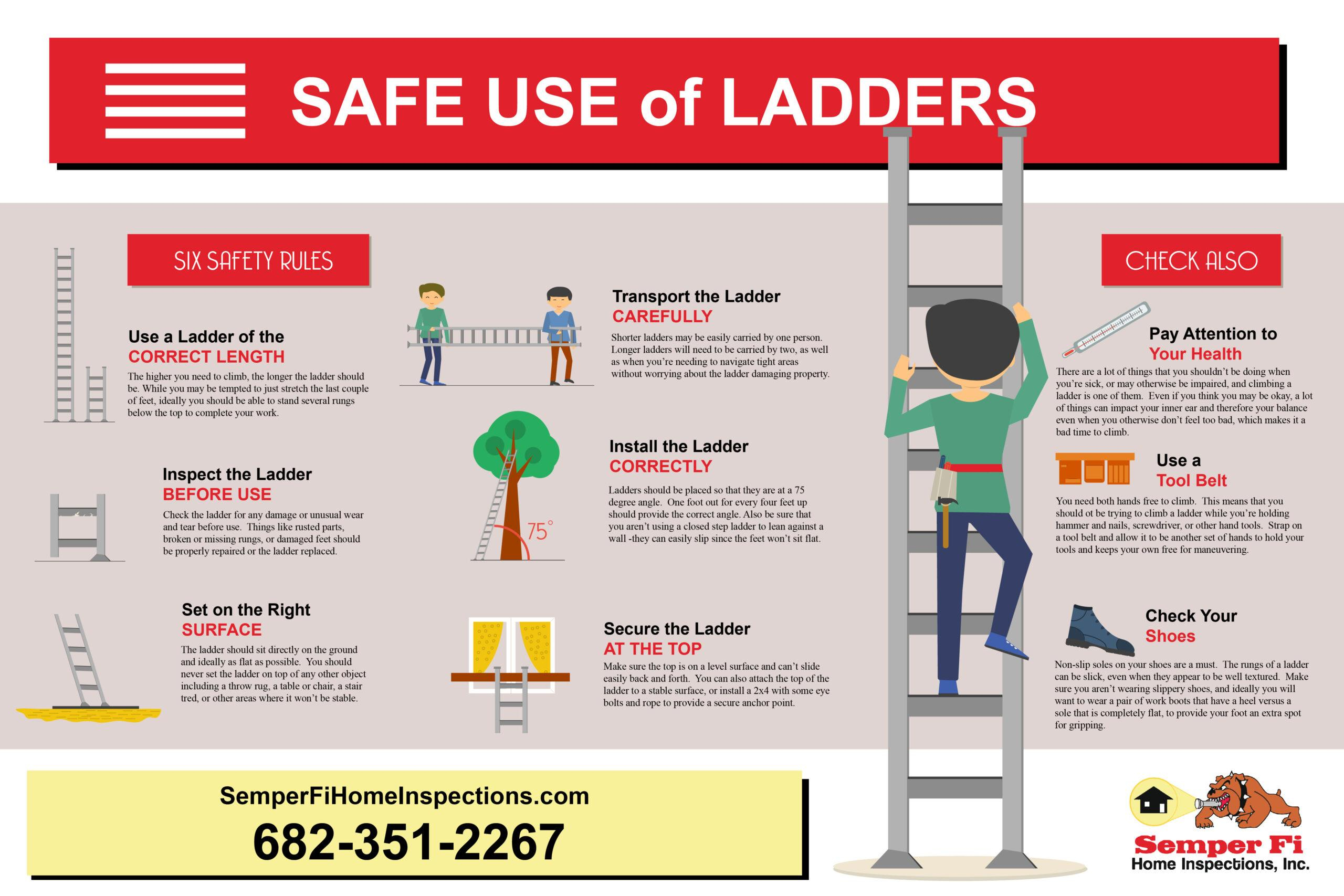
[sps_html tag=”img” src=”https://cdn.theartssection.com/wp-content/uploads/2025/11/our-vintage-home-love-build-a-vintage-ladder-vintage-ladder-diy-with-how-to-properly-maintain-and-care-for-your-19w-x-72h-vintage-ladder.jpg” alt=”Our Vintage Home Love: Build A "Vintage" Ladder | Vintage Ladder, Diy … with How to Properly Maintain and Care for Your 19"W x 72"H Vintage Ladder” style=”width: 100%; height: auto;”]
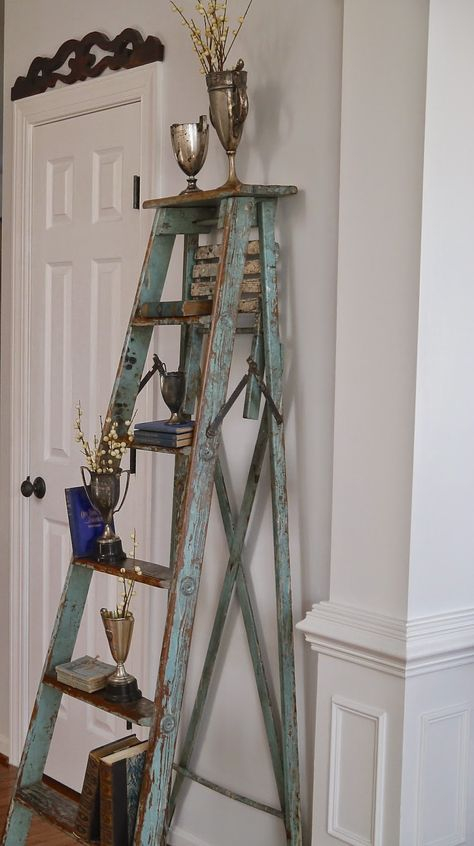
[sps_html tag=”img” src=”https://cdn.theartssection.com/wp-content/uploads/2025/11/150-wood-ladders-ideas-wood-ladder-old-ladder-vintage-ladder-intended-for-how-to-properly-maintain-and-care-for-your-19w-x-72h-vintage-ladder.jpg” alt=”150 Wood Ladders Ideas | Wood Ladder, Old Ladder, Vintage Ladder intended for How to Properly Maintain and Care for Your 19"W x 72"H Vintage Ladder” style=”width: 100%; height: auto;”]
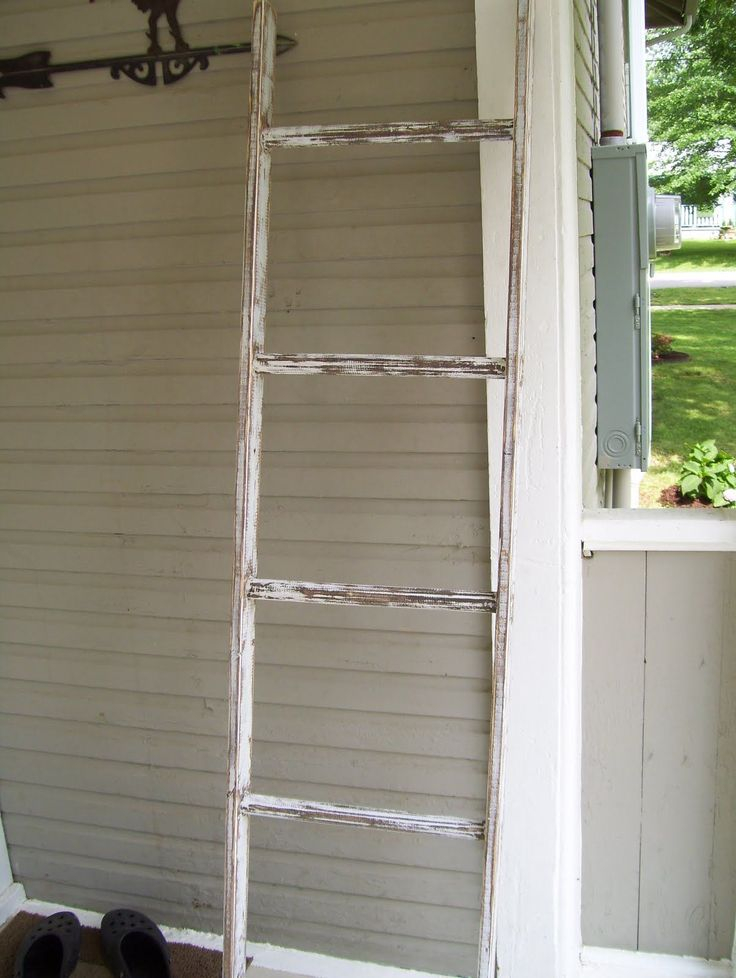
[sps_html tag=”img” src=”https://cdn.theartssection.com/wp-content/uploads/2025/11/how-to-make-a-ladder-work-on-stairs-at-donald-hammond-blog-throughout-how-to-properly-maintain-and-care-for-your-19w-x-72h-vintage-ladder.jpg” alt=”How To Make A Ladder Work On Stairs At Donald Hammond Blog throughout How to Properly Maintain and Care for Your 19"W x 72"H Vintage Ladder” style=”width: 100%; height: auto;”]
[sps_html tag=”img” src=”https://cdn.theartssection.com/wp-content/uploads/2025/11/step-ladder-safety-guidelines-at-may-myers-blog-inside-19wx72hx3-1-2d-vintage-farmhouse-5-rung-ladder.jpg” alt=”Step Ladder Safety Guidelines At May Myers Blog inside 19"Wx72"Hx3 1/2"D Vintage Farmhouse 5 Rung Ladder” style=”width: 100%; height: auto;”]
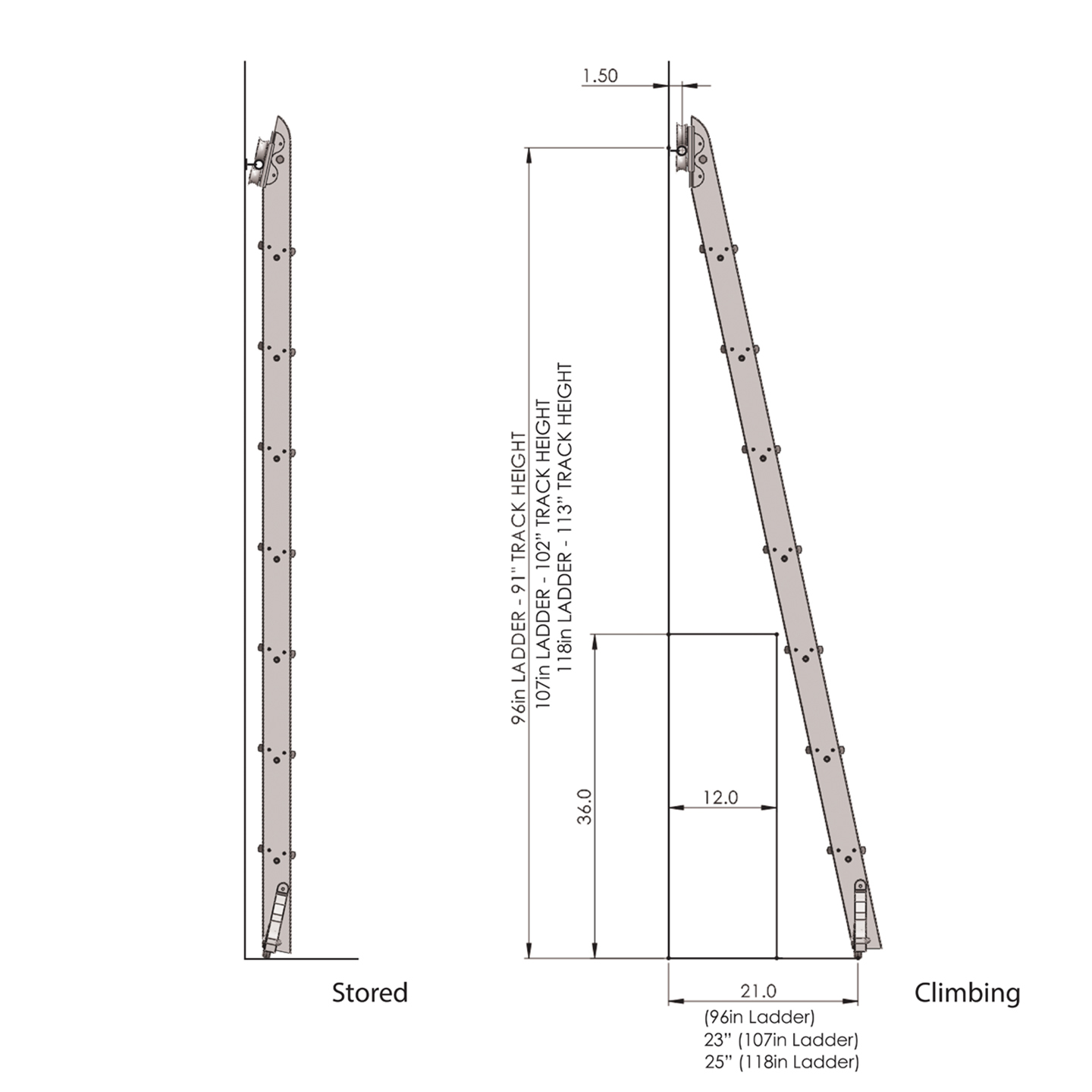
[sps_html tag=”img” src=”https://cdn.theartssection.com/wp-content/uploads/2025/11/space-requirements-for-a-rolling-library-ladder-putnam-rolling-ladder-for-19wx72hx3-1-2d-vintage-farmhouse-5-rung-ladder.jpg” alt=”Space Requirements For A Rolling Library Ladder - Putnam Rolling Ladder for 19"Wx72"Hx3 1/2"D Vintage Farmhouse 5 Rung Ladder” style=”width: 100%; height: auto;”]