Imagine standing atop a snow-capped peak in winter, then watching that same mountain transform into a lush green paradise come summer. That’s the mesmerizing dance of seasons across our planet’s diverse landscapes. What if I told you there’s an entire art form hidden in these natural cycles? The way light dances differently through each season, how colors shift like brushstrokes on a canvas, and how every landscape tells its own story through time.
Seasons don’t just change the weather—they completely rewrite the story of every landscape they touch. From the crisp air of alpine meadows to the gentle waves of ocean shores, nature’s canvas transforms with each passing month. These shifts aren’t random; they’re carefully orchestrated symphonies that have been playing since Earth first formed. Understanding these seasonal rhythms helps us appreciate not just what we see, but why we see it. Every leaf change, every flower bloom, every snowfall tells a tale of adaptation, survival, and beauty. When we learn to read these seasonal cues, we begin to understand the deeper connection between ourselves and the world around us. It’s like learning the secret language of nature itself.
Mountain Seasons: A Vertical Journey Through Time
Mountains offer one of the most dramatic seasonal transformations on Earth. In spring, snow melts and streams roar to life, bringing fresh water down from the peaks. The valleys below burst with wildflowers while the higher elevations still hold their icy grip. Summer brings the green rush of alpine meadows, where delicate blooms carpet the slopes like nature’s own tapestry. Fall arrives with a vengeance, painting the peaks in brilliant oranges and reds before winter returns with its white blanket. Winter transforms mountains into stark silhouettes against gray skies, where only the most resilient plants survive. Each season reveals different aspects of these towering giants. Spring shows their generosity with waterfalls and new growth. Summer displays their grandeur through endless vistas. Fall demonstrates their drama with fiery displays. Winter reveals their strength through stark beauty. These changes happen gradually but dramatically, creating a vertical timeline of seasons that few other landscapes can match.
Coastal Transitions: Where Land Meets Sea
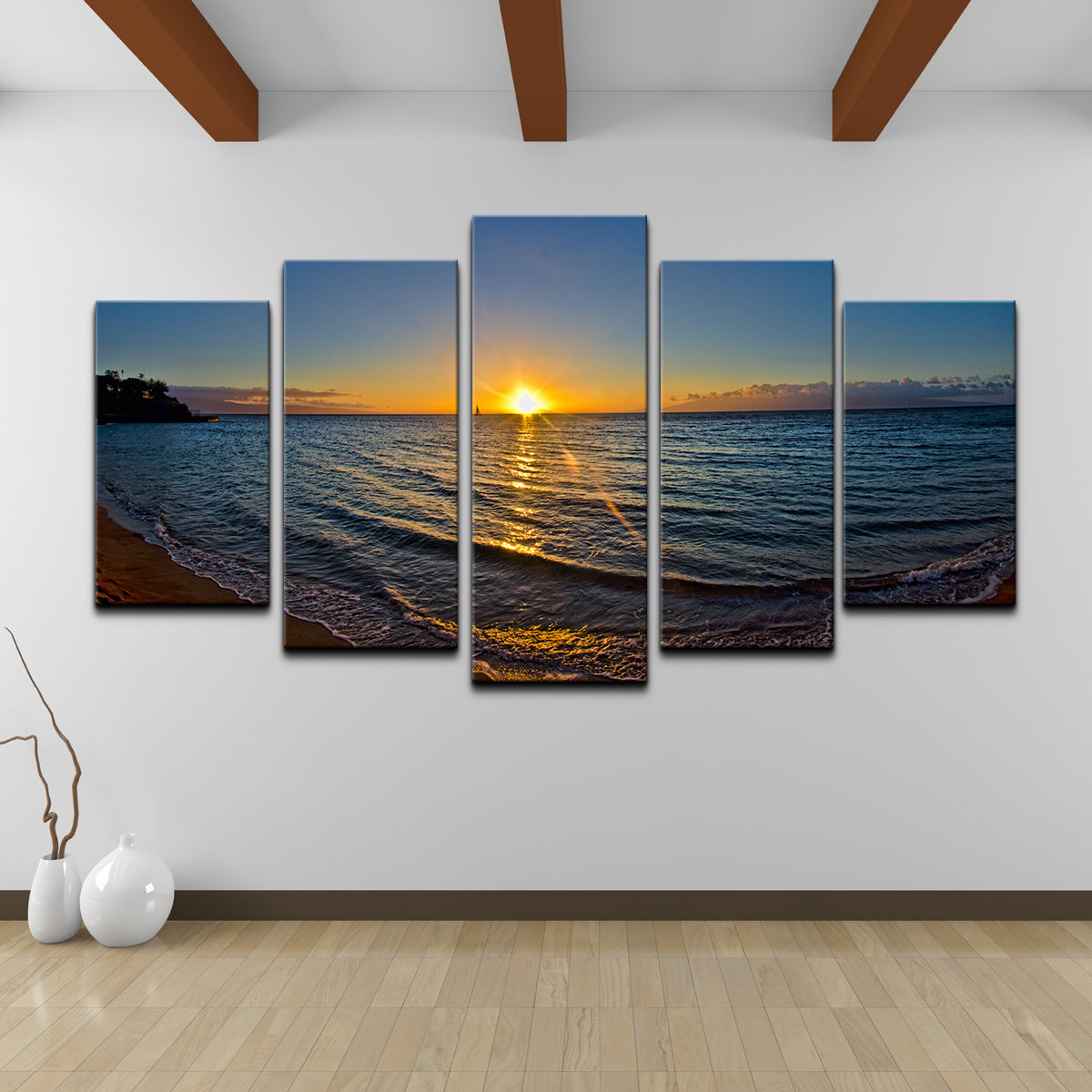
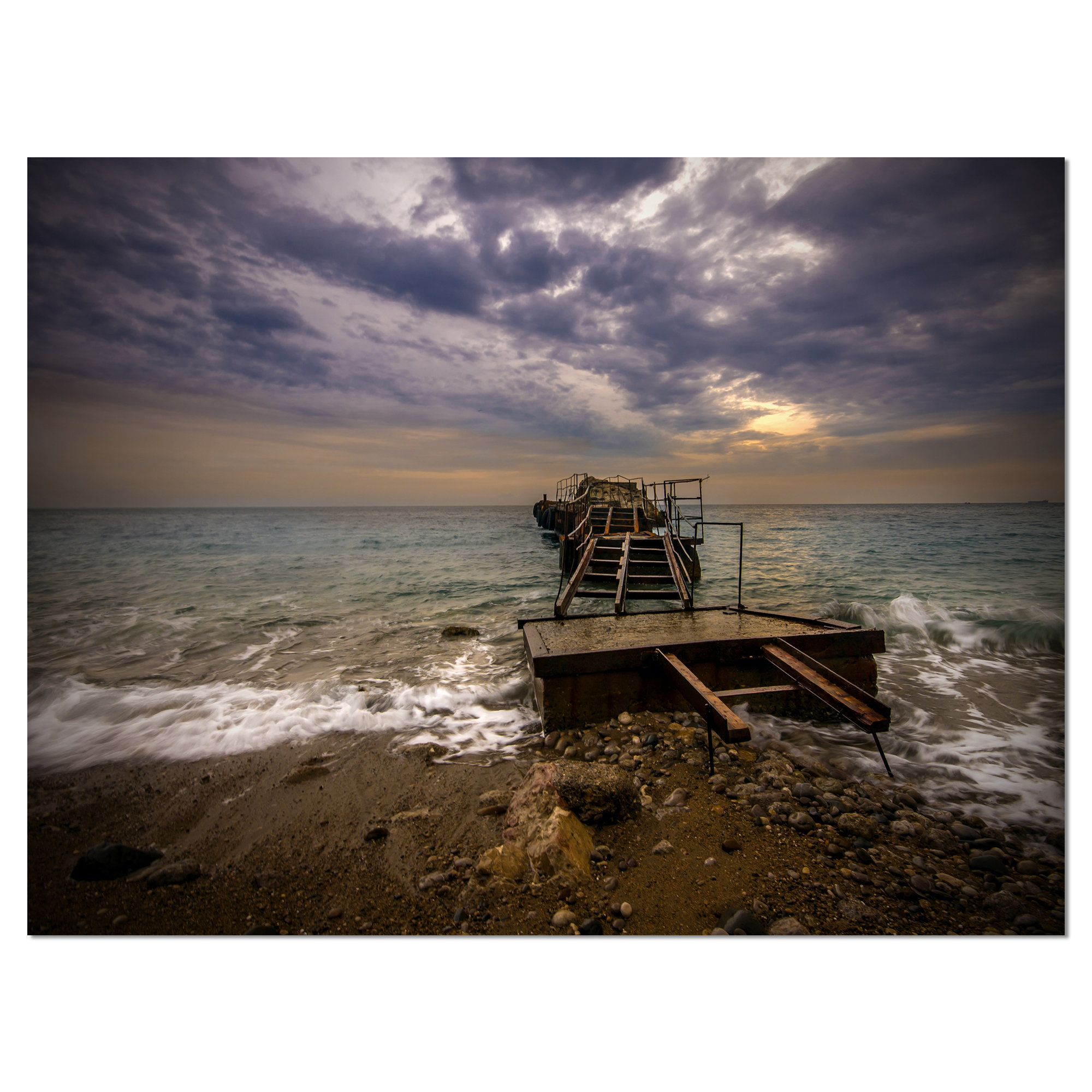
Coastlines tell stories that are both gentle and powerful, shaped by the constant rhythm of tides and weather patterns. Spring brings renewed energy to beaches, with warmer temperatures encouraging seabirds to return and sea kelp to flourish. The water often appears clearer during these months, revealing underwater ecosystems that were hidden beneath colder waters. Summer sees coastlines alive with activity—swimmers, beachgoers, and families enjoying the warmth. The sea becomes a playground while cliffs stand guard over calm waters. Fall brings the first signs of autumn’s approach, with cooler temperatures and changing light that creates magical golden hour moments along shorelines. Storms become more frequent as weather systems shift, adding drama to coastal scenes. Winter transforms coastlines into raw, untamed places where waves crash against rocks with unmatched force. Salt spray mingles with cold air, and the landscape takes on a stark, almost sculptural quality. The interplay between land and sea changes with each season, creating different moods and experiences for those who visit.
The Light Factor: How Seasons Change Our Perception
Light is perhaps the most important element in seasonal landscape photography and appreciation. During winter, the sun sits lower on the horizon, casting long shadows and creating dramatic contrasts. This angled light makes every rock and tree appear more defined and three-dimensional. The shorter days mean less time for capturing those perfect moments, but what we do get is incredibly rich in character. Spring light is softer and more diffused, perfect for showing delicate flowers and new growth. The increased daylight hours give photographers more opportunities to experiment with different compositions. Summer light is intense and direct, creating high contrast images with sharp details and deep shadows. The long days allow for extended shooting periods, giving artists more chances to capture the subtle variations in light. Fall light is arguably the most poetic, with warm golden tones that make everything look like it’s glowing. The sun’s angle creates beautiful backlighting effects that turn leaves into brilliant lanterns. Each season offers unique lighting conditions that influence not just how we see landscapes, but how we feel about them. The emotional impact of seasonal light is something that artists and photographers understand deeply.
Plant Life Cycles: Nature’s Seasonal Theater
Plants are the true stars of seasonal landscapes, putting on elaborate performances that last throughout the year. In early spring, bulbs emerge from the earth like nature’s own surprises. Tulips, daffodils, and crocuses push through soil with such determination that they seem almost miraculous. As temperatures rise, deciduous trees begin to bud and leaf out, creating a gradual transformation that happens day by day. The forest floor fills with wildflowers, each species blooming at its own pace and creating a natural calendar of beauty. Summer brings the fullness of plant life, when gardens are at their peak and forests are thick with foliage. This is when the understory comes alive with ferns, mosses, and smaller plants that thrive in the filtered sunlight. Fall triggers another spectacular show as leaves change color and drop, preparing for winter dormancy. Some trees become brilliant displays of red, orange, and yellow, while others simply fade to brown. Winter may seem like a time of dormancy, but even then, evergreens continue their quiet green presence, and some plants actually bloom in the cold. Understanding these plant cycles helps us predict when certain landscapes will be most beautiful.
Animal Behavior: The Living Seasonal Symphony
Animals respond to seasonal changes in ways that add another layer of drama to landscapes. Migration patterns are perhaps the most obvious example, with birds returning from distant lands to breed in familiar spots. The arrival of geese, swallows, and countless other species creates a sense of renewal that mirrors the landscape’s own rebirth. Breeding seasons bring new life to ecosystems, with animals becoming more active and visible. Spring is particularly busy for many creatures as they prepare for reproduction and raise their young. Mammals like deer and elk go through their annual coat changes, adapting to temperature shifts. Insects emerge in great numbers during warm months, creating a buzzing soundtrack that adds life to outdoor spaces. Autumn brings preparation for winter, with animals storing food and seeking shelter. Some creatures hibernate while others migrate to warmer climates. The timing of these behaviors is so precise that it’s almost like nature’s own choreography. Watching how animals interact with seasonal changes gives us insight into the complex web of relationships that define healthy ecosystems.
Practical Tips for Capturing Seasonal Beauty
For those who want to document or simply enjoy seasonal landscapes, here are some key strategies that work. First, plan your visits around peak seasonal events. If you want to photograph fall foliage, research when the colors typically peak in your area. For spring wildflowers, check local botanical guides to know when different species bloom. Timing is everything when it comes to capturing the best seasonal moments. Consider using different camera settings for each season. Winter landscapes might benefit from higher ISO settings to capture detail in low light conditions. Summer photos often require polarizing filters to reduce glare from water and wet surfaces. Spring and fall present opportunities for experimenting with different exposure times to capture motion in waterfalls or moving clouds. Pay attention to weather patterns too. Rain can make landscapes more vibrant, while clear skies offer different perspectives. The best approach is to spend time in the same location throughout different seasons, allowing yourself to see how it truly changes over time. Keep a field journal to note observations about light, weather, and plant behavior. This practice helps develop a deeper understanding of seasonal patterns and can inspire new creative approaches.
Seasonal Photography Techniques
Photographers looking to capture seasonal landscapes need to understand how to work with each season’s unique challenges and opportunities. In winter, focus on contrasting elements like bright snow against dark trees or dramatic cloud formations. Use a wide aperture to create shallow depth of field, emphasizing foreground elements against distant snowy peaks. For spring, look for soft lighting conditions that highlight delicate blossoms and new growth. Try using a telephoto lens to isolate individual flowers or buds from their surroundings. Summer photography benefits from strong directional light that creates interesting shadows and highlights. Shoot during golden hour for maximum warmth and drama. The longer daylight hours mean more flexibility in composition choices. Fall photography requires patience and timing to catch those peak color moments. Often, a single day can show multiple stages of color change, so being flexible with shooting schedules is key. Use graduated neutral density filters to balance the brightness of skies with darker foregrounds. Consider using HDR techniques to capture the full dynamic range of seasonal landscapes. Post-processing skills also vary by season, with winter images needing more contrast adjustment and summer shots requiring careful color correction.
Seasonal landscapes are more than just pretty pictures—they’re windows into the fundamental rhythms of life on Earth. They teach us about adaptation, resilience, and the interconnectedness of all living things. Whether you’re hiking through mountain trails, walking along coastal paths, or simply observing from your backyard, these natural cycles offer endless inspiration. The beauty of seasonal landscapes lies not just in their visual appeal, but in their ability to remind us of nature’s incredible capacity for renewal and transformation. Each season brings its own gifts, from the quiet strength of winter’s snow-covered peaks to the vibrant energy of summer’s full growth. By learning to recognize and appreciate these patterns, we become better observers of the world around us. The art of seasonal landscape isn’t just about capturing moments—it’s about understanding the deeper stories that unfold across our planet with each passing season. What we see in these transformations is really a reflection of our own lives, constantly evolving and finding new forms of beauty.
[sps_html tag=”img” src=”https://cdn.theartssection.com/wp-content/uploads/2025/12/seashore-wall-art-canvas-prints-framed-prints-wall-peels-great-big-intended-for-rocky-mountain-river-in-autumn-oversized-seashore-wall-art-on-canvas.jpg” alt=”Seashore Wall Art, Canvas Prints, Framed Prints, Wall Peels | Great Big … intended for Rocky Mountain River In Autumn, Oversized Seashore Wall Art On Canvas” style=”width: 100%; height: auto;”]
[sps_html tag=”img” src=”https://cdn.theartssection.com/wp-content/uploads/2025/12/seashore-art-etsy-regarding-rocky-mountain-river-in-autumn-oversized-seashore-wall-art-on-canvas.jpg” alt=”Seashore Art - Etsy regarding Rocky Mountain River In Autumn, Oversized Seashore Wall Art On Canvas” style=”width: 100%; height: auto;”]
[sps_html tag=”img” src=”https://cdn.theartssection.com/wp-content/uploads/2025/12/liven-up-your-dull-wall-with-this-canvas-art-the-seashore-depiction-on-in-rocky-mountain-river-in-autumn-oversized-seashore-wall-art-on-canvas.jpg” alt=”Liven Up Your Dull Wall With This Canvas Art. The Seashore Depiction On … in Rocky Mountain River In Autumn, Oversized Seashore Wall Art On Canvas” style=”width: 100%; height: auto;”]
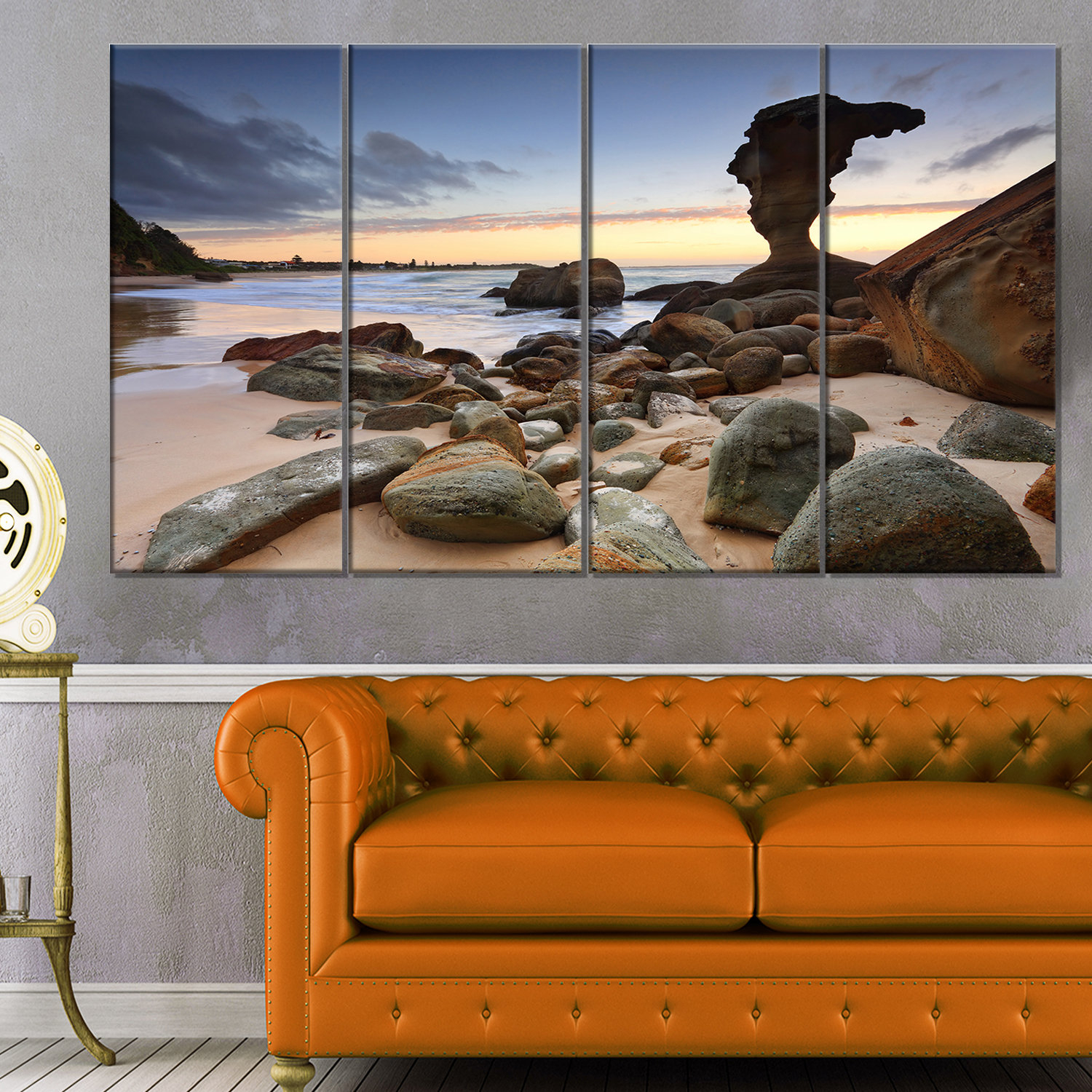
[sps_html tag=”img” src=”https://cdn.theartssection.com/wp-content/uploads/2025/12/noraville-central-coast-australia-multipanel-modern-seashore-canvas-with-regard-to-understanding-how-seashore-canvas-art-transforms-interior-spaces.jpg” alt=”Noraville Central Coast Australia, Multipanel Modern Seashore Canvas … with regard to Understanding How Seashore Canvas Art Transforms Interior Spaces” style=”width: 100%; height: auto;”]
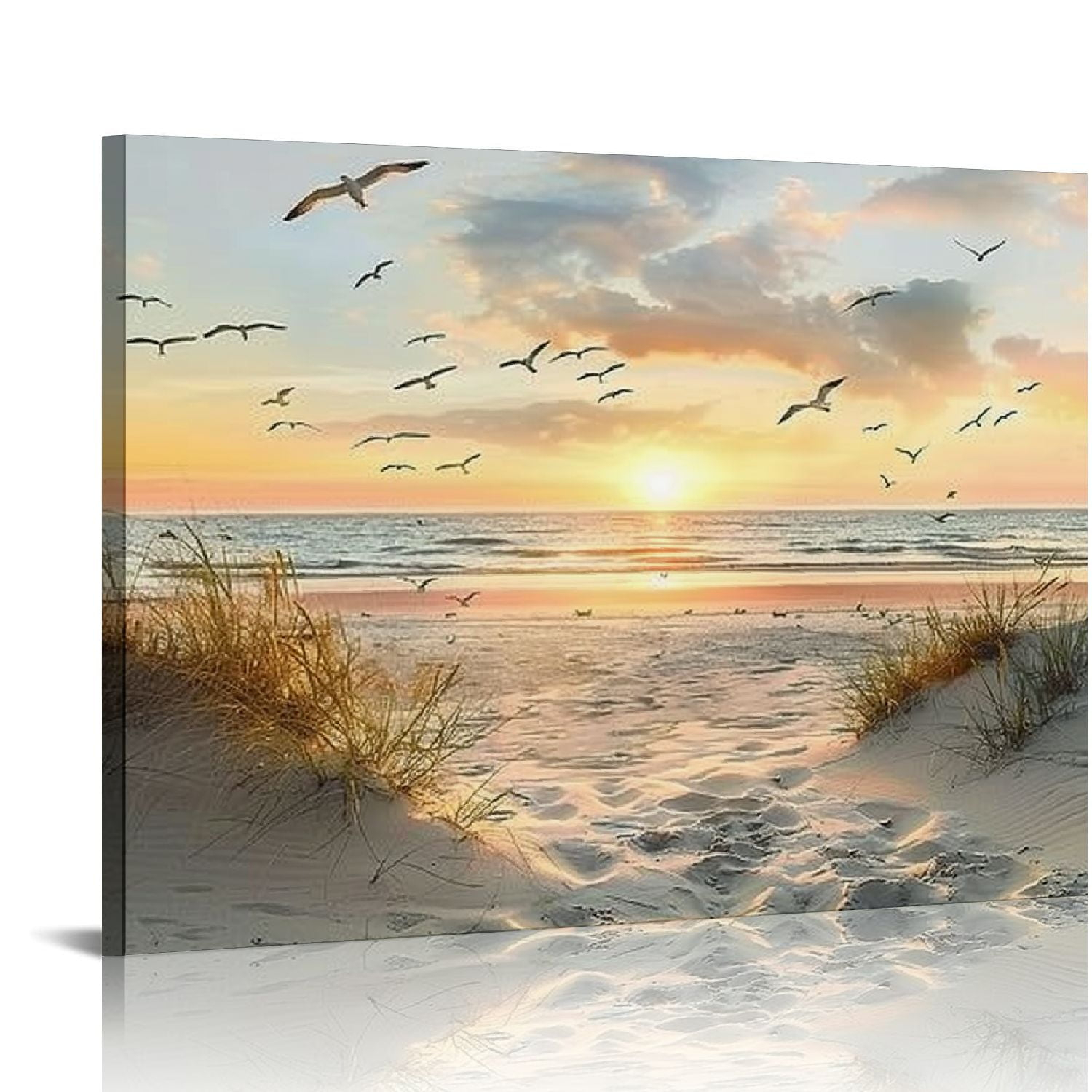
[sps_html tag=”img” src=”https://cdn.theartssection.com/wp-content/uploads/2025/12/creowell-bedroom-canvas-wall-art-beach-ocean-scene-sea-artwork-large-throughout-understanding-how-seashore-canvas-art-transforms-interior-spaces.jpeg” alt=”Creowell Bedroom Canvas Wall Art Beach: Ocean Scene Sea Artwork Large … throughout Understanding How Seashore Canvas Art Transforms Interior Spaces” style=”width: 100%; height: auto;”]