In the heart of every Coast Guard training facility lies a humble object that might seem insignificant at first glance – a wooden block. But beneath its simple appearance rests a story that spans over a century, shaping how America’s maritime guardians learn their craft, train their skills, and honor their heritage. What started as a basic teaching tool has evolved into something far more profound, connecting generations of Coast Guardsmen through shared experiences and unwritten traditions.
Picture this: You’re standing in a bustling Coast Guard training center, surrounded by modern equipment, high-tech simulators, and digital displays. Yet somewhere in the corner, tucked away in a quiet classroom, sits an old wooden block. It looks like something you’d find in a child’s toy box. But ask any veteran trainer, and they’ll tell you this isn’t just a toy – it’s a cornerstone of Coast Guard tradition. This unassuming block carries within it the weight of decades of training, the stories of countless sailors, and the foundation of a unique maritime culture that continues to thrive today. The wooden block didn’t just appear in training programs by accident. Its presence was carefully chosen, strategically placed, and deliberately preserved because of what it represents and how it has shaped the way Coast Guardsmen approach their duties.
The Birth of a Training Tool
The origins of the wooden block in Coast Guard training trace back to the early 1900s when maritime education was still finding its footing. Back then, training methods were often crude and hands-on. Instructors needed tangible ways to teach concepts that were otherwise abstract. They looked around their classrooms and found that the simplest objects could convey complex lessons. Wooden blocks were everywhere – in shipyards, construction sites, and even in the homes of seafaring families. Their familiarity made them ideal for learning. The first instructors began using these blocks to demonstrate fundamental principles like balance, stability, and structural integrity. One particularly memorable example involved a training exercise where cadets had to stack blocks in various configurations to simulate how cargo would behave during rough seas. The simplicity of the block allowed students to quickly grasp concepts that might have taken hours to explain through lectures alone. What started as a practical solution became a powerful teaching method that spread across training facilities nationwide. By the 1920s, the wooden block had become a standard part of Coast Guard curricula. Instructors realized that the physical act of handling the block helped cement theoretical knowledge into muscle memory. Students weren’t just reading about buoyancy – they were feeling it, manipulating it, and understanding it through direct experience.
Building Character Through Hands-On Learning
But the wooden block’s impact went far beyond technical instruction. It became a symbol of character building and discipline. Instructors quickly discovered that working with these simple objects taught valuable life lessons. When cadets had to carefully place each block, they learned patience. When they failed to stack properly, they experienced failure in a controlled environment. These moments of struggle and success built resilience. Consider the story of Chief Petty Officer Sarah Martinez, who joined the Coast Guard in 1987. She recalls how her training instructor used wooden blocks to teach respect for equipment and procedures. "We’d spend hours stacking blocks perfectly," she remembers. "If one fell, we’d start over. That taught us that attention to detail matters – whether it’s a block or a rescue operation." The blocks became a metaphor for everything the Coast Guard values. They represented the importance of precision, the necessity of following protocols, and the power of teamwork. When multiple cadets worked together to build complex structures with blocks, they learned how individual actions affected group outcomes. This lesson proved invaluable when they moved on to actual maritime operations where split-second decisions could mean the difference between success and disaster.
Traditions That Bind Generations Together
As time passed, the wooden block evolved from a mere teaching aid into a sacred tradition. Every new recruit would hear stories about the blocks from senior members, creating a chain of oral history that connected past and present. The blocks themselves became heirlooms, passed down through generations of trainers and trainees. Some training centers kept special blocks that had been used in significant historical events, like major rescue missions or training exercises. These weren’t just objects – they were witnesses to the Coast Guard’s evolution. The tradition of the wooden block also influenced how Coast Guardsmen approached their work. When faced with complex problems, they would often think back to those simple stacking exercises. The discipline required to keep blocks balanced became a mental model for approaching difficult situations. Many veterans recall how the blocks taught them to think systematically, to break down problems into manageable pieces, and to consider the consequences of each action. The block also reinforced the idea that excellence comes from small, consistent actions rather than dramatic gestures. Every day, Coast Guardsmen would see these blocks as reminders of their calling – to serve with precision, dedication, and honor.
Modern Applications and Adaptations
Today, while technology has revolutionized many aspects of Coast Guard training, the wooden block remains relevant. Modern instructors integrate traditional block exercises with cutting-edge simulation tools. They might start with a block-based exercise to establish foundational concepts before moving to computer simulations. This hybrid approach ensures that recruits develop both technical knowledge and intuitive understanding. For instance, in navigation training, instructors might begin with blocks representing different navigational aids, helping cadets understand spatial relationships before introducing GPS systems. The blocks also play a role in team-building exercises that are crucial for Coast Guard operations. Groups might compete to build structures with blocks, learning communication skills and problem-solving techniques that translate directly to real-world scenarios. Some training facilities have even created specialized block sets designed specifically for Coast Guard applications, including blocks representing different types of vessels, weather conditions, and emergency equipment. These adaptations ensure that the core lessons remain relevant even as the Coast Guard evolves. The blocks continue to serve as a bridge between traditional maritime wisdom and modern training methodologies.
The Psychology Behind the Simple Object
Psychologists who study learning and memory have found that the wooden block’s effectiveness stems from its ability to engage multiple senses simultaneously. When students handle blocks, they’re not just seeing the shapes – they’re feeling the weight, the texture, and the resistance. This multi-sensory approach creates stronger neural pathways and better retention. Research shows that kinesthetic learning – learning through physical movement and touch – is particularly effective for complex subjects. The block’s simple design makes it perfect for this type of learning. Unlike complicated technological devices that can overwhelm learners, the block provides a clean slate for experimentation. Students can try different approaches, make mistakes, and learn from them without fear of expensive equipment damage. This psychological principle explains why the block has remained such a powerful tool. It taps into fundamental learning mechanisms that transcend age, background, or educational level. The object’s universality means that everyone can relate to it, regardless of their previous experience with maritime training. Even in our digital age, when everything seems to be moving toward virtual reality and computer simulations, the wooden block reminds us that sometimes the most effective learning happens with the simplest tools.
Legacy and Future Impact
Looking forward, the wooden block’s legacy continues to influence how the Coast Guard trains future generations. As the service faces new challenges – climate change, cybersecurity threats, and evolving maritime traffic – the principles taught through block exercises remain as relevant as ever. The emphasis on precision, attention to detail, and systematic thinking are qualities that will always be essential. Modern Coast Guard leaders recognize that while technology changes rapidly, the fundamental skills needed for effective maritime operations haven’t changed. The discipline required to stack blocks properly mirrors the discipline needed to execute complex rescue missions. The blocks also serve as a reminder of the Coast Guard’s humble beginnings and its commitment to building character alongside technical skill. As training facilities continue to evolve, they’re careful to preserve the wooden block’s role in the curriculum. Many institutions now have dedicated spaces where the blocks are displayed alongside historical artifacts, creating a visual timeline of Coast Guard development. The tradition lives on, not just in the training rooms, but in the stories that are shared, the memories that are created, and the values that are instilled in every new member. The wooden block may be simple, but its influence on Coast Guard culture and training is anything but simple.
The wooden block stands as a testament to how simple things can create profound impacts. What began as a practical solution to a training challenge has become a symbol of Coast Guard identity, a tool for character building, and a bridge between past and future. Through decades of use, these humble blocks have shaped not just skills, but values, traditions, and a sense of belonging that transcends individual experiences. Every time a new recruit handles a wooden block, they’re participating in a centuries-old tradition that connects them to every Coast Guardsman who came before them. The lessons learned through stacking, balancing, and building with these simple objects echo through every rescue mission, every patrol, and every moment of service. The wooden block may be just wood, but it holds within it the spirit of an entire organization – patient, persistent, and deeply rooted in tradition. As the Coast Guard continues to adapt to new challenges, this ancient teaching method continues to prove its worth. Perhaps that’s the greatest lesson of all – that the most important tools aren’t always the most sophisticated, but the ones that connect us to something larger than ourselves. The wooden block reminds us that sometimes the most powerful transformations happen in the quietest moments, when we take the time to understand the fundamentals and build from there.
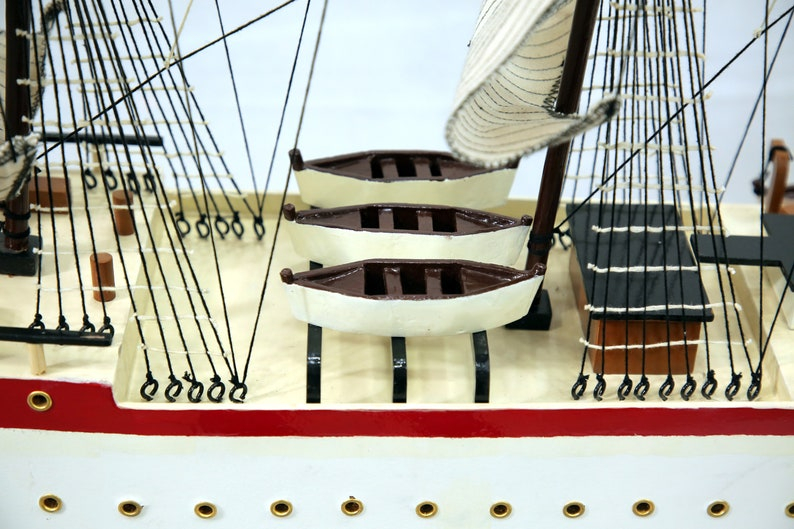
[sps_html tag=”img” src=”https://cdn.theartssection.com/wp-content/uploads/2025/11/us-coast-guard-wooden-model-ship-etsy-throughout-usa-coast-guard-wooden-block.jpg” alt=”Us Coast Guard Wooden Model Ship - Etsy throughout Usa Coast Guard Wooden Block” style=”width: 100%; height: auto;”]
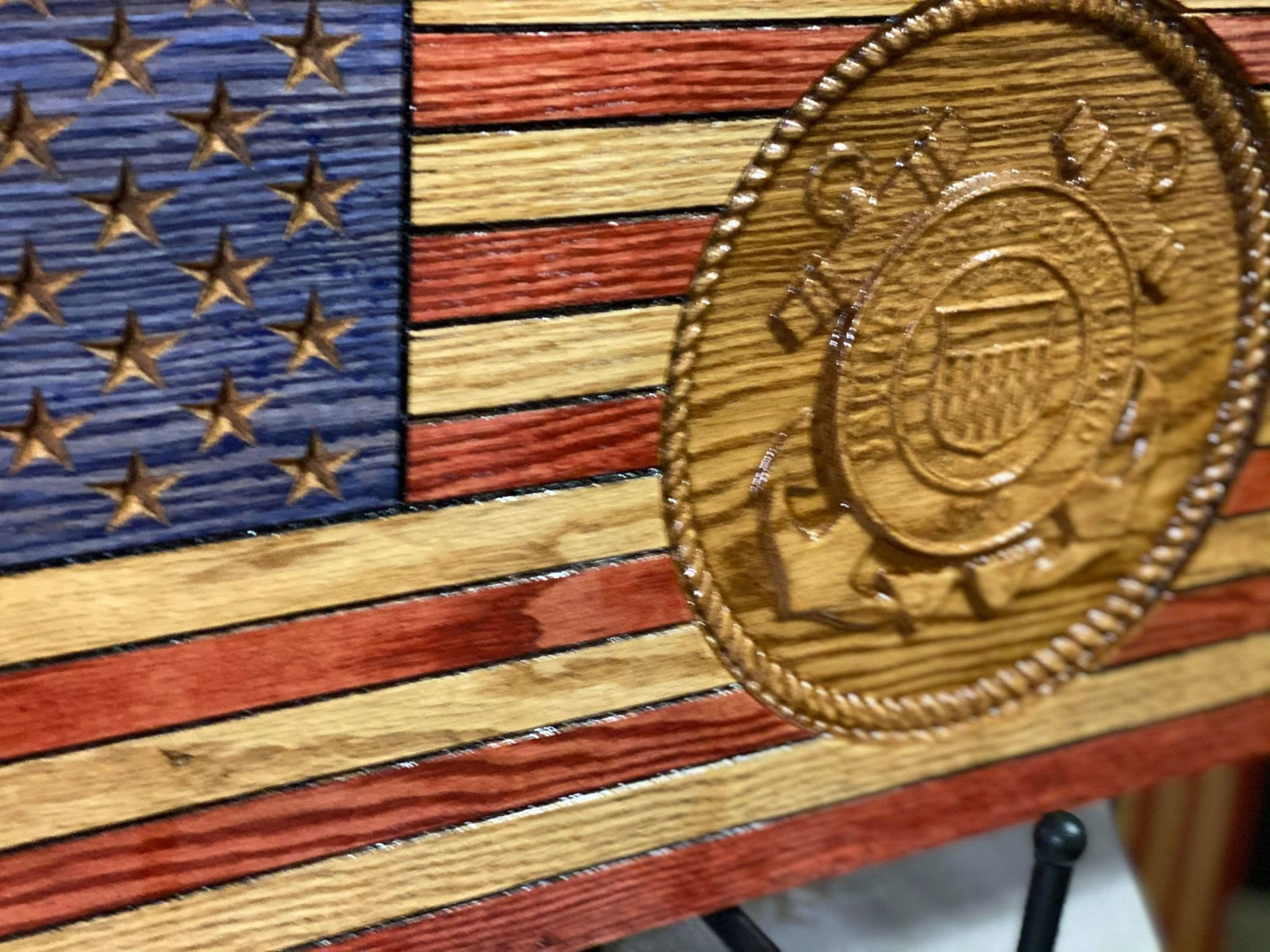
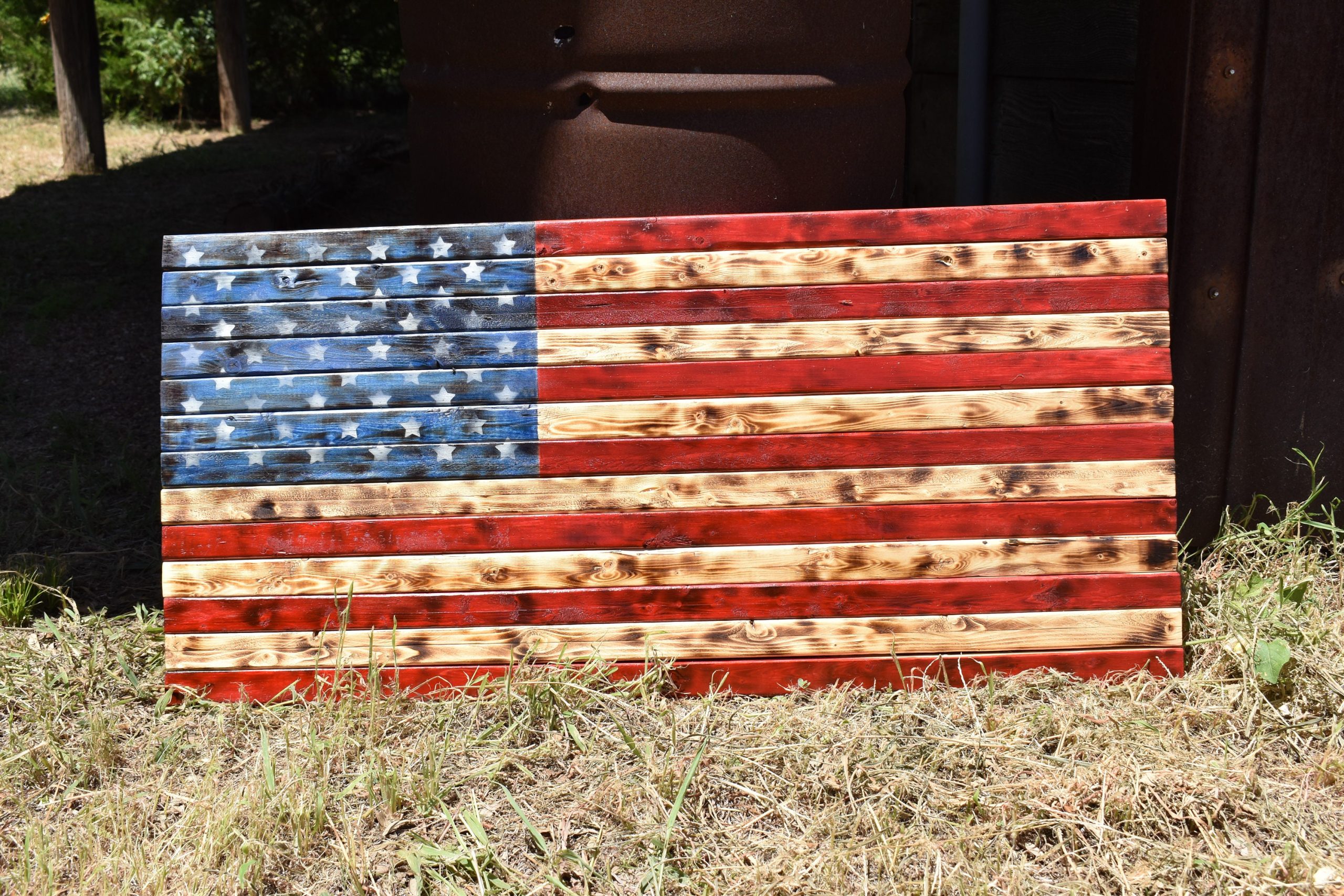
[sps_html tag=”img” src=”https://cdn.theartssection.com/wp-content/uploads/2025/11/united-states-coast-guard-wood-flag-etsy-inside-usa-coast-guard-wooden-block-scaled.jpg” alt=”United States Coast Guard Wood Flag - Etsy inside Usa Coast Guard Wooden Block” style=”width: 100%; height: auto;”]
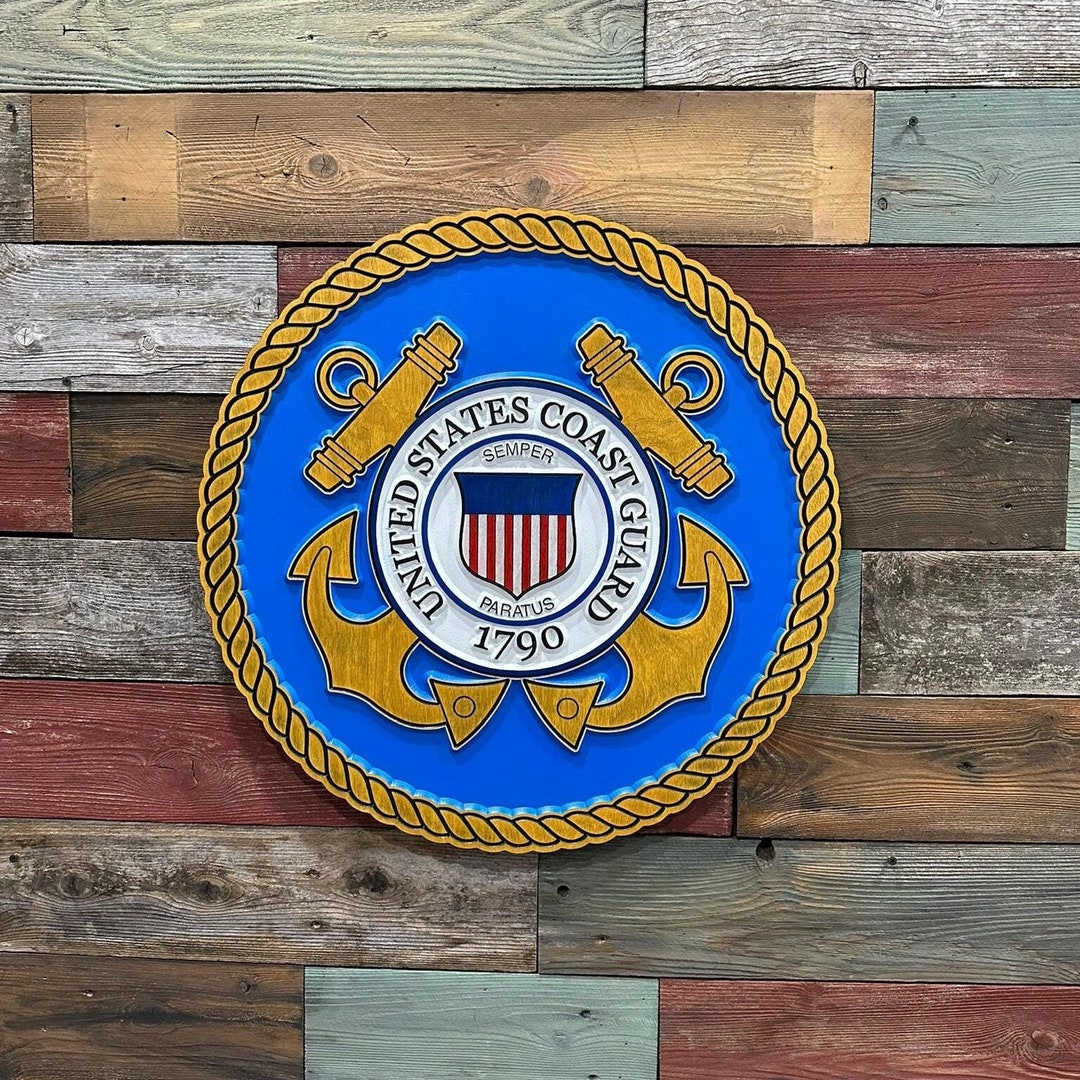
[sps_html tag=”img” src=”https://cdn.theartssection.com/wp-content/uploads/2025/11/united-states-coast-guard-wood-sign-3d-etsy-within-understanding-the-legacy-of-usa-coast-guard-wooden-blocks-in-maritime-history.jpg” alt=”United States Coast Guard Wood Sign 3D - Etsy within Understanding the Legacy of USA Coast Guard Wooden Blocks in Maritime History” style=”width: 100%; height: auto;”]
[sps_html tag=”img” src=”https://cdn.theartssection.com/wp-content/uploads/2025/11/us-coast-guard-wooden-model-ship-etsy-with-regard-to-usa-coast-guard-wooden-block.jpg” alt=”Us Coast Guard Wooden Model Ship - Etsy with regard to Usa Coast Guard Wooden Block” style=”width: 100%; height: auto;”]
[sps_html tag=”img” src=”https://cdn.theartssection.com/wp-content/uploads/2025/11/us-coast-guard-wooden-flag-uscg-flag-with-name-wooden-etsy-within-usa-coast-guard-wooden-block.jpg” alt=”Us Coast Guard Wooden Flag Uscg Flag With Name Wooden | Etsy within Usa Coast Guard Wooden Block” style=”width: 100%; height: auto;”]