Piers aren’t just wooden or concrete structures that stretch out into the ocean. They’re architectural statements that tell stories about the communities they serve. These coastal landmarks have shaped cultures for centuries, carrying meanings far beyond their practical purpose of providing access to water. From the elegant curves of European piers to the bold designs of modern American structures, each pier reflects the unique character of its location.
When you walk along a seaside pier, you’re not just enjoying a scenic view or taking a leisurely stroll. You’re standing in a space where architecture meets culture, history meets community, and tradition meets innovation. These structures have been gathering stories, creating memories, and shaping identities for generations. But what exactly makes piers so much more than simple waterfront platforms? What cultural threads weave through their design, construction, and function? Let’s dive deeper into how these remarkable structures carry the soul of coastal communities.
Historical Foundations of Pier Construction
The earliest piers were built with basic materials and simple engineering principles, often serving as essential bridges between land and sea. Ancient civilizations like the Greeks and Romans constructed piers to facilitate trade and transportation. These early structures weren’t just functional—they were symbols of power and progress. In medieval times, piers became vital for fishing industries and maritime commerce.
Consider the famous Venice Lido Pier, which dates back centuries. Its design reflects not just practical needs but also the city’s artistic heritage. The way these structures evolved over time shows how societies adapted their building methods to local conditions while maintaining cultural traditions. The materials used often reflected regional resources—wood in forested areas, stone in mountainous regions, and concrete in industrialized zones.
Each pier carries evidence of its era’s technological capabilities and social priorities. A Victorian-era pier might emphasize ornate details and grandeur, while a modern structure focuses more on efficiency and accessibility. The evolution tells us a lot about how communities valued their relationship with the water.
Regional Styles and Local Identity
Different regions developed distinct pier styles that mirror local customs and aesthetics. In Japan, traditional piers often feature curved designs that blend harmoniously with natural surroundings. The graceful lines of these structures reflect Japanese concepts of balance and harmony with nature. In contrast, American piers frequently showcase bold geometric shapes and vibrant colors, representing a more direct approach to design.
European piers often incorporate classical elements like columns and arches, demonstrating the region’s historical emphasis on grandeur and permanence. The British pier at Brighton, for instance, combines Victorian elegance with practical functionality. Meanwhile, Scandinavian piers tend to favor clean lines and minimalistic approaches, aligning with the region’s preference for simplicity and functionality.
These differences aren’t just about looks—they represent cultural philosophies. When architects design piers, they’re making choices about how their community wants to relate to the water. Is it through reverence and careful design, or through bold statement and modern flair? The answers reveal deep-seated cultural values.
Social Functions Beyond Practicality
Piers serve as gathering places where social interactions flourish. They become spaces for community events, romantic strolls, and family activities. Think about how many people spend hours on piers watching sunsets or feeding seagulls. These moments create shared experiences that strengthen bonds within communities.
In many coastal towns, piers host festivals, concerts, and seasonal celebrations. The physical structure provides both shelter and visibility, making them ideal venues for public gatherings. Local fishermen often gather at piers to share news, plan their work, and celebrate successful catches. The pier becomes a hub of social life, connecting residents to each other and to their maritime heritage.
The presence of benches, lighting, and other amenities transforms these structures from mere functional elements into community assets. When piers are well-designed, they encourage people to linger, interact, and form connections. This social aspect is perhaps one of the most important cultural functions they serve.
Symbolism and Spiritual Meaning
Many cultures associate piers with spiritual or symbolic significance. In some traditions, the act of walking on a pier represents a journey toward clarity or peace. The ocean’s vastness and the pier’s reach create a powerful metaphor for human aspirations and connection to something greater than ourselves.
Native American tribes often viewed piers and similar structures as sacred pathways between worlds. The water represented the unknown, while the pier served as a bridge between the known and the mysterious. Some coastal communities still hold ceremonies near piers during significant seasons or life events.
Even in secular contexts, piers can evoke feelings of freedom and possibility. Their elevated position offers expansive views and creates a sense of being above everyday concerns. The rhythmic sound of waves beneath them provides a meditative backdrop for reflection. Many artists and writers have found inspiration in these spaces, using piers as metaphors for transitions and new beginnings.
The symbolism extends to how piers are perceived in literature and film, where they often represent thresholds between different states of being.
Economic Impact and Tourism Value
Piers play crucial roles in local economies, particularly in tourist destinations. Beautifully designed piers can become major attractions themselves, drawing visitors from around the world. The economic benefits extend beyond ticket sales to include restaurants, shops, and accommodations nearby.
Consider how the iconic Pier 39 in San Francisco attracts millions of visitors annually. Its design combines historical charm with modern amenities, creating an experience that goes beyond simple sightseeing. The pier generates revenue for local businesses while preserving cultural heritage.
In smaller coastal communities, even modest piers can significantly impact tourism. They provide access to scenic viewpoints and recreational opportunities that might otherwise be unavailable. The investment in pier construction often pays dividends through increased visitor spending and property values.
The relationship between piers and economic development reveals interesting cultural dynamics. Some communities prioritize preserving historic piers to maintain their appeal to tourists, while others embrace modern alternatives for better functionality and lower maintenance costs.
Environmental Considerations and Sustainability
Modern pier design increasingly incorporates environmental consciousness, reflecting changing cultural attitudes toward sustainability. Builders now consider how structures affect marine ecosystems and local wildlife habitats. The choice of materials, construction methods, and maintenance practices all influence environmental impact.
Sustainable piers often use recycled materials or eco-friendly alternatives that minimize harm to ocean environments. Some newer designs incorporate features that support marine life, such as artificial reefs or areas for nesting birds. These thoughtful approaches show how cultural values are evolving to include environmental stewardship.
The durability of pier materials also reflects cultural priorities. Communities that value long-term investment may choose more expensive but sustainable options over cheaper alternatives that require frequent replacement. This approach demonstrates respect for both the environment and future generations.
Climate change considerations now factor heavily into pier planning. Rising sea levels and stronger storms mean that modern structures must be designed for resilience, showing how cultural responses to global challenges shape architectural decisions.
Sea piers are far more than simple waterfront structures. They embody the rich tapestry of human culture, reflecting everything from historical development to contemporary values. Whether you’re drawn to their aesthetic beauty, their role in community life, or their deeper symbolic meanings, piers offer countless layers of significance that connect us to our coastal environments. As we continue to build and maintain these structures, we’re essentially continuing a conversation that spans centuries, carrying forward cultural traditions while adapting to modern needs. The next time you step onto a pier, take a moment to appreciate not just the view, but the story it tells about the people who built it and the community it serves. These structures remind us that architecture isn’t just about shelter—it’s about creating spaces where culture, history, and human connection come together in beautiful harmony.
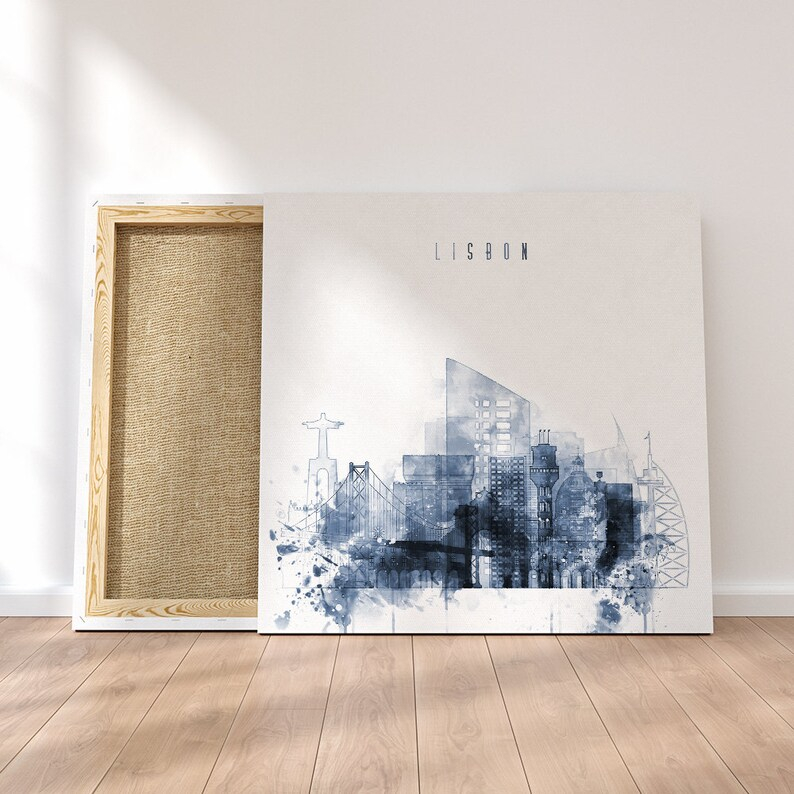
[sps_html tag=”img” src=”https://cdn.theartssection.com/wp-content/uploads/2025/12/lisbon-canvas-street-map-print-lisbon-wall-art-art-printmaking-inside-behind-the-scenes-of-creating-authentic-lisbon-bridge-canvas-art.jpg” alt=”Lisbon Canvas Street Map Print Lisbon Wall Art #Art #Printmaking # … inside Behind the Scenes of Creating Authentic Lisbon Bridge Canvas Art” style=”width: 100%; height: auto;”]
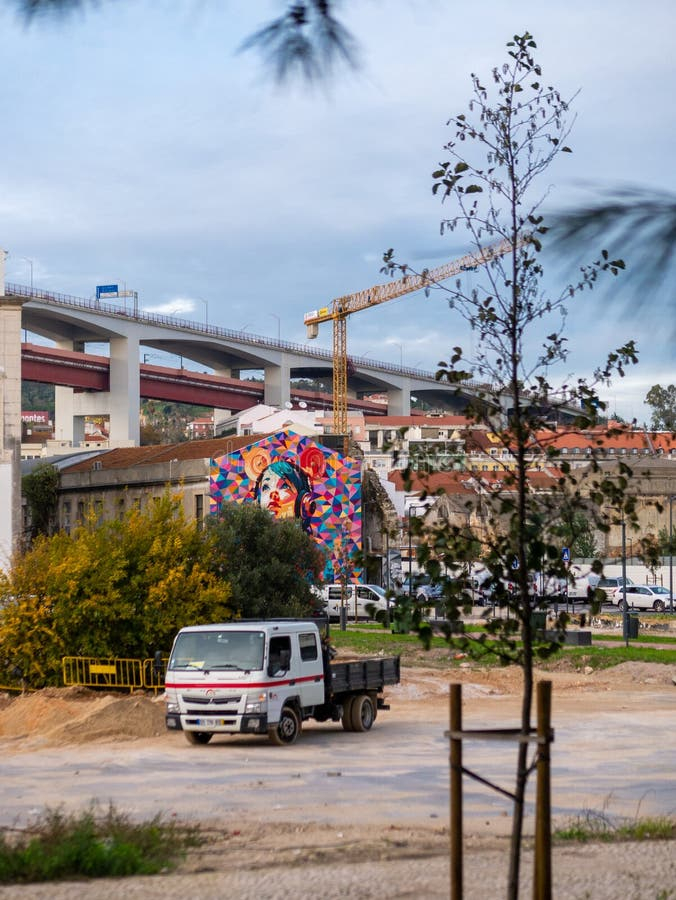
[sps_html tag=”img” src=”https://cdn.theartssection.com/wp-content/uploads/2025/12/city-canvas-lisbon-s-bridge-graffiti-portrait-and-utility-car-stock-pertaining-to-wonderful-view-of-lisbon-bridge-sea-pier-and-bridge-wall-art-canvas.jpg” alt=”City Canvas - Lisbon S Bridge, Graffiti Portrait, And Utility Car Stock … pertaining to "Wonderful View Of Lisbon Bridge" Sea Pier And Bridge Wall Art Canvas” style=”width: 100%; height: auto;”]
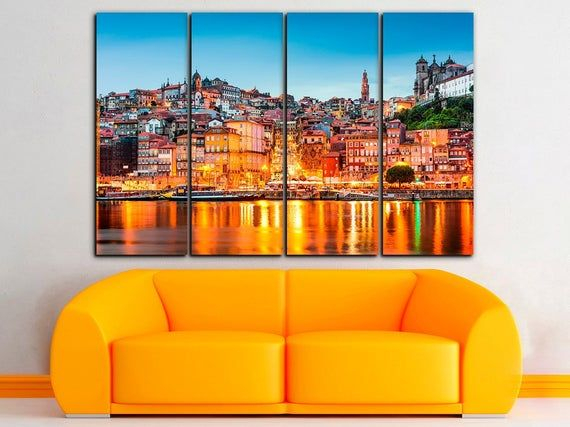
[sps_html tag=”img” src=”https://cdn.theartssection.com/wp-content/uploads/2025/12/lisbon-framed-canvas-wall-art-portugal-artistic-prints-on-etsy-intended-for-behind-the-scenes-of-creating-authentic-lisbon-bridge-canvas-art.jpg” alt=”Lisbon Framed Canvas Wall Art Portugal Artistic Prints On - Etsy intended for Behind the Scenes of Creating Authentic Lisbon Bridge Canvas Art” style=”width: 100%; height: auto;”]
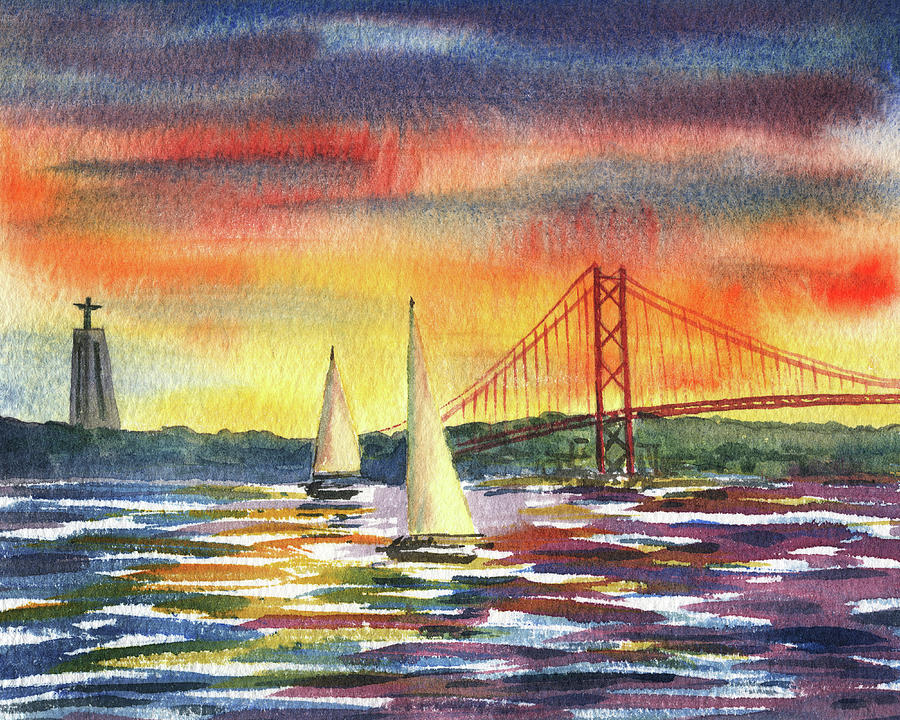
[sps_html tag=”img” src=”https://cdn.theartssection.com/wp-content/uploads/2025/12/lisbon-sunset-tagus-river-bridge-twenty-fifth-of-april-two-boats-regarding-behind-the-scenes-of-creating-authentic-lisbon-bridge-canvas-art.jpg” alt=”Lisbon Sunset Tagus River Bridge Twenty Fifth Of April Two Boats … regarding Behind the Scenes of Creating Authentic Lisbon Bridge Canvas Art” style=”width: 100%; height: auto;”]
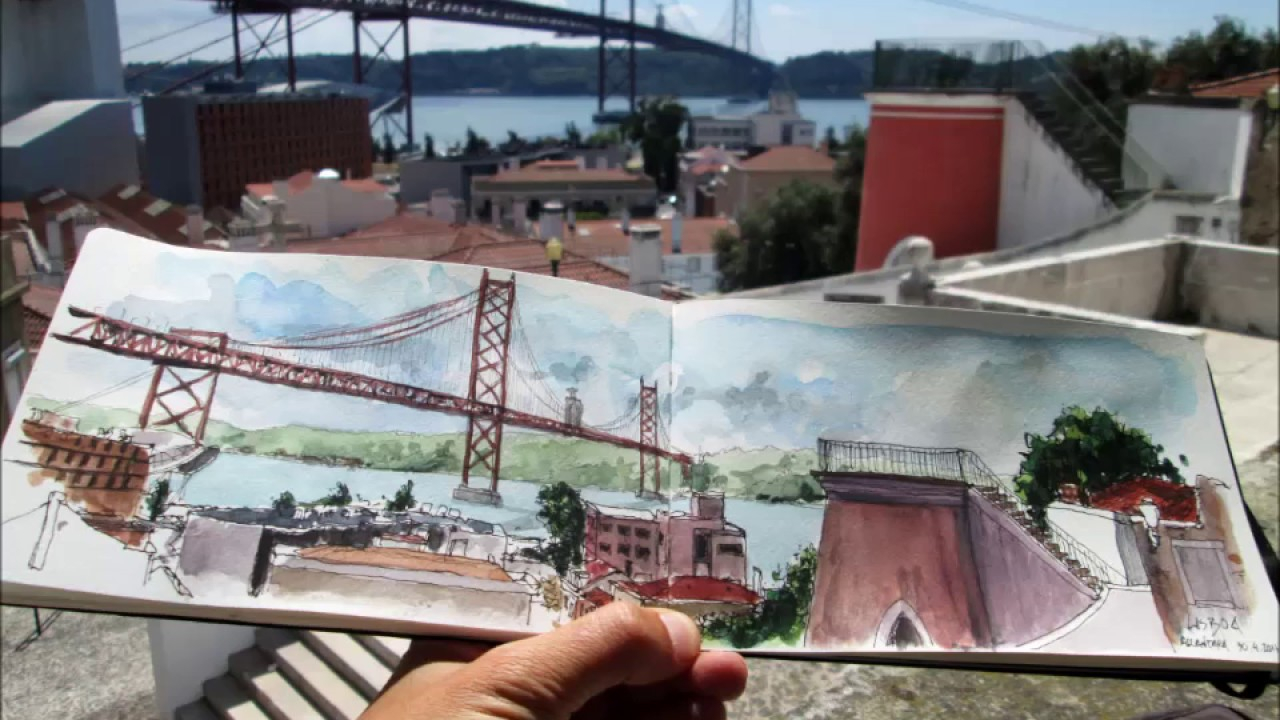
[sps_html tag=”img” src=”https://cdn.theartssection.com/wp-content/uploads/2025/12/urban-sketching-the-lisbon-bridge-youtube-with-behind-the-scenes-of-creating-authentic-lisbon-bridge-canvas-art.jpg” alt=”Urban Sketching The Lisbon Bridge - Youtube with Behind the Scenes of Creating Authentic Lisbon Bridge Canvas Art” style=”width: 100%; height: auto;”]