Every canvas tells a story, but for some mothers, each brushstroke becomes a bridge between their inner world and their children’s lives. This is the journey of one woman who learned that art isn’t just about creating beauty—it’s about finding purpose, healing, and connection.
Sarah Martinez never thought she’d be the kind of mom who painted. She was a busy working parent, juggling deadlines, school runs, and bedtime stories. But when her daughter Emma started asking why Mommy couldn’t draw like the other moms, something shifted inside Sarah. It wasn’t just about teaching a child to draw—it was about discovering herself through creativity. What began as a simple attempt to bond over painting became a profound journey of self-discovery and meaning-making. The act of putting paint to canvas transformed from a hobby into a lifeline, connecting her to her family in ways she never expected.
The Spark That Started It All
It happened during a particularly chaotic Tuesday morning. Emma had brought home a drawing from school—a stick figure family with hearts around them. "Mom, look!" Emma said with pride, "This is us!" Sarah looked at the artwork and felt something unexpected. She wanted to create something similar, something that showed her love for her family. But when she tried, the result was nothing like what Emma had made. The lines were shaky, the colors didn’t match her imagination. That’s when she realized something important: she didn’t have to be perfect. She just had to be real. The moment she stopped trying to create a masterpiece and started creating something honest, everything changed.
The first painting was terrible. Really terrible. But it was hers. It showed her daughter’s face with a smile that matched her heart. For the first time in months, Sarah felt a sense of calm wash over her. Her children didn’t care if her paintings were good or bad—they just wanted to see her happy. That realization became the foundation for her new journey.
Art as a Communication Bridge
Motherhood brings unique challenges. You’re supposed to be strong, capable, and always ready to solve problems. But what happens when you feel lost? When you’re overwhelmed by responsibilities? Sarah found that painting gave her a different way to express what words couldn’t capture.
She started using her art to show her children what she was feeling. When she was stressed about work, she painted dark blues and grays. When she felt joy, she used bright yellows and oranges. Her son Jake noticed the colors and asked what they meant. "Those are my feelings," she explained. "When I’m sad, I paint sadness. When I’m happy, I paint happiness."
This simple communication method opened up conversations that never would have happened otherwise. Children often struggle to articulate their emotions. Art became a universal language that transcended age and understanding. One day, after a difficult day at school, Emma sat beside her mother’s easel and quietly began adding her own touches to the painting. "I want to add this," she said, "because you make me feel safe." That moment taught Sarah that art wasn’t just about her expression—it was about creating space for her children to express themselves too.
Key benefits:
• Non-verbal emotional expression
• Shared creative experience
• Safe space for vulnerability
• Strengthened parent-child bonds
Learning to See Beauty in Imperfection
Before Sarah discovered her artistic journey, she held herself to impossible standards. As a mother, she felt pressure to be perfect in every aspect of her life. Her house had to be spotless, her schedule had to be flawless, and her parenting had to be flawless too. But painting taught her that imperfection wasn’t something to hide—it was something to celebrate.
One of her most treasured pieces was a painting of her kitchen. It wasn’t pretty. There were coffee stains, crumbs, and dishes stacked in the sink. But it captured the reality of her daily life. "This is what we really live in," she told her kids. "This is our home." The painting became a reminder that beauty exists in ordinary moments. It wasn’t about creating something perfect—it was about capturing something genuine.
She learned to appreciate the messy, beautiful chaos of motherhood. The way her daughter’s hair fell across her face while she slept. The way her husband’s eyes lit up when he saw his kids. The way she felt when she finally found time to herself. These weren’t just moments to document—they were moments to cherish.
The transformation wasn’t immediate. It took weeks of practice and patience with herself. But slowly, Sarah began to see her imperfections not as failures, but as parts of her authentic self. Every brushstroke reflected her growth, her struggles, and her triumphs.
Building Confidence Through Creative Expression
Art gave Sarah a new form of confidence—one that came from within rather than from external validation. She had always been someone who sought approval from others, whether it was from her boss, her friends, or her family. But when she painted, she was completely alone with her thoughts and her vision. There was no one else to judge her work, no one to tell her what she should create.
The first time she showed her paintings to her family, she was terrified. Would they think they were good enough? Would they even care? But when she shared her work, something magical happened. Her children didn’t critique her technique—they celebrated her effort. "Mommy, you did it!" Emma exclaimed, hugging the painting tightly. "I love the colors you used."
This simple act of acceptance became a powerful reinforcement of her worth. She realized that she didn’t need to be perfect to be loved. She didn’t need to be brilliant to be valued. Her children saw her not just as their mother, but as a person with dreams and desires.
The confidence she gained from art spilled over into other areas of her life. She started taking on new projects at work. She joined a local art group. She even decided to pursue art classes full-time. The courage to try something new came from her ability to embrace her own artistic journey, even when it felt scary.
She learned that true confidence comes from accepting yourself as you are, not as you wish you could be.
Creating Rituals and Traditions Through Art
As Sarah’s artistic journey deepened, she began incorporating painting into family traditions. Every Sunday afternoon became "Family Art Time," where everyone would gather around the easel and create something together. Sometimes they painted landscapes, sometimes they painted portraits of each other. But more importantly, they created memories.
One tradition that became especially meaningful was "Memory Paintings." Sarah would ask her children to draw or paint their favorite moments from the week. Then she would take those drawings and create a larger canvas that represented their entire week together. These weren’t just paintings—they were visual diaries that captured their family’s unique story.
"What makes a family special?" she once asked her children. "It’s not because we do everything perfectly," she continued. "It’s because we love each other, even when things get messy."
These family art sessions became sacred time. They weren’t about producing beautiful artwork—they were about creating connections. The children learned that their opinions mattered, that their ideas were valuable, and that they could contribute to something bigger than themselves.
The rituals helped establish boundaries and routines that brought stability to their chaotic lives. When one of the children was sick, they would still paint together. When there was conflict, they would sit quietly and paint through their emotions. Art became a way to navigate change and uncertainty.
Finding Community and Support Through Art
Sarah’s journey wasn’t just personal—it connected her to a broader community of mothers who understood the unique challenges of balancing creativity with motherhood. She joined online groups where mothers shared their artistic experiences and struggles. She found comfort in knowing that she wasn’t alone in wanting to create while raising children.
One particular connection was with Maria, a mother of twins who had started her own art business. "I used to think I had to choose between being a good mother and being a good artist," Maria shared in a group chat. "But I learned that I could be both."
Through these communities, Sarah discovered resources, inspiration, and encouragement. She attended local art shows and met other mothers who had found their creative voices. Some had turned their art into careers, others had simply found peace in the process. But all of them had one thing in common: they had learned to make room for creativity in their busy lives.
The support system helped her push through difficult periods. When she felt discouraged, when her children were struggling, when life felt overwhelming, she remembered that she wasn’t alone. There were others who had walked the same path and emerged stronger on the other side.
These connections also led to practical benefits. She learned new techniques, discovered affordable supplies, and found local classes that fit her schedule. More importantly, she realized that sharing her journey helped others who were struggling with similar issues. She began mentoring newer mothers in her community, showing them that it was possible to create while being a parent.
Transforming Challenges Into Creative Opportunities
Motherhood brings inevitable challenges. Sleepless nights, tantrums, and endless demands can drain even the strongest spirit. But Sarah learned to transform these difficulties into sources of artistic inspiration.
During one particularly rough month, when her children were fighting constantly and she felt like she was drowning, she painted her frustration. The canvas was filled with angry reds and sharp black lines. "This is how I feel," she told her children. "But I’m learning to paint through it."
The painting became a turning point. Instead of letting her emotions overwhelm her, she channeled them into something productive. She realized that her struggles weren’t obstacles to overcome—they were part of her story. Every challenge, every difficult moment, had something to teach her about herself and her family.
She started a series called "The Mother’s Journey," documenting the ups and downs of her experience. Each painting represented a different phase of motherhood: the excitement of new life, the exhaustion of sleepless nights, the joy of first steps, the sadness of growing up.
"Art helped me process things I couldn’t talk about," she reflected. "It gave me a way to say ‘this is hard’ without feeling weak. It gave me a way to say ‘I’m doing my best’ without feeling like I’m failing."
The most powerful part was how her children responded. They began to understand that their mother wasn’t perfect, but she was real. She was human. And that made her more relatable, more loving, more present.
Key transformational elements:
• Turning stress into creative outlet
• Using art as emotional processing tool
• Creating narrative of personal growth
• Building resilience through artistic expression
Lessons Learned and Advice for Other Mothers
After three years of painting, Sarah has many lessons to share. Her advice to other mothers who want to explore creativity while raising children is simple: start small and be patient with yourself.
"Don’t expect to become a master overnight," she says. "Just show up. Even five minutes of painting a day can make a difference."
She recommends beginning with simple supplies—a basic set of paints, some paper, maybe a small easel. The key is not having too much equipment that might intimidate you.
"The most important thing is to create a space for yourself," she continues. "Even if it’s just a corner of the kitchen table. Make it yours. Make it sacred."
Her biggest piece of advice? Don’t worry about perfection. "My best paintings aren’t the prettiest ones," she laughs. "They’re the ones that show my truth."
Sarah also emphasizes the importance of community. "Find other mothers who are trying to balance creativity with motherhood," she suggests. "Share your struggles and your victories. You’ll be amazed at how much support you can find."
Finally, she encourages mothers to remember that creativity isn’t just about making art—it’s about seeing the world differently. "Every moment of motherhood is a chance to create something meaningful," she says. "Even if it’s just making dinner with your children, or helping them with homework, or just sitting quietly together. Those are all creative acts."
Her journey reminds us that meaning isn’t something we find—it’s something we create through our actions, our choices, and our willingness to be vulnerable. In the end, every brushstroke was more than just paint on canvas. It was a testament to the power of motherhood, creativity, and the beautiful complexity of life itself.
Sarah Martinez’s journey from frustrated parent to confident creator shows us that meaning can emerge from the most unexpected places. Her story proves that art isn’t just about creating beautiful objects—it’s about building connections, processing emotions, and finding ourselves through the act of creation. For mothers everywhere, this journey offers hope and practical guidance. It reminds us that we don’t have to sacrifice our creativity for our roles as parents. We can honor both. The canvas becomes more than a surface for paint—it becomes a mirror reflecting our deepest truths, our greatest loves, and our most authentic selves. Every brushstroke carries the weight of our experiences, our hopes, and our dreams. And for mothers who dare to pick up a brush, it becomes a pathway to discovering not just their artistry, but their own humanity.
[sps_html tag=”img” src=”https://cdn.theartssection.com/wp-content/uploads/2025/12/how-to-create-a-sacred-space-in-your-home-in-2024-sacred-space-inside-creating-sacred-spaces-with-meaningful-canvas-wall-art.jpg” alt=”How To Create A Sacred Space In Your Home In 2024 | Sacred Space … inside Creating Sacred Spaces with Meaningful Canvas Wall Art” style=”width: 100%; height: auto;”]
[sps_html tag=”img” src=”https://cdn.theartssection.com/wp-content/uploads/2025/12/15-cultivating-ways-to-create-a-sacred-space-living-space-in-your-home-throughout-creating-sacred-spaces-with-meaningful-canvas-wall-art.png” alt=”15 Cultivating Ways To Create A Sacred Space Living Space In Your Home … throughout Creating Sacred Spaces with Meaningful Canvas Wall Art” style=”width: 100%; height: auto;”]
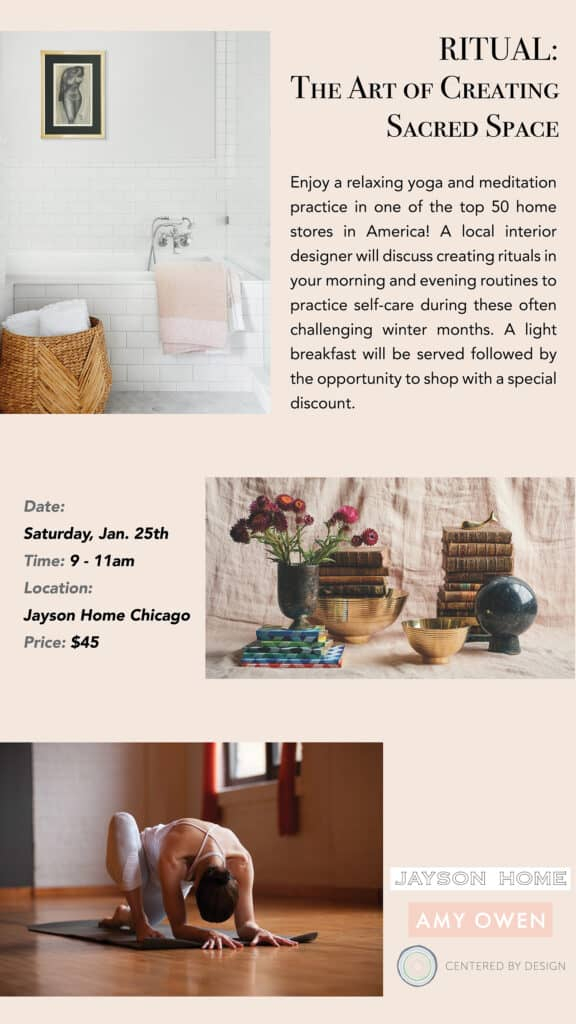
[sps_html tag=”img” src=”https://cdn.theartssection.com/wp-content/uploads/2025/12/creating-sacred-space-at-home-centered-by-design-throughout-creating-sacred-spaces-with-meaningful-canvas-wall-art.jpg” alt=”Creating Sacred Space At Home - Centered By Design throughout Creating Sacred Spaces with Meaningful Canvas Wall Art” style=”width: 100%; height: auto;”]
[sps_html tag=”img” src=”https://cdn.theartssection.com/wp-content/uploads/2025/12/how-to-create-sacred-space-artofit-with-ready2hangart-wrapped-canvas-inspirational-wall-art-mothers-understand.png” alt=”How To Create Sacred Space – Artofit with Ready2Hangart Wrapped Canvas Inspirational Wall Art, Mother's Understand” style=”width: 100%; height: auto;”]
[sps_html tag=”img” src=”https://cdn.theartssection.com/wp-content/uploads/2025/12/creating-sacred-space-by-marinavdesignstudio-our-homes-are-a-sacred-regarding-ready2hangart-wrapped-canvas-inspirational-wall-art-mothers-understand.jpg” alt=”Creating Sacred Space By @Marinavdesignstudio. Our Homes Are A Sacred … regarding Ready2Hangart Wrapped Canvas Inspirational Wall Art, Mother's Understand” style=”width: 100%; height: auto;”]