When you think of Hawaii, images of crystal-clear waters, golden sands, and dramatic coastlines come to mind. But beyond the postcard-perfect scenes lies a complex tapestry of geological wonders, cultural traditions, and ecological marvels that make each beach unique. These coastal gems aren’t just vacation destinations – they’re living stories of Earth’s dynamic forces and the people who have called these shores home for generations.
The Hawaiian Islands are more than just a collection of tropical paradises. They’re a geological playground where ancient volcanic activity meets the Pacific Ocean, creating beaches that range from black sand wonders to white coral formations. Every shoreline tells a story – some about the island’s formation millions of years ago, others about the people who have lived along these coasts for over a thousand years. The beaches of Hawaii aren’t just pretty pictures for Instagram; they’re vital ecosystems, cultural landmarks, and natural laboratories all rolled into one.
Geological Origins and Unique Beach Types
Hawaii’s beaches are born from volcanic forces that have shaped the islands over millions of years. The Big Island alone hosts an incredible variety of beach types, each telling a different story about the island’s geology.
Volcanic beaches form when lava flows meet the ocean. As molten rock hits the water, it creates dramatic explosions and rapid cooling that forms distinctive black sand. These beaches, like those found near Kona or Puna, offer visitors a chance to walk on sand that’s literally made from cooled lava glass. The contrast between the dark volcanic material and the bright blue ocean creates a striking visual experience.
Coral reefs play a major role in shaping many of Hawaii’s beaches. When waves crash against reef structures, they break apart coral fragments and create fine white sand. These beaches, particularly common around Oahu and Maui, feature sand that’s almost powdery in texture. The coral also provides crucial habitat for marine life, making these areas important for both tourism and conservation.
Some beaches showcase a mix of both volcanic and coral influences. These hybrid environments often provide the most diverse ecosystems, supporting everything from tiny marine creatures to larger fish species that tourists love to see. The interplay between these different geological processes creates an ever-changing landscape that visitors can witness firsthand.
Cultural Significance and Traditional Practices
For Native Hawaiians, beaches represent much more than recreational spaces. They’re sacred sites with deep spiritual connections and historical importance. Ancient Hawaiians developed sophisticated practices around coastal areas that still influence modern culture.
Traditional fishing methods were closely tied to beach locations. Fishermen would use specific areas for different types of catches, understanding how tides, currents, and seasonal changes affected marine life. These knowledge systems helped communities sustainably harvest seafood while maintaining healthy ocean ecosystems.
Many beaches served as gathering places for important ceremonies and celebrations. The famous Waimea Bay on Oahu was once used for traditional hula performances, where dancers would perform near the water’s edge to honor the ocean’s power and beauty. These cultural traditions continue today, though they’ve evolved to fit modern contexts.
The concept of ‘malu’ – representing the connection between land and sea – is central to Hawaiian philosophy. This belief system means that beaches aren’t separate from the rest of nature but part of a larger interconnected whole. Visitors who understand this perspective often find their beach experiences more meaningful and respectful.
Marine Life and Conservation Efforts
Hawaii’s beaches support incredibly diverse marine ecosystems. From tiny plankton to massive whales, the waters surrounding these shores host an array of creatures that depend on healthy coastal environments.
The waters around Hawaii are home to several endangered species including Hawaiian monk seals, green sea turtles, and various shark species. These animals rely on beaches for nesting, feeding, and breeding. For example, female Hawaiian monk seals give birth on remote beaches where they can raise their pups safely away from predators.
Conservation efforts focus heavily on protecting these vulnerable populations. Beach cleanups happen regularly, especially during nesting seasons when sea turtles lay their eggs. Volunteers work to remove debris that might harm nesting animals or block hatchlings from reaching the ocean.
Coral bleaching events have become increasingly common due to warming ocean temperatures. Scientists monitor reef health closely, and local organizations educate visitors about responsible snorkeling and diving practices. Many beaches now feature educational signage explaining how simple actions like not touching corals or using reef-safe sunscreen can make a significant difference.
The presence of marine life directly impacts beach activities. Whale watching tours are popular because humpback whales migrate to Hawaiian waters during winter months. These gentle giants often breach near shore, creating spectacular displays that draw thousands of visitors annually.
Seasonal Variations and Weather Patterns
Hawaii’s beaches change dramatically with the seasons, offering different experiences throughout the year. Understanding these patterns helps visitors plan better and appreciate the natural rhythms of island life.
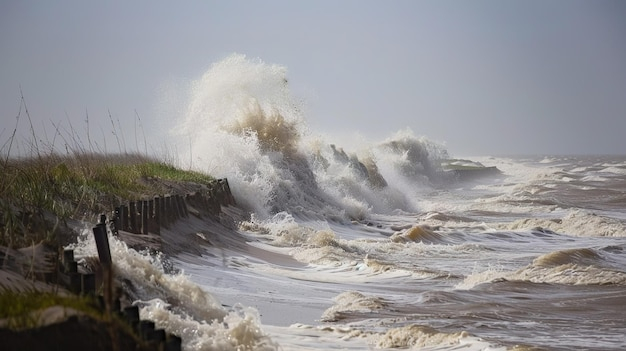
Winter months bring bigger swells and stronger currents, making some beaches less suitable for swimming but perfect for experienced surfers. The north shores of Oahu and Maui become prime surfing destinations during this time, with waves reaching heights of 15 feet or more. These conditions also create beautiful foam patterns along the shoreline that attract photographers.
Summer brings calmer seas and warmer water temperatures, making many beaches ideal for families. The south shores of the islands typically offer the best swimming conditions year-round, with gentle waves and clear water. This season also coincides with peak tourist numbers, so beaches can get crowded.
Hurricane season, which runs from June through November, affects beach access and safety. While Hawaii rarely experiences direct hurricane impacts, the weather systems can cause dangerous conditions. Beach closures during storm season are common, and visitors should always check local warnings before heading to the coast.
Weather variations also impact wildlife behavior. During certain seasons, specific marine species migrate to Hawaiian waters, changing the underwater experience for snorkelers and divers. The timing of these migrations can determine whether visitors will see rare species like manta rays or whale sharks.
Beach Safety and Responsible Tourism
Hawaii’s stunning beaches come with their own set of safety considerations that every visitor should understand. The ocean can be unpredictable, even in seemingly calm conditions.
Rip currents are among the most dangerous hazards for beachgoers. These powerful channels of water can pull swimmers away from shore faster than they can swim back. Learning to recognize rip current signs and knowing how to escape them properly can save lives. Many beaches have lifeguard stations, but visitors should never assume they’re completely safe.
Marine life encounters require caution and respect. While most sea creatures are harmless, some can be dangerous if provoked. Sharks are present in Hawaiian waters, though attacks are extremely rare. Jellyfish and other stinging creatures also pose risks during certain times of year. Wearing protective gear like rash guards and reef-safe sunscreen helps minimize these risks.
Responsible tourism practices protect both the environment and future visitors. Littering, disturbing wildlife, or removing natural items from beaches creates problems for local ecosystems. Many beaches now feature recycling programs and educational materials to encourage sustainable practices.
The impact of tourism on beach environments is significant. Popular beaches like Waikiki can struggle with overcrowding and environmental stress. Supporting local businesses and choosing eco-friendly accommodations helps distribute tourism benefits more evenly across island communities.
Practical Tips for Beach Visitors
Planning a visit to Hawaii’s beaches requires some preparation to ensure maximum enjoyment and minimal environmental impact.
Best times to visit popular beaches are early morning or late afternoon. These hours avoid peak crowds and offer better lighting for photography. Sunrise and sunset times vary throughout the year, so checking local schedules helps maximize these natural spectacles.
Essential beach gear includes sun protection, water, and appropriate footwear for walking on rocky or hot surfaces. Many beaches have no shade or facilities, so bringing supplies ensures comfort. Reef-safe sunscreen is crucial for protecting coral reefs from chemical damage.
Different beaches offer varying amenities. Some provide showers, restrooms, and picnic areas, while others are more primitive and require self-sufficiency. Researching beach characteristics before visiting helps manage expectations and prepare appropriately.
Local regulations vary between islands and even different sections of the same beach. Some areas prohibit dogs, others restrict certain activities, and some require permits for camping. Checking current rules prevents unpleasant surprises and shows respect for local customs.
Weather conditions can change rapidly in Hawaii. Carrying a light jacket for cooler evenings and being prepared for sudden rain showers makes trips more comfortable. Coastal winds can be stronger than expected, affecting visibility and wave conditions.
Hawaii’s beaches represent far more than just beautiful locations for vacation photos. They’re complex ecosystems shaped by millions of years of geological activity, deeply rooted in cultural traditions, and essential to the islands’ identity. Understanding the stories behind each shoreline – from the volcanic origins of black sand beaches to the spiritual significance of sacred coastal sites – adds layers of appreciation to every visit.
Whether you’re seeking adventure in powerful waves, peace among pristine coral formations, or simply want to connect with nature’s grandeur, Hawaii’s beaches offer something special for everyone. The key is approaching these natural treasures with respect, awareness, and curiosity. When we understand that we’re guests in these environments, our interactions become more meaningful and our visits contribute positively to preserving these magical places for future generations.
The next time you stand on a Hawaiian beach, remember that you’re not just witnessing natural beauty – you’re participating in a story that spans millennia and connects humanity with the ocean in ways that transcend ordinary travel experiences.
[sps_html tag=”img” src=”https://cdn.theartssection.com/wp-content/uploads/2025/12/hawaii-beach-photo-collage-kit-150-aesthetic-prints-etsy-in-exploring-the-artistic-essence-of-hawaii-beach-dimensional-collage-wall-art.jpg” alt=”Hawaii Beach Photo Collage Kit - 150 Aesthetic Prints - Etsy in Exploring the Artistic Essence of Hawaii Beach Dimensional Collage Wall Art” style=”width: 100%; height: auto;”]
[sps_html tag=”img” src=”https://cdn.theartssection.com/wp-content/uploads/2025/12/hawaii-beach-photo-collage-kit-150-aesthetic-prints-etsy-intended-for-exploring-the-artistic-essence-of-hawaii-beach-dimensional-collage-wall-art.jpg” alt=”Hawaii Beach Photo Collage Kit - 150 Aesthetic Prints - Etsy intended for Exploring the Artistic Essence of Hawaii Beach Dimensional Collage Wall Art” style=”width: 100%; height: auto;”]
[sps_html tag=”img” src=”https://cdn.theartssection.com/wp-content/uploads/2025/12/retro-hawaii-travel-print-hawaii-wall-art-hawaiian-decor-etsy-intended-for-hawaii-beach-dimensional-collage-framed-graphic-art-under-glass-wall-art.jpg” alt=”Retro Hawaii Travel Print Hawaii Wall Art Hawaiian Decor | Etsy intended for "Hawaii Beach" Dimensional Collage Framed Graphic Art Under Glass Wall Art” style=”width: 100%; height: auto;”]
[sps_html tag=”img” src=”https://cdn.theartssection.com/wp-content/uploads/2025/12/beach-collage-wall-art-at-tara-stallworth-blog-pertaining-to-hawaii-beach-dimensional-collage-framed-graphic-art-under-glass-wall-art-scaled.jpg” alt=”Beach Collage Wall Art At Tara Stallworth Blog pertaining to "Hawaii Beach" Dimensional Collage Framed Graphic Art Under Glass Wall Art” style=”width: 100%; height: auto;”]
[sps_html tag=”img” src=”https://cdn.theartssection.com/wp-content/uploads/2025/12/hawaii-aesthetic-hawaii-art-hawaiian-background-aesthetic-pastel-intended-for-exploring-the-artistic-essence-of-hawaii-beach-dimensional-collage-wall-art.jpg” alt=”Hawaii Aesthetic | Hawaii Art, Hawaiian Background, Aesthetic Pastel … intended for Exploring the Artistic Essence of Hawaii Beach Dimensional Collage Wall Art” style=”width: 100%; height: auto;”]