There’s something deeply satisfying about looking at wall art that tells a story. When you gaze upon a beautifully woven straw panel or a meticulously stitched linen design, you’re witnessing centuries of tradition, skill, and artistic expression. These aren’t just decorative items – they’re tangible connections to cultures that have preserved their craft through generations. What makes these pieces so special isn’t just their visual appeal, but the countless hours of dedication and passion that go into each one.
In a world filled with mass-produced items and digital distractions, handcrafted wall decor offers something precious: authenticity. The gentle curves of woven straw, the subtle textures of linen fibers, and the careful placement of each thread tell stories that transcend mere decoration. These pieces don’t just hang on walls; they breathe life into spaces, creating focal points that invite conversation and contemplation. Whether you’re drawn to the rustic charm of straw or the elegant simplicity of linen work, there’s a world of craftsmanship waiting to be discovered. The beauty lies not just in the final product, but in understanding how artisans transform simple materials into extraordinary works of art.
The Timeless Materials: Straw and Linen
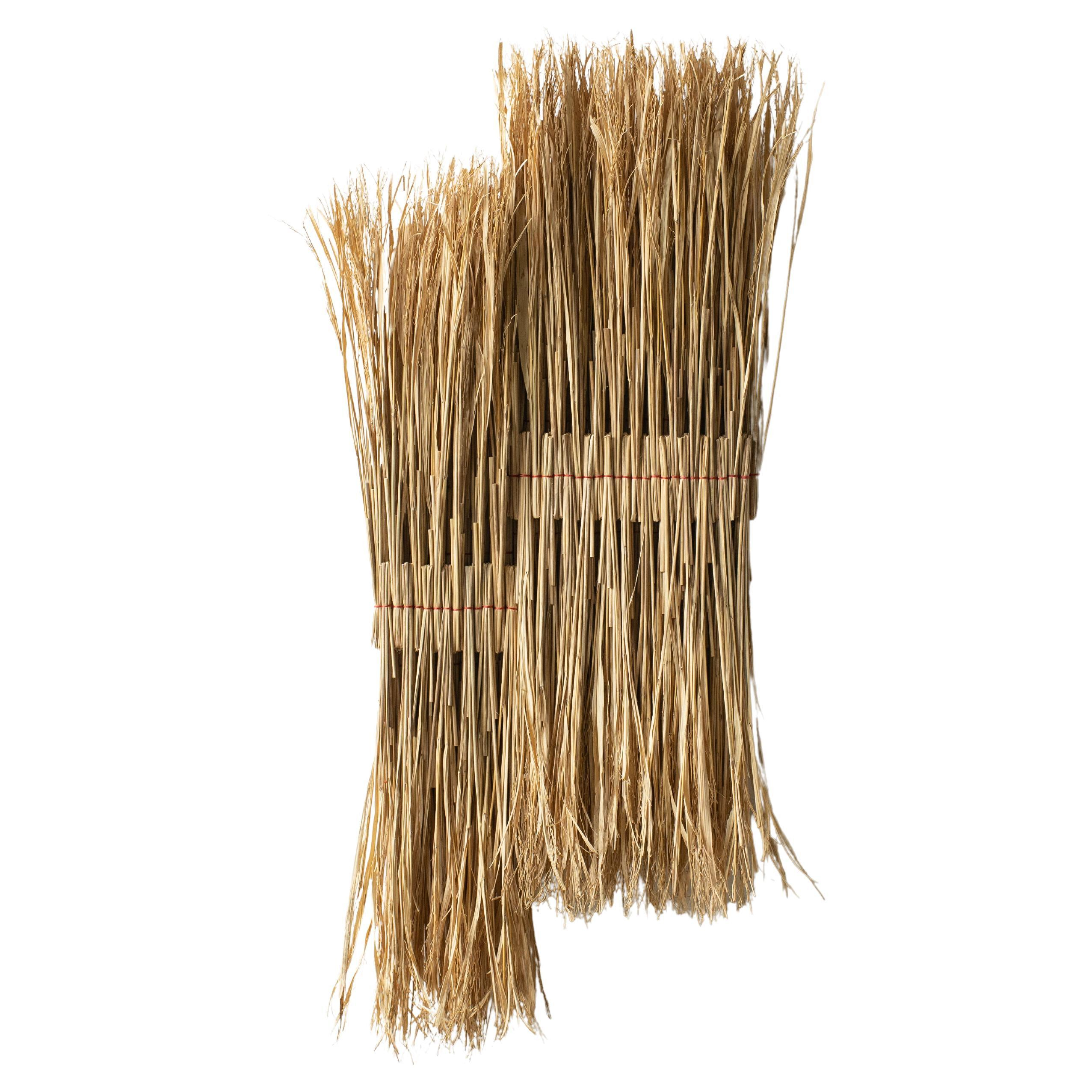
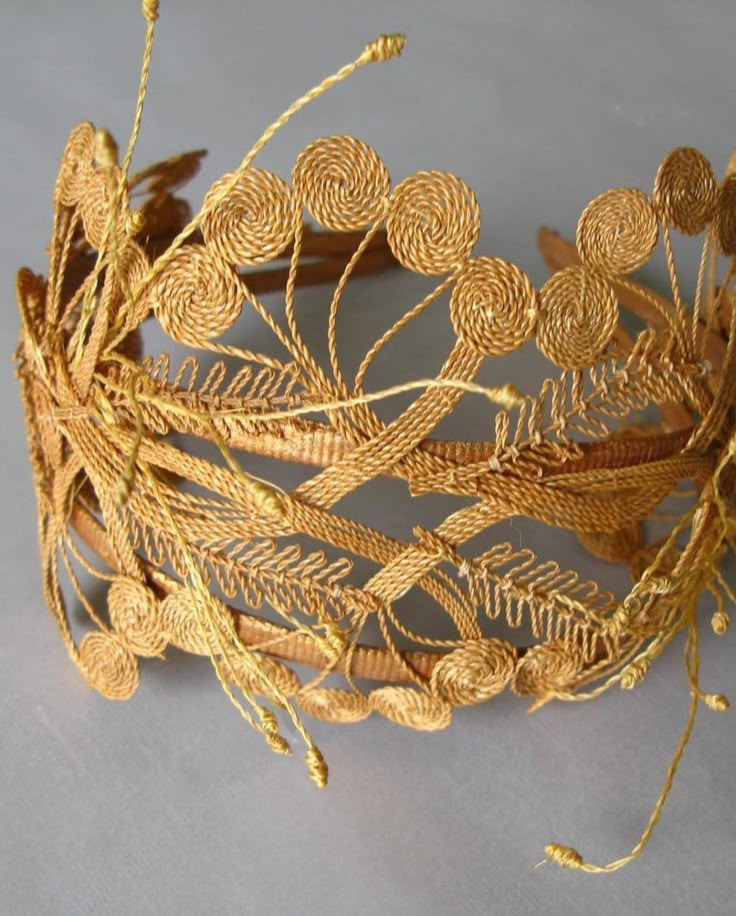
Straw and linen might seem like humble materials, but when transformed by skilled hands, they become vessels for artistic expression. Straw, often sourced from wheat, rice, or bamboo, provides a natural foundation that’s both durable and flexible. The process begins with careful selection – artisans choose the finest stalks, ensuring they’re dry and strong enough to withstand the weaving process. The straw undergoes several treatments before it reaches the craftsman’s hands. It gets cleaned, dried, and sometimes bleached to achieve the desired color palette. Some artists prefer the natural golden hues, while others opt for more dramatic shades that complement their intended designs.
Linen, derived from the flax plant, offers a different kind of elegance. Its fibers are naturally strong and have been used for textiles since ancient times. When working with linen for wall decor, artisans must consider the weave structure, the thickness of individual threads, and how the material will drape and hold shape. The linen is often pre-treated to remove any impurities and ensure uniformity. This preparation phase is crucial because even small variations in the fabric can affect the final outcome. Both materials possess unique properties that make them ideal for wall art, offering texture, warmth, and a connection to natural elements that modern synthetic alternatives simply cannot replicate.
Traditional Techniques Passed Down Through Generations
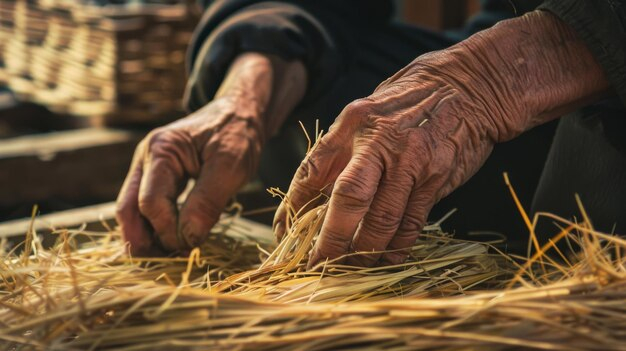
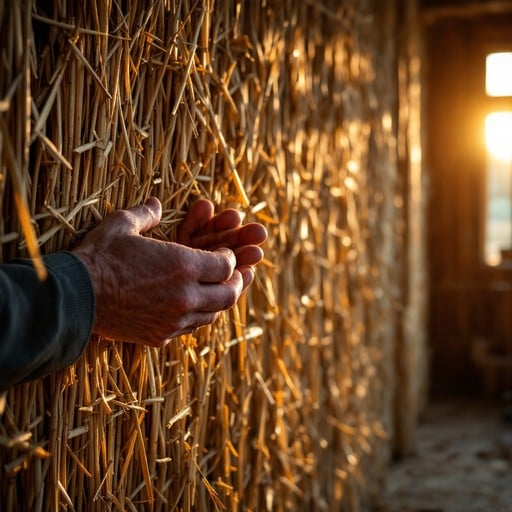
The methods used to create straw and linen wall decor have been refined over centuries, with each generation adding their own innovations while preserving core techniques. In many cultures, these skills are learned through apprenticeships rather than formal education. Young artisans spend years learning the proper way to handle materials, understand the subtle differences between various types of straw, and master the rhythm of repetitive motions that create beautiful patterns. The weaving process itself requires incredible patience and precision. For straw work, artisans often begin with a basic frame or support structure, then carefully weave the straw in specific patterns using traditional knots and connections. Some techniques involve creating complex geometric designs, while others focus on organic shapes that mimic nature.
Linen wall art often involves embroidery, stitching, or weaving techniques that require exceptional skill. The most common approach uses a loom system where threads are interwoven to create specific patterns. Some artisans prefer freehand stitching, allowing for more organic and expressive designs. These traditions vary significantly across regions – what’s considered standard practice in one area might be completely different elsewhere. The knowledge isn’t just technical; it includes understanding seasonal availability of materials, local climate effects on processing, and cultural symbolism embedded in certain patterns. Many of these traditions are slowly disappearing as younger generations gravitate toward modern careers, making preservation efforts increasingly important.
Cultural Significance and Symbolic Meanings
Every pattern, every color choice, and every technique in straw and linen wall decor carries cultural weight. In many societies, these decorative elements serve purposes beyond aesthetics. They might represent fertility, prosperity, protection, or spiritual beliefs. For instance, certain geometric patterns in straw weaving might symbolize the cycles of nature, while specific linen embroidery motifs could tell stories of local folklore or historical events. The colors chosen often reflect regional traditions and seasonal celebrations. Earth tones frequently appear in rural areas, representing connection to land and agriculture, while brighter colors might indicate urban influences or festive occasions.
Some communities have specific rules about who can create certain designs or use particular symbols. In some places, only women may create certain types of straw work, while others restrict particular linen patterns to married couples or specific social classes. These restrictions aren’t merely arbitrary – they preserve cultural identity and ensure that traditional knowledge remains sacred within appropriate contexts. Understanding these meanings adds layers of appreciation to viewing such artwork. When you see a particular pattern, you’re not just looking at a pretty design; you’re experiencing cultural memory encoded in fiber and form.
Modern Interpretations and Contemporary Applications
While traditional techniques remain important, contemporary artisans are finding new ways to incorporate straw and linen into modern living spaces. Today’s designers often blend classic methods with current aesthetic preferences, creating pieces that honor heritage while appealing to modern sensibilities. You might find a traditional straw basket-style wall hanging reimagined with contemporary color palettes, or linen panels that combine ancient stitching techniques with minimalist design principles. These adaptations don’t diminish the traditional aspects; instead, they keep the art form alive and relevant.
The versatility of these materials allows for creative applications that extend far beyond conventional wall hanging. Some artists create ceiling installations, others develop modular systems that can be reconfigured, and still others integrate lighting elements to enhance the natural textures. The key is maintaining respect for the original processes while embracing innovation. Many successful contemporary pieces achieve this balance by using traditional materials but applying them to modern architectural elements or combining them with other natural materials like wood or stone. This evolution keeps the craft vibrant and ensures its continuation in changing times.
Care and Maintenance for Longevity
Proper care ensures that straw and linen wall decor maintains its beauty for decades. These natural materials respond well to gentle handling and appropriate environmental conditions. Humidity control is particularly important – too much moisture can cause straw to deteriorate or linen to mildew, while overly dry conditions might make materials brittle. Most experts recommend keeping display areas at moderate humidity levels, typically between 40-60 percent.
Regular dusting with soft brushes or clean cloths helps prevent buildup that could damage surfaces over time. Avoid using harsh chemicals or cleaning products that might alter the natural appearance of either material. For deeper cleaning, many artisans recommend spot-cleaning with mild soap solutions and allowing items to air dry completely. Some pieces benefit from periodic airing out in fresh air, especially if they’ve been stored for extended periods. It’s also wise to avoid direct sunlight exposure, which can fade colors and weaken fibers over time. When properly maintained, these pieces can become family heirlooms, passed down through generations with stories and memories attached to them.
Where to Find Authentic Handcrafted Pieces
Locating genuine handcrafted straw and linen wall decor requires research and sometimes a bit of detective work. Many pieces come from artisan cooperatives, traditional markets, or specialized galleries that focus on handmade crafts. These sources often provide information about the creator, the techniques used, and the cultural background of each piece. Reputable sellers will typically share details about the materials, the time invested in creation, and sometimes even the story behind specific designs.
Online platforms have made these pieces more accessible, though buyers must exercise caution to verify authenticity. Look for sellers who provide detailed photographs showing construction techniques, material quality, and provenance information. Some reputable sources include international craft fairs, cultural centers, and established artisan networks. Asking questions about the crafting process, materials used, and whether pieces are truly handmade can help distinguish authentic work from mass-produced imitations. Additionally, many regions have local craftspeople who create these items, so visiting local markets or artisan workshops can provide direct access to creators and their work. The personal connection with the artist often adds significant value to the purchase experience.
Handcrafted straw and linen wall decor represents far more than simple decoration – it embodies centuries of accumulated wisdom, cultural heritage, and artistic mastery. Every piece tells a story of tradition, skill, and human creativity that connects us to our past while inspiring contemporary design. Whether you’re considering adding one of these remarkable pieces to your home or simply appreciate the artistry involved, understanding the depth of craft behind these items enhances the experience immeasurably. These materials offer a bridge between the natural world and human creativity, providing beauty that feels both timeless and immediate. The investment in authentic handcrafted wall art isn’t just financial – it’s emotional and cultural. Each piece becomes part of your personal narrative, carrying forward the stories and techniques that have been cherished by artisans for generations. The next time you look at a beautifully woven straw panel or a delicate linen design, remember that you’re witnessing more than just art – you’re experiencing the continuation of ancient traditions in modern spaces.
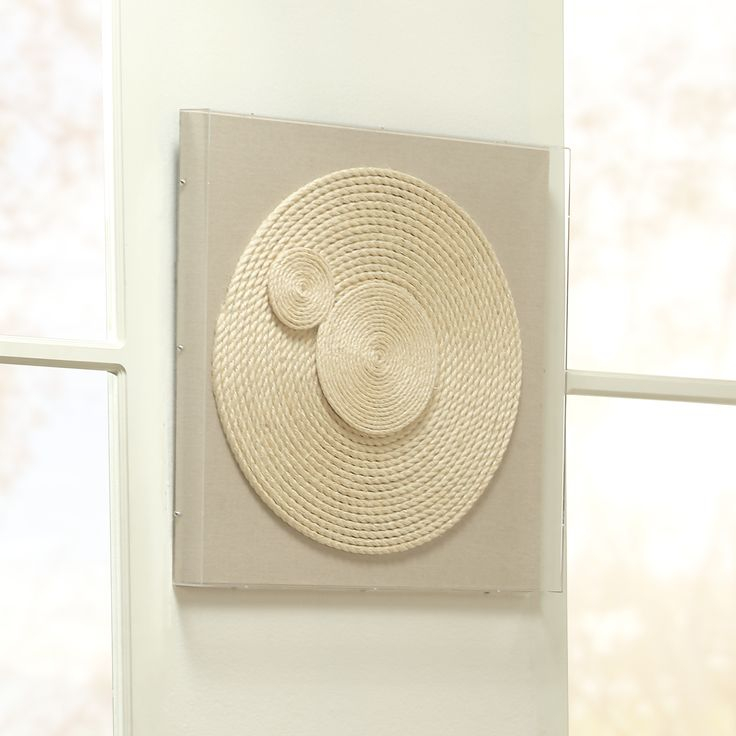
[sps_html tag=”img” src=”https://cdn.theartssection.com/wp-content/uploads/2025/11/wara-art-festival-exploring-the-artistry-and-community-spirit-behind-with-handmade-framed-natural-straw-and-linen-wall-art-decor-23-5×23-5.jpg” alt=”Wara Art Festival: Exploring The Artistry And Community Spirit Behind … with Handmade Framed Natural Straw And Linen Wall Art Decor 23.5"X23.5"” style=”width: 100%; height: auto;”]
[sps_html tag=”img” src=”https://cdn.theartssection.com/wp-content/uploads/2025/11/free-straw-wall-weaving-image-download-at-stockcake-with-regard-to-exploring-the-craftsmanship-behind-straw-and-linen-wall-sculptures.jpg” alt=”Free Straw Wall Weaving Image | Download At Stockcake with regard to Exploring the craftsmanship behind straw and linen wall sculptures” style=”width: 100%; height: auto;”]
[sps_html tag=”img” src=”https://cdn.theartssection.com/wp-content/uploads/2025/11/natures-humble-gold-the-unexpected-elegance-of-straw-craft-straw-pertaining-to-exploring-the-craftsmanship-behind-straw-and-linen-wall-sculptures.jpg” alt=”Nature's Humble Gold: The Unexpected Elegance Of Straw Craft | Straw … pertaining to Exploring the craftsmanship behind straw and linen wall sculptures” style=”width: 100%; height: auto;”]
[sps_html tag=”img” src=”https://cdn.theartssection.com/wp-content/uploads/2025/11/elderly-hands-weaving-straw-together-illuminated-by-soft-natural-light-intended-for-exploring-the-craftsmanship-behind-straw-and-linen-wall-sculptures.jpg” alt=”Elderly Hands Weaving Straw Together Illuminated By Soft Natural Light … intended for Exploring the craftsmanship behind straw and linen wall sculptures” style=”width: 100%; height: auto;”]
[sps_html tag=”img” src=”https://cdn.theartssection.com/wp-content/uploads/2025/11/arko-wall-art-4-contemporary-art-craft-rice-straw-for-sale-at-1stdibs-intended-for-handmade-framed-natural-straw-and-linen-wall-art-decor-23-5×23-5.jpg” alt=”Arko Wall Art 4, Contemporary Art Craft Rice Straw For Sale At 1Stdibs … intended for Handmade Framed Natural Straw And Linen Wall Art Decor 23.5"X23.5"” style=”width: 100%; height: auto;”]