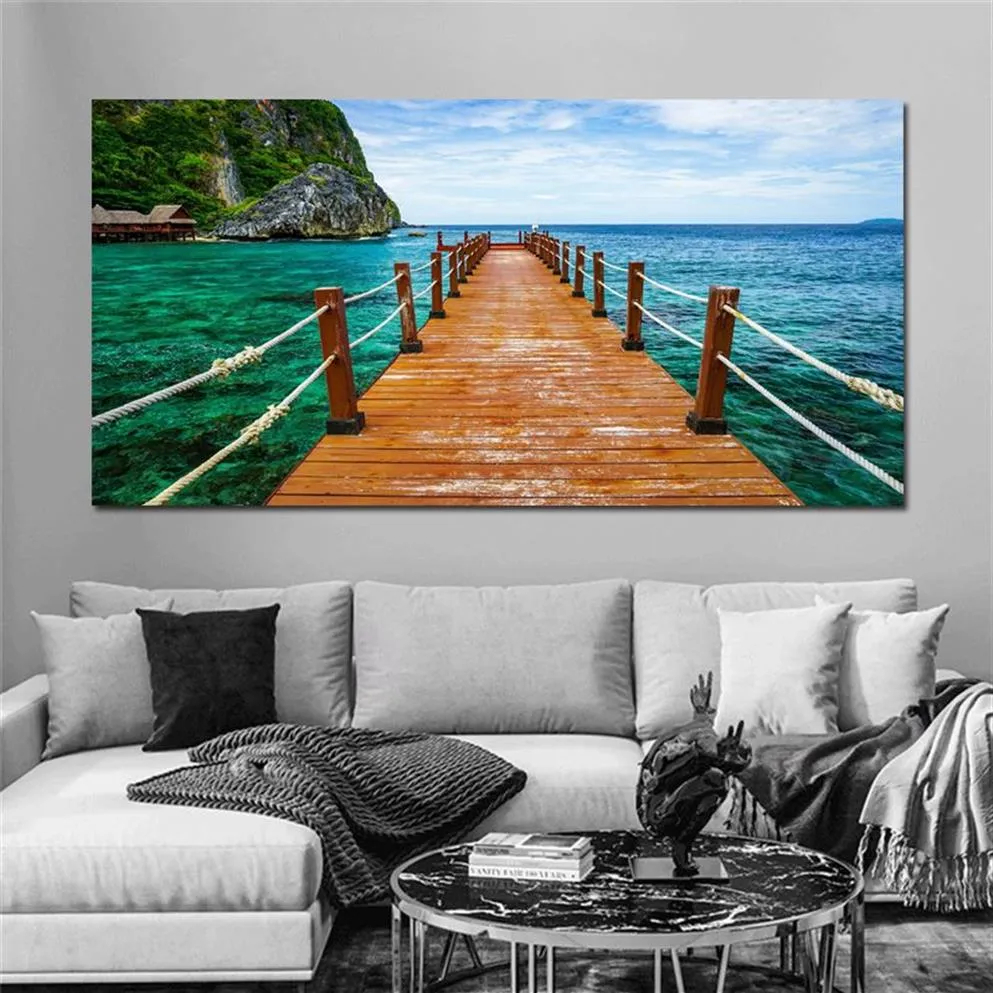
Picture this: You walk into a room and your eyes are immediately drawn to a stunning wooden structure that seems to float on the wall. It’s not just any decoration—it’s a four-panel wooden bridge wall art piece that captures attention and tells a story. But what exactly goes into creating something so mesmerizing? What makes these pieces more than just wood and nails? Let’s explore the fascinating world of craftsmanship that brings these architectural wonders to life.
Four-panel wooden bridge wall art isn’t just another home decor item. It’s a sophisticated blend of engineering precision and artistic vision. These remarkable pieces have become increasingly popular because they combine functionality with aesthetic appeal in ways that traditional wall art simply cannot match. What starts as simple timber can transform into a masterpiece that speaks to both the eye and the soul. The process of creating such artwork involves careful planning, skilled execution, and an understanding of materials that spans generations. Each panel must be perfectly aligned, each joint must be precise, and every detail must contribute to the overall harmony of the piece. Whether you’re considering purchasing one or simply wondering about the magic behind these creations, understanding their craftsmanship reveals why they’ve captured hearts worldwide.
Understanding the Foundation
Every great structure begins with a solid foundation—and that’s no different when crafting four-panel wooden bridge wall art. The base construction relies heavily on proper wood selection, which is crucial for both durability and appearance. Craftsmen typically choose hardwoods like oak, maple, or ash because of their strength and grain patterns. These woods offer natural beauty while providing the structural integrity needed for wall-mounted installations. The thickness of each panel matters too; most artisans use lumber between 1.5 and 2 inches thick to ensure stability. But it’s not just about the wood itself. The way panels are arranged creates the illusion of movement and connection that defines the bridge aesthetic. Each panel must be carefully measured and cut to fit precisely within the overall framework. This requires mathematical precision and an intuitive understanding of how visual weight affects perception. The joints between panels become the focal points where craftsmanship truly shines. These connections aren’t just functional—they’re artistic statements that demonstrate skill and attention to detail.
Design Principles and Layout
Designing a four-panel bridge wall art piece isn’t merely about arranging wood panels—it’s about creating visual balance and rhythm. The layout typically follows principles that make the piece appear to defy gravity while maintaining structural soundness. Many artisans begin with sketches that map out how the panels will interact with each other and the surrounding space. They consider factors like the room’s lighting, existing furniture, and how the piece will be viewed from different angles. The proportions matter enormously. Most successful designs maintain a ratio where the central panels are slightly wider than the outer ones, creating a natural focal point. This creates a sense of motion that draws viewers’ eyes across the entire surface. Some artists incorporate subtle curves or angles that enhance the bridge effect. Others prefer clean lines that emphasize the geometric nature of the design. The key is consistency—every element should work together to reinforce the overall concept. Many master craftsmen spend weeks perfecting their layout before cutting a single piece of wood. This patience pays off in the final result, which appears effortless despite requiring considerable planning.
Joinery Techniques and Construction
The heart of any quality four-panel bridge wall art lies in its joinery. These connections determine whether the piece will last decades or fall apart after months. Traditional craftsmen often employ mortise and tenon joints, which are among the strongest and most elegant methods available. These joints involve cutting precise holes in one piece and fitting another piece snugly into them. The process requires incredible accuracy—any slight misalignment can compromise the entire structure. Some artisans also use dovetail joints, especially for decorative elements where the joinery needs to be visible. These interlocking pieces create a beautiful pattern while ensuring strength. Modern craftspeople might incorporate hidden fasteners or metal brackets for additional support, though many still prefer classic techniques. The glue used is equally important. High-quality wood glues create bonds that exceed the strength of the wood itself. Temperature and humidity control during assembly ensures proper curing. Some master artisans even sand the joints by hand to achieve the perfect smoothness. Every step of the construction process requires patience and attention to detail. The craftsmanship doesn’t end with assembly—the finishing touches make all the difference.
Finishing Touches and Surface Treatment
Once the structure is complete, the finishing process becomes an art form in itself. The surface treatment determines how the wood will age and what it will look like over time. Many craftsmen apply multiple coats of protective finish, often alternating between oil-based and water-based products. This creates layers that protect against moisture while enhancing the natural beauty of the wood grain. Sanding between coats is essential for achieving a smooth, professional finish. Some artisans use specialized brushes or even cloth buffing to create specific textures. The choice of finish can dramatically change the appearance of the same wood. A matte finish might give a rustic feel, while a glossy coat could make the piece appear more modern. Staining is another critical element. Natural wood tones can be enhanced with amber or walnut stains to create warmth or depth. Some pieces feature contrasting colors in the gaps between panels, adding visual interest. The final step often involves applying a clear protective coating that preserves the wood’s natural characteristics while providing long-term durability. This careful attention to surface treatment ensures that the artwork will remain beautiful for years to come.
Installation Considerations and Safety
Even the most beautifully crafted four-panel bridge wall art needs proper installation to reach its full potential. The mounting system plays a crucial role in both safety and aesthetics. Most pieces require special brackets designed specifically for this type of artwork. These brackets must distribute weight evenly across the wall structure to prevent damage. The wall material matters too—drywall, concrete, or brick all require different approaches. Professional installers often recommend using toggle bolts or expansion anchors for heavier pieces. Some craftsmen provide detailed installation instructions, while others offer on-site services. Weight considerations are vital. A typical four-panel piece might weigh anywhere from 20 to 50 pounds depending on wood type and size. Proper mounting hardware can mean the difference between a piece that lasts forever and one that becomes a dangerous hazard. The location also affects the viewing experience. Craftsmen often suggest placing the piece at eye level or slightly above, depending on the room’s dimensions. Lighting can enhance the natural beauty of the wood grain and highlight the architectural elements of the design.
Caring for Your Wooden Bridge Art
Like any fine art, four-panel wooden bridge wall art deserves proper care to maintain its beauty and longevity. Regular dusting with a soft cloth removes debris that might accumulate over time. More thorough cleaning requires gentle wood cleaners that won’t strip the finish. Harsh chemicals or abrasive materials should be avoided at all costs. Humidity control is essential—extreme conditions can cause wood to expand or contract, potentially damaging joints or warping panels. Most craftsmen recommend maintaining indoor humidity levels between 30% and 50%. Direct sunlight exposure can fade finishes over time, so positioning the piece away from windows or using UV-filtering glass is advisable. If any damage occurs, professional restoration is usually necessary rather than attempting DIY repairs. Some collectors even create climate-controlled display areas specifically for their wooden art pieces. The investment in proper care pays dividends in preserving the craftsmanship and beauty of these unique works.
Four-panel wooden bridge wall art represents more than just decorative elements—it embodies centuries of woodworking wisdom combined with contemporary design sensibilities. From selecting the right timber to mastering ancient joinery techniques, each step in the creation process reflects dedication to quality and beauty. These pieces remind us that true craftsmanship isn’t just about creating something that looks good; it’s about building something that will endure. Whether you’re admiring one in a gallery or considering bringing one home, understanding the effort behind these artworks adds appreciation for the artisans who bring them to life. The marriage of engineering precision and artistic vision creates something truly special—art that stands the test of time both visually and structurally. Every panel tells a story, every joint demonstrates skill, and every finished piece celebrates the enduring power of traditional craftsmanship in modern spaces.
[sps_html tag=”img” src=”https://cdn.theartssection.com/wp-content/uploads/2025/12/brown-wooden-boardwalk-to-the-sea-sea-bridge-canvas-art-print-32×16-regarding-wooden-bridge-in-forest-wooden-sea-bridge-canvas-wall-art-4-panels.jpg” alt=”"Brown Wooden Boardwalk To The Sea" Sea Bridge Canvas Art Print, 32"X16 … regarding "Wooden Bridge In Forest" Wooden Sea Bridge Canvas Wall Art, 4 Panels” style=”width: 100%; height: auto;”]
[sps_html tag=”img” src=”https://cdn.theartssection.com/wp-content/uploads/2025/12/rural-bridges-wall-art-prints-framed-prints-and-multi-panel-art-inside-how-wooden-bridge-canvas-art-transforms-indoor-spaces.jpg” alt=”Rural Bridges Wall Art | Prints, Framed Prints And Multi Panel Art … inside How wooden bridge canvas art transforms indoor spaces” style=”width: 100%; height: auto;”]
[sps_html tag=”img” src=”https://cdn.theartssection.com/wp-content/uploads/2025/12/dhgate-comrustic-wooden-bridge-canvas-art-coastal-sea-sunset-wall-throughout-wooden-bridge-in-forest-wooden-sea-bridge-canvas-wall-art-4-panels.jpg” alt=”Dhgate.com:rustic Wooden Bridge Canvas Art - Coastal Sea & Sunset, Wall … throughout "Wooden Bridge In Forest" Wooden Sea Bridge Canvas Wall Art, 4 Panels” style=”width: 100%; height: auto;”]
[sps_html tag=”img” src=”https://cdn.theartssection.com/wp-content/uploads/2025/12/black-and-white-large-wooden-bridge-sea-bridge-canvas-wall-artwork-pertaining-to-wooden-bridge-in-forest-wooden-sea-bridge-canvas-wall-art-4-panels.jpg” alt=”"Black And White Large Wooden Bridge" Sea Bridge Canvas Wall Artwork … pertaining to "Wooden Bridge In Forest" Wooden Sea Bridge Canvas Wall Art, 4 Panels” style=”width: 100%; height: auto;”]
[sps_html tag=”img” src=”https://cdn.theartssection.com/wp-content/uploads/2025/12/the-bridge-canvas-art-bridge-canvas-bridge-wall-art-bassett-mirror-with-regard-to-wooden-bridge-in-forest-wooden-sea-bridge-canvas-wall-art-4-panels.jpg” alt=”The Bridge Canvas Art | Bridge Canvas, Bridge Wall Art, Bassett Mirror with regard to "Wooden Bridge In Forest" Wooden Sea Bridge Canvas Wall Art, 4 Panels” style=”width: 100%; height: auto;”]