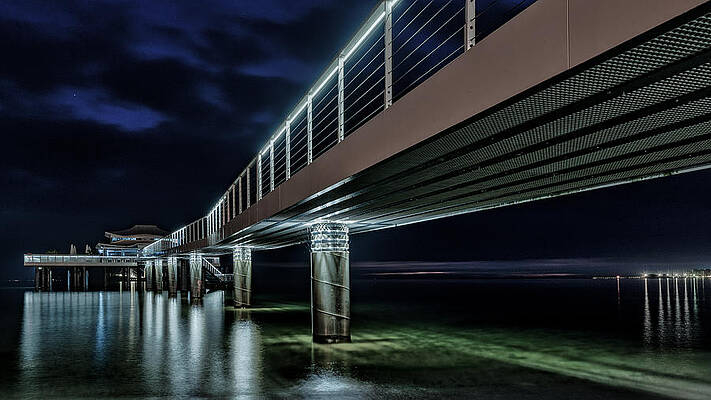
Picture this: a weathered wooden pier stretching out into the endless blue, its grain patterns telling stories of countless sunrises and storms. These aren’t just functional structures – they’re artistic expressions that blend practicality with beauty. The journey from raw wood to stunning ocean pier design involves layers of craftsmanship, imagination, and deep respect for both materials and the elements.
There’s something magical about walking across a wooden pier that seems to float on water. The creak of timber underfoot, the salt spray that dances on the breeze, and the way light plays across weathered planks creates an experience that transcends mere functionality. Every pier tells a story – of the hands that shaped it, the ocean that surrounds it, and the dreams of those who envisioned it. This isn’t just about building something to walk on. It’s about creating art that bridges two worlds, one solid and one fluid, one grounded and one free.
Understanding the Foundation
Before any beautiful structure can rise, there must be a solid foundation. Wooden ocean piers start with understanding the marine environment itself. Saltwater is a formidable adversary, capable of destroying most materials within years if not properly protected. The right choice of wood becomes crucial. Cedar, teak, and Douglas fir stand out because of their natural resistance to rot and marine borers. But even the best timber requires preparation.
Consider the process like preparing a canvas for painting. The wood must be seasoned properly – allowed to dry slowly over months or years. This prevents warping and cracking that could compromise safety. Engineers must also account for wave action, tidal changes, and seasonal variations. A pier designed for calm waters might collapse during a storm surge.
What makes this particularly interesting is how different regions influence design choices. In the Pacific Northwest, where cedar grows abundantly, builders often favor this native wood. Meanwhile, tropical coastal areas might rely more heavily on teak due to its superior weather resistance.
Design Philosophy and Aesthetic Considerations
Great pier designs don’t just function well – they speak to the soul. The aesthetic journey begins long before any saw touches wood. Designers must consider how the pier will interact with its surroundings, not just visually but emotionally. A pier should complement rather than compete with the ocean’s grandeur.
Key principles include:
• Natural flow – The design should follow the natural contours of the shoreline
• Minimal impact – Using fewer materials to preserve the environment
• Timeless appeal – Creating something that won’t look dated in decades
• Safety integration – Making beauty and security work together
One particularly striking example comes from the coast of Maine, where a pier was designed with a gentle curve that mirrors the natural shape of the rocky shore. The result? A structure that feels like it belongs there rather than standing apart from it.
Think about how you’d want to feel when stepping onto such a pier. Do you want to feel overwhelmed by the vastness of the ocean, or do you prefer a sense of connection and intimacy with the water? The answer shapes every plank placement and beam dimension.
Craftsmanship and Construction Techniques
The actual building process resembles a symphony of precision and patience. Each component must fit perfectly, or the entire structure risks failure. The construction begins with the pilings – the vertical supports that anchor everything to the seabed. These require special techniques since they’re constantly exposed to water pressure and movement.
Traditional methods involve driving steel pilings deep into the ocean floor until they reach solid ground. Modern approaches might use concrete foundations or even floating systems in shallower waters. The key is ensuring stability while allowing some flexibility for natural movement.
Once the base is secure, the deck frame takes shape. Here’s where creativity truly flourishes. Builders often use traditional joinery techniques like mortise and tenon joints, which create strong connections without relying solely on nails or screws. These ancient methods have proven their worth over centuries.
The decking itself presents unique challenges. The surface must provide traction for wet feet, resist splintering, and handle constant exposure to UV rays and salt. Many designers now use specialized treatments that enhance the wood’s natural beauty while providing protection.
Material Selection and Treatment Process
Choosing the right wood goes far beyond picking a favorite type. It’s about matching material properties to environmental conditions. When selecting timber for ocean piers, several factors come into play:
• Resistance to marine organisms
• Ability to withstand temperature fluctuations
• Durability under constant moisture exposure
• Sustainability considerations
• Local availability and cost
Cedar excels in resisting decay and insect damage, making it popular for many coastal applications. Teak offers excellent weather resistance and has a naturally golden color that ages beautifully. Oak provides exceptional strength but requires more maintenance.
Treatment processes vary significantly. Some wood receives chemical preservatives that protect against rot and insects. Others rely on natural oils and finishes that highlight the wood’s character. The treatment must balance protection with environmental concerns.
Many contemporary projects use hybrid approaches, combining different wood types or treating sections differently based on their exposure levels. For instance, the areas closest to the water might receive more intensive protection than those further inland.
Safety Features and Regulatory Compliance
Safety isn’t just an afterthought in pier construction – it’s fundamental to every decision made. Regulations vary by location, but common requirements include:
• Proper railing heights and spacing
• Non-slip surfaces on walking areas
• Adequate lighting for nighttime use
• Emergency access points
• Load-bearing capacity calculations
• Environmental impact assessments
The weight distribution becomes critical when considering foot traffic, especially during peak seasons. A typical residential pier might need to support 40 pounds per square foot, while commercial installations could require much higher standards.
In addition to structural safety, designers must also consider environmental protection. This includes preventing erosion, protecting marine life habitats, and using materials that won’t leach harmful substances into the water.
Modern building codes often require regular inspections and maintenance schedules. These aren’t just bureaucratic hoops – they ensure that the pier continues to serve safely for decades. One coastal community found that proper maintenance extended their pier’s lifespan by over 50% compared to neglected structures.
Maintenance and Longevity Strategies
A well-built pier is only as good as its ongoing care. The investment in quality materials and construction pays dividends through reduced maintenance costs over time. Regular upkeep involves several key activities:
• Annual inspection of all structural elements
• Cleaning and reapplication of protective treatments
• Checking for signs of wear or damage
• Ensuring proper drainage to prevent water pooling
• Monitoring for signs of marine organism activity
Most piers benefit from professional maintenance every three to five years. This typically involves sanding worn surfaces, replacing damaged planks, and refreshing protective coatings.
Some innovative approaches focus on sustainability and longevity. One designer developed a system where individual planks can be replaced without dismantling the entire structure. This modular approach extends the pier’s useful life significantly.
The beauty of wooden piers lies in their ability to age gracefully. Rather than looking old, they develop character through weathering. However, this aging process needs guidance – too little attention and the structure fails, too much interference and it loses its natural charm.
Creating a wooden ocean pier is more than just a construction project – it’s a commitment to preserving beauty while honoring nature’s power. Every board, every joint, every carefully planned detail represents an artist’s vision coming to life. These structures become part of the coastal landscape, offering both practical utility and emotional connection to the sea.
The journey from raw timber to finished pier involves understanding materials, respecting environmental forces, and applying both ancient wisdom and modern knowledge. It’s a craft that demands patience, skill, and deep appreciation for the ocean’s majesty.
Whether you’re planning your own coastal project or simply admiring these magnificent structures, remember that behind every well-built pier stands someone who understood that true artistry combines function with beauty. The next time you step onto a wooden pier, take a moment to appreciate not just the engineering, but the creative spirit that brought it to life. That’s what makes these structures more than just bridges to the water – they’re pathways to understanding our relationship with the ocean itself.
[sps_html tag=”img” src=”https://cdn.theartssection.com/wp-content/uploads/2025/12/arts-and-crafts-movement-pptx-in-understanding-the-craftsmanship-behind-sea-bridge-wall-art-panels.jpg” alt=”Arts And Crafts Movement | Pptx in Understanding the Craftsmanship Behind Sea Bridge Wall Art Panels” style=”width: 100%; height: auto;”]
[sps_html tag=”img” src=”https://cdn.theartssection.com/wp-content/uploads/2025/12/the-art-of-murphy-masonry-understanding-the-craftsmanship-behind-the-within-door-open-to-wooden-ocean-pier-wooden-sea-bridge-wall-art-4-panels.jpg” alt=”The Art Of Murphy Masonry: Understanding The Craftsmanship Behind The … within "Door Open To Wooden Ocean Pier" Wooden Sea Bridge Wall Art, 4 Panels” style=”width: 100%; height: auto;”]
[sps_html tag=”img” src=”https://cdn.theartssection.com/wp-content/uploads/2025/12/seabridge-3-painting-by-scott-vogel-fine-art-america-in-door-open-to-wooden-ocean-pier-wooden-sea-bridge-wall-art-4-panels.jpg” alt=”'Seabridge #3' Painting By Scott Vogel - Fine Art America in "Door Open To Wooden Ocean Pier" Wooden Sea Bridge Wall Art, 4 Panels” style=”width: 100%; height: auto;”]
[sps_html tag=”img” src=”https://cdn.theartssection.com/wp-content/uploads/2025/12/seabridge-art-for-sale-fine-art-america-within-understanding-the-craftsmanship-behind-sea-bridge-wall-art-panels.jpg” alt=”Seabridge Art For Sale - Fine Art America within Understanding the Craftsmanship Behind Sea Bridge Wall Art Panels” style=”width: 100%; height: auto;”]
[sps_html tag=”img” src=”https://cdn.theartssection.com/wp-content/uploads/2025/12/the-best-bridge-to-the-city-wall-art-understanding-its-craftsmanship-within-understanding-the-craftsmanship-behind-sea-bridge-wall-art-panels.jpg” alt=”The Best Bridge To The City” Wall Art: Understanding Its Craftsmanship … within Understanding the Craftsmanship Behind Sea Bridge Wall Art Panels” style=”width: 100%; height: auto;”]