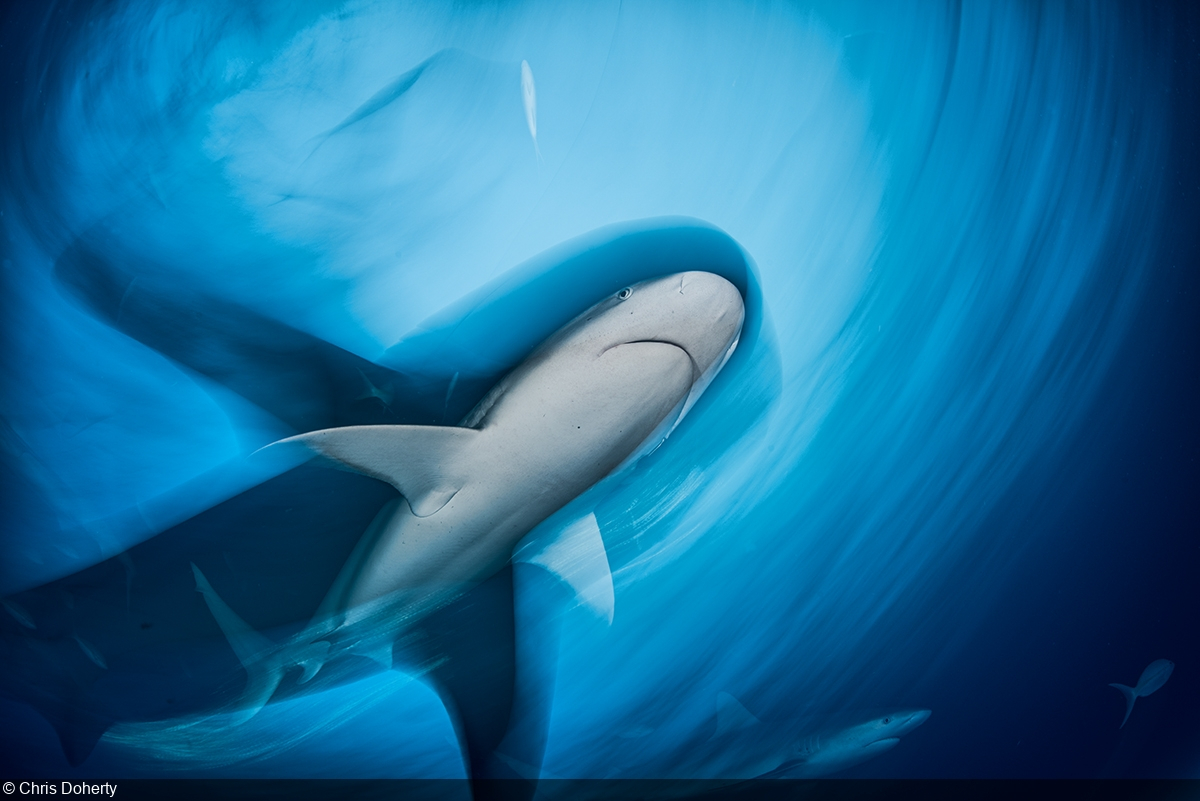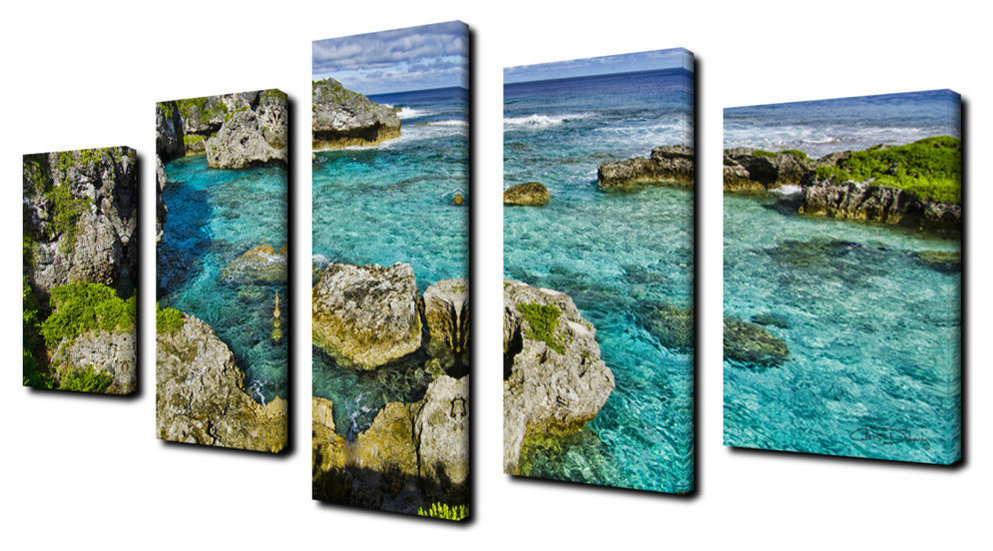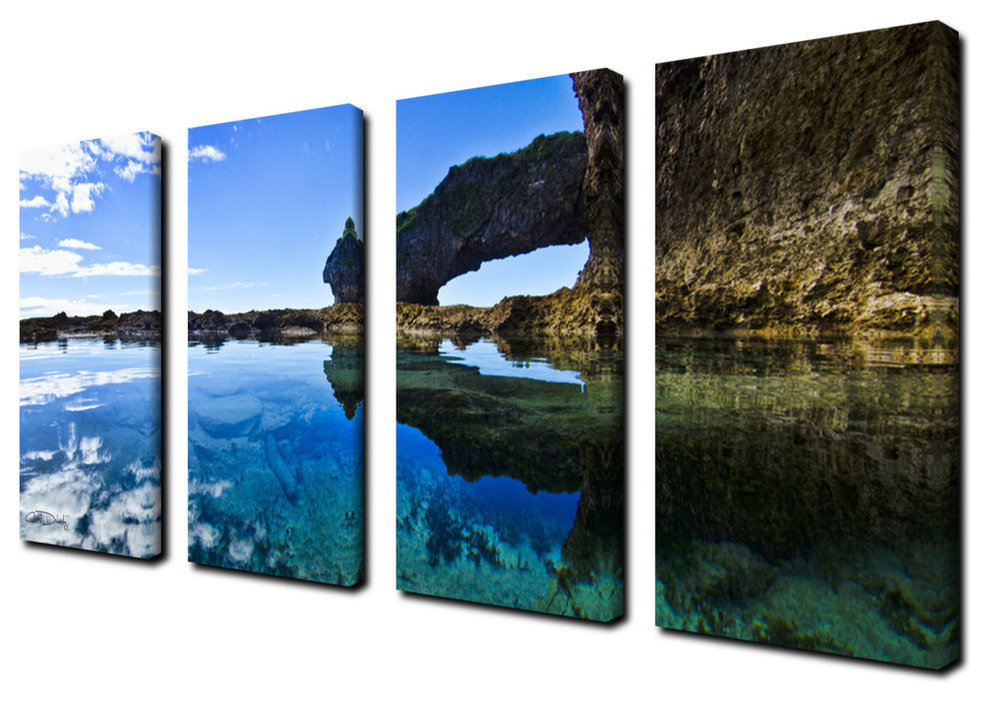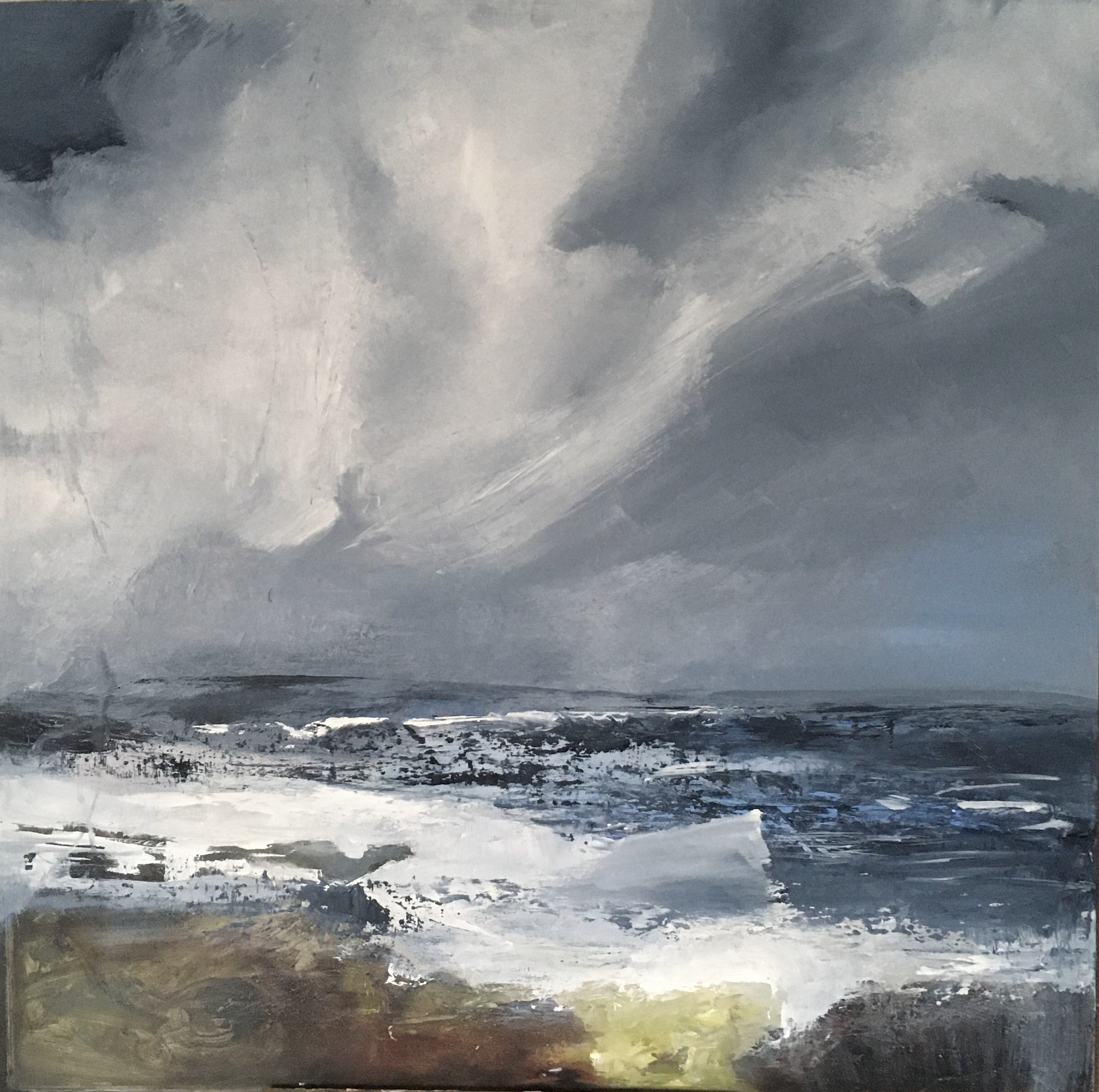
Imagine walking into a room where the walls seem to breathe with life, where each piece tells a story of the deep blue sea. That’s exactly what happens when you encounter the Underwater Rays Duo 5-piece Wall Art Installation. But what really goes into creating something so mesmerizing? Let’s dive into the fascinating world of how artists craft these oceanic masterpieces.
When you first lay eyes on the Underwater Rays Duo 5-piece Wall Art Installation, you’re struck by its sheer beauty and the way it seems to capture the essence of the ocean itself. These aren’t just random shapes stuck on a wall – they’re carefully designed compositions that tell stories of marine life, movement, and the mysterious depths beneath our waves. What many people don’t realize is that bringing such an installation to life involves months of planning, sketching, experimenting, and countless hours of artistic craftsmanship. Every ray, every curve, every color choice has been thought out with intention. It’s like being inside a living aquarium, but instead of glass, you’re surrounded by painted art that moves and breathes with the rhythm of the sea.
The Vision and Conceptualization Phase
Every great artwork starts with a spark – a moment when an idea takes root in an artist’s mind. For the Underwater Rays Duo, that spark came from a deep love for oceanic creatures and a desire to bring their grace and power into indoor spaces. The concept wasn’t simply to paint some rays; it was to create a narrative. The artists wanted to show the fluidity of movement, the elegance of these creatures, and their connection to the vast underwater world.
This initial phase involved extensive research into ray anatomy, swimming patterns, and their behavior in different environments. Artists studied documentaries, visited aquariums, and even took underwater photography classes to truly understand these magnificent beings. They weren’t just painting abstract shapes – they were capturing the spirit of these creatures.
The team realized early on that they needed five pieces to create a complete story. One piece might show a ray gliding through water, another might focus on the powerful tail movement, while yet another could capture the graceful curve of a ray’s body. Each piece needed to stand alone but contribute to the overall composition. It’s similar to how a book has individual chapters but tells one cohesive story.
Design Development and Sketching Process
Once the vision was clear, the real work began. Design development turned into an iterative process of sketching, re-sketching, and re-sketching again. The artists started with rough pencil sketches, mapping out general shapes and positioning. But these weren’t just simple drawings – they were explorations of movement, of how light would hit different parts of the rays, and how the overall composition would flow.
What makes this process particularly challenging is that rays are naturally curved and flowing. Unlike straight lines or geometric shapes, creating realistic curves that look natural requires both artistic skill and deep understanding of organic forms. The artists experimented with various angles, sizes, and proportions. Some sketches showed rays diving deeper into water, others showed them near the surface.
The team also considered how the installation would interact with lighting in different rooms. Would the rays look different under natural sunlight versus artificial lighting? How would shadows play across the different pieces? These practical considerations became part of the design process rather than an afterthought.
During this stage, they often had to make tough decisions about what elements to emphasize and what to simplify. The goal wasn’t to replicate reality perfectly, but to capture the essence of the ocean’s most elegant creatures. Sometimes a small change in the curve of a fin could completely alter the feeling of the entire piece.
Material Selection and Preparation
Choosing the right materials isn’t just about aesthetics – it’s about durability, safety, and achieving the desired visual effects. The artists went through numerous material trials before settling on their final combination. For the main structure, they selected high-quality wood that could support the weight of the painted elements while maintaining structural integrity.
The surface preparation was meticulous. Each piece required sanding, priming, and multiple coats of base colors. The artists wanted a smooth finish that would allow their paints to adhere properly and create the subtle gradients they envisioned. They experimented with different types of primers to find one that wouldn’t interfere with the paint’s ability to blend naturally.
For the actual painting, they used specialized marine-grade acrylics that would withstand humidity changes and last for years without fading. These paints had to be thick enough to create texture but thin enough to flow smoothly. The artists tested dozens of paint combinations, sometimes mixing their own colors to achieve the exact blues and greens they needed.
The preparation phase also included creating molds for certain curved sections. Some parts of the rays needed to have precise curves that would be impossible to achieve freehand. These molds were made from flexible silicone that could capture every nuance of the artist’s vision.
Painting Techniques and Color Theory
Painting underwater rays is no simple task. The artists had to master techniques that would create the illusion of movement and depth within a flat surface. They learned to apply paint in layers, building up color gradually rather than trying to get everything perfect on the first try.
One of the most important aspects was understanding how light behaves underwater. In real ocean conditions, light filters through water differently than it does in air. The artists studied how different depths affect color saturation and how shadows form in aquatic environments. This knowledge helped them create paintings that looked authentically underwater.
They employed several painting techniques to achieve their goals:
• Wet-on-wet application to create smooth transitions between colors
• Dry brushing to add texture and suggest the feel of water against the rays’ skin
• Glazing techniques to create depth and luminosity
• Stippling to simulate the texture of water droplets or bubbles
Color theory played a crucial role too. Instead of using pure blues and greens, they mixed their own hues, adding subtle undertones of purple, yellow, and even orange to create depth and realism. A single ray might have three different shades of blue, each slightly different in tone and intensity.
The artists also understood that different areas of the rays needed different treatment. The top of a ray might be lighter due to sun exposure, while the bottom might appear darker due to lack of light penetration. This attention to detail transformed flat shapes into believable marine creatures.
Installation Planning and Technical Considerations
Creating the artwork is only half the battle – getting it safely installed in the intended location is equally important. The installation team had to consider factors like wall strength, hanging hardware, and the overall weight distribution of the five-piece set.
Each piece weighed several pounds, and together they formed a substantial wall art installation. The team calculated load-bearing capacities and designed custom mounting systems that would distribute weight evenly. They used heavy-duty picture hangers and reinforced brackets to ensure nothing would come loose over time.
The arrangement of the five pieces wasn’t arbitrary either. They designed a specific sequence that would guide viewers’ eyes through the installation, creating a natural flow from one piece to the next. The artists wanted people to experience the full journey of the underwater scene, not just see individual components.
Lighting became a major consideration. The team worked with lighting designers to determine optimal placement and types of lights that would highlight the artwork without causing glare or shadow issues. They found that indirect lighting worked best, casting gentle light that enhanced the colors without overwhelming them.
Another challenge was ensuring consistency across all five pieces. The artists had to maintain the same scale, proportions, and color palette throughout the entire installation. This meant creating detailed templates and measurement guides that could be referenced during the assembly process.
Quality Control and Final Touches
Even after the painting and installation phases, the work wasn’t finished. Quality control became a critical step in ensuring the final product met their high standards. The artists spent weeks reviewing each piece individually and as a group, checking for imperfections, inconsistencies, and areas that needed refinement.
They looked for any paint drips or uneven coverage that might disrupt the smooth flow they’d worked so hard to achieve. Even tiny imperfections could throw off the overall effect, especially since the rays were meant to appear as if they were moving through water.
The final touches often came in unexpected ways. Sometimes a single brushstroke would make the difference between a good piece and a great one. Other times, they discovered that adding a few subtle highlights in certain areas would dramatically improve how the rays appeared to float in space.
The team also created protective coatings for the artwork. These weren’t just aesthetic – they served to preserve the investment of time and materials that went into each piece. The coating had to be clear, durable, and not interfere with the colors or textures of the painting.
Finally, they documented the entire process. This wasn’t just for marketing purposes – it was a way to preserve the knowledge gained during creation. Future projects could learn from this experience, and anyone interested in creating similar installations would have a roadmap to follow.
The Underwater Rays Duo 5-piece Wall Art Installation represents far more than a collection of painted shapes on a wall. It’s a testament to the dedication, creativity, and technical skill required to transform oceanic dreams into tangible art. From the initial spark of inspiration to the final quality checks, every step of the process reflects the artists’ commitment to authenticity and beauty.
What’s remarkable is how this project demonstrates that art isn’t just about creating something beautiful – it’s about telling stories, evoking emotions, and connecting people with nature in ways that transcend the physical space. The rays don’t just hang on a wall; they invite viewers to imagine themselves swimming through the ocean’s depths.
The process also reveals how much goes into creating large-scale art that can stand the test of time. It’s not just about talent – it’s about patience, methodical planning, and attention to detail. Every brushstroke, every color choice, every mounting decision contributes to the final masterpiece. For those who appreciate art that brings nature indoors, installations like this remind us that we don’t need to travel to the ocean to experience its majesty. We can carry a piece of it right into our homes and offices, where it continues to inspire and move people long after the creation process has ended.
[sps_html tag=”img” src=”https://cdn.theartssection.com/wp-content/uploads/2025/12/chris-doherty-art-inside-how-chris-doherty-transforms-marine-imagery-into-canvas-art.jpg” alt=”Chris Doherty Art inside How Chris Doherty Transforms Marine Imagery Into Canvas Art” style=”width: 100%; height: auto;”]
[sps_html tag=”img” src=”https://cdn.theartssection.com/wp-content/uploads/2025/12/chris-doherty-underwater-framed-canvas-wall-art-in-2025-framed-pertaining-to-how-chris-doherty-transforms-marine-imagery-into-canvas-art.jpg” alt=”Chris Doherty 'Underwater' Framed Canvas Wall Art In 2025 | Framed … pertaining to How Chris Doherty Transforms Marine Imagery Into Canvas Art” style=”width: 100%; height: auto;”]
[sps_html tag=”img” src=”https://cdn.theartssection.com/wp-content/uploads/2025/12/photographer-of-the-week-chris-doherty-with-ready2hangart-chris-doherty-underwater-rays-duo-5-piece-canvas-wall-art.jpg” alt=”Photographer Of The Week – Chris Doherty with Ready2Hangart Chris Doherty 'Underwater Rays Duo' 5-Piece Canvas Wall Art” style=”width: 100%; height: auto;”]
[sps_html tag=”img” src=”https://cdn.theartssection.com/wp-content/uploads/2025/12/ready2hangart-chris-doherty-seaglass-iii-5-piece-canvas-wall-art-30-with-regard-to-how-chris-doherty-transforms-marine-imagery-into-canvas-art.jpg” alt=”Ready2Hangart Chris Doherty 'Seaglass Iii' 5-Piece Canvas Wall Art, 30 … with regard to How Chris Doherty Transforms Marine Imagery Into Canvas Art” style=”width: 100%; height: auto;”]
[sps_html tag=”img” src=”https://cdn.theartssection.com/wp-content/uploads/2025/12/ready2hangart-chris-doherty-aqua-rocks-4-piece-canvas-wall-art-24-intended-for-how-chris-doherty-transforms-marine-imagery-into-canvas-art.jpg” alt=”Ready2Hangart Chris Doherty 'Aqua Rocks' 4-Piece Canvas Wall Art, 24 … intended for How Chris Doherty Transforms Marine Imagery Into Canvas Art” style=”width: 100%; height: auto;”]