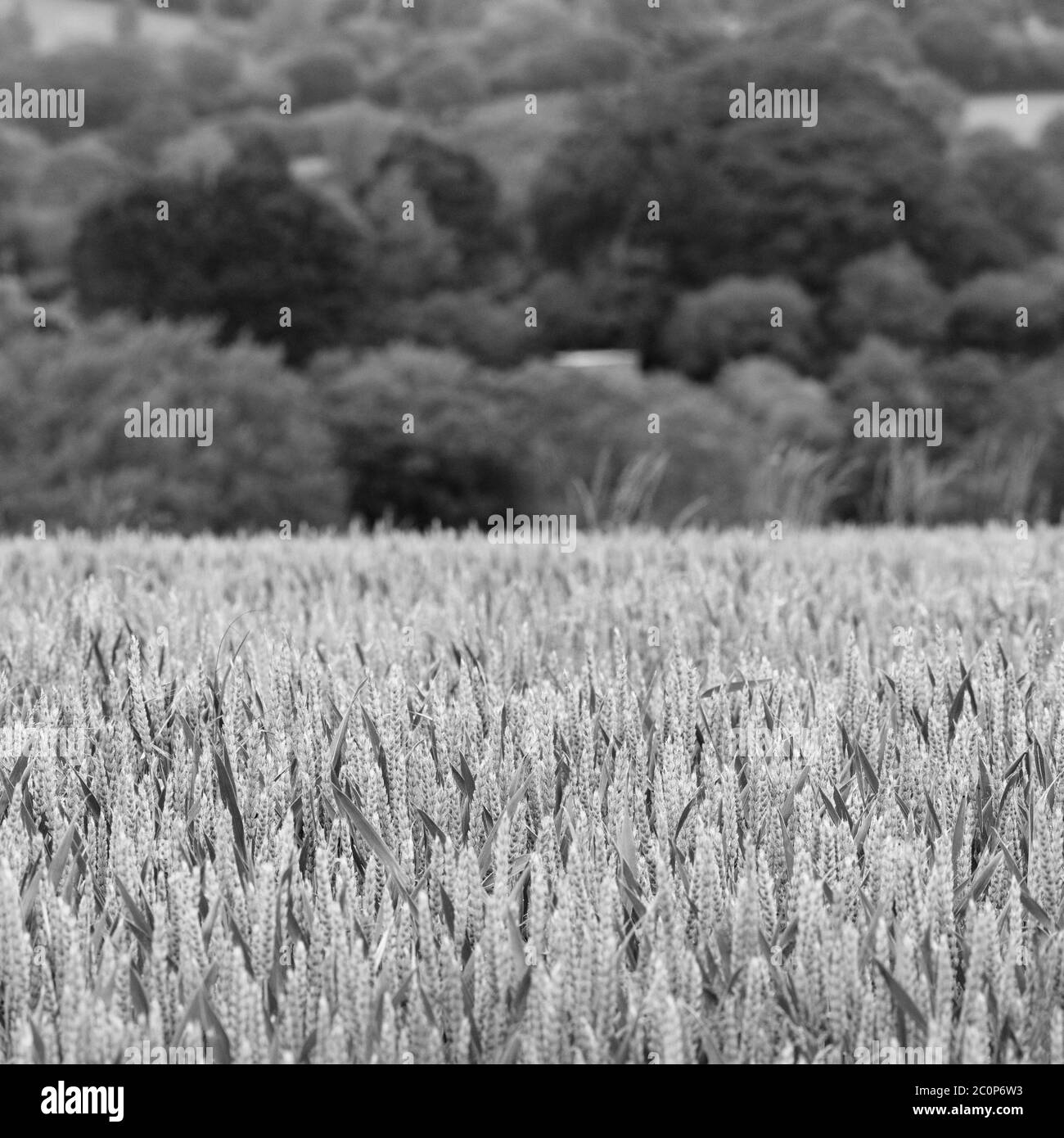
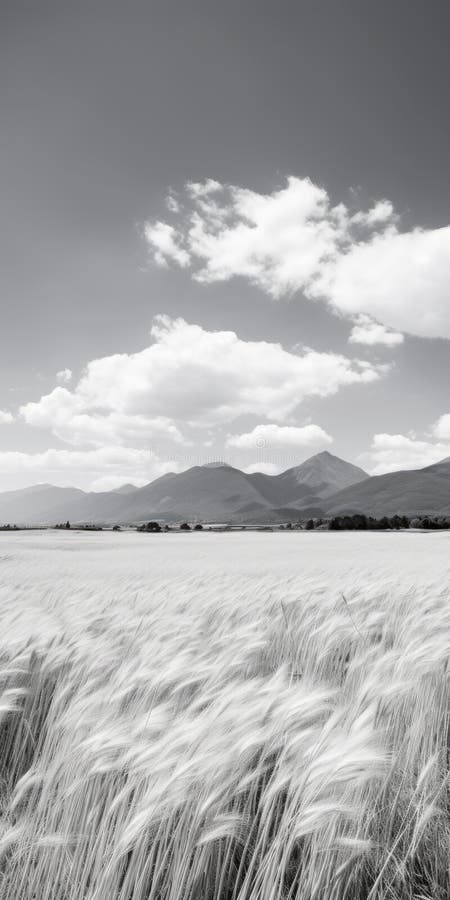
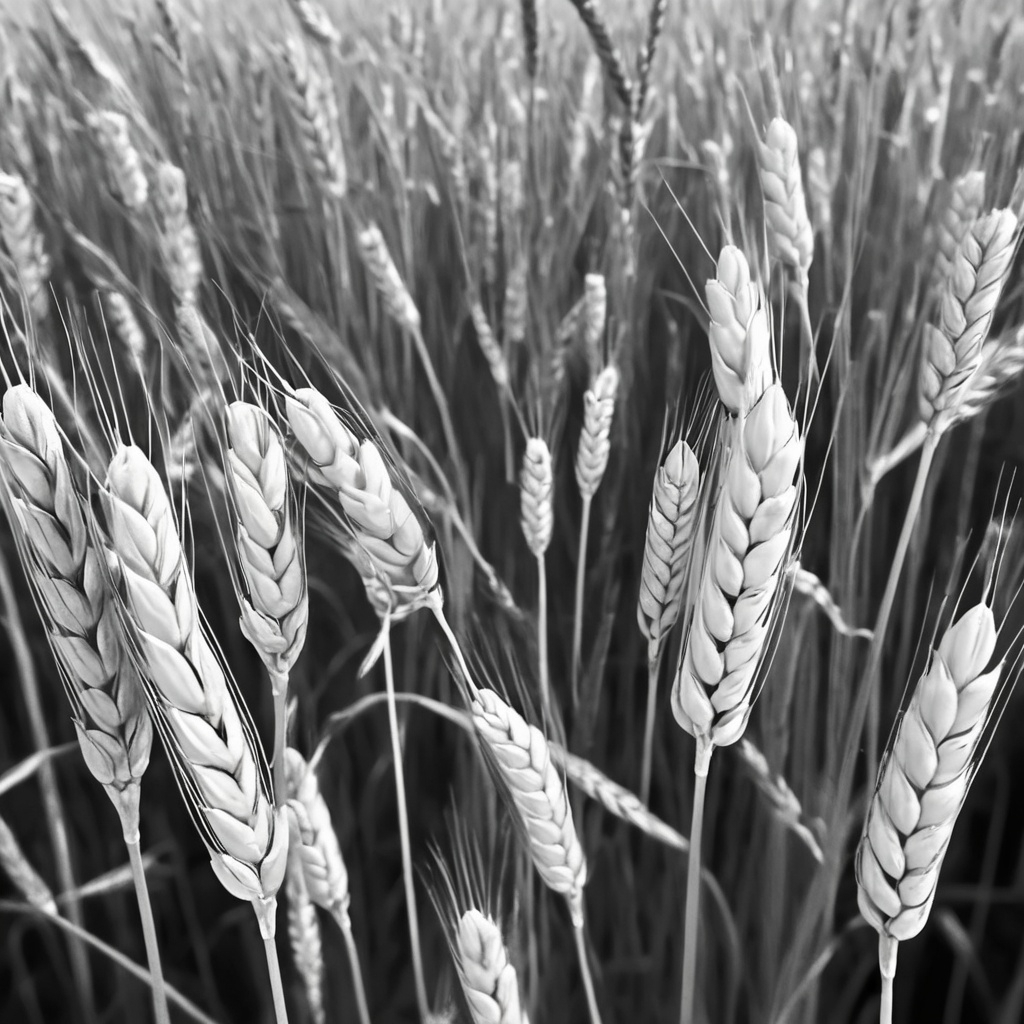
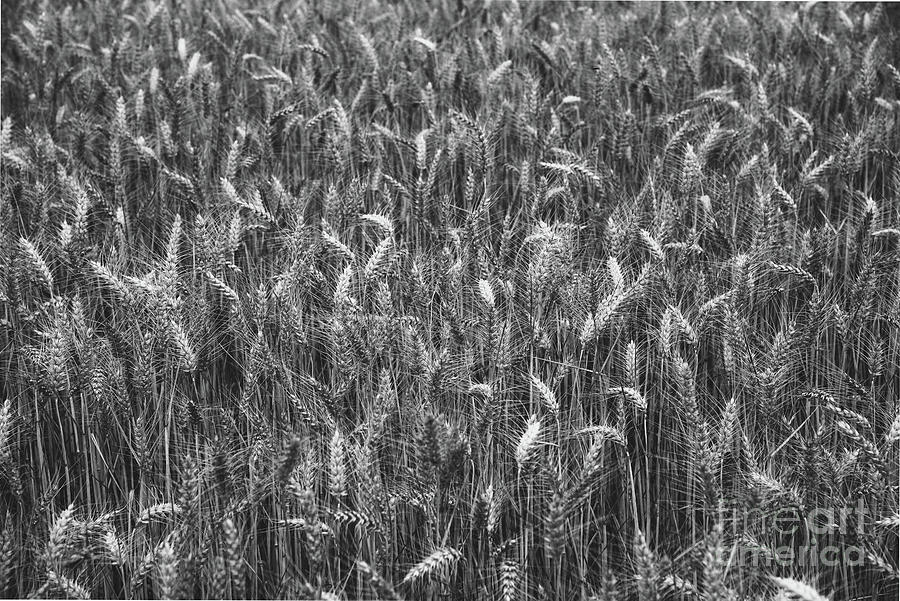
There’s something profoundly moving about a field of wheat under a gray sky, captured in stark contrast between light and shadow. Black and white agricultural photography doesn’t just document the land—it tells stories that span generations, capturing both the struggle and the beauty of farming life. This isn’t just about removing color; it’s about amplifying the raw emotions that lie beneath the surface of rural existence.
Agricultural landscapes have always held a special place in human consciousness. They represent sustenance, heritage, and the eternal dance between humanity and nature. When photographers strip away color from these scenes, they’re left with pure form, texture, and emotion. The absence of hue doesn’t diminish the power of these images—it actually enhances their ability to communicate deep truths about farming communities and their relationship with the earth. Every grain of wheat, every plowed furrow, and every weathered barn becomes a character in a visual narrative that speaks across time and culture.
The Emotional Weight of Monochrome Farming
Black and white photography strips away the distractions of color, allowing viewers to focus entirely on the fundamental elements that define agricultural spaces. The interplay between light and dark creates dramatic tension that color photography simply cannot match. Think about a farmer working alone in a vast field during golden hour—the shadows stretching long across the ground, the silhouette of the person against the horizon. These moments become poetry when rendered in monochrome.
Consider how a simple image of a combine harvester can transform from a mechanical object into a symbol of human labor and perseverance. Without color, the viewer’s attention turns to the machine’s lines, its movement, and the rhythm of its work. The absence of color forces us to see beyond the obvious, to notice details that might otherwise be overlooked.
This emotional honesty is why many photographers find black and white farming imagery so compelling. It captures not just what we see, but what we feel when we stand among the crops or witness the daily grind of farm life.
Mastering Light and Shadow Techniques
The key to powerful black and white agricultural photography lies in understanding how light shapes our perception of the landscape. In farming scenes, light often comes from one direction—usually the sun low on the horizon during sunrise or sunset. This creates natural shadows that emphasize the contours of fields, the structure of barns, and the textures of soil.
Here are some essential techniques:
• Use the golden hours: Early morning and late afternoon light creates long shadows that add dimension to agricultural subjects
• Focus on contrast: Look for scenes where bright areas meet dark ones to create strong visual impact
• Pay attention to texture: Snow-covered fields, weathered wood, and rough soil all respond beautifully to black and white treatment
• Experiment with exposure: Underexpose slightly to preserve highlights and overexpose to enhance shadows
One photographer noted that a particularly striking image came from photographing a cornfield during a storm. The rain had created a shimmering effect on the leaves, while lightning illuminated the sky behind them. The resulting black and white photograph showed not just the corn, but the drama of weather itself.
Composition That Speaks to Farmers and City Dwellers Alike
Effective black and white agricultural compositions must work on multiple levels. They need to appeal to those who live in rural areas and understand the nuances of farming, while also resonating with urban audiences who may never have seen a working farm.
Key compositional elements include:
• Leading lines: Rows of crops, fences, or roads naturally guide the eye through the frame
• Rule of thirds: Place important elements along imaginary grid lines for visual balance
• Foreground interest: Include elements like tools, animals, or footpaths to create depth
• Negative space: Use empty areas to emphasize the scale of agricultural operations
An image of a lone tractor parked in a field works differently than one showing the tractor in motion. The static image emphasizes isolation and contemplation, while a moving tractor suggests energy and purpose. Both approaches are valid and tell different stories about rural life.
Textural Storytelling in Rural Settings
Texture is where black and white photography truly shines in agricultural contexts. The difference between wet soil and dry earth, the rough bark of old trees, and the smooth curves of silos all become more pronounced when color is removed.
Photographers often focus on:
• Soil and terrain: Different textures of dirt, mud, and stone create visual interest
• Building materials: Weathered wood, brick, and metal show their character clearly in monochrome
• Crop surfaces: The way wheat, corn, or soybeans catch and reflect light varies dramatically
• Seasonal changes: Winter bare fields versus spring growth create different textural experiences
A particularly effective approach involves shooting during different seasons to show how the same field transforms. A snow-covered field in winter reveals the underlying topography, while summer growth shows the fullness of plant life. These variations create a visual timeline that tells a complete story.
The Human Element in Monochrome Farm Life
While landscapes dominate much of agricultural photography, the human element adds crucial emotional weight. Black and white photography allows the viewer to focus on expressions, gestures, and actions without being distracted by color.
Consider these approaches:
• Capture candid moments: Farmers at work, children playing near equipment, families gathered after harvest
• Focus on interaction: How people relate to their environment, tools, and each other
• Show the passage of time: Age lines, weathered hands, and worn clothing tell stories of dedication
• Document traditions: Rituals around planting, harvesting, and seasonal celebrations
A powerful example involved photographing a family of farmers preparing for the annual harvest. The image showed three generations working together, their faces illuminated by the setting sun. The black and white treatment emphasized the shared effort and the generational continuity that makes farming such a meaningful vocation.
Technical Considerations for Field Work
Working in agricultural settings presents unique challenges that require technical preparation and flexibility. Equipment choices and camera settings can make or break a shot.
Essential considerations:
• Weather protection: Dust, moisture, and temperature changes affect camera performance
• Battery life: Cold conditions drain batteries faster, especially in rural locations
• Lens selection: Wide-angle lenses capture expansive fields, while telephoto lenses isolate details
• Tripod stability: Fields often have uneven ground that requires careful setup
• Backup storage: Rural areas may lack reliable internet access for immediate file transfer
Many successful black and white agricultural photographers recommend using film cameras for certain projects, as the process encourages more deliberate composition and shooting. Digital cameras offer flexibility, but the slower pace of film can lead to more thoughtful results. Some photographers even use multiple exposures to combine different lighting conditions into a single powerful image.
Beyond the Farm: Cultural and Historical Significance
Black and white agricultural photography carries deeper meanings beyond mere documentation. These images become historical records that preserve cultural practices and changing landscapes. They provide a visual bridge between past and present, showing how farming has evolved while maintaining its fundamental importance to society.
Important aspects include:
• Preserving traditions: Images of traditional farming methods and equipment help future generations understand history
• Environmental change: Comparing old and new photographs shows how land use has shifted over decades
• Community identity: Farming imagery reinforces the connection between people and their local environment
• Economic reality: Images can highlight both the hardships and rewards of agricultural life
A recent project compared photographs from the 1950s to modern images of the same farms. The contrast revealed not just technological advances but also the changing social fabric of farming communities. These visual comparisons serve as powerful reminders of how agriculture continues to shape our world.
Practical Tips for Aspiring Agricultural Photographers
Getting started with black and white agricultural photography doesn’t require expensive equipment or years of experience. Here are some practical steps:
• Start with basic equipment: A good camera and lens combination will produce excellent results
• Practice regularly: Spend time in fields, learning how light changes throughout the day
• Study classic photographers: Look at the work of those who have successfully captured rural life
• Join photography groups: Connect with others who share similar interests
• Keep a portfolio: Document your progress and learn from your best and worst shots
Beginners often overlook the importance of post-processing. While some photographers prefer minimal editing, others use software to enhance contrast, adjust tonal ranges, and bring out specific details. The key is consistency in your approach rather than perfection in every image. Many successful agricultural photographers spend months refining their technique before they feel confident enough to share their work publicly.
Black and white agricultural photography offers a unique lens through which we can examine the profound relationship between humans and the land they cultivate. These images transcend the simple act of documentation—they become vessels for memory, tradition, and emotional truth. Whether capturing the quiet dignity of a farmer at work or the sweeping beauty of a harvested field, monochrome agricultural photography reminds us that farming remains one of humanity’s most enduring and essential pursuits.
The power of these images lies not in their technical perfection but in their ability to connect us to something larger than ourselves. They speak to our shared heritage, our dependence on the earth, and our ongoing journey toward food security and sustainability. For anyone interested in rural storytelling, black and white agricultural photography provides an incredibly rich medium for creating lasting visual impact that honors both the land and those who work it.
[sps_html tag=”img” src=”https://cdn.theartssection.com/wp-content/uploads/2025/12/black-and-white-wheat-field-landscape-with-mountains-in-the-distance-in-black-and-white-wheat-field-landscape-wall-art-canvas-print-4-panels.jpg” alt=”Black And White Wheat Field Landscape With Mountains In The Distance … in "Black And White Wheat Field" Landscape Wall Art Canvas Print, 4 Panels” style=”width: 100%; height: auto;”]
[sps_html tag=”img” src=”https://cdn.theartssection.com/wp-content/uploads/2025/12/black-and-white-wheat-field-landscape-wall-canvas-print-48×28-4-regarding-exploring-the-artistic-appeal-of-black-and-white-wheat-field-canvas-prints.jpg” alt=”"Black And White Wheat Field" Landscape Wall Canvas Print, 48"X28" 4 … regarding Exploring the Artistic Appeal of Black and White Wheat Field Canvas Prints” style=”width: 100%; height: auto;”]
[sps_html tag=”img” src=”https://cdn.theartssection.com/wp-content/uploads/2025/12/black-and-white-wheat-field-close-up-for-black-and-white-wheat-field-landscape-wall-art-canvas-print-4-panels.jpg” alt=”Black And White Wheat Field, Close Up for "Black And White Wheat Field" Landscape Wall Art Canvas Print, 4 Panels” style=”width: 100%; height: auto;”]
[sps_html tag=”img” src=”https://cdn.theartssection.com/wp-content/uploads/2025/12/wheat-field-black-white-photograph-by-elena-dijour-pixels-for-exploring-the-artistic-appeal-of-black-and-white-wheat-field-canvas-prints.jpg” alt=”Wheat Field. Black White Photograph By Elena Dijour - Pixels for Exploring the Artistic Appeal of Black and White Wheat Field Canvas Prints” style=”width: 100%; height: auto;”]
[sps_html tag=”img” src=”https://cdn.theartssection.com/wp-content/uploads/2025/12/black-and-white-wheat-field-hi-res-stock-photography-and-images-alamy-intended-for-black-and-white-wheat-field-landscape-wall-art-canvas-print-4-panels.jpg” alt=”Black And White Wheat Field Hi-Res Stock Photography And Images - Alamy intended for "Black And White Wheat Field" Landscape Wall Art Canvas Print, 4 Panels” style=”width: 100%; height: auto;”]