Every step you take up or down a staircase tells a story about your home’s personality. But what if those steps could do more than just connect floors? What if they could become the crown jewel of your interior design?
Let’s face it – most people don’t spend much time thinking about their stairs beyond getting from one floor to another. Yet, these architectural elements often serve as silent witnesses to daily life, carrying the weight of countless footsteps and the stories of family moments. Stair risers, those vertical pieces between each step, might seem like a simple detail, but they hold incredible potential to enhance your home’s overall aesthetic. They’re not just functional components; they’re design statements that can elevate your entire living space.
The Hidden Power of Stair Riser Design
When you think about stair design, you probably picture the treads – that horizontal surface you step on. But the risers are equally important, even though they’re often overlooked. These vertical panels between steps are actually your first opportunity to make a visual impact when entering a room or walking through your home. Consider how a well-designed riser can transform a basic staircase from ordinary to extraordinary. It’s like adding the finishing touch to a painting – subtle yet transformative.
Think about it this way: when someone walks into your house, what catches their eye first? Often, it’s the staircase. A beautiful riser design can immediately communicate your style, taste, and attention to detail. Whether you want to create a dramatic focal point or keep things understated and elegant, the riser is your canvas for expressing these qualities.
Materials That Make a Difference
Choosing the right material for your stair risers isn’t just about durability – it’s about creating the right atmosphere. Different materials bring different vibes to your home.
Wood remains a classic favorite because it brings warmth and natural beauty. A wooden riser can make your staircase feel cozy and inviting, especially in traditional or rustic settings. Imagine the rich grain patterns of oak or the smooth finish of maple.
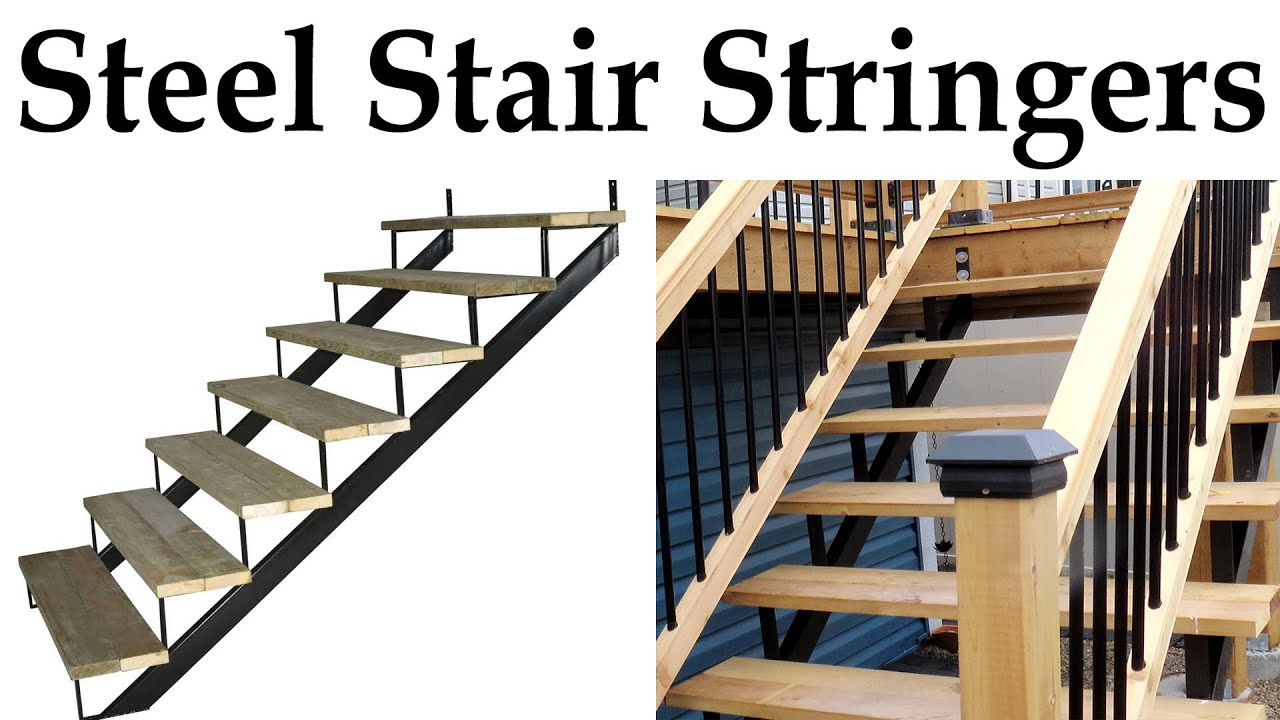
Metal risers offer a modern edge. Stainless steel or brushed aluminum can create a sleek, contemporary look that works beautifully in industrial or minimalist spaces. They’re also incredibly durable and easy to clean.
For those seeking something unique, composite materials or even glass can add unexpected visual interest. Glass risers, in particular, can make a space feel more open and airy while still maintaining safety standards.
Consider the existing décor when choosing materials. If your home features lots of natural textures, wood might blend seamlessly. But if you lean toward clean lines and modern aesthetics, metal or glass could be your best bet.
Color and Pattern Play
Colors and patterns in stair risers can dramatically alter how a space feels. Bold choices can create excitement, while neutral tones provide a calm backdrop.
Deep blues or rich burgundies can make a small staircase feel grand and sophisticated. These colors work especially well in homes with lighter walls, creating a beautiful contrast that draws the eye upward.
Patterns offer another exciting avenue. Geometric designs, floral motifs, or even subtle stripes can add personality without overwhelming the space. Many homeowners choose patterned risers to complement their existing wall art or accent pieces.
Don’t underestimate the power of texture either. A riser with a subtle embossed pattern or a brushed finish can add dimension to what might otherwise be a flat, boring staircase. Sometimes, it’s the small details that make the biggest difference in how people perceive your home’s overall design.
Safety and Functionality Meets Style
Good design always balances beauty with practicality. When it comes to stair risers, this balance becomes crucial. Safety should never be compromised for aesthetics, but that doesn’t mean you have to sacrifice style.
The standard riser height is typically between 7 and 8 inches, though this can vary depending on local building codes. The key is consistency – all risers should be the same height to prevent tripping hazards. This uniformity also creates a more polished appearance.
Non-slip surfaces are essential, especially in areas with high foot traffic or where children play. Many modern riser designs incorporate textured finishes or special coatings that improve grip without sacrificing looks.
Consider how the riser will age over time. Will it show wear? Will it match your home’s evolving style? Choosing materials and finishes that stand the test of time ensures your investment continues to pay off.
Creating Visual Flow and Balance
A well-designed staircase helps guide movement through your home naturally. The riser design plays a big role in this flow. Think about how your eyes move when looking at a staircase.
Vertical lines in risers can make a room feel taller and more spacious. This is particularly effective in homes with low ceilings or smaller spaces where you want to create the illusion of height.
Horizontal emphasis through riser design can make a staircase feel more grounded and stable. This approach works well in larger rooms where you want to anchor the space visually.
Balance is everything. If your risers are ornate and detailed, the rest of your staircase should maintain a similar level of sophistication. A minimalist riser paired with a heavily decorated treads might create an unbalanced look.
Consider the relationship between your risers and other architectural elements. Do they complement the banister? How do they relate to the overall color scheme? These connections help create a cohesive, unified feeling throughout your home.
Budget-Friendly Ways to Upgrade
You don’t need a massive budget to transform your staircase. There are many affordable ways to enhance your stair risers that can make a significant impact.
Painting is one of the simplest and most cost-effective upgrades. A fresh coat of paint can completely change the look of a plain riser. Consider using a slightly darker shade than your treads for a subtle but striking contrast.
Adding trim or molding around the edges can instantly elevate a basic riser. This small addition adds visual depth and makes the riser appear more substantial.
Repositioning existing risers can also work wonders. Sometimes simply adjusting the position or removing some risers entirely can create a cleaner, more modern look.
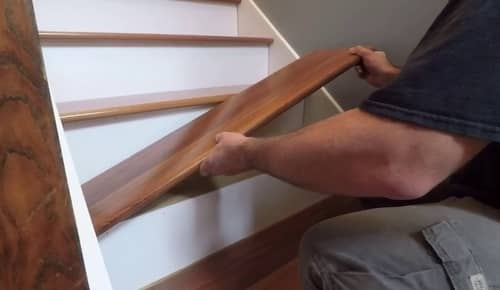
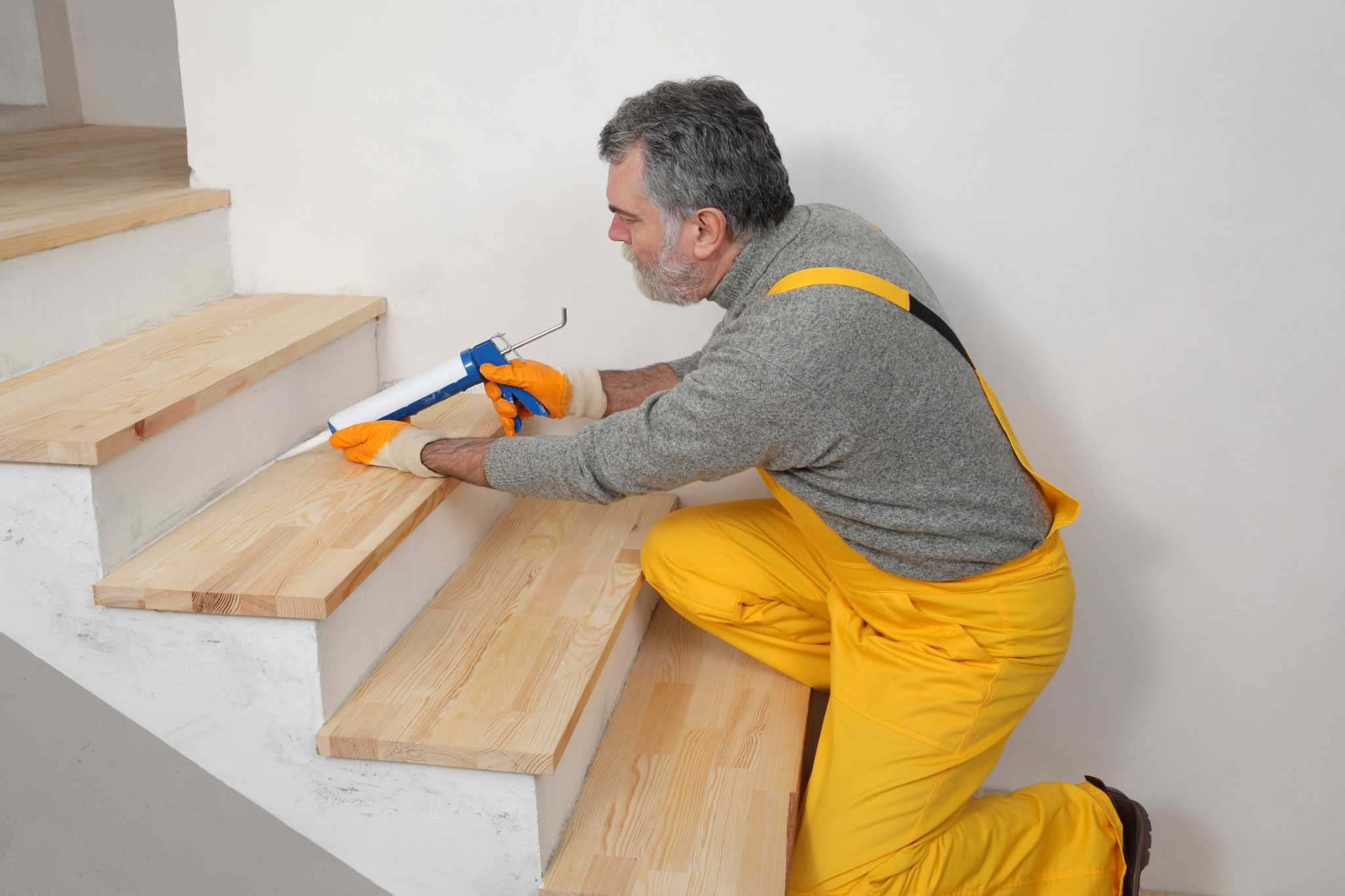
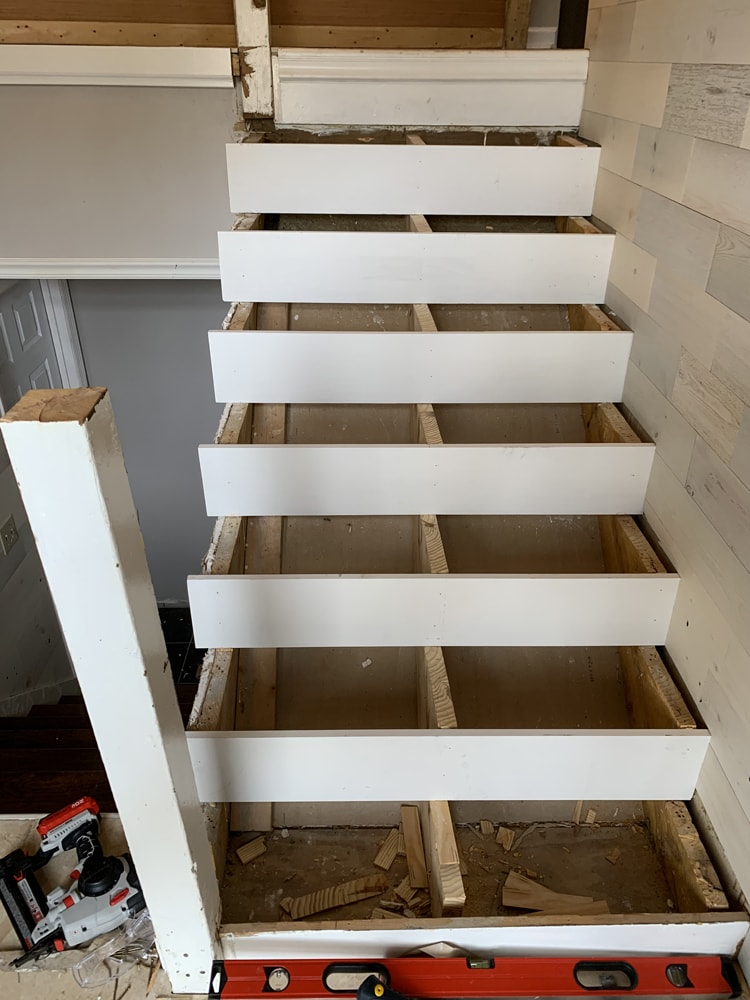
DIY projects like installing new risers or applying decorative panels can be surprisingly rewarding. Just remember to measure carefully and plan ahead. The effort you put into these improvements will show in the final result, and it’s often worth the time invested.
Stair risers might be small components, but they carry enormous potential for transforming your home’s appearance. They’re not just functional elements – they’re opportunities to express creativity, personality, and good design sense. Whether you’re planning a complete renovation or just want to refresh your current staircase, consider how riser design can enhance your space. The key is to start with the basics: understand what materials work best for your lifestyle, consider how color and pattern affect mood, and always prioritize safety alongside style. Remember, great design often lies in the details, and your stair risers are among the most important details in your home. Take time to thoughtfully consider how these elements can contribute to the overall aesthetic you’re trying to achieve. After all, every step you take should feel both safe and beautiful.
[sps_html tag=”img” src=”https://cdn.theartssection.com/wp-content/uploads/2025/11/how-to-build-a-steel-riser-stringer-staircase-youtube-regarding-plant-pattern-floral-peel-and-stick-stair-riser-strips-blue-48w-x-6h-6-pack.jpg” alt=”How To Build A Steel Riser (Stringer) Staircase - Youtube regarding Plant Pattern Floral Peel And Stick Stair Riser Strips, Blue, 48"W X 6"H, 6 Pack” style=”width: 100%; height: auto;”]
[sps_html tag=”img” src=”https://cdn.theartssection.com/wp-content/uploads/2025/11/how-to-install-stair-treads-risers-pro-techniques-youtube-regarding-plant-pattern-floral-peel-and-stick-stair-riser-strips-blue-48w-x-6h-6-pack.jpg” alt=”How To Install Stair Treads & Risers: Pro Techniques - Youtube regarding Plant Pattern Floral Peel And Stick Stair Riser Strips, Blue, 48"W X 6"H, 6 Pack” style=”width: 100%; height: auto;”]
[sps_html tag=”img” src=”https://cdn.theartssection.com/wp-content/uploads/2025/11/wood-stair-risers-installations-inside-plant-pattern-floral-peel-and-stick-stair-riser-strips-blue-48w-x-6h-6-pack.jpg” alt=”Wood Stair Risers Installations inside Plant Pattern Floral Peel And Stick Stair Riser Strips, Blue, 48"W X 6"H, 6 Pack” style=”width: 100%; height: auto;”]
[sps_html tag=”img” src=”https://cdn.theartssection.com/wp-content/uploads/2025/11/stair-treads-vs-risers-which-to-install-first-inside-installing-stair-riser-strips-safely-and-effectively-for-better-footing.jpg” alt=”Stair Treads Vs. Risers: Which To Install First? inside Installing stair riser strips safely and effectively for better footing” style=”width: 100%; height: auto;”]
[sps_html tag=”img” src=”https://cdn.theartssection.com/wp-content/uploads/2025/11/installing-risers-on-stairs-extreme-how-to-throughout-plant-pattern-floral-peel-and-stick-stair-riser-strips-blue-48w-x-6h-6-pack.jpg” alt=”Installing Risers On Stairs - Extreme How To throughout Plant Pattern Floral Peel And Stick Stair Riser Strips, Blue, 48"W X 6"H, 6 Pack” style=”width: 100%; height: auto;”]