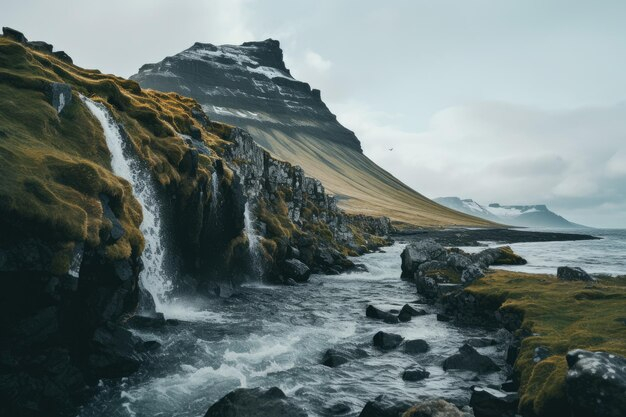
Iceland’s mountains aren’t just geological formations – they’re living stories waiting to be told. From the towering peaks of the Highlands to the dramatic ridges that slice through the landscape, these natural wonders have inspired countless artists over the decades. What happens when creativity meets the raw power of untouched mountain terrain? The result is breathtaking.
Iceland’s mountain ranges stretch across the island like ancient sentinels, each peak holding secrets of volcanic activity, glacial movement, and the relentless forces that shaped this remarkable land. These mountains aren’t just scenery – they’re the very soul of Iceland itself. Artists from around the world have been drawn here, captivated by the stark beauty and untamed spirit of these landscapes. Whether through paint, photography, sculpture, or digital media, creators find themselves compelled to capture something deeper than mere visual representation. They seek to convey the feeling of standing before these giants, the sense of being small yet connected to something vast and eternal.
The Geological Story Behind the Mountains
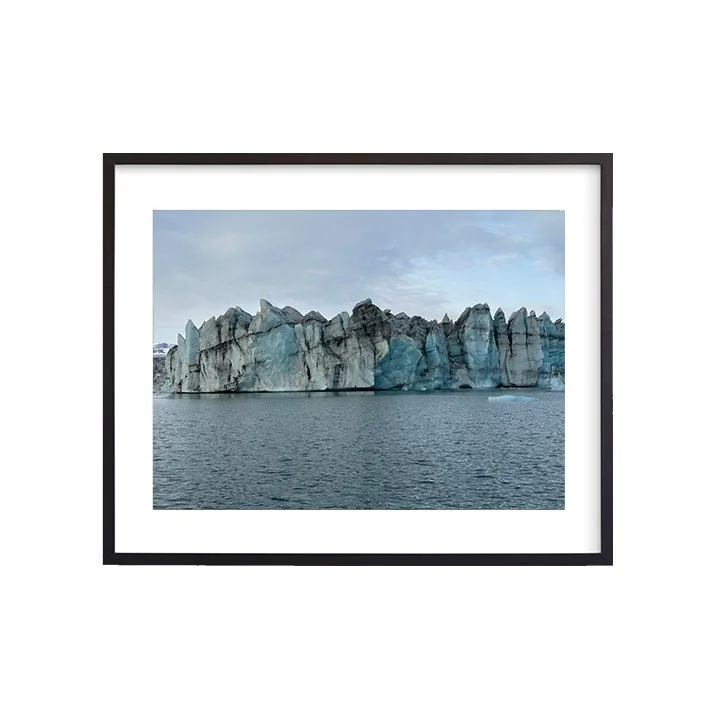
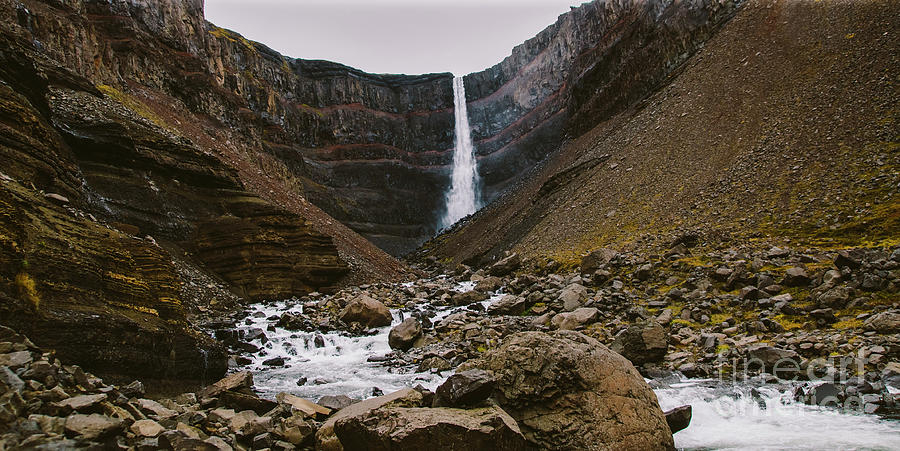
Iceland’s mountains tell a story that spans millions of years. The island sits atop the Mid-Atlantic Ridge, where tectonic plates separate and create new land. This geologically active region means that many of Iceland’s peaks are volcanic in nature. The famous Golden Circle area showcases this perfectly – Thingvellir National Park sits in a rift valley where the North American and Eurasian plates pull apart. The mountain ranges here aren’t just pretty to look at; they’re evidence of Earth’s ongoing transformation. Artists often focus on these features because they represent the planet’s raw energy and constant change. Consider the Snaefellsnes Peninsula, where volcanic peaks rise dramatically from the sea. The contrast between the black volcanic rock and the surrounding ice creates a visual drama that’s hard to ignore. Many painters work specifically to capture the interplay of heat and cold, fire and water, that defines these landscapes. The way light hits volcanic rock during sunrise or sunset can transform an ordinary peak into something almost magical.
Artistic Approaches to Capturing Mountain Spirit
Different artists approach Iceland’s mountains in various ways. Some prefer realism, striving to reproduce exactly what they see. Others embrace abstraction, using color and form to express emotion rather than literal representation. Photography has become particularly popular in recent years, allowing artists to document both the grandeur and the subtle details that make these landscapes unique. Landscape painters often spend weeks or months in the field, working directly from nature. They know that capturing the essence of a mountain requires understanding its mood and character. Take the work of Icelandic artist Ólafur Elíasson, whose installations use natural elements like light and water to create immersive experiences. His pieces remind viewers that mountains aren’t static objects but dynamic parts of a living system. Digital artists have found new ways to explore these landscapes too, creating virtual reality experiences that let people walk through Icelandic mountain environments. The challenge for all artists is finding the right balance between showing what’s there and expressing what’s felt. Some focus on the harshness – the wind-swept peaks, the stark contrasts between dark and light. Others emphasize the serenity – the way mist rolls through valleys, or how morning light transforms the entire landscape.
Seasonal Transformations in Mountain Art
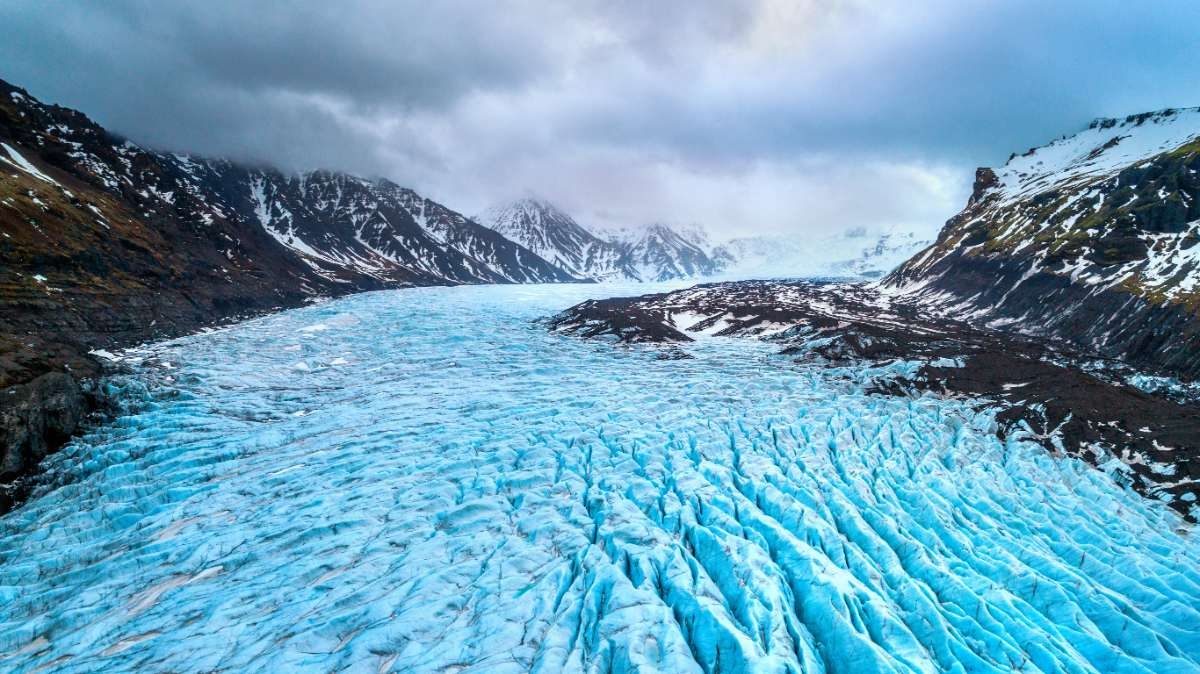
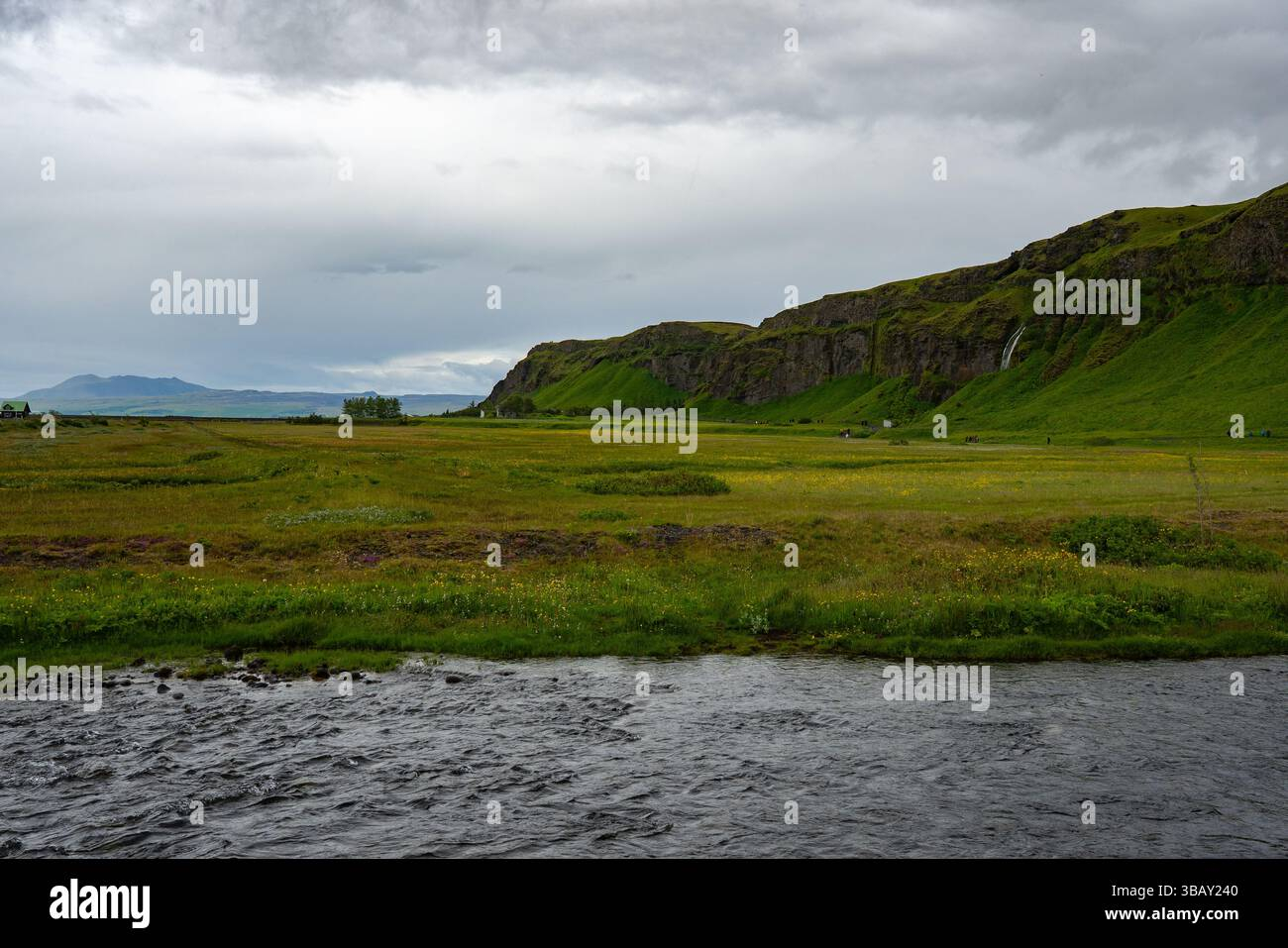
Iceland’s mountains change dramatically with the seasons, offering artists endless variations on their themes. Winter brings snow and ice that completely alter the appearance of familiar peaks. The contrast between white snow and dark rock creates striking visual compositions that photographers love to capture. Summer opens up new possibilities, with wildflowers blooming in alpine meadows and longer days providing more time for artistic exploration. Spring brings melting glaciers and rushing rivers, while autumn adds layers of color that make mountains seem almost magical. Artists often return to the same locations multiple times throughout the year to capture these transformations. The changing seasons affect not just the visual aspects but also the atmosphere and mood of the landscape. A mountain that looks menacing in winter might appear gentle and welcoming in summer. The way shadows fall changes with the sun’s position, affecting everything from color temperature to the emotional impact of a composition. Many artists plan their work around seasonal events like the midnight sun in summer or the northern lights in winter. These phenomena add an extra dimension to mountain art, making it more than just about the land itself but about the connection between earth and sky.
Cultural and Mythological Influences
Iceland’s mountain landscapes aren’t just physical features – they’re deeply embedded in cultural and mythological traditions. The Norse sagas speak of mountains as sacred places, home to trolls, gods, and other supernatural beings. These stories influence how artists think about and portray the mountains. The concept of ‘hákarl’ – the idea that mountains hold spiritual power – appears frequently in artistic interpretations. Some contemporary artists incorporate traditional Icelandic folklore directly into their work, painting scenes that blend modern landscapes with ancient myths. Others take a more subtle approach, suggesting the presence of these stories through symbolism and composition. The mountain known as Hvannadalshnjúkur, Iceland’s highest peak, carries special significance in local culture. Artists often feel compelled to honor this connection, even if they’re working in completely different styles. The relationship between humans and these landscapes goes back centuries, and that history provides rich material for artistic expression. Many artists study the oral traditions of local communities, learning about the stories associated with particular peaks or valleys. This knowledge helps them create works that resonate on multiple levels – aesthetic, emotional, and cultural.
Modern Technology and Mountain Art
Technology has revolutionized how artists work with mountain landscapes. Drones now allow photographers to capture aerial views that were impossible just a few decades ago. Satellite imagery gives artists detailed information about topography and weather patterns that inform their creative decisions. GPS technology helps artists navigate remote areas and return to specific locations with precise accuracy. Some artists use 3D modeling software to create digital representations of mountain environments. Virtual reality systems let people experience what it’s like to stand on a high Icelandic peak without leaving their studio. These technological advances don’t replace traditional methods but enhance them. Artists can now combine old and new techniques, using digital tools to enhance their paintings or photographs. The ability to manipulate images digitally allows for creative freedom that wasn’t possible before. However, some purists argue that true mountain art must come from direct observation and personal experience. The debate continues about how much technology should influence artistic creation. What’s clear is that the combination of traditional artistic skills and modern tools opens up new possibilities for expressing the complexity of these landscapes.
Conservation Through Artistic Expression
Many artists working with Icelandic mountain landscapes are also advocates for conservation. Their work raises awareness about environmental issues and the importance of protecting these fragile ecosystems. Climate change affects mountain environments in profound ways – glaciers are retreating, permafrost is melting, and weather patterns are changing. Artists document these changes, creating visual records that show the impact of global warming on mountain ecosystems. Some artists collaborate with scientists, helping to communicate research findings to broader audiences. Their work makes complex environmental concepts more accessible and emotionally compelling. The power of visual art lies in its ability to make abstract concepts tangible and immediate. When viewers see a painting of a receding glacier or a photograph of melting permafrost, they understand the stakes involved. Artists often visit the same locations repeatedly, documenting how quickly things change over time. This longitudinal approach to mountain art becomes a form of scientific documentation. The responsibility that comes with depicting these landscapes responsibly is taken seriously by many creators. They want to honor both the beauty and the fragility of these environments.
Iceland’s mountains continue to inspire artists across all disciplines, offering endless opportunities for creative expression. The raw power and beauty of these landscapes provide a canvas that challenges artists to push beyond conventional boundaries. Through paint, photography, digital media, and other forms, creators find ways to translate the experience of standing before these giants into meaningful artistic statements. What emerges isn’t just beautiful images but deep connections between humanity and the natural world. The mountains teach us about resilience, about the passage of time, and about our place within larger systems. As artists continue to explore and interpret these landscapes, they contribute to a growing understanding of Iceland’s unique character. Whether through traditional methods or cutting-edge technology, the goal remains the same: to share the wonder and majesty of these untamed mountains with others who may never have the chance to experience them firsthand. The conversation between artist and landscape continues, ensuring that these remarkable environments will be remembered and appreciated for generations to come. The mountains will always be there, waiting for someone to tell their story.
[sps_html tag=”img” src=”https://cdn.theartssection.com/wp-content/uploads/2025/12/the-iceland-landscape-volcanoes-glaciers-and-city-lights-throughout-understanding-the-geological-wonders-captured-in-icelandic-landscape-art.jpg” alt=”The Iceland Landscape: Volcanoes, Glaciers And City Lights throughout Understanding the Geological Wonders Captured in Icelandic Landscape Art” style=”width: 100%; height: auto;”]
[sps_html tag=”img” src=”https://cdn.theartssection.com/wp-content/uploads/2025/12/icelandic-landscape-with-a-waterfall-in-the-foreground-long-exposure-pertaining-to-off-road-iceland-mountains-landscape-wall-art-canvas-print-4-panels.jpg” alt=”Icelandic Landscape With A Waterfall In The Foreground Long Exposure … pertaining to "Off-Road Iceland Mountains" Landscape Wall Art Canvas Print", 4 Panels” style=”width: 100%; height: auto;”]
[sps_html tag=”img” src=”https://cdn.theartssection.com/wp-content/uploads/2025/12/icelandic-wonders-70-breathtaking-photographs-for-your-home-explore-in-understanding-the-geological-wonders-captured-in-icelandic-landscape-art.jpg” alt=”Icelandic Wonders: 70 Breathtaking Photographs For Your Home - Explore … in Understanding the Geological Wonders Captured in Icelandic Landscape Art” style=”width: 100%; height: auto;”]
[sps_html tag=”img” src=”https://cdn.theartssection.com/wp-content/uploads/2025/12/geological-wonders-of-iceland-stock-photo-alamy-for-off-road-iceland-mountains-landscape-wall-art-canvas-print-4-panels.jpg” alt=”Geological Wonders Of Iceland Stock Photo - Alamy for "Off-Road Iceland Mountains" Landscape Wall Art Canvas Print", 4 Panels” style=”width: 100%; height: auto;”]
[sps_html tag=”img” src=”https://cdn.theartssection.com/wp-content/uploads/2025/12/panoramic-photos-of-famous-icelandic-waterfalls-on-cloudy-days-with-in-off-road-iceland-mountains-landscape-wall-art-canvas-print-4-panels.jpg” alt=”Panoramic Photos Of Famous Icelandic Waterfalls On Cloudy Days With … in "Off-Road Iceland Mountains" Landscape Wall Art Canvas Print", 4 Panels” style=”width: 100%; height: auto;”]