Imagine walking into a room where every tile tells a story. These aren’t just decorative elements – they’re windows into centuries of craftsmanship and cultural expression. Puka wall tiles have been gracing homes and buildings across various cultures for generations, carrying with them the weight of tradition and the lightness of artistic expression. What makes these tiles so special? It’s not just their appearance, but the layers of meaning they hold.
Puka wall tiles might seem like simple decorative features at first glance, but they represent something much deeper. These distinctive ceramic pieces have traveled through time, carrying cultural significance from their origins to modern homes. Whether you’re considering adding them to your space or simply curious about their history, understanding both their cultural roots and practical application opens up a whole new appreciation for these remarkable materials. The journey from ancient craft to contemporary design is fascinating, filled with stories of artisans, traditions, and the universal human desire to beautify our living spaces.
Origins and Cultural Roots
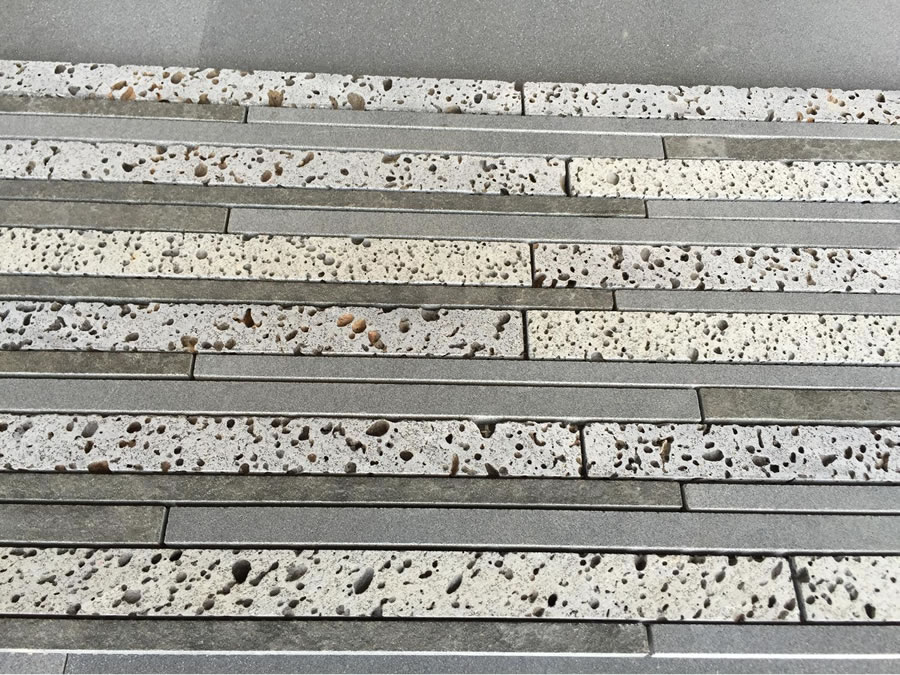
The story of puka tiles begins far from our modern kitchens and bathrooms. These tiles originated in the Pacific Islands, particularly in Hawaii, where they were crafted by skilled artisans using traditional methods passed down through generations. The name ‘puka’ comes from the Hawaiian word meaning ‘hole’ or ‘open space,’ referring to the distinctive holes that characterize these tiles. In Hawaiian culture, puka tiles weren’t just functional elements – they were symbols of connection to the land, the sea, and ancestral wisdom. The holes themselves often represented breath, life force, or spiritual openness. Many Pacific Island communities viewed these tiles as protective elements, believing they brought good fortune and positive energy into homes. The intricate patterns and colors were often tied to specific meanings, with different designs representing various aspects of nature, family relationships, or spiritual beliefs. Today, these tiles serve as bridges between past and present, connecting modern homeowners to ancient traditions while bringing a unique aesthetic to contemporary spaces.
Design Variations and Materials
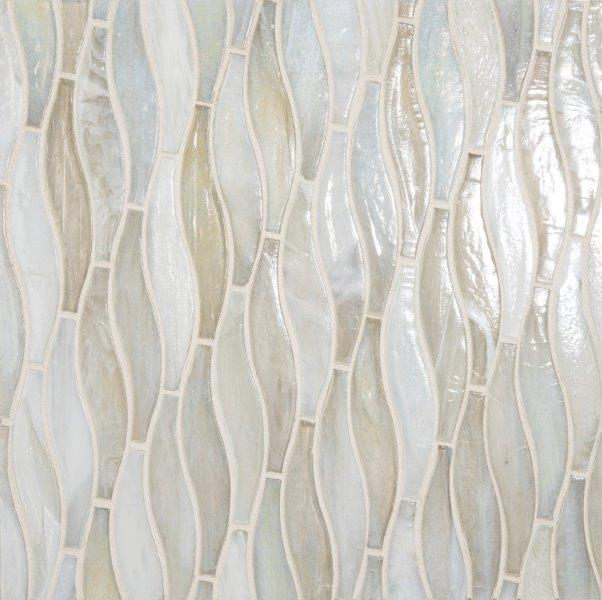
Puka tiles come in an array of designs and materials that reflect both their traditional origins and modern versatility. The most common type features the classic hole pattern, but variations exist in shape, size, and arrangement. Some tiles showcase geometric patterns, others display natural motifs like waves or plants, and some incorporate metallic accents. The materials used range from traditional clay and ceramic to more modern compositions that offer enhanced durability. Clay-based tiles tend to have a softer, more organic feel and often show natural variations in color and texture. Ceramic versions provide more consistent appearances and are generally easier to maintain. Glass and composite materials offer unique visual effects, sometimes creating interesting light reflections that change throughout the day. Each material choice affects not just the look but also the installation requirements and maintenance needs. The color palette varies from earth tones that blend seamlessly with traditional settings to vibrant hues that make bold statements in modern interiors. Understanding these differences helps in choosing the right tiles for specific applications and desired aesthetics.
Installation Considerations
Installing puka wall tiles requires careful planning and attention to detail, especially given their unique characteristics. Unlike standard tiles, puka tiles often require specialized installation techniques due to their hole patterns and varying thicknesses. The surface preparation is crucial – walls must be perfectly clean, dry, and smooth to ensure proper adhesion. Many installers recommend using a specialized mortar designed for porous or textured surfaces rather than regular thinset. The holes in the tiles mean that the adhesive must penetrate properly to create a strong bond. Some professionals suggest installing tiles in specific patterns to enhance the visual impact and ensure structural integrity. The spacing between tiles becomes important when dealing with the open areas, as gaps need to be managed carefully to avoid uneven appearance or potential water infiltration. Weather conditions during installation can significantly affect results, with extreme temperatures or humidity levels potentially compromising the bonding process. Proper planning includes calculating the exact number of tiles needed, accounting for cuts and waste, and ensuring adequate ventilation during the curing process.
Maintenance and Care
Once installed, puka wall tiles require thoughtful maintenance to preserve their beauty and longevity. Regular cleaning with mild soap and water typically suffices for routine upkeep, though the specific care method depends on the material composition. Clay and ceramic tiles may benefit from periodic sealing to protect against staining and moisture damage. The hole patterns can trap dirt and debris, requiring gentle cleaning methods to prevent buildup. Some tile manufacturers recommend avoiding harsh chemicals that could damage the surface or alter the coloration. For high-traffic areas or areas exposed to moisture, additional protection measures might be necessary. The open structure of these tiles means they can be more susceptible to wear in certain conditions, so understanding the specific vulnerabilities of your chosen tiles is essential. Professional cleaning services may be recommended for particularly delicate or valuable installations. Regular inspection for signs of damage, loose tiles, or sealant deterioration helps maintain optimal condition over time. Many homeowners find that establishing a simple maintenance routine keeps their puka tile installations looking fresh and vibrant for years.
Modern Applications and Trends
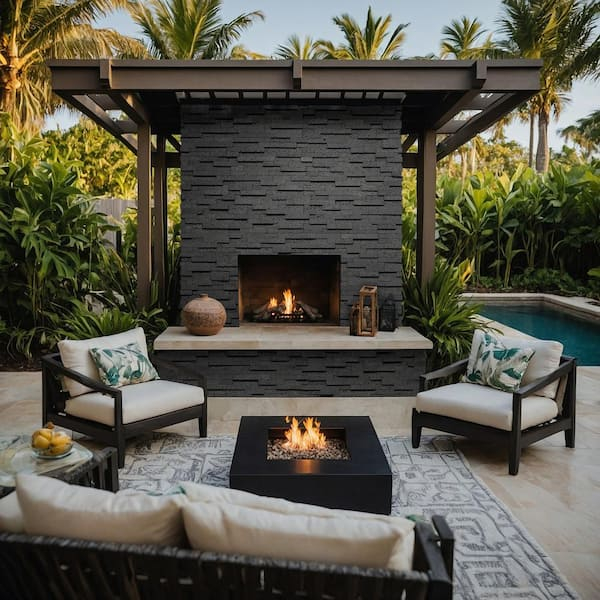
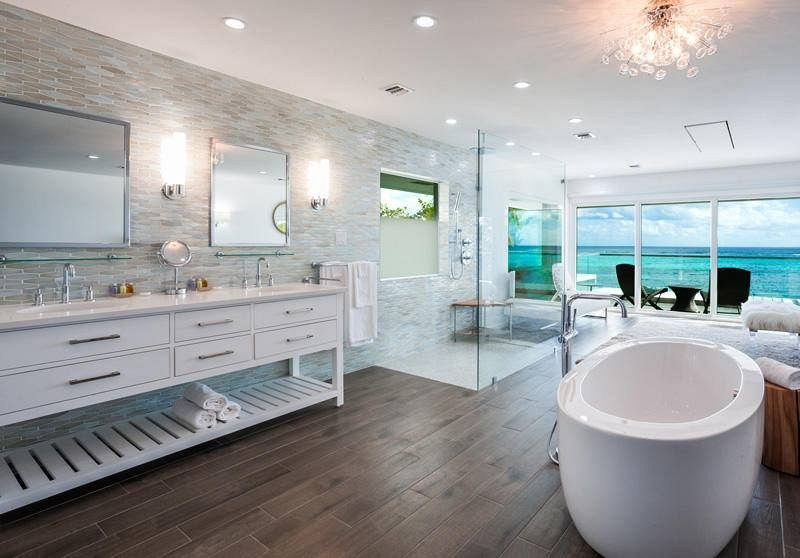
Today’s designers and homeowners are discovering new ways to incorporate puka wall tiles into contemporary settings. The trend toward natural materials and artisanal elements has made these tiles increasingly popular in both residential and commercial spaces. Modern kitchens feature puka tiles as accent walls, bringing warmth and character to otherwise sterile environments. Bathrooms have embraced these tiles for their unique visual appeal and the way they reflect light differently than traditional options. Living spaces often showcase puka tiles as focal points, creating conversation starters and unique architectural elements. The versatility extends beyond traditional installations – some creative designers use puka tiles in unusual configurations, such as creating artistic mosaics or incorporating them into furniture pieces. The tiles work particularly well in spaces that aim to blend traditional elements with modern aesthetics. Sustainable design principles align with puka tiles’ natural origins and handcrafted qualities, making them attractive to environmentally conscious consumers. Social media has amplified interest in these tiles, with many homeowners sharing their installations online and inspiring others to explore similar projects.
Cost Considerations and Value
When considering puka wall tiles, budget plays a significant role in decision-making. Prices vary considerably based on factors like material quality, brand reputation, and regional availability. Handmade tiles typically command higher prices due to the artisanal craftsmanship involved, while machine-made versions offer more affordable options. The cost per square foot ranges from moderate to premium levels, depending on the specific characteristics of the tiles selected. Installation costs add another layer to the overall expense, with specialized techniques and materials often increasing labor expenses. However, many homeowners view puka tiles as investments in their property’s character and value. The unique aesthetic appeal and craftsmanship often justify the higher initial costs, especially in luxury or custom installations. The durability of quality puka tiles means they can last decades with proper care, providing long-term value. Some buyers find that the distinctive nature of these tiles increases property appeal, particularly in markets where unique design elements are highly valued. Comparing prices across different suppliers and considering the total project cost including materials, labor, and finishing touches helps in making informed decisions.
Puka wall tiles represent more than just decorative elements – they embody centuries of cultural heritage and artistic expression. From their traditional Pacific Island origins to their modern applications in contemporary homes, these tiles carry stories and meanings that extend far beyond their visual appeal. Understanding their cultural significance helps us appreciate not just their beauty but also their deeper purpose in human expression and connection. The installation process, while requiring special attention to detail, rewards those who take the time to learn proper techniques and consider all variables. Whether you’re drawn to their aesthetic qualities or their cultural resonance, puka wall tiles offer a unique way to infuse personality and meaning into any space. The investment in these tiles goes beyond immediate visual impact – it’s about connecting with tradition, embracing craftsmanship, and creating lasting beauty that speaks to both the eye and the soul. As trends continue to favor natural materials and unique design elements, puka tiles remain relevant and appealing, offering homeowners a chance to participate in a timeless tradition while making their own personal statement through design choices.
[sps_html tag=”img” src=”https://cdn.theartssection.com/wp-content/uploads/2025/11/basalt-tile-the-home-depot-inside-puka-wall-tile.jpg” alt=”Basalt Tile - The Home Depot inside Puka Wall Tile” style=”width: 100%; height: auto;”]
[sps_html tag=”img” src=”https://cdn.theartssection.com/wp-content/uploads/2025/11/improve-light-and-ventilation-in-your-new-home-design-thoughts-for-how-puka-wall-tile-enhances-natural-light-and-space-in-hawaiian-homes.jpg” alt=”Improve Light And Ventilation In Your New Home - Design Thoughts for How Puka Wall Tile Enhances Natural Light and Space in Hawaiian Homes” style=”width: 100%; height: auto;”]
[sps_html tag=”img” src=”https://cdn.theartssection.com/wp-content/uploads/2025/11/vihara-by-sonoma-tilemakers-ceramic-matrix-floridas-natural-stone-intended-for-puka-wall-tile.jpg” alt=”Vihara By Sonoma Tilemakers - Ceramic Matrix - Floridas Natural Stone … intended for Puka Wall Tile” style=”width: 100%; height: auto;”]
[sps_html tag=”img” src=”https://cdn.theartssection.com/wp-content/uploads/2025/11/puka-lavablack-lava-stone_puka-lava-stone-pertaining-to-puka-wall-tile.jpg” alt=”Puka Lava,Black Lava Stone_Puka Lava Stone pertaining to Puka Wall Tile” style=”width: 100%; height: auto;”]
[sps_html tag=”img” src=”https://cdn.theartssection.com/wp-content/uploads/2025/11/tile-natural-stone-selection-at-smalls-within-puka-wall-tile.jpg” alt=”Tile & Natural Stone Selection At Smalls within Puka Wall Tile” style=”width: 100%; height: auto;”]