Imagine diving into the ocean and discovering a whole world that exists just below the surface, hidden from our everyday view. This isn’t some fantasy realm – it’s the real, vibrant ecosystem created by seaweed. These remarkable plants aren’t just floating around like we often think they are. They’re building something extraordinary under the water, creating habitats, feeding creatures, and forming the foundation of underwater life.
When we picture the ocean, we usually think of fish swimming, waves crashing, or perhaps a ship sailing by. But there’s another world that’s equally important and far more complex – the hidden realm of seaweed. This isn’t just about kelp or sea lettuce floating on the surface. It’s about the incredible underwater forests that grow in the depths, the secret communities they support, and the vital role they play in our planet’s health. Seaweed’s hidden world is filled with surprises, from tiny creatures that live within its fronds to massive underwater cities that have been growing for centuries. This is the story of how these seemingly simple plants create the most intricate and beautiful underwater neighborhoods.
The Foundation of Ocean Life
Seaweed doesn’t just exist in the ocean – it builds the foundation upon which entire marine ecosystems depend. Picture a forest, but instead of trees, imagine thousands of different types of seaweed creating a vast underwater jungle. These plants are incredibly diverse, ranging from microscopic algae to massive kelp forests that stretch for miles. What makes them so special? They’re primary producers, meaning they convert sunlight into energy through photosynthesis, just like land plants do. But they do it underwater, where light penetrates through the water column. This process creates oxygen and provides food for countless marine animals. Without seaweed, much of the ocean’s biodiversity simply wouldn’t exist. The relationship between seaweed and marine life is so fundamental that scientists often describe it as the backbone of ocean ecosystems.
Underwater Cities and Habitats
Think of seaweed forests as underwater cities where millions of marine creatures find shelter, food, and protection. These underwater communities are incredibly complex. A single kelp forest can host over 100 different species of fish, invertebrates, and other marine life. The structure of seaweed creates multiple layers of habitat, similar to how a forest has different levels. The canopy formed by the tops of seaweed fronds provides shelter for larger fish, while the dense lower sections offer hiding places for smaller creatures. Many species of crabs, sea urchins, and snails make their homes within the seaweed itself. Some even lay their eggs directly on the seaweed fronds. The complexity of these underwater cities means that each plant becomes part of a vast network of relationships and dependencies. When one element changes, it affects everything else in the system.
The Role of Different Seaweed Types
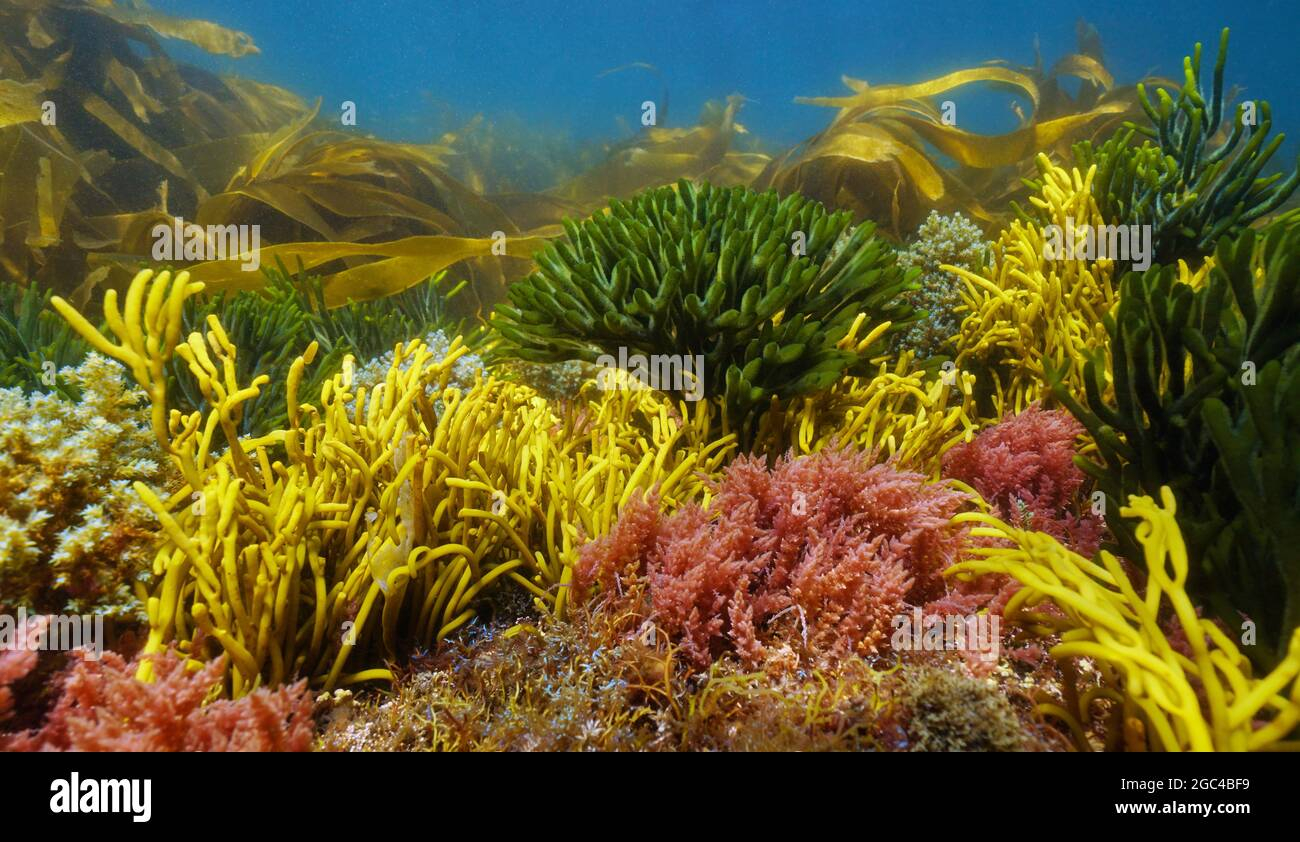
Not all seaweed is the same, and each type plays a unique role in these underwater communities. Brown seaweed, like kelp, tends to form large forests in cooler waters. These are often the most visible and well-known forms of seaweed, creating towering underwater structures that can reach heights of over 100 feet. Green seaweed typically grows in shallower waters and often forms more delicate, leaf-like structures. Red seaweed, found in both shallow and deeper waters, is often more colorful and can appear in various shapes and textures. Each type supports different kinds of marine life. For instance, some fish prefer the structure of kelp, while others thrive in the more delicate environment created by green seaweed. The variety of seaweed creates diversity in the marine environment, allowing different species to specialize and coexist. Scientists have discovered that the more diverse the seaweed community, the healthier the overall marine ecosystem tends to be.
Seaweed as Nature’s Carbon Capture System
Beyond their role in supporting marine life, seaweed plays a crucial part in addressing climate change. These plants absorb carbon dioxide from the water during photosynthesis, effectively capturing carbon that would otherwise contribute to global warming. Some studies suggest that seaweed forests can sequester carbon at rates faster than terrestrial forests. The carbon absorbed by seaweed doesn’t just stay in the plant tissues – it moves through the entire marine ecosystem. When seaweed dies and sinks to the ocean floor, it carries carbon with it, potentially storing it for decades or even centuries. This natural carbon capture process happens continuously, making seaweed one of nature’s most effective tools for fighting climate change. It’s amazing to think that something so small and often overlooked might be helping solve one of our biggest environmental challenges.
Threats to Seaweed’s Underwater Communities
Despite their importance, seaweed ecosystems face numerous threats from human activities. Pollution, particularly from agricultural runoff and plastic waste, can disrupt the delicate balance that seaweed forests maintain. Climate change brings rising ocean temperatures and changing currents, which can stress seaweed populations and alter their growth patterns. Overfishing removes key species that help keep seaweed communities healthy, such as sea urchins that control algae growth. Invasive species can also damage native seaweed habitats when they outcompete local varieties. Coastal development often leads to increased sedimentation, which blocks sunlight needed for seaweed photosynthesis. Some areas have seen dramatic declines in seaweed forests due to these combined pressures. The loss of these underwater forests doesn’t just affect the seaweed themselves – it impacts all the creatures that depend on them for survival.
Conservation Efforts and Future Prospects
There’s hope though. Scientists and conservationists worldwide are working to protect and restore seaweed habitats. Marine protected areas have been established to safeguard critical seaweed forests from destructive activities. Restoration projects involve transplanting seaweed to damaged areas, helping to rebuild these vital ecosystems. Research is ongoing to better understand how to support seaweed growth and protect against disease. Some communities are even beginning to use seaweed cultivation as a sustainable economic activity, providing income while protecting the environment. The future looks promising for seaweed conservation, especially as more people recognize their importance. As we continue to learn about these hidden worlds beneath the surface, we’re discovering new ways to protect and appreciate them. The key is understanding that every seaweed plant matters, and together they create something truly extraordinary.
The hidden world beneath the ocean’s surface is far more complex and fascinating than many people realize. Seaweed isn’t just a simple plant that floats around – it’s the architect of underwater ecosystems, the provider of shelter for countless marine creatures, and a powerful tool in our fight against climate change. Every time we see a wave roll in, we’re witnessing the surface of this incredible underwater world. But underneath, there’s a thriving community of life that’s been quietly going about its business for millions of years. Understanding and protecting this hidden realm is crucial for the health of our oceans and our planet. Whether you’re a scientist studying marine biology or someone who simply enjoys spending time near the water, recognizing the importance of seaweed’s underground empire can change how you see the ocean forever. It’s a reminder that sometimes the most important things are the ones we can’t always see.
[sps_html tag=”img” src=”https://cdn.theartssection.com/wp-content/uploads/2025/11/sand-stable-seaweed-under-water-i-by-vincent-van-gogh-2-piece-pertaining-to-analyzing-the-composition-of-seaweed-under-water-v-triptych-blue-60×30-1.jpg” alt=”Sand & Stable™ Seaweed Under Water I By Vincent Van Gogh - 2 Piece … pertaining to Analyzing the Composition of Seaweed Under Water V Triptych Blue 60×30″ style=”width: 100%; height: auto;”]
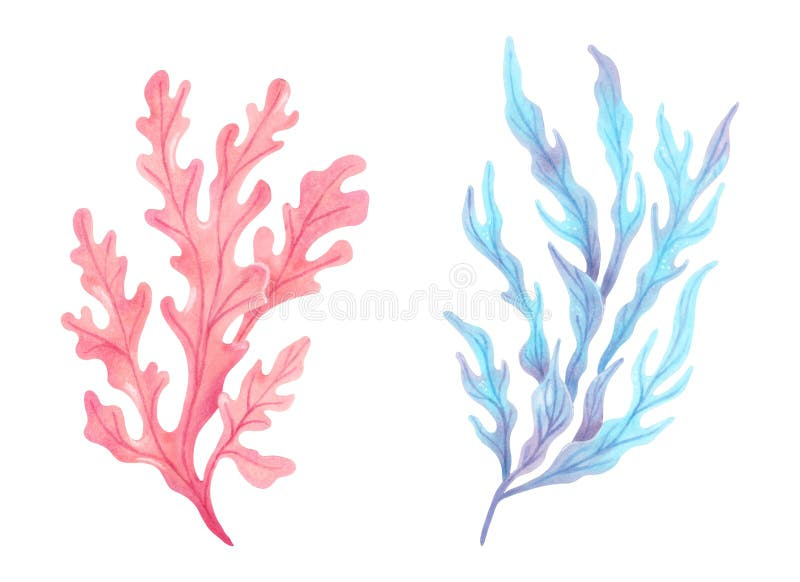
[sps_html tag=”img” src=”https://cdn.theartssection.com/wp-content/uploads/2025/11/pink-blue-underwater-seaweed-branch-watercolor-illustration-ocean-with-analyzing-the-composition-of-seaweed-under-water-v-triptych-blue-60×30-1.jpg” alt=”Pink, Blue Underwater Seaweed Branch. Watercolor Illustration. Ocean … with Analyzing the Composition of Seaweed Under Water V Triptych Blue 60×30″ style=”width: 100%; height: auto;”]
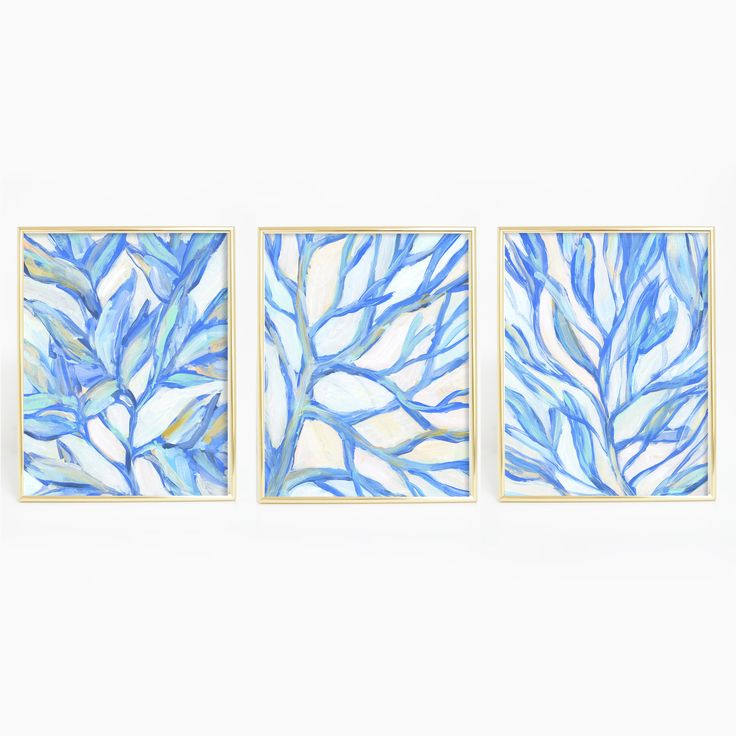
[sps_html tag=”img” src=”https://cdn.theartssection.com/wp-content/uploads/2025/11/seaweed-blues-set-of-3-beautiful-abstract-painting-art-print-set-intended-for-analyzing-the-composition-of-seaweed-under-water-v-triptych-blue-60×30-1.jpg” alt=”Seaweed Blues - Set Of 3 | Beautiful Abstract Painting, Art Print Set … intended for Analyzing the Composition of Seaweed Under Water V Triptych Blue 60×30″ style=”width: 100%; height: auto;”]
[sps_html tag=”img” src=”https://cdn.theartssection.com/wp-content/uploads/2025/11/seaweed-underwater-hi-res-stock-photography-and-images-alamy-within-analyzing-the-composition-of-seaweed-under-water-v-triptych-blue-60×30-1.jpg” alt=”Seaweed Underwater Hi-Res Stock Photography And Images - Alamy within Analyzing the Composition of Seaweed Under Water V Triptych Blue 60×30″ style=”width: 100%; height: auto;”]
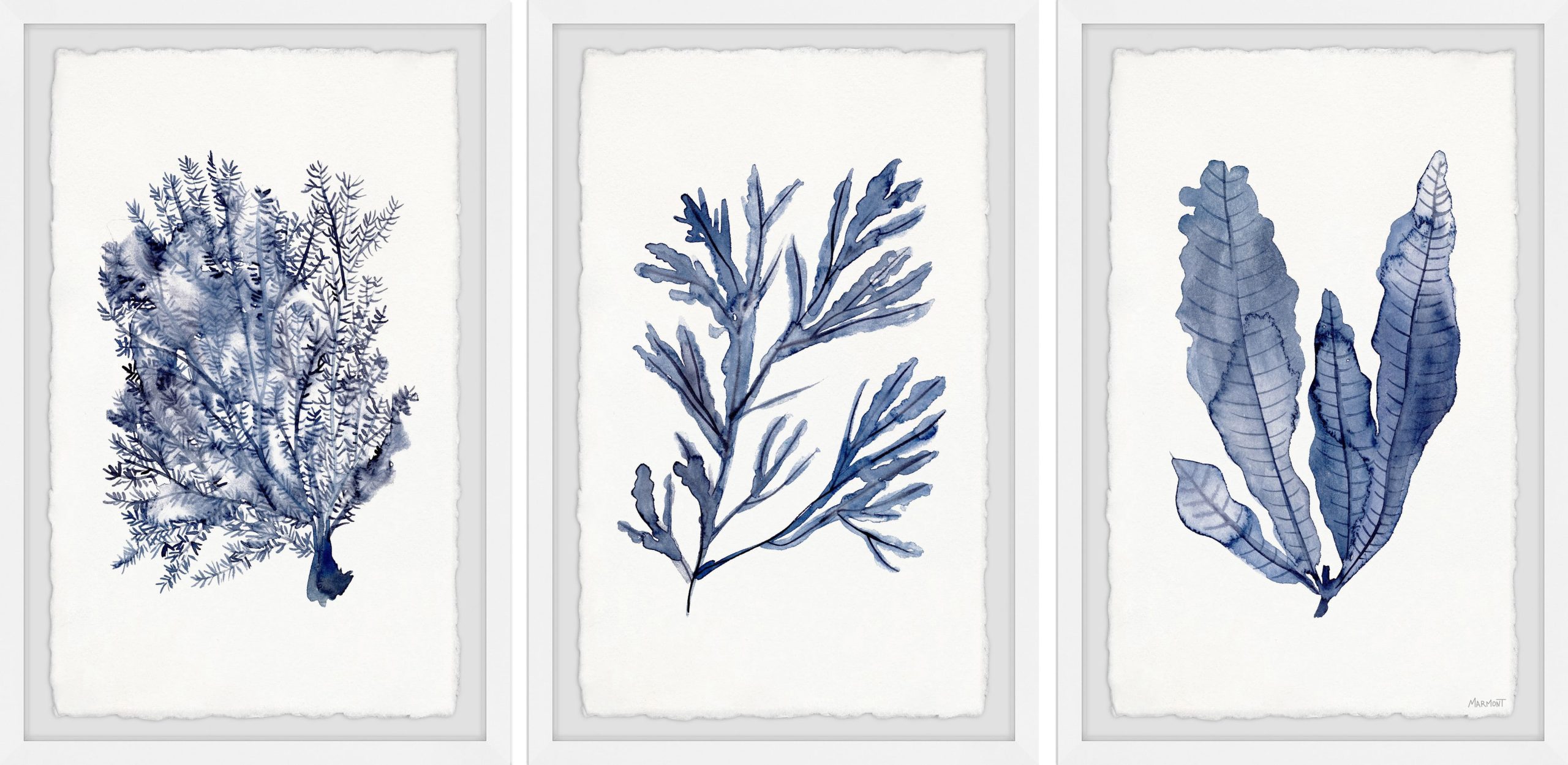
[sps_html tag=”img” src=”https://cdn.theartssection.com/wp-content/uploads/2025/11/marmont-hill-seaweed-under-water-v-triptych-walmart-com-with-regard-to-analyzing-the-composition-of-seaweed-under-water-v-triptych-blue-60×30-1-scaled.jpeg” alt=”Marmont Hill Seaweed Under Water V Triptych - Walmart.com with regard to Analyzing the Composition of Seaweed Under Water V Triptych Blue 60×30″ style=”width: 100%; height: auto;”]