The shadow box might seem like a relic from the Victorian era, but contemporary artists are taking this time-honored technique and turning it upside down. What started as simple display cases for curiosities and memorabilia has evolved into a powerful medium for storytelling, emotional expression, and visual innovation.
Picture this: You’re standing in an art gallery, staring at a seemingly ordinary wooden frame. But when you look closer, you discover layers upon layers of carefully constructed scenes that seem to breathe with life. These aren’t just paintings or sculptures – they’re shadow boxes, and the artists behind them are rewriting the rules of three-dimensional art. This isn’t some nostalgic throwback; it’s a full-on revolution happening right now in studios around the world. The traditional shadow box, once used mainly for preserving artifacts and creating museum displays, has become a canvas for contemporary expression, pushing boundaries and challenging expectations. Today’s artists aren’t just using shadows – they’re dancing with them, sculpting them, and making them tell stories that span decades of human experience.
The Evolution of Shadow Box Art
Traditional shadow boxes were all about preservation and presentation. Think Victorian-era curio cabinets filled with shells, pressed flowers, and tiny mechanical devices. These early versions focused on showcasing objects rather than creating artistic statements. But something magical happened when modern artists started experimenting with the format. They realized that the shadow box’s unique quality – its ability to create depth within a flat surface – offered a completely new way to explore space, time, and narrative.
The transformation wasn’t immediate. It took decades of experimentation and risk-taking. Artists began combining traditional craftsmanship with digital technology, adding LED lighting, moving parts, and interactive elements. Some started incorporating found objects in unexpected ways, while others abandoned the wooden frames altogether in favor of more experimental materials. The result? A medium that feels both familiar and completely foreign at the same time.
Digital Integration and New Materials
Contemporary artists are no longer bound by the wood and glass constraints of their predecessors. Today’s shadow box creators are mixing traditional techniques with cutting-edge technology. LED strips embedded within frames create dramatic lighting effects that change the entire mood of a piece. Motion sensors allow viewers to interact with the artwork, triggering subtle movements or soundscapes that bring the scene to life.
Materials have expanded beyond the typical cardboard and paint. Artists now use recycled plastics, metal mesh, fabric, and even organic materials like dried leaves and pressed flowers. One artist creates her shadow boxes entirely from reclaimed wood and vintage photographs, giving each piece a story of its own. Another uses 3D printing to create intricate components that would have been impossible to craft by hand.
These innovations haven’t just changed how shadow boxes look – they’ve changed how we experience them. What was once a static display has become an immersive journey through multiple sensory experiences.
Narrative Depth and Emotional Storytelling
Where traditional shadow boxes were often about collecting and displaying, modern artists are using the form to tell complex stories. They’re exploring themes of memory, loss, identity, and cultural heritage with incredible nuance. One artist creates hauntingly beautiful shadow boxes that depict the daily lives of refugees, using tiny figures and miniature environments to represent larger human experiences.
Consider how a single shadow box can capture a lifetime. An artist might build a scene showing a child’s bedroom at different times of day, with each layer representing a different phase of growth. The shadows themselves become characters in the story, shifting and changing as light moves across the composition. These aren’t just visual tricks – they’re deeply personal narratives that speak to universal human experiences.
The emotional impact comes from the juxtaposition of scale and detail. When you see a miniature family dinner set in a shadow box, you’re not just looking at a small replica. You’re experiencing a moment frozen in time, a memory that’s both intimate and expansive.
Interactive and Kinetic Elements
Perhaps one of the most exciting developments in contemporary shadow box art is the integration of movement and interaction. Artists are creating pieces that respond to their environment or audience. Some boxes feature tiny motors that gently move elements within the scene, creating a sense of life and motion. Others incorporate sound elements that play subtle music or ambient noise that enhances the overall atmosphere.
A particularly fascinating example involves artists who use weather sensors to control their shadow boxes. When it rains outside, the corresponding indoor scene might begin to show raindrops falling, or perhaps mist begins to rise from a miniature landscape. This connection between external environment and internal art creates a truly unique relationship between viewer and artwork.
These kinetic elements don’t just make the pieces more visually interesting – they change how we think about permanence and change in art. Instead of viewing a shadow box as a fixed moment in time, we’re now experiencing it as a living, breathing entity that evolves and responds.
Cultural Commentary and Social Awareness
Many contemporary shadow box artists are using their work to address pressing social issues. The format’s ability to present multiple layers simultaneously makes it perfect for exploring complex societal themes. An artist might create a series of boxes that examine the impact of climate change, with each piece showing a different aspect of environmental degradation.
Some artists focus on historical events, creating miniature recreations that serve as reminders of important moments in human history. Others tackle current political situations, using the shadow box’s layered nature to show different perspectives on controversial topics. The medium’s inherent storytelling quality makes it especially effective for these kinds of explorations.
What’s particularly striking is how these artists use the shadow box’s unique properties to make abstract concepts tangible. A piece about economic inequality might show two houses side by side – one bright and well-lit, the other dark and neglected – with shadows that emphasize the stark contrast. The viewer doesn’t just see the difference; they feel it.
The Future of Shadow Box Art
As technology continues to advance, so too does the potential for shadow box art. Augmented reality is beginning to blend with physical installations, allowing viewers to see additional layers of information or animation when they look through special devices. Some artists are experimenting with haptic feedback, where the viewer can actually feel textures or movements through specialized equipment.
The democratization of art-making tools is also expanding possibilities. 3D printers, laser cutters, and digital design software are making it easier for more people to experiment with shadow box techniques. This accessibility is leading to an explosion of creativity and diversity in approaches to the medium.
Looking ahead, we might see shadow boxes that can communicate with each other, creating networks of interconnected artworks that tell larger stories. Or perhaps we’ll see the emergence of living shadow boxes that incorporate actual plants or animals in their construction. The future promises even more surprises and innovations that will continue to push the boundaries of what this ancient technique can accomplish.
Contemporary shadow box artists are proving that traditional techniques can be incredibly relevant in modern times. They’re not simply preserving old methods – they’re transforming them into powerful tools for communication, storytelling, and artistic expression. What started as a way to preserve objects has become a way to preserve memories, emotions, and ideas that transcend time itself.
The beauty of this evolution lies in how it connects us to our past while propelling us toward new possibilities. Every shadow box tells a story, but more importantly, every one invites us to become part of that story. Whether you’re an artist looking to explore new mediums or simply someone who appreciates innovative art, the world of contemporary shadow box creation offers endless inspiration. The lines between art and craft, tradition and innovation, have never been more beautifully blurred.
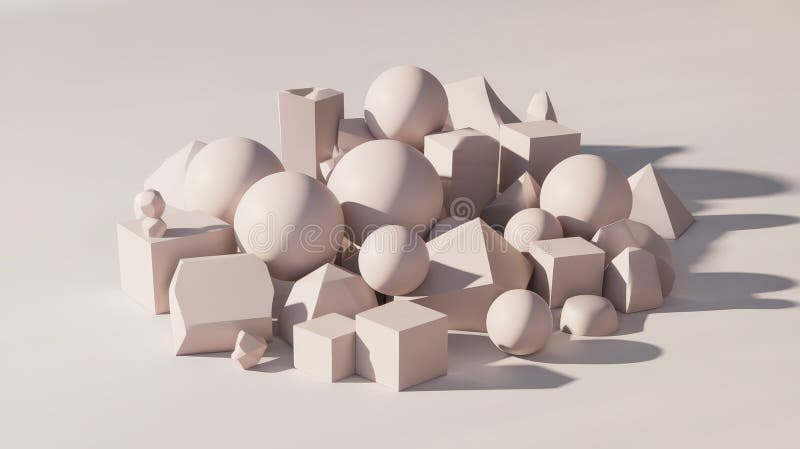
[sps_html tag=”img” src=”https://cdn.theartssection.com/wp-content/uploads/2025/11/a-collection-of-various-geometric-shapes-in-soft-beige-tones-creating-within-crafting-dimensional-stories-through-ternion-modern-geometric-shadow-techniques.jpg” alt=”A Collection Of Various Geometric Shapes In Soft Beige Tones, Creating … within Crafting Dimensional Stories Through Ternion Modern Geometric Shadow Techniques” style=”width: 100%; height: auto;”]
[sps_html tag=”img” src=”https://cdn.theartssection.com/wp-content/uploads/2025/11/ppt-crafting-dimensional-dreams-3d-designers-in-mumbai-powerpoint-inside-crafting-dimensional-stories-through-ternion-modern-geometric-shadow-techniques.jpg” alt=”Ppt - Crafting Dimensional Dreams 3D Designers In Mumbai Powerpoint … inside Crafting Dimensional Stories Through Ternion Modern Geometric Shadow Techniques” style=”width: 100%; height: auto;”]
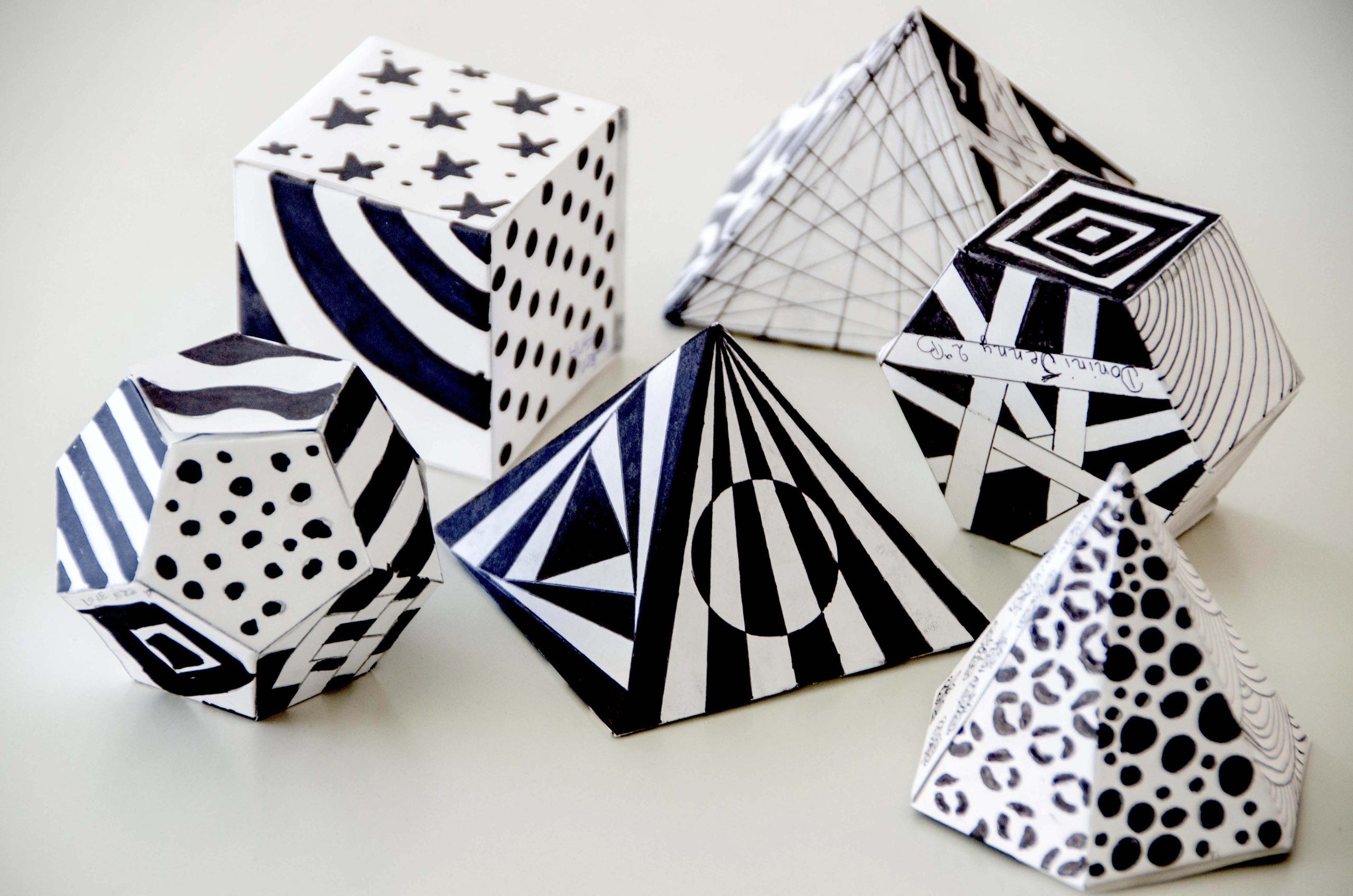
[sps_html tag=”img” src=”https://cdn.theartssection.com/wp-content/uploads/2025/11/3-d-geometric-paper-shapes-with-patterns-geometric-shapes-art-within-ternion-modern-geometric-shadow-box-scaled.jpg” alt=”3-D Geometric Paper Shapes With Patterns | Geometric Shapes Art … within Ternion Modern Geometric Shadow Box” style=”width: 100%; height: auto;”]
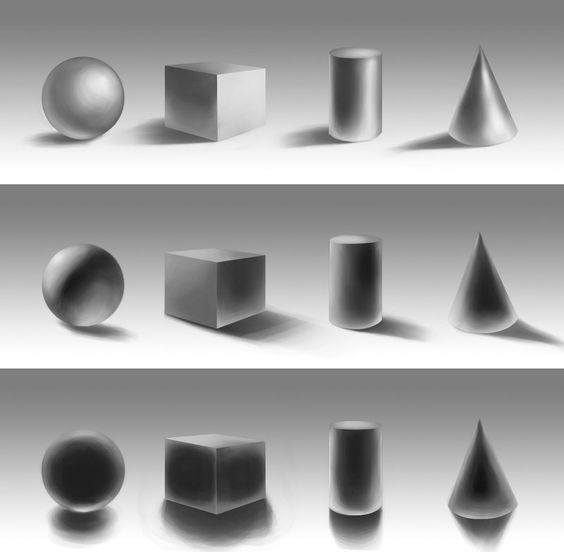
[sps_html tag=”img” src=”https://cdn.theartssection.com/wp-content/uploads/2025/11/geometric-shapes-drawing-shadow-drawing-art-lessons-inside-crafting-dimensional-stories-through-ternion-modern-geometric-shadow-techniques.jpg” alt=”Geometric Shapes Drawing, Shadow Drawing, Art Lessons inside Crafting Dimensional Stories Through Ternion Modern Geometric Shadow Techniques” style=”width: 100%; height: auto;”]
[sps_html tag=”img” src=”https://cdn.theartssection.com/wp-content/uploads/2025/11/how-to-draw-perspective-shadows-throughout-crafting-dimensional-stories-through-ternion-modern-geometric-shadow-techniques.jpg” alt=”How To Draw Perspective Shadows throughout Crafting Dimensional Stories Through Ternion Modern Geometric Shadow Techniques” style=”width: 100%; height: auto;”]