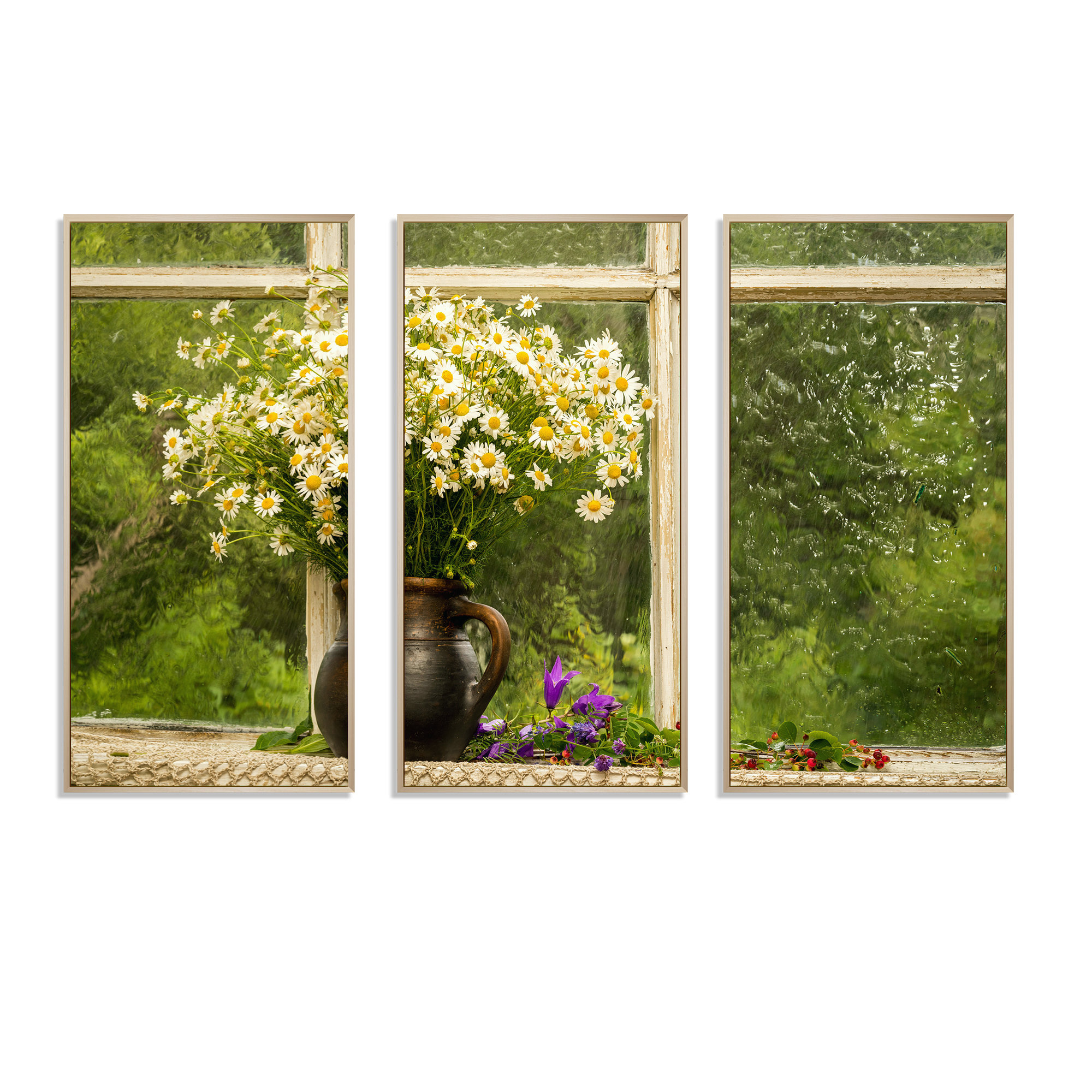
Chamomile flowers might seem unremarkable at first glance, but when transformed into still life wall art, they reveal a world of creative possibilities. The gentle yellow petals and soft white centers offer artists a canvas for exploring color relationships and visual balance. What makes these simple blooms so compelling for artistic expression? It’s not just their appearance, but how they interact with light, shadow, and space.
There’s something deeply satisfying about a well-composed chamomile still life. These delicate flowers, often overlooked in daily life, become powerful subjects when carefully arranged and thoughtfully colored. Whether you’re a seasoned artist or someone looking to enhance their home decor, understanding how to work with chamomile’s natural characteristics can elevate your artwork from ordinary to extraordinary. The secret lies not just in the flowers themselves, but in how we choose to represent them through color and composition.
Understanding Chamomile’s Natural Color Language
Chamomile flowers naturally exist in a palette of whites, soft yellows, and gentle browns. These colors aren’t just pretty—they tell a story about the flower’s essence. The pure white petals suggest purity and calm, while the golden centers evoke warmth and sunshine. When creating wall art, consider how these natural hues can be enhanced or contrasted. A subtle yellow-green background can make the white petals pop, while earth tones can ground the composition and add depth. Remember, the most beautiful art often comes from respecting the original colors rather than fighting them.
Choosing Complementary Color Schemes
The beauty of chamomile lies in its simplicity, so choosing the right complementary colors becomes crucial. Traditional color theory suggests using colors opposite each other on the color wheel. For chamomile, this might mean pairing the white and yellow with deep blues or purples. But don’t limit yourself to strict rules. Sometimes, a warm orange or even a muted red can create an unexpected harmony. The key is experimentation. Try different combinations and see how they affect the mood of your artwork. Consider how the colors make you feel when you look at them. That emotional response is often more important than technical perfection.
Creating Visual Balance Through Composition
Composition in still life art isn’t just about placing things in a pretty way. It’s about creating a visual journey for the viewer. With chamomile, think about how the flowers’ natural symmetry can be emphasized or broken. Placing a few scattered blooms creates a more relaxed, natural feel, while arranging them in a grid can create a sense of order and stability. The rule of thirds works wonderfully here—position the main flower slightly off-center to create more dynamic interest. Pay attention to negative space too; sometimes what’s not there is just as important as what is. How much empty space do you want to leave around your flowers? This decision can dramatically change the feeling of your entire piece.
Playing with Light and Shadow Effects
Lighting transforms a simple chamomile arrangement into something magical. Natural light creates varying degrees of brightness and shadow that can give depth to your artwork. A single light source can create dramatic contrasts, while diffused lighting offers softer transitions. When painting or drawing, consider how shadows fall across the petals. Do they create interesting shapes? Can you use the interplay between light and dark areas to guide the viewer’s eye? Often, the most compelling still lifes use light strategically to draw attention to specific elements. The way sunlight hits a chamomile petal can make it appear almost luminous, adding an almost ethereal quality to the overall piece.
Using Texture to Enhance the Visual Experience
Texture adds another dimension to chamomile still life art. The delicate papery texture of the petals, the smoothness of the center, and even the stems all have their own unique qualities. In painted work, you can simulate these textures through brush strokes and layering techniques. In photography, the focus on texture can create intimate details that viewers notice upon closer inspection. Consider how different materials might affect texture—rough canvas versus smooth paper, or how different types of paint can create varying tactile effects. Sometimes, a few strategic brushstrokes can capture the essence of a chamomile stem better than hours of detailed rendering.
Incorporating Contextual Elements
Adding elements beyond the flowers themselves can create richer storytelling. Think about what environment might surround your chamomile—perhaps a rustic wooden table, a vintage vase, or soft linen fabric. These contextual elements provide visual cues about time, place, and mood. A worn ceramic bowl might suggest a morning coffee ritual, while a simple white plate could imply a quiet moment of reflection. The challenge is ensuring these additions complement rather than compete with the chamomile. They should support the overall narrative, not distract from it. What story do you want to tell through your composition?
Creating compelling chamomile still life wall art isn’t just about technical skill—it’s about finding the right balance between honoring nature’s simplicity and expressing your personal vision. The colors you choose, the way you arrange the elements, and how you play with light and texture all contribute to the final piece’s emotional impact. Remember, the most successful artworks often feel effortless, even when they’ve required careful planning and execution. Take time to observe how chamomile behaves under different conditions, experiment with various approaches, and trust your instincts. After all, the best art often comes from those moments when you’re simply enjoying the process rather than worrying about the outcome. Every painting, drawing, or photograph of chamomile is an opportunity to find new ways of seeing and appreciating one of nature’s most understated treasures.
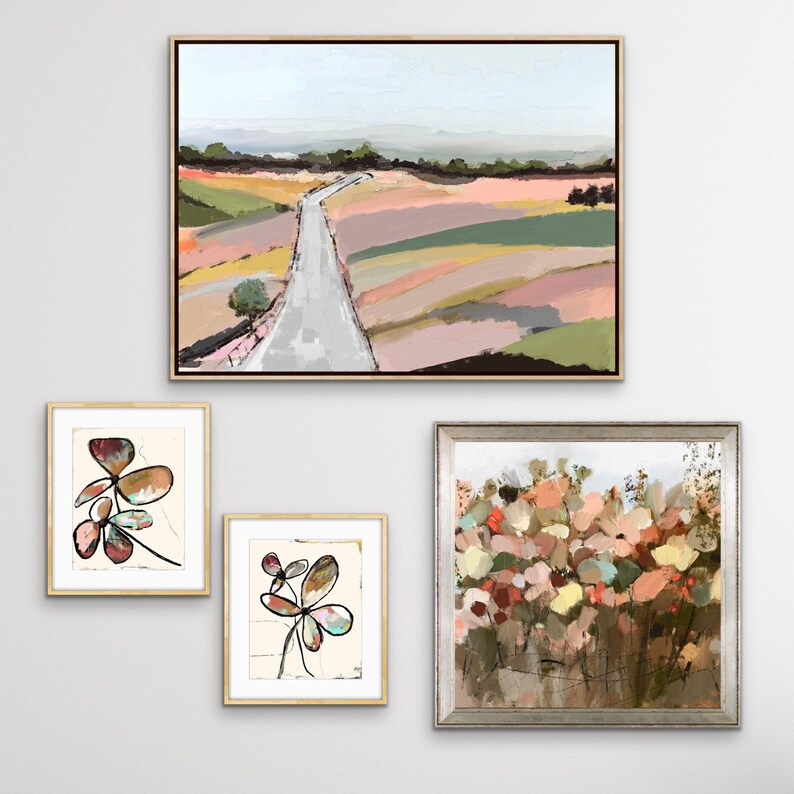
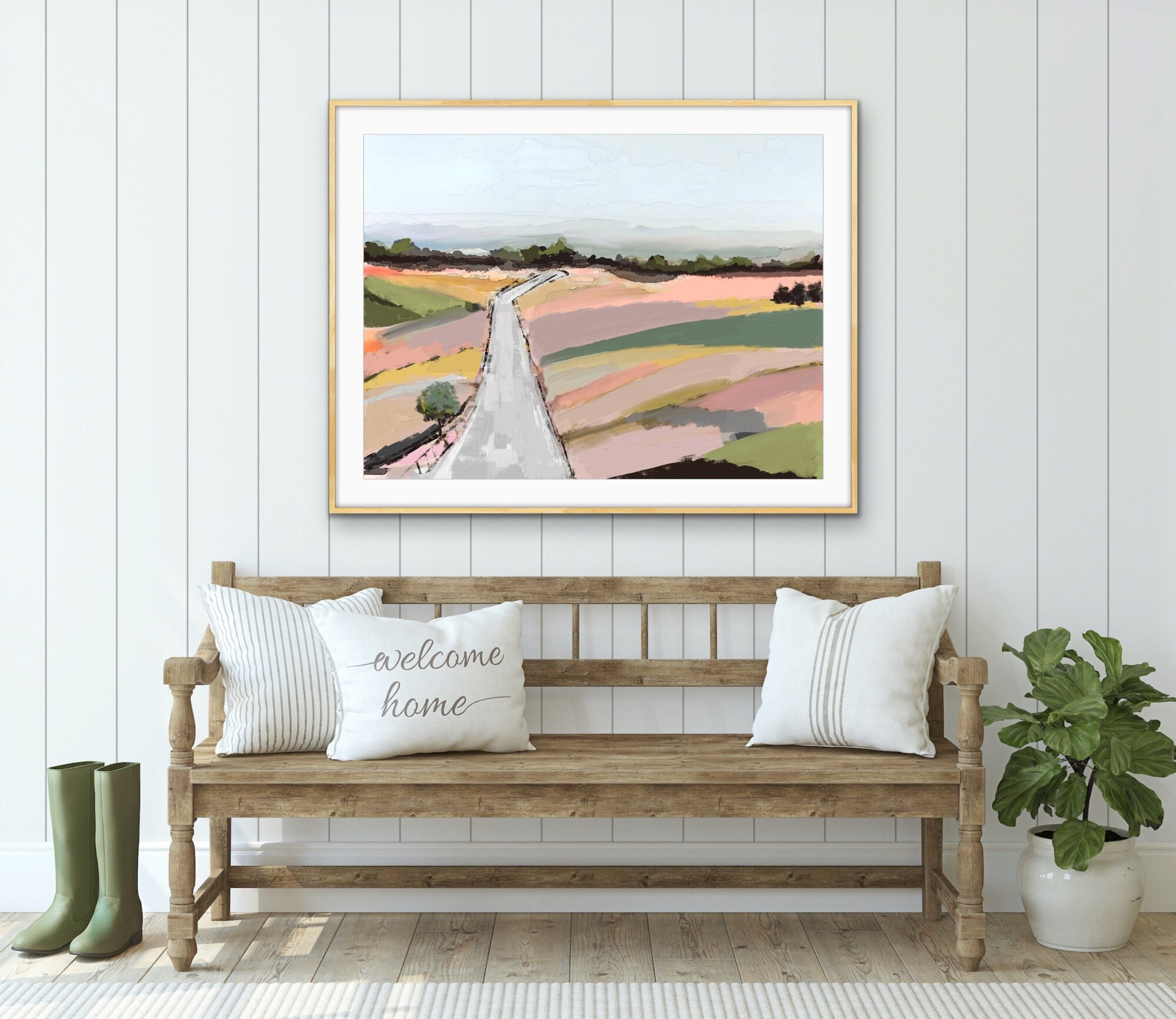
[sps_html tag=”img” src=”https://cdn.theartssection.com/wp-content/uploads/2025/11/abstract-landscape-wall-art-pink-fields-mountains-skyline-modern-regarding-still-life-bouquet-of-chamomiles-modern-landscape-wall-art.jpg” alt=”Abstract Landscape Wall Art, Pink Fields Mountains Skyline, Modern … regarding "Still Life Bouquet Of Chamomiles" Modern Landscape Wall Art” style=”width: 100%; height: auto;”]
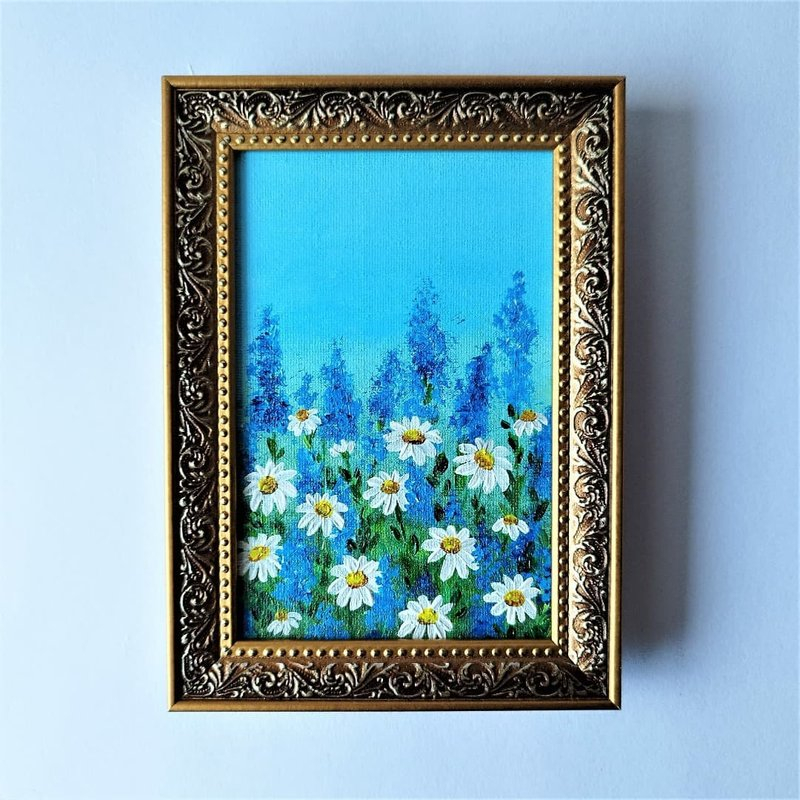
[sps_html tag=”img” src=”https://cdn.theartssection.com/wp-content/uploads/2025/11/acrylic-painting-of-daisies-landscape-wildflowers-chamomile-art-in-exploring-color-theory-in-modern-landscape-wall-art-featuring-chamomiles.jpg” alt=”Acrylic Painting Of Daisies, Landscape & Wildflowers - Chamomile Art … in Exploring Color Theory in Modern Landscape Wall Art Featuring Chamomiles” style=”width: 100%; height: auto;”]
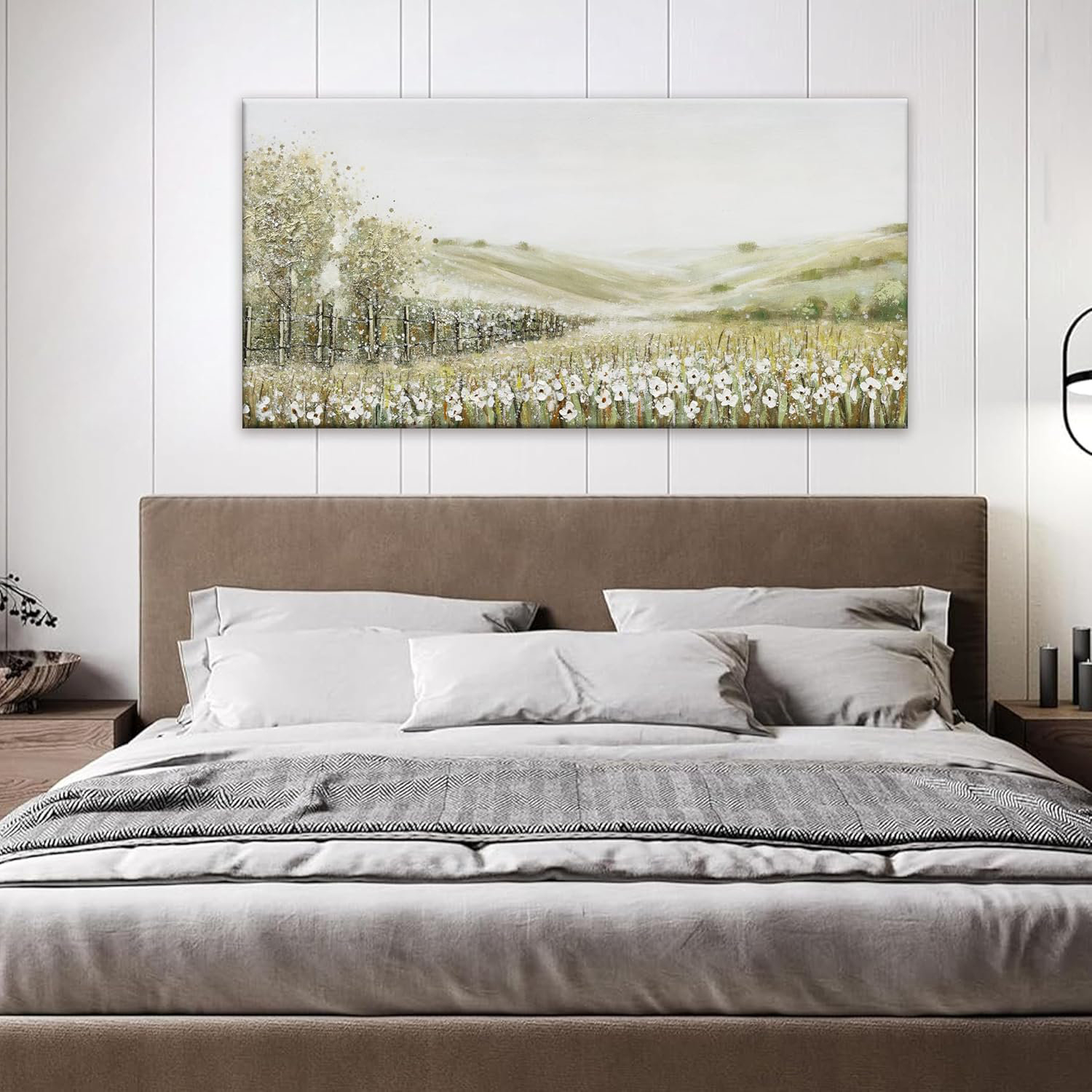
[sps_html tag=”img” src=”https://cdn.theartssection.com/wp-content/uploads/2025/11/lark-manor-natural-modern-landscape-wall-art-wayfair-in-exploring-color-theory-in-modern-landscape-wall-art-featuring-chamomiles.jpg” alt=”Lark Manor™ Natural Modern Landscape Wall Art | Wayfair in Exploring Color Theory in Modern Landscape Wall Art Featuring Chamomiles” style=”width: 100%; height: auto;”]
[sps_html tag=”img” src=”https://cdn.theartssection.com/wp-content/uploads/2025/11/abstract-landscape-wall-art-pink-fields-mountains-skyline-modern-intended-for-still-life-bouquet-of-chamomiles-modern-landscape-wall-art.jpg” alt=”Abstract Landscape Wall Art, Pink Fields Mountains Skyline, Modern … intended for "Still Life Bouquet Of Chamomiles" Modern Landscape Wall Art” style=”width: 100%; height: auto;”]
[sps_html tag=”img” src=”https://cdn.theartssection.com/wp-content/uploads/2025/11/winston-porter-still-life-bouquet-of-chamomiles-landscape-framed-inside-still-life-bouquet-of-chamomiles-modern-landscape-wall-art.jpg” alt=”Winston Porter Still Life Bouquet Of Chamomiles - Landscape Framed … inside "Still Life Bouquet Of Chamomiles" Modern Landscape Wall Art” style=”width: 100%; height: auto;”]