Imagine standing before a canvas where the deepest, most vibrant green seems to pulse with life. That’s the magic of viridian green center circles – they’re not just colors, they’re gateways to artistic exploration. This isn’t just about paint and brush strokes. It’s about the way certain hues can transform our entire creative experience.
In the world of art, few colors command as much attention and emotional resonance as viridian green. When this rich, earthy hue finds its way into circular compositions, something remarkable happens. The combination creates a visual symphony that speaks to both our rational minds and our deepest instincts. Whether you’re a seasoned artist or someone who simply appreciates beauty, viridian green center circles offer endless possibilities for creative expression. These aren’t just geometric shapes with a particular color – they’re artistic statements that invite contemplation, joy, and wonder.
The Unique Character of Viridian Green
Viridian green sits somewhere between emerald and forest, carrying the essence of nature itself. It’s not the bright, artificial green of a cartoon character, but rather the deep, complex tone found in ancient forests and rich soil. This particular shade has a fascinating quality – it can appear both cool and warm depending on lighting conditions and surrounding colors. In circle form, this versatility becomes even more pronounced. The circular shape naturally draws the eye inward, creating a sense of containment and focus. When combined with viridian’s inherent depth, it creates an almost hypnotic effect that keeps viewers engaged. Artists often describe working with viridian green as feeling like they’re capturing the very soul of vegetation itself. The color has been used throughout history by master painters, from the Renaissance to modern times, because it carries such powerful emotional weight.
Historical Roots and Cultural Significance
The use of green in art dates back thousands of years, but viridian specifically has carved out its own special place in artistic traditions. Ancient civilizations used similar tones in their cave paintings, believing these earthy colors connected them to the land and their ancestors. In many cultures, circles represent unity, wholeness, and the eternal cycle of life. When you combine these two powerful symbols – the sacred green of nature and the universal circle – you get something truly profound. Medieval manuscripts often featured green circles as decorative elements, sometimes representing gardens or sacred spaces. Even in contemporary art, artists like Georgia O’Keeffe explored similar concepts, using organic forms and rich greens to create deeply personal statements about the natural world. The viridian green center circle isn’t just a modern trend – it’s part of a long lineage of artistic expression that connects us to our primal appreciation of beauty.
Technical Approaches to Creating Viridian Circle Art
Working with viridian green in circular compositions requires understanding both the color’s properties and the technical aspects of execution. Start with a base layer of the green, then build up layers gradually to achieve depth. Many artists find success mixing ultramarine blue with yellow ochre to create their own version of viridian. The key is patience – true viridian takes time to develop. When it comes to the circular element, consider using different techniques. Freehand drawing allows for organic imperfections that add character, while stencils provide clean, precise circles for more structured compositions. Some artists prefer to create multiple overlapping circles, each slightly different in size or shade, building complexity through repetition. Others experiment with negative space, using the circle as a focal point against empty areas. The medium matters too – oil paints allow for slow blending, while acrylics offer quick drying times for layering effects. Experimentation is crucial here.
Psychological Impact and Emotional Resonance
There’s something deeply therapeutic about staring at a well-executed viridian green circle. Psychologists have noted that green is associated with balance, harmony, and renewal. The circle, meanwhile, represents completeness and infinity. Together, they create a visual meditation that can calm the mind and center the spirit. This combination works particularly well in stress-relief art projects or mindfulness practices. Many people report feeling grounded when viewing such artwork, as if the green circle offers a bridge between chaos and peace. The emotional impact varies from person to person – some find it energizing, others soothing. The key is that it consistently evokes strong feelings. This makes viridian green center circles excellent subjects for exploring personal emotions or creating therapeutic art pieces. The simplicity of the circle combined with the richness of the color creates a powerful emotional palette that artists can manipulate for specific effects.
Practical Applications in Modern Art
Today, viridian green center circles appear in everything from digital art to textile design. In graphic design, they serve as powerful focal points that draw attention without overwhelming the viewer. Fashion designers incorporate circular green motifs into accessories, creating pieces that feel both contemporary and timeless. Interior decorators use them in wall art, cushions, and decorative objects to bring a sense of calm to busy spaces. Digital artists often create animated versions that pulse or shift subtly, adding movement to static compositions. The versatility extends to sculpture as well – artists create three-dimensional versions that play with light and shadow in fascinating ways. Even in architecture, circular green elements appear in landscaping designs and interior features. The applications seem limitless because the concept speaks to fundamental human preferences for both natural beauty and geometric order.
Tips for Beginners and Experienced Artists
Starting with viridian green center circles doesn’t require expensive materials or years of training. Here are some practical approaches:
• Begin with basic supplies: A simple set of watercolors or acrylics, some paper, and a compass or circular object for drawing.
• Practice color mixing: Experiment with different combinations of blues, yellows, and earth tones to find your preferred viridian.
• Start small: Try creating a single circle first before attempting complex arrangements.
• Play with scale: Vary the sizes of your circles to create dynamic compositions.
• Use texture: Add subtle variations in brushstroke or pigment application to create depth.
• Consider the environment: Think about how lighting and background will affect your final piece.
For experienced artists, the challenge lies in pushing beyond the obvious. Try incorporating unexpected elements like metallic accents, unusual textures, or contrasting colors. The key is to let the green circle guide your creativity rather than constrain it. Remember, great art often emerges from experimentation and willingness to take risks.
Viridian green center circles represent far more than a simple artistic technique – they embody a connection between nature, geometry, and human emotion. From ancient cave paintings to modern digital media, this combination continues to inspire creators worldwide. What makes it so compelling is its ability to simultaneously ground us in natural beauty while offering infinite creative possibilities. Whether you’re drawn to the color for its calming properties, the geometric form for its precision, or simply because it looks stunning, there’s no denying that viridian green center circles hold a special place in the artistic landscape. The journey of exploring these circles is as rewarding as the final artwork itself. Every attempt teaches something new, every composition reveals another layer of possibility. The beauty lies not just in the result, but in the process of discovery that unfolds with each brushstroke or digital click.
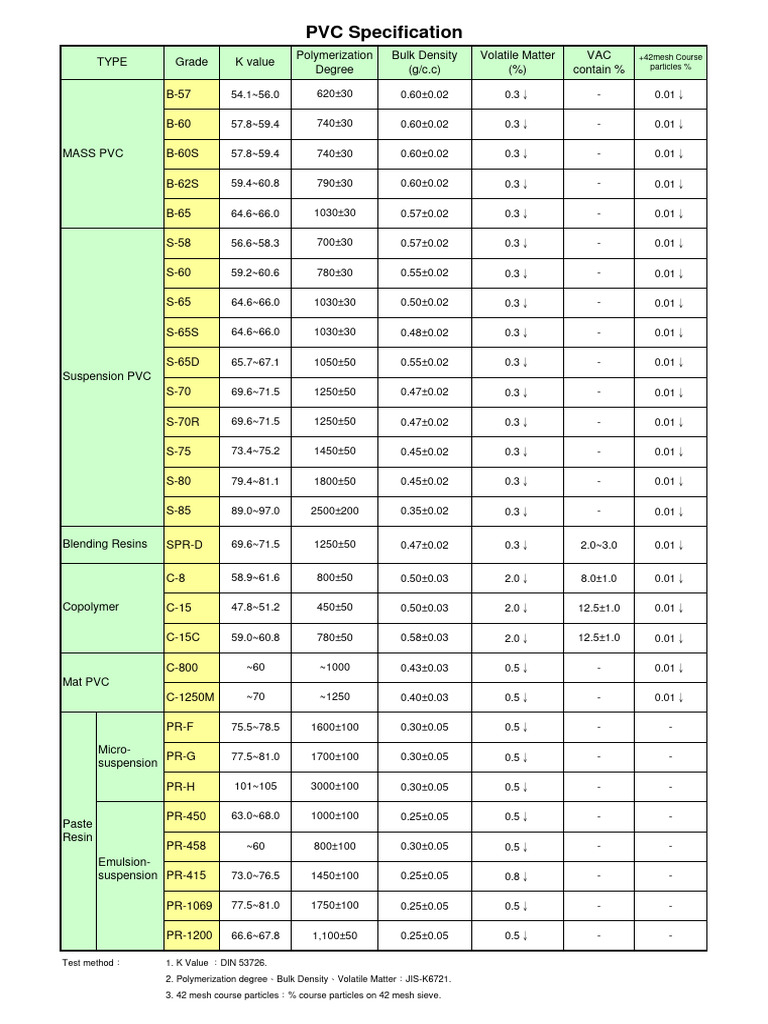
[sps_html tag=”img” src=”https://cdn.theartssection.com/wp-content/uploads/2025/11/grade-pvc-specification-pdf-polyvinyl-chloride-foam-with-understanding-the-technical-specifications-of-12-pvc-arts-amp-crafts.jpg” alt=”Grade Pvc Specification | Pdf | Polyvinyl Chloride | Foam with Understanding the Technical Specifications of 12" PVC Arts & Crafts” style=”width: 100%; height: auto;”]
[sps_html tag=”img” src=”https://cdn.theartssection.com/wp-content/uploads/2025/11/pvc-pipe-fittings-sizes-and-dimensions-guide-diagrams-and-43-off-in-12w-true-fit-pvc-center-circle-arts-crafts-viridian-green-40h.jpg” alt=”Pvc Pipe Fittings Sizes And Dimensions Guide (Diagrams And, 43% Off in 12"W True Fit Pvc Center Circle Arts & Crafts, Viridian Green, 40"H” style=”width: 100%; height: auto;”]
[sps_html tag=”img” src=”https://cdn.theartssection.com/wp-content/uploads/2025/11/what-is-a-technical-specification-sheet-at-elijah-robert-blog-pertaining-to-12w-true-fit-pvc-center-circle-arts-crafts-viridian-green-40h.jpg” alt=”What Is A Technical Specification Sheet At Elijah Robert Blog pertaining to 12"W True Fit Pvc Center Circle Arts & Crafts, Viridian Green, 40"H” style=”width: 100%; height: auto;”]
[sps_html tag=”img” src=”https://cdn.theartssection.com/wp-content/uploads/2025/11/technical-specifications-intended-for-12w-true-fit-pvc-center-circle-arts-crafts-viridian-green-40h.jpg” alt=”Technical Specifications intended for 12"W True Fit Pvc Center Circle Arts & Crafts, Viridian Green, 40"H” style=”width: 100%; height: auto;”]
[sps_html tag=”img” src=”https://cdn.theartssection.com/wp-content/uploads/2025/11/technical-specifications-and-gtp-for-hd-rigid-pvc-pipe-1010-pdf-inside-12w-true-fit-pvc-center-circle-arts-crafts-viridian-green-40h.jpg” alt=”Technical Specifications And Gtp For Hd Rigid Pvc Pipe - 1010 | Pdf … inside 12"W True Fit Pvc Center Circle Arts & Crafts, Viridian Green, 40"H” style=”width: 100%; height: auto;”]