Think about the first thing you notice when entering a room. It’s probably not the furniture or the color scheme. It’s the visual elements that catch our attention immediately. For children, this first impression is even more powerful because their brains are still developing and absorbing everything around them. This is where wall art becomes more than decoration—it becomes a teacher.
Picture a nursery filled with colorful murals, educational posters, and interactive displays. Now imagine that same space without any visual stimulation beyond basic walls. Which environment do you think would spark more curiosity? The answer isn’t just about aesthetics. It’s about neuroscience, psychology, and how our surroundings shape who we become. Wall art that teaches isn’t just pretty pictures hanging on the wall—it’s a carefully crafted learning tool designed to nurture cognitive growth, emotional intelligence, and creativity in young minds.
The Brain’s Response to Visual Stimuli
When children look at wall art, their brains light up in fascinating ways. Scientists have discovered that visual processing activates multiple regions of the brain simultaneously. This isn’t just about seeing colors or shapes. When kids encounter educational artwork, their prefrontal cortex—the part responsible for decision-making and planning—gets involved. Their hippocampus, crucial for memory formation, also responds strongly. This means that every time a child looks at a wall mural showing animals, they’re not just observing—they’re building neural pathways that support learning.
Research from the University of California shows that children exposed to rich visual environments develop stronger pattern recognition skills. These skills translate directly into better performance in math, reading, and problem-solving later in life. The brain doesn’t distinguish between looking at art and learning from it—it simply absorbs everything it sees as important information.
Color Psychology and Emotional Development
Colors on walls don’t just please the eye—they communicate emotions and influence behavior. Blue walls can promote calmness and focus, while warm yellows often encourage energy and creativity. This isn’t just guesswork either. Studies conducted in early childhood education settings consistently show that children in rooms with carefully selected color schemes demonstrate improved mood regulation and social interaction skills.
Consider a classroom with predominantly green and earth tones versus one filled with bright reds and oranges. The former tends to produce calmer students who stay focused longer, while the latter creates more energetic, expressive learners. These effects aren’t subtle—they’re measurable. Teachers report significant changes in student behavior within weeks of implementing thoughtful color choices in their learning environments.
For parents, this means choosing wall art colors that align with desired outcomes. If you want to encourage peaceful bedtime routines, consider soft blues and purples. Want to boost creativity during playtime? Bright, contrasting colors might be just what the doctor ordered.
Interactive Elements That Foster Engagement
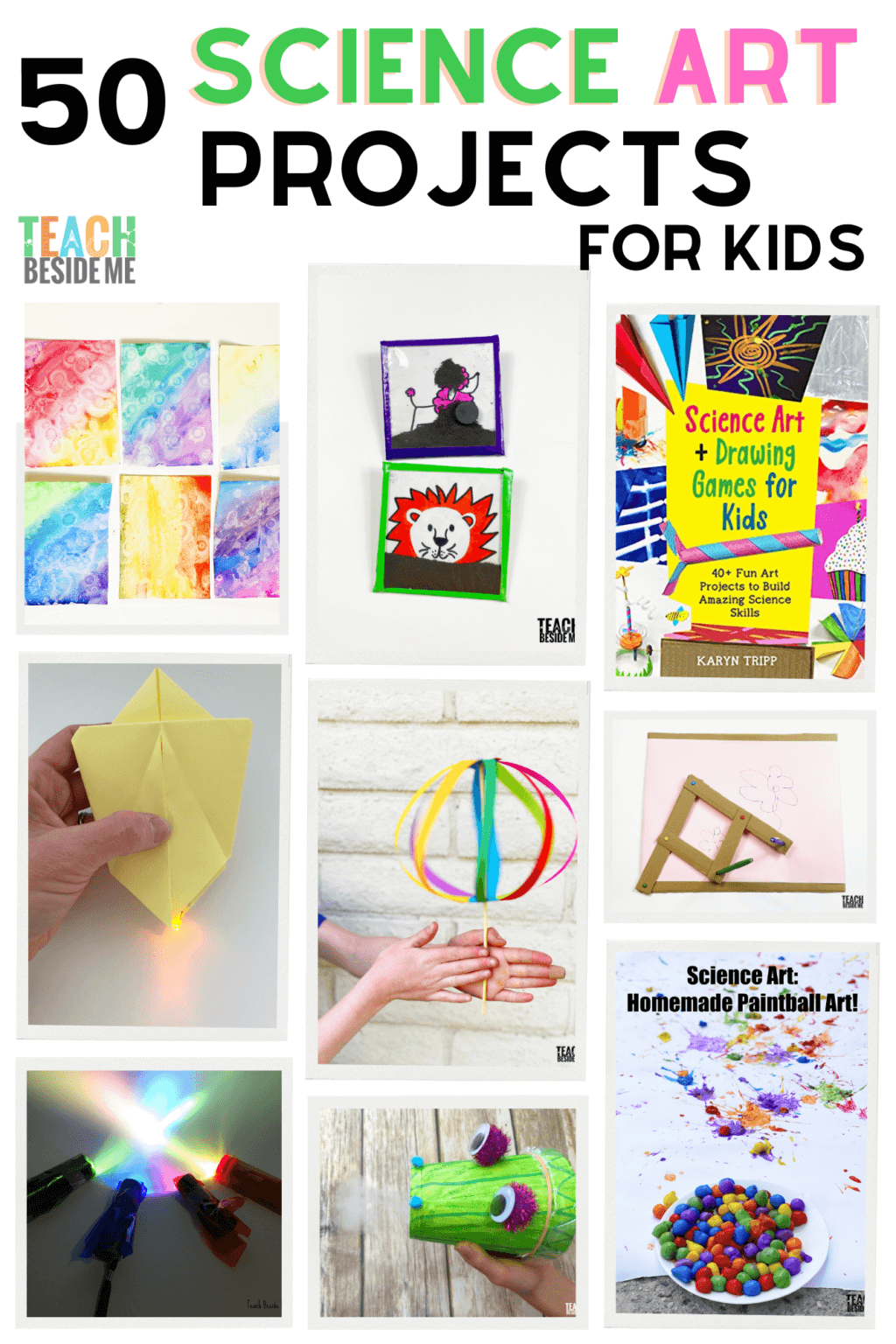
Not all wall art needs to be static to be effective. Interactive elements—like touchable textures, moveable parts, or puzzles embedded in the artwork—can dramatically increase engagement levels. These features activate different parts of the brain, encouraging active participation rather than passive observation.
Take the example of a wall mural featuring a tree with removable leaves. Children can physically interact with the artwork, sorting leaves by color, size, or type. This simple act transforms the wall from a decorative element into a hands-on learning station. Research published in the Journal of Child Development found that children who engaged with interactive wall art showed 40% better retention rates for new vocabulary compared to those who only viewed traditional posters.
This approach works particularly well for younger children who learn primarily through physical interaction. When a child can trace letters with their fingers on a wall alphabet display, they’re forming lasting connections between visual symbols and motor skills. It’s the difference between memorizing and truly understanding.
Cultural Representation and Identity Formation
Wall art that reflects diverse cultures, traditions, and perspectives helps children develop a sense of belonging and identity. When kids see themselves represented in their learning environment, they feel validated and confident. This representation extends beyond race and ethnicity to include different family structures, abilities, and life experiences.
A study by the National Association for the Education of Young Children revealed that children in classrooms with culturally diverse wall art demonstrated higher levels of empathy and cross-cultural understanding. They were more likely to ask questions about differences they observed and express curiosity about other ways of life.
Consider a family with mixed heritage. A wall display featuring cultural celebrations from both sides of their background creates a powerful sense of pride and acceptance. It sends a clear message that diversity is celebrated and valued. This kind of inclusive art helps children develop resilience and open-mindedness from an early age.
Educational Themes That Support Learning Goals
The most effective wall art isn’t just visually appealing—it actively supports specific learning objectives. Whether you’re focusing on literacy, science concepts, or mathematical thinking, there are art strategies that align perfectly with developmental milestones.
Math-focused wall art might include number lines, geometric shapes, or counting sequences that children can reference throughout the day. Language development benefits from alphabet displays, sight word charts, or story sequence visuals. Science themes could feature life cycles, weather patterns, or basic anatomy illustrations.
What makes these approaches particularly powerful is their constant accessibility. Unlike textbooks that are only used during specific lessons, wall art provides daily reinforcement. A child walking past a multiplication chart during recess might suddenly remember a concept they learned earlier in the day. This repeated exposure strengthens memory and comprehension in ways that traditional teaching methods alone cannot match.
The key is matching the art to developmental stages. Younger children benefit more from bright, simple images, while older kids can engage with more complex concepts and detailed information.
Practical Implementation Strategies
Transforming your space into an educational canvas doesn’t require a complete overhaul or expensive materials. Start small and build gradually. Here are some practical approaches:
• Begin with one area of the room, like a child’s bedroom wall or a designated learning corner
• Choose themes that align with current interests or learning goals
• Incorporate seasonal changes to keep content fresh and engaging
• Mix different art styles to appeal to various learning preferences
• Involve children in the selection process to increase ownership and excitement
Simple DIY solutions can be incredibly effective. Use fabric scraps to create textured displays, or turn old magazines into collages that teach about different topics. The most important factor isn’t cost but consistency and relevance to the child’s developmental stage. A well-planned wall display can serve as a foundation for years of learning and growth.
Wall art that teaches represents more than decoration—it’s a form of intentional parenting and education. Every time a child looks up at a carefully chosen mural, they’re experiencing the power of their environment to shape their future. The science is clear: visual stimuli affect brain development, emotional regulation, and learning outcomes. As parents and caregivers, we have the opportunity to create spaces that nurture not just bodies but minds.
The beauty of this approach lies in its simplicity and accessibility. You don’t need to be an artist or a scientist to implement these strategies. You just need to pay attention to what’s around your children and make thoughtful choices about what you want to teach them through visual means. Whether it’s a simple alphabet chart or a complex cultural display, each element contributes to the larger picture of child development. The wall is the canvas, and the child is the artist of their own growth.
[sps_html tag=”img” src=”https://cdn.theartssection.com/wp-content/uploads/2025/12/grow-a-rainbow-science-experiments-for-preschoolers-preschool-intended-for-art-that-teaches-the-science-behind-growing-kids-imagination.jpg” alt=”Grow A Rainbow | Science Experiments For Preschoolers, Preschool … intended for Art That Teaches: The Science Behind Growing Kids' Imagination” style=”width: 100%; height: auto;”]
[sps_html tag=”img” src=”https://cdn.theartssection.com/wp-content/uploads/2025/12/book-of-imagination-and-a-girl-fantasy-art-concept-idea-of-education-in-growing-kids-caterpillar-to-butterfly-series-canvas-wall-art-cocoon.jpg” alt=”Book Of Imagination And A Girl. Fantasy Art. Concept Idea Of Education … in Growing Kids Caterpillar To Butterfly Series Canvas Wall Art, Cocoon” style=”width: 100%; height: auto;”]
[sps_html tag=”img” src=”https://cdn.theartssection.com/wp-content/uploads/2025/12/the-coolest-science-art-projects-for-kids-hands-on-activities-that-mix-for-growing-kids-caterpillar-to-butterfly-series-canvas-wall-art-cocoon.png” alt=”The Coolest Science Art Projects For Kids: Hands-On Activities That Mix … for Growing Kids Caterpillar To Butterfly Series Canvas Wall Art, Cocoon” style=”width: 100%; height: auto;”]
[sps_html tag=”img” src=”https://cdn.theartssection.com/wp-content/uploads/2025/12/pretend-play-ways-children-can-exercise-their-imagination-throughout-growing-kids-caterpillar-to-butterfly-series-canvas-wall-art-cocoon.jpg” alt=”Pretend Play: Ways Children Can Exercise Their Imagination … throughout Growing Kids Caterpillar To Butterfly Series Canvas Wall Art, Cocoon” style=”width: 100%; height: auto;”]
[sps_html tag=”img” src=”https://cdn.theartssection.com/wp-content/uploads/2025/12/how-to-teach-art-fun-easy-methods-within-art-that-teaches-the-science-behind-growing-kids-imagination.jpg” alt=”How To Teach Art: Fun & Easy Methods within Art That Teaches: The Science Behind Growing Kids' Imagination” style=”width: 100%; height: auto;”]