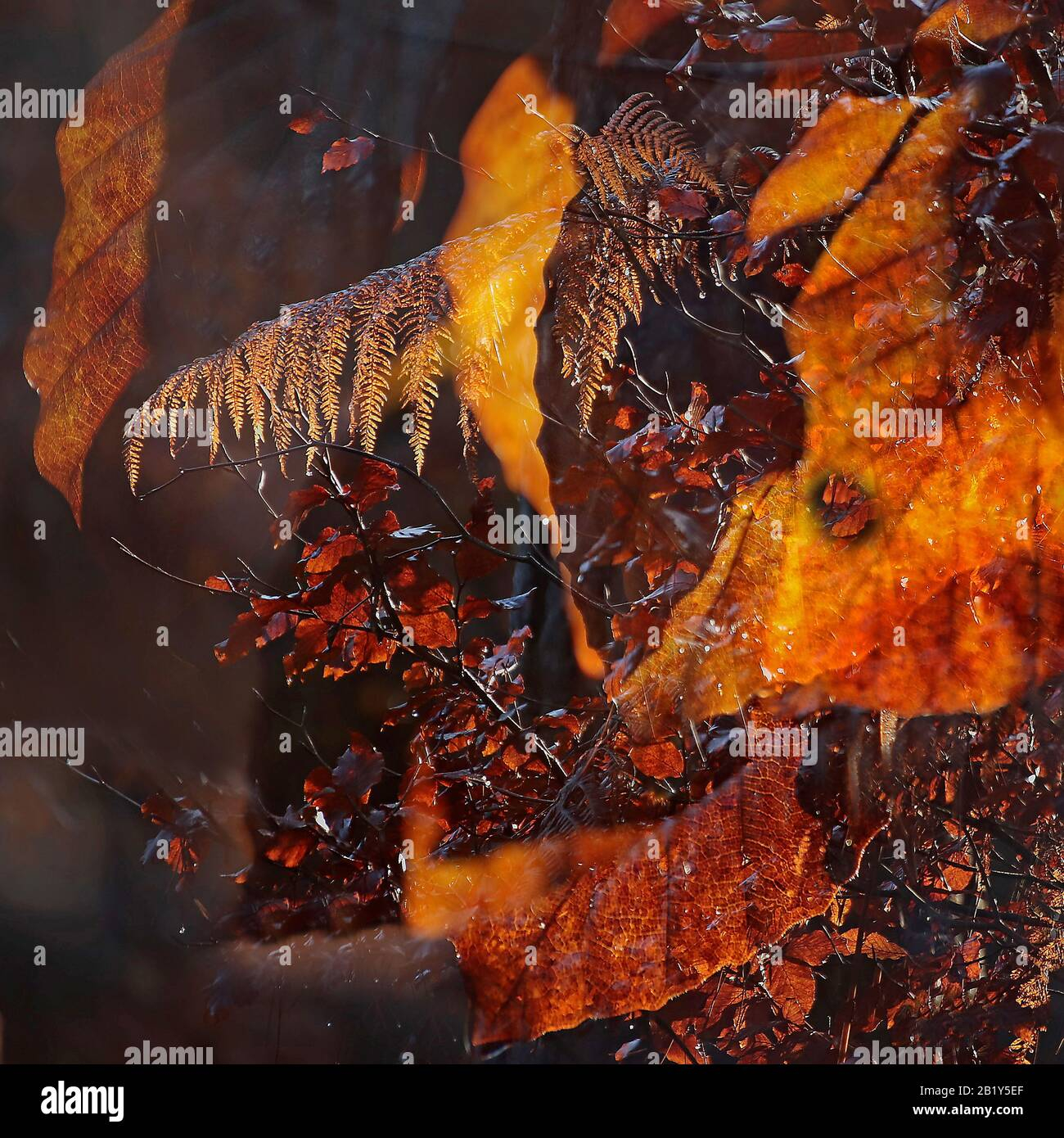
Have you ever noticed how certain trees seem to dance with the wind? Or how their curved forms create such striking shapes against the horizon? These aren’t just random patterns – they’re nature’s way of speaking through art. Every arch, every curve, every graceful bend tells a story that artists and viewers alike have been reading for centuries.
The way trees bend and sway in the wind creates a visual vocabulary that transcends language barriers. When we look at photographs of trees against sunsets, or paintings of forest scenes, we’re witnessing something deeper than mere scenery. We’re seeing the artistic language of nature itself. The arching silhouette isn’t just beautiful – it’s a form of communication that speaks to our deepest aesthetic instincts. This isn’t about scientific classification or botanical accuracy. It’s about the emotional resonance these forms create when we see them.
What Makes a Tree Silhouette Artistic?
A tree silhouette becomes artistic when its shape communicates something beyond its physical reality. Think about the difference between looking at a tree and seeing a tree versus seeing a tree as a symbol. The arching form of a willow tree, for instance, creates a gentle S-curve that feels almost like a wave frozen in time. This isn’t accidental – it’s the result of millions of years of evolution creating forms that are inherently pleasing to the human eye.
The artistic quality comes from several factors:
• Natural curves that follow the eye naturally
• Contrast between light and dark elements
• The sense of movement and flow
• The emotional response they trigger
• How they interact with the surrounding environment
Consider the famous photograph of a lone tree against a stormy sky. The arching silhouette doesn’t just show us a tree – it shows us resilience, solitude, and the power of nature to create beauty even in turmoil. That’s the magic of artistic tree silhouettes.
Cultural Significance Across Time
Different cultures have long recognized the symbolic power of arched tree forms. In Japanese aesthetics, the concept of "ma" – the space between things – is beautifully illustrated by the negative space created by curved branches. The cherry blossom tree’s graceful arches represent the fleeting nature of life itself. Native American traditions often view certain tree arches as pathways between worlds.
European art history is full of examples where artists deliberately emphasized arched silhouettes. The Romantic painters of the 1800s loved the dramatic effect of bent trees against stormy skies. They understood that these forms could express emotion better than straight lines ever could. Even in medieval manuscripts, the curved branches of trees often represented the connection between earth and heaven.
These cultural connections remind us that artistic appreciation isn’t just personal – it’s deeply rooted in shared human experiences and collective memory. The way we interpret arched tree silhouettes reflects our collective understanding of beauty, struggle, and transcendence.
The Science Behind Natural Curves
But what makes some trees naturally arch while others remain straight? It’s not just genetics – though that plays a role. Environmental factors matter enormously. Wind patterns, soil conditions, and competition for sunlight all influence how trees grow their branches. A tree growing in a windy area might develop more pronounced arches as a survival mechanism.
Research has shown that curved branches actually distribute stress more efficiently than straight ones. This means that trees that arch naturally are often stronger and more resilient. Scientists studying plant biomechanics have discovered that the gentle curves in tree branches create optimal balance between flexibility and structural integrity.
This scientific understanding adds another layer to appreciating these silhouettes. When we see a graceful curve in a tree, we’re witnessing both artistry and engineering. The form isn’t just pretty – it’s functional, evolved for purpose. That knowledge makes the visual experience even richer.
Modern Interpretations in Visual Arts
Contemporary artists continue to draw inspiration from these natural forms. Photographers like Ansel Adams captured the dramatic contrast between arched tree silhouettes and dramatic skies. His work showed how these forms could create powerful compositions that spoke to viewers’ emotions.
In digital art, designers often mimic the natural curves found in tree silhouettes to create modern logos and branding elements. The organic flow of these shapes feels familiar and comforting in our increasingly synthetic world. Fashion designers also incorporate these curves into clothing patterns, recognizing that the human eye responds positively to natural forms.
Even in architecture, the influence is clear. Modern buildings sometimes incorporate curved elements that echo the graceful arcs of trees. The idea is to bring that natural beauty into constructed environments, making spaces feel more alive and connected to the outdoors.
Emotional Impact and Psychological Effects
Why do we find arched tree silhouettes so emotionally compelling? Psychology suggests it has something to do with how our brains process natural forms. Research indicates that curved lines activate areas of the brain associated with positive emotions and relaxation. This might explain why we feel calmer when surrounded by gently curving tree branches.
The emotional impact goes beyond simple aesthetics. Arched silhouettes often represent resilience – trees bending but not breaking in storms. They suggest growth and adaptation, qualities we admire and aspire to. In times of stress, looking at these forms can provide a sense of stability and continuity.
Studies have shown that exposure to natural curved forms can reduce cortisol levels and improve mood. When we see a tree arching gracefully against a sunset, we’re not just observing nature – we’re experiencing a form of therapy. The visual language of these silhouettes seems to communicate directly with our emotional centers.
How to Appreciate These Natural Masterpieces
Learning to see the artistic language of arched tree silhouettes takes practice, but anyone can develop this skill. Start by looking for the curves in everyday scenes. Notice how branches create S-shapes, how trunks bend toward the light, or how leaves form natural frames around the sky.
Try taking your own photos focusing on these forms. Experiment with different angles and lighting conditions. Morning or evening light often creates the most dramatic contrasts between the tree and background.
Consider visiting places where these silhouettes are particularly striking – ancient forests, coastal areas, or open meadows with scattered trees. These locations often showcase the full range of artistic expression that arched tree forms can offer.
Remember, there’s no right or wrong way to appreciate these natural artworks. Whether you’re a professional artist or someone who simply enjoys walking through parks, these forms offer something for everyone. The key is paying attention and allowing yourself to be moved by what you see.
Arching tree silhouettes represent more than just beautiful natural forms – they’re part of a universal visual language that connects us to nature, to each other, and to our deepest aesthetic sensibilities. From ancient cultures to modern art, from scientific understanding to emotional response, these curves speak to something fundamental about what we find meaningful and beautiful in the world. Whether you’re photographing them, painting them, or simply walking beneath them, these natural masterpieces invite us to slow down, observe, and appreciate the artistry that surrounds us every day. The next time you see a tree bending in the wind, take a moment to really look at its silhouette. You might discover that it’s not just a tree – it’s a poem written in the sky.
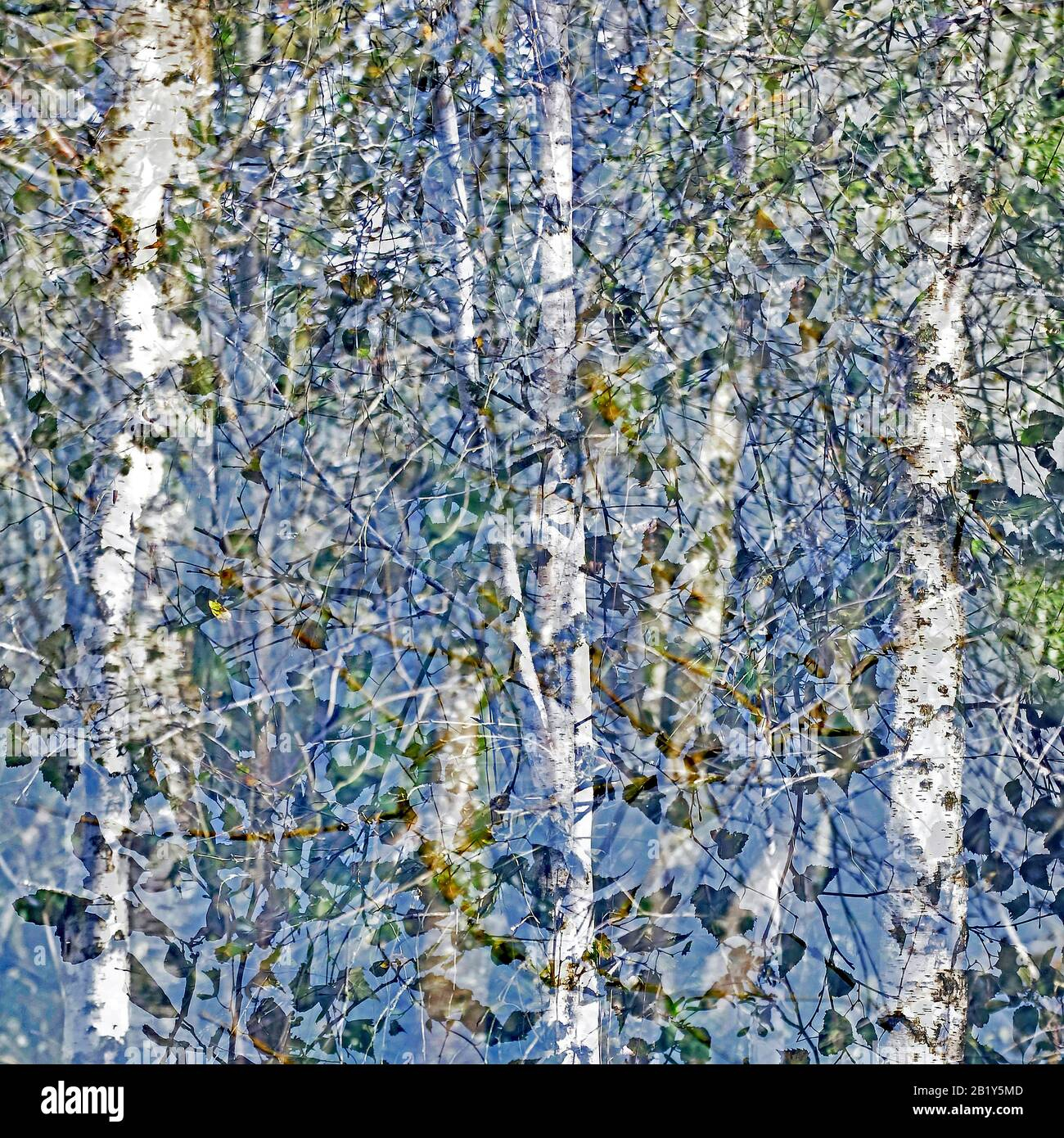
[sps_html tag=”img” src=”https://cdn.theartssection.com/wp-content/uploads/2025/11/artistic-abstract-and-impressionistic-photography-in-shades-hues-and-regarding-rising-sun-over-arched-forest-landscape-photo-wall-art.jpg” alt=”Artistic Abstract And Impressionistic Photography In Shades Hues And … regarding "Rising Sun Over Arched Forest" Landscape Photo Wall Art” style=”width: 100%; height: auto;”]
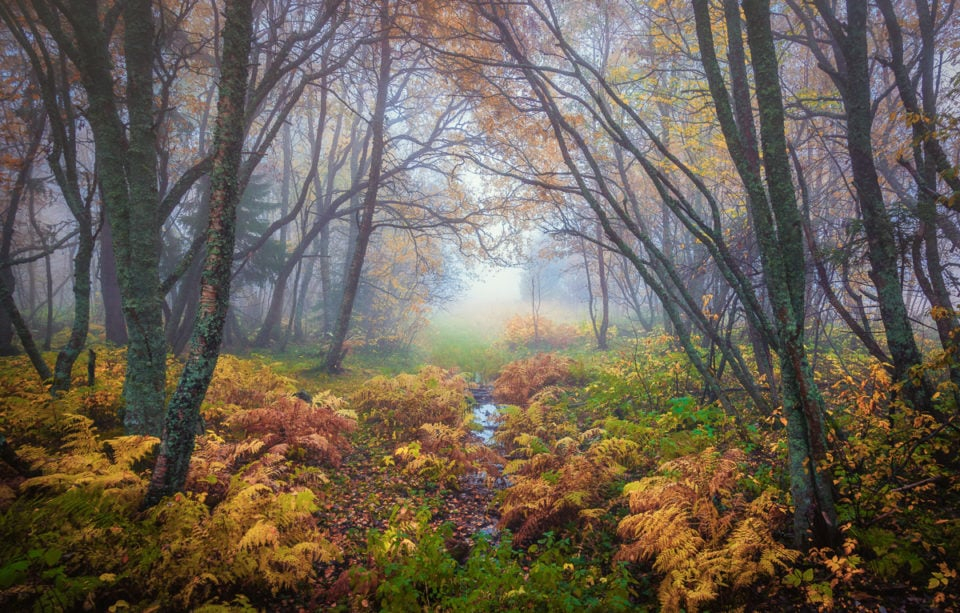
[sps_html tag=”img” src=”https://cdn.theartssection.com/wp-content/uploads/2025/11/ultimate-guide-to-forest-photography-tips-and-tricks-intended-for-understanding-the-artistic-elements-of-forest-photography.jpg” alt=”Ultimate Guide To Forest Photography – Tips And Tricks intended for Understanding the Artistic Elements of Forest Photography” style=”width: 100%; height: auto;”]
[sps_html tag=”img” src=”https://cdn.theartssection.com/wp-content/uploads/2025/11/artistic-abstract-and-impressionistic-photography-in-shades-hues-and-with-understanding-the-artistic-elements-of-forest-photography.jpg” alt=”Artistic Abstract And Impressionistic Photography In Shades Hues And … with Understanding the Artistic Elements of Forest Photography” style=”width: 100%; height: auto;”]
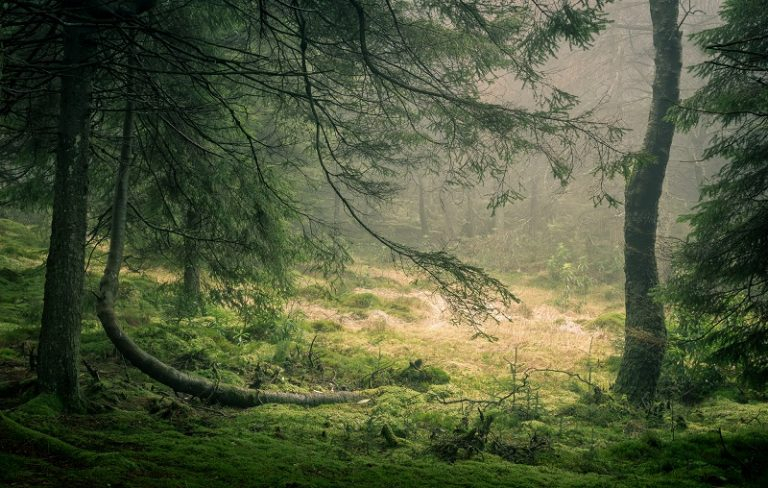
[sps_html tag=”img” src=”https://cdn.theartssection.com/wp-content/uploads/2025/11/how-to-photograph-forests-and-trees-capturelandscapes-throughout-rising-sun-over-arched-forest-landscape-photo-wall-art.jpg” alt=”How To Photograph Forests And Trees - Capturelandscapes throughout "Rising Sun Over Arched Forest" Landscape Photo Wall Art” style=”width: 100%; height: auto;”]
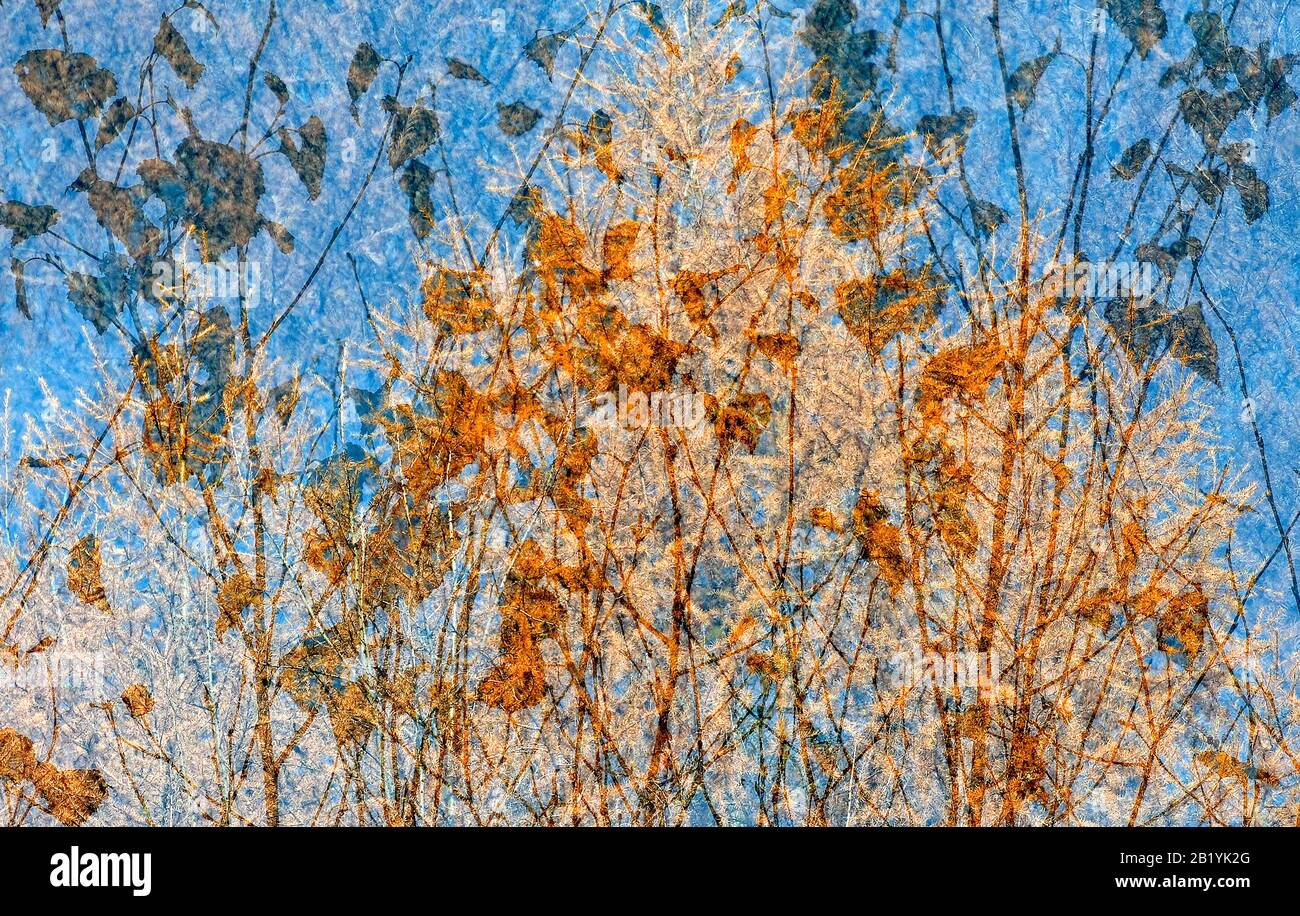
[sps_html tag=”img” src=”https://cdn.theartssection.com/wp-content/uploads/2025/11/artistic-abstract-and-impressionistic-photography-in-shades-hues-and-for-rising-sun-over-arched-forest-landscape-photo-wall-art.jpg” alt=”Artistic Abstract And Impressionistic Photography In Shades Hues And … for "Rising Sun Over Arched Forest" Landscape Photo Wall Art” style=”width: 100%; height: auto;”]