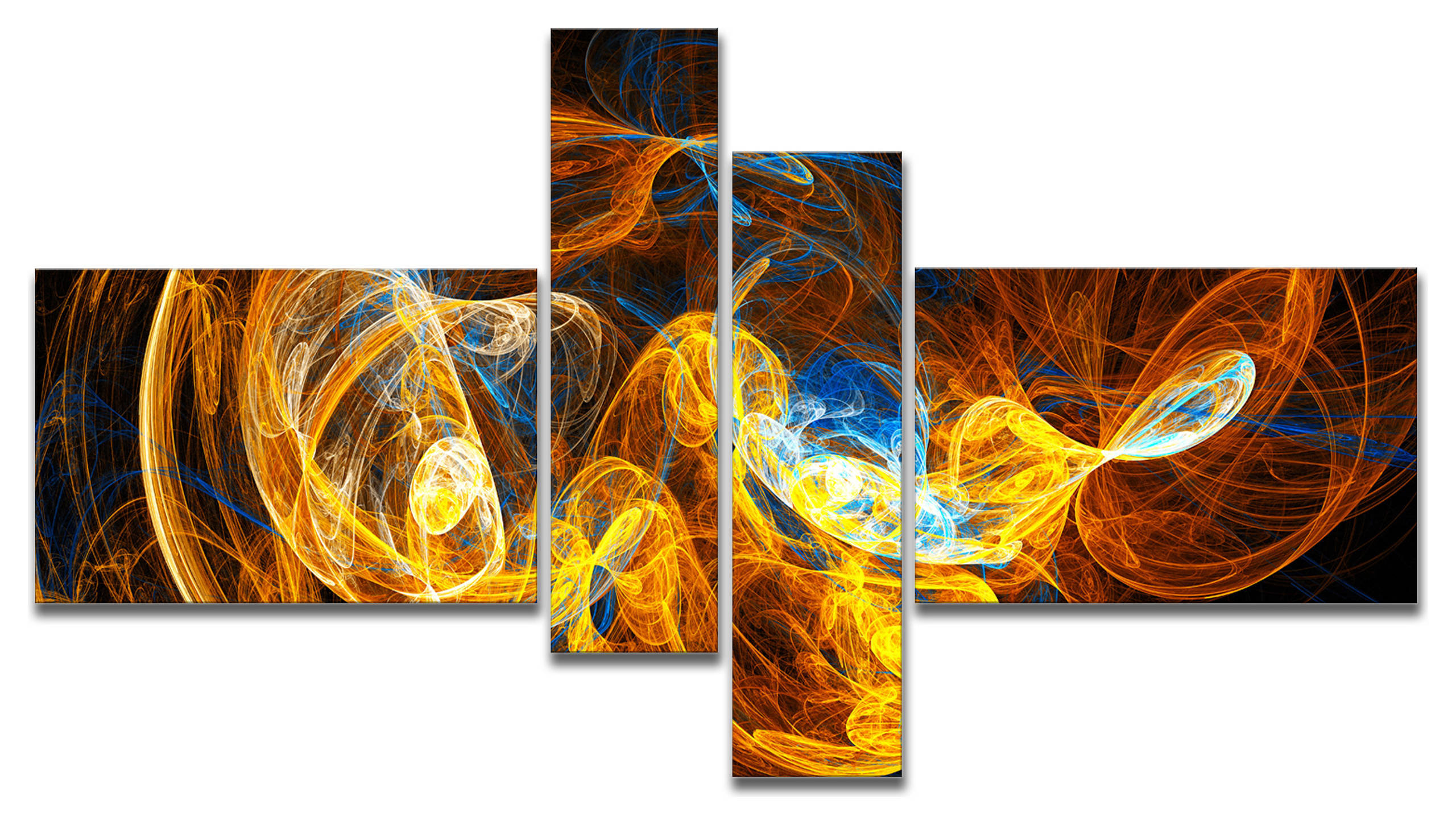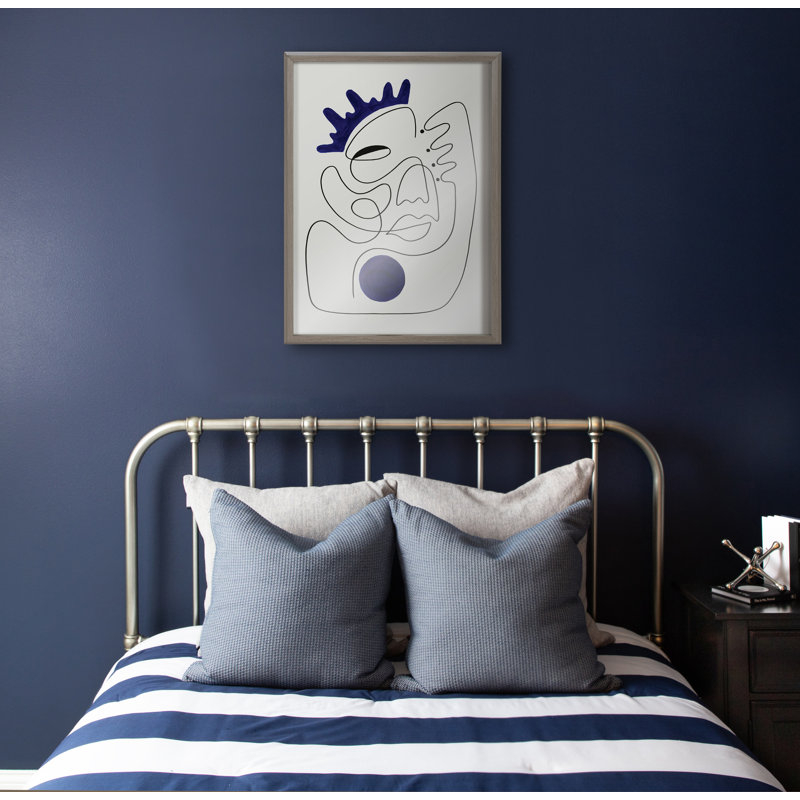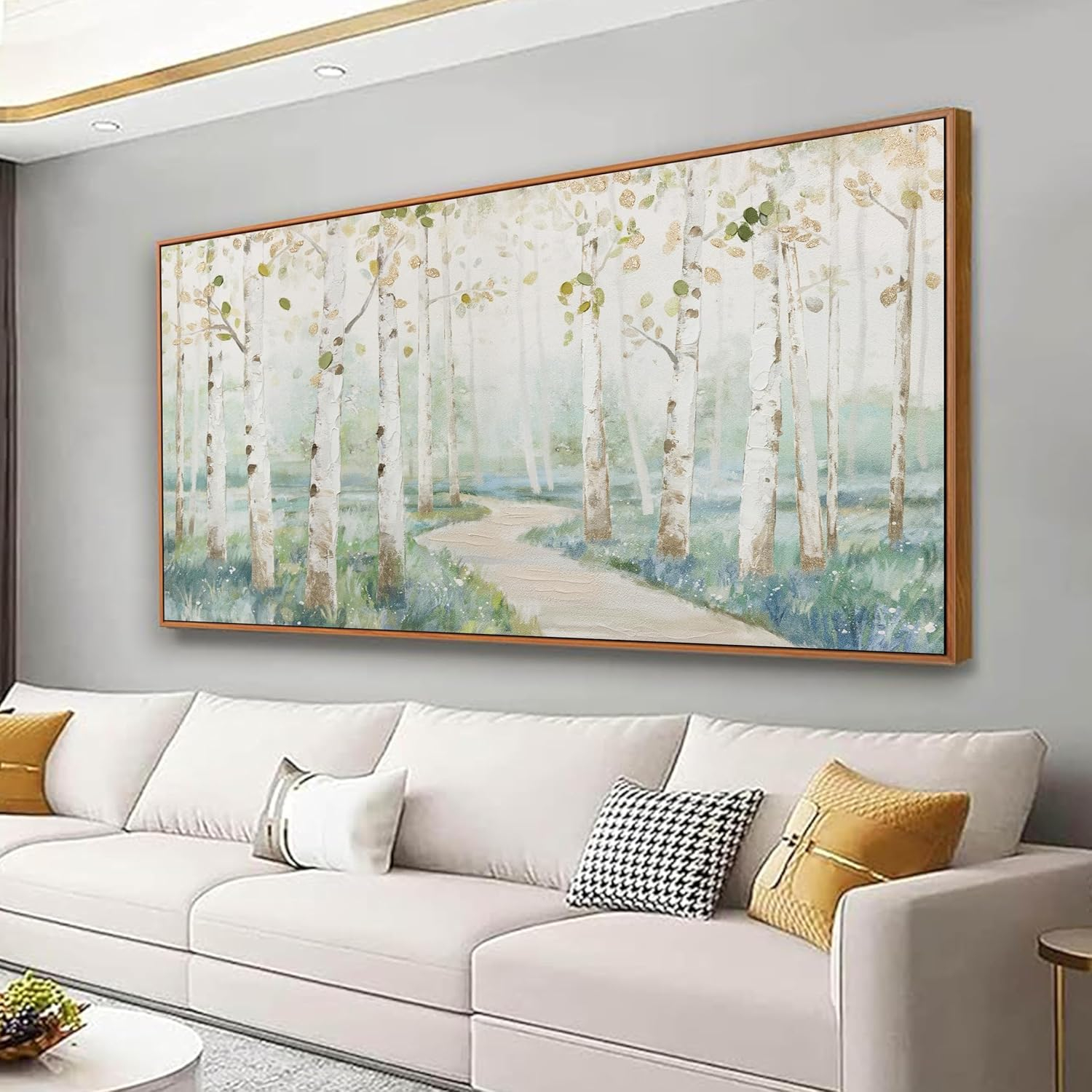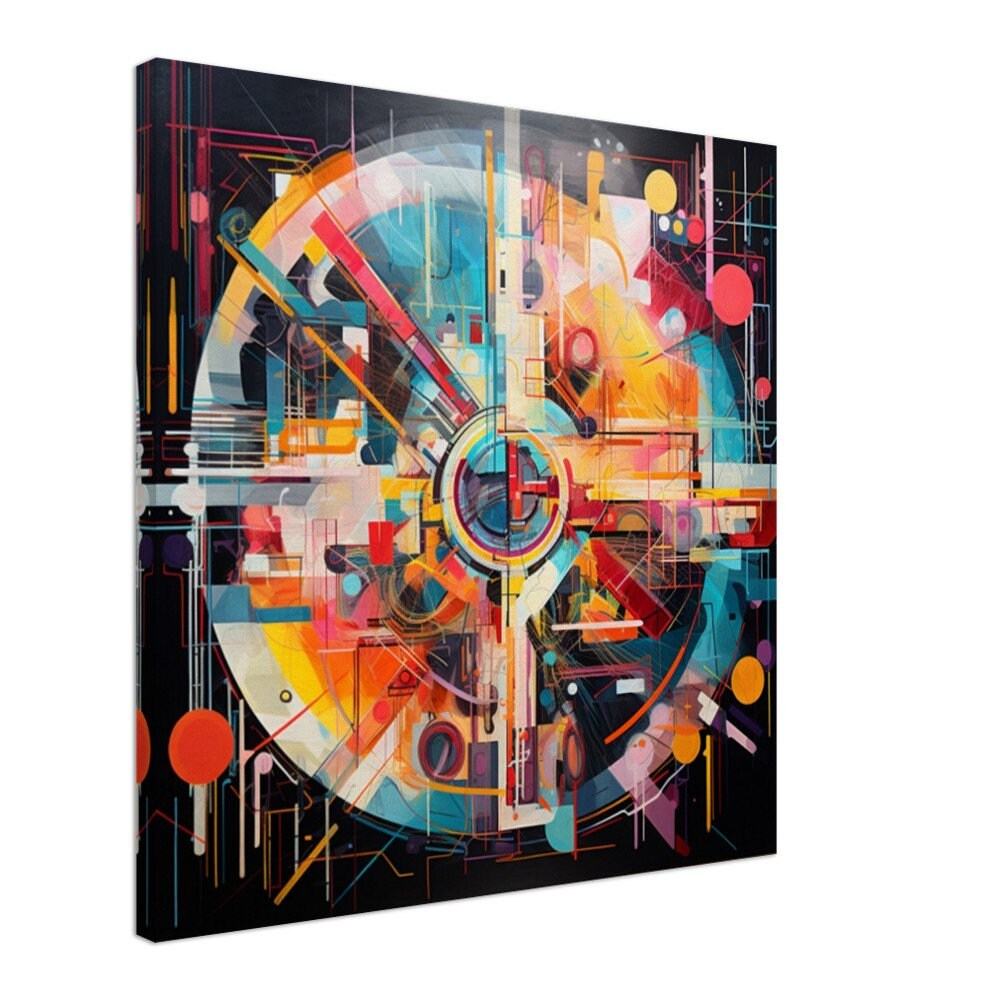
Every time we gaze upon an abstract digital artwork, we’re experiencing something far more complex than visual beauty. The colors dancing across our screens carry invisible messages that speak directly to our emotions, memories, and subconscious minds. This isn’t just about aesthetics – it’s about understanding how digital artists manipulate color to create powerful psychological effects in their abstract compositions.
In today’s digital age, abstract art has found new life through screen-based mediums. These vibrant, often non-representational works don’t rely on realistic depictions but instead communicate through pure visual elements – particularly color. What many people don’t realize is that each hue chosen by an artist carries profound psychological weight. When we encounter a digital abstract print, our brains automatically process the color palette in ways that can trigger feelings of joy, calm, excitement, or even melancholy. It’s like the artwork becomes a conversation between the creator’s intent and our inner emotional landscape. This connection between color and feeling forms the foundation of how we experience and interpret modern abstract digital art.
The Science Behind Color Perception
Color isn’t just about what we see – it’s about what our brains do with that information. When light hits our retinas, it triggers chemical reactions that send signals to our brain’s visual cortex. But beyond the basic processing, our nervous system reacts to different wavelengths in deeply personal ways. For instance, red wavelengths tend to stimulate our sympathetic nervous system, creating feelings of urgency or passion. Blue wavelengths, on the other hand, activate our parasympathetic nervous system, promoting calmness and relaxation. These physiological responses happen before we even consciously register what we’re looking at. In digital art, this means that an artist working with warm tones might be unconsciously preparing viewers for an energetic experience, while cool tones might invite contemplation. The science suggests that our color preferences aren’t random – they’re rooted in evolutionary survival mechanisms and cultural conditioning.
Warm vs Cool Color Dynamics
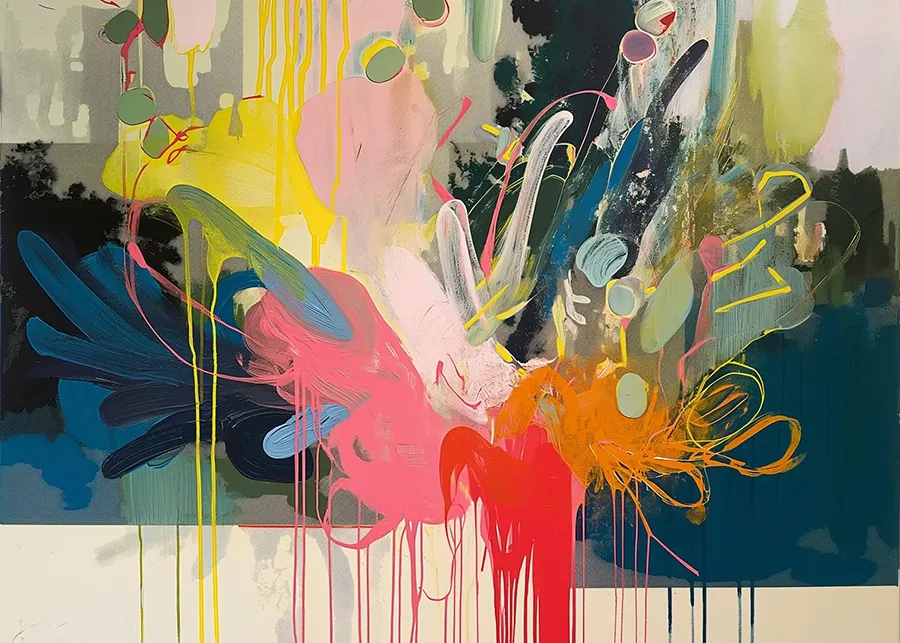
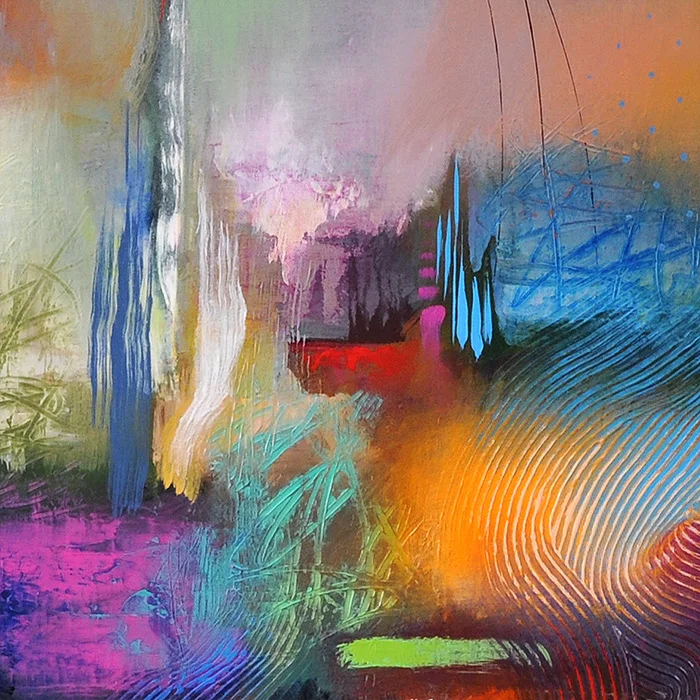
The distinction between warm and cool colors creates a fundamental tension in abstract digital art. Warm colors like reds, oranges, and yellows typically evoke feelings of energy, warmth, and excitement. They seem to advance toward us, creating a sense of immediacy and action. Consider a digital print dominated by fiery reds and oranges – even if it’s completely abstract, it will likely make viewers feel energized or passionate. Cool colors such as blues, greens, and purples have the opposite effect. They recede visually and often bring feelings of tranquility, serenity, or introspection. An artist might choose a predominantly blue palette to create a meditative space within their digital composition. The interplay between these two color families can create dynamic tension in abstract works. When warm and cool elements exist side-by-side in a digital print, they can create a sense of balance or conflict depending on how they’re arranged. The most compelling abstract digital art often plays with these contrasts to guide the viewer’s emotional journey through the piece.
Cultural Influences on Color Meaning
While some color associations appear universal, others are heavily influenced by cultural background and personal experience. In Western cultures, white often represents purity and peace, while black may symbolize mourning or power. However, in many Eastern traditions, white signifies death and black can represent good fortune. This cultural variability means that the same digital abstract artwork might evoke entirely different emotional responses across different audiences. A digital print featuring deep reds and golds might be interpreted as luxurious and celebratory in one culture, but potentially aggressive or dangerous in another. Artists working in digital media must consider their intended audience’s cultural context when selecting color schemes. The global nature of digital art distribution makes this consideration even more crucial. A print that feels perfectly balanced to a European viewer might seem chaotic to someone from a different cultural background. Understanding these nuances allows artists to craft more inclusive and universally resonant abstract compositions.
Color Harmony and Emotional Resonance
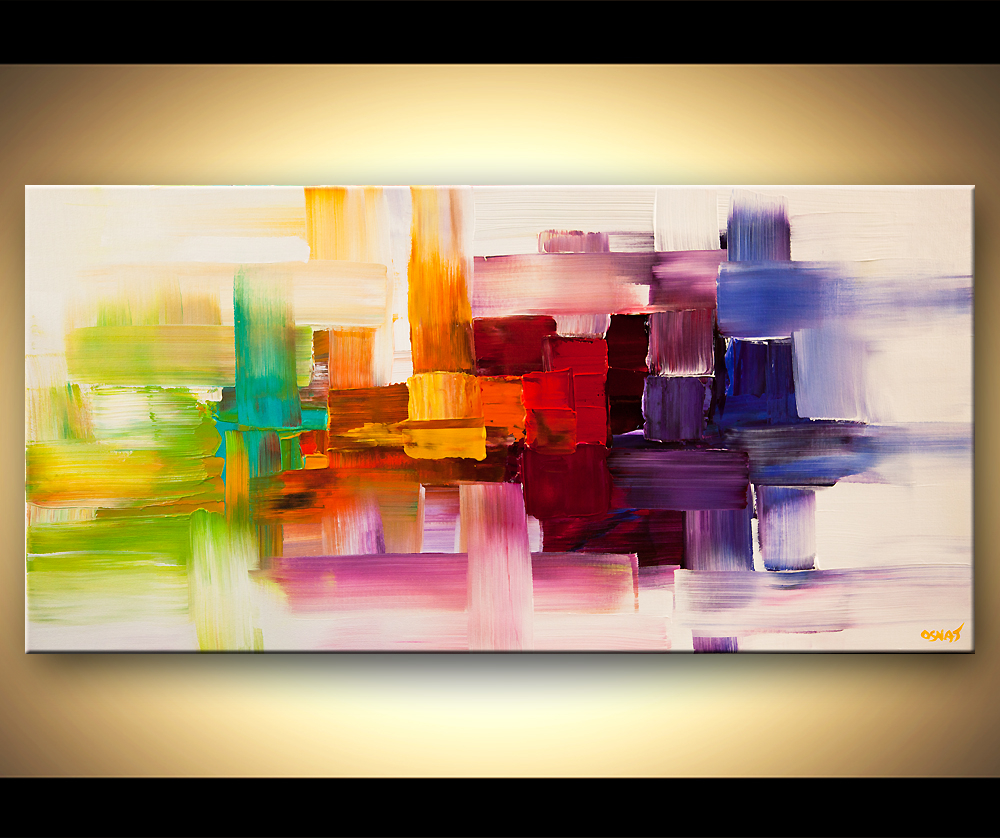
Creating emotional resonance through color harmony involves more than just choosing pretty combinations. The mathematical relationships between colors play a significant role in how they affect our moods. Monochromatic schemes, using various shades of a single color, tend to create feelings of unity and calm. Analogous schemes, which use colors next to each other on the color wheel, often produce harmonious and soothing effects. Complementary colors, those directly opposite each other on the color wheel, create dramatic contrast and can generate strong emotional responses. In abstract digital art, artists often experiment with these relationships to control the viewer’s emotional experience. A digital print using complementary colors might feel intense and dynamic, while one with analogous colors could feel peaceful and unified. The key lies in understanding how these relationships interact with human psychology. Some artists deliberately break traditional harmony rules to create unexpected emotional responses, knowing that sometimes disruption can be more powerful than consistency. The digital medium offers endless possibilities for experimenting with these principles.
Modern Technology’s Impact on Color Expression
Digital art creation opens up unprecedented opportunities for color manipulation that were impossible with traditional media. Artists can now precisely control saturation levels, brightness, and even create custom color palettes that exist nowhere else in nature. This precision allows for more targeted emotional outcomes in abstract works. A digital artist can make a color appear almost luminous or create subtle gradients that shift mood gradually across the canvas. The ability to instantly test multiple variations also enables deeper exploration of how different color choices affect the overall emotional impact. Software tools allow artists to simulate how their work will appear under different lighting conditions or on various screen types. This technological capability means that abstract digital artists have more tools than ever to fine-tune their psychological messaging. The challenge lies in using these powers thoughtfully rather than simply for technical showmanship. The most successful digital abstract art balances technical excellence with genuine emotional communication.
Practical Applications for Viewers and Creators
Understanding color psychology in digital abstract art offers practical benefits for both creators and consumers. For artists, this knowledge helps them make intentional choices about emotional impact. They might select specific color combinations to encourage contemplation in a meditation-focused piece or use vibrant colors to create energy in a motivational print. Viewers can develop a more sophisticated appreciation of abstract works by recognizing how color choices influence their emotional state. Knowing that certain color arrangements tend to create particular feelings can enhance the viewing experience. For example, someone might notice that a blue and green abstract digital print makes them feel relaxed and focused, helping them choose artwork that matches their current needs. This awareness also helps people make better purchasing decisions when buying digital art for their homes or offices. Whether you’re creating or consuming abstract digital art, understanding these principles can deepen your connection to the work and make your interactions more meaningful.
Color psychology in modern abstract digital art represents a fascinating intersection of science, emotion, and creativity. As we continue to engage with digital artworks in our daily lives, understanding how colors influence our emotional responses becomes increasingly important. These invisible forces shape not just how we feel about individual pieces, but also how we interact with our environments and express our inner worlds. The beauty of abstract digital art lies in its ability to communicate directly with our emotions, bypassing the need for literal representation. Through careful consideration of color choices, artists can create powerful psychological experiences that resonate long after the initial viewing. For everyone involved – creators and viewers alike – this knowledge adds layers of meaning to our relationship with visual art. The next time you encounter an abstract digital print, take a moment to notice how the colors make you feel. You might discover that you’ve been having a conversation with the artwork all along, even if you didn’t know it.
[sps_html tag=”img” src=”https://cdn.theartssection.com/wp-content/uploads/2025/11/exploring-modern-abstract-art-prints-art-gas-within-blue-bright-candle-abstract-digital-art-canvas-print.webp” alt=”Exploring Modern Abstract Art Prints - Art Gas within "Blue Bright Candle" Abstract Digital Art Canvas Print” style=”width: 100%; height: auto;”]
[sps_html tag=”img” src=”https://cdn.theartssection.com/wp-content/uploads/2025/11/digital-canvas-prints-on-behance-intended-for-how-abstract-digital-canvas-prints-transform-contemporary-art-spaces.png” alt=”Digital Canvas Prints On Behance intended for How Abstract Digital Canvas Prints Transform Contemporary Art Spaces” style=”width: 100%; height: auto;”]
[sps_html tag=”img” src=”https://cdn.theartssection.com/wp-content/uploads/2025/11/20-incomparable-abstract-art-you-can-use-it-at-no-cost-artxpaint-in-how-abstract-digital-canvas-prints-transform-contemporary-art-spaces.jpg” alt=”20 Incomparable Abstract Art You Can Use It At No Cost - Artxpaint … in How Abstract Digital Canvas Prints Transform Contemporary Art Spaces” style=”width: 100%; height: auto;”]
[sps_html tag=”img” src=”https://cdn.theartssection.com/wp-content/uploads/2025/11/abstract-wall-art-canvas-modern-abstract-art-digital-canvas-print-home-throughout-how-abstract-digital-canvas-prints-transform-contemporary-art-spaces.jpg” alt=”Abstract Wall Art Canvas Modern Abstract Art Digital Canvas Print Home … throughout How Abstract Digital Canvas Prints Transform Contemporary Art Spaces” style=”width: 100%; height: auto;”]
[sps_html tag=”img” src=”https://cdn.theartssection.com/wp-content/uploads/2025/11/color-theory-modern-abstract-fine-art-print-free-shipping-art2d-for-how-abstract-digital-canvas-prints-transform-contemporary-art-spaces.jpg” alt=”Color Theory • Modern Abstract Fine Art Print • Free Shipping — Art2D … for How Abstract Digital Canvas Prints Transform Contemporary Art Spaces” style=”width: 100%; height: auto;”]