There’s something deeply satisfying about holding a mirror that’s been crafted by hand using techniques passed down through generations. These aren’t just pieces of glass and wood – they’re stories told in grain patterns and careful joints. In America, the tradition of creating beautiful, functional mirrors through woodworking has been alive for centuries, weaving together artistry, craftsmanship, and cultural heritage.
Imagine walking into a room where the walls seem to breathe with history. You might notice a mirror framed in rich oak or maple, its edges carved with delicate patterns that catch the light. This isn’t just decoration – it’s a testament to American woodworking traditions that have shaped how we think about beauty, function, and craftsmanship. These mirrors represent more than aesthetics; they embody a way of life that values patience, skill, and attention to detail. Whether you’re a collector, a craftsman, or simply someone who appreciates fine workmanship, understanding the techniques behind these pieces adds depth to their beauty.
Historical Foundations of American Mirror Craft
American mirror-making began to flourish in the colonial period, when European traditions merged with local materials and evolving tastes. Early craftsmen brought their skills from England, France, and Germany, but they quickly adapted to what was available locally. The wood used wasn’t just about availability – it reflected regional identity. New Englanders favored maple and birch, while Southern craftsmen often turned to walnut and pine. The mirror frames weren’t merely ornamental; they served as statements of social status and personal taste. A well-crafted mirror frame could cost more than the mirror itself, reflecting the high value placed on skilled labor and quality materials. These early pieces established the foundation for what would become a distinctly American approach to woodworking.
Essential Woodworking Techniques Used
Traditional American mirror frames showcase several core woodworking methods that define their character. The most fundamental is joinery – how pieces connect to each other. Mortise and tenon joints provide strength and stability, while dovetails create elegant, interlocking connections that resist separation. The mortise and tenon technique involves cutting a hole (mortise) in one piece and a projecting piece (tenon) on another, creating a tight fit. Dovetail joints require precise angles and careful measurement, making them both challenging and rewarding. Another crucial element is carving, particularly in the decorative elements. Craftspeople used chisels, planes, and rasps to create patterns that complemented the mirror’s purpose and era. These techniques weren’t just about making things stay together – they were about creating visual harmony between structure and ornamentation.
Popular Wood Species in Mirror Construction
Choosing the right wood was crucial for both appearance and durability. Maple stood out for its clean grain and ability to hold fine details, making it ideal for intricate carvings. Oak offered exceptional strength and was often used for larger frames that needed structural support. Cherry wood aged beautifully, developing a rich, reddish hue over time that made it particularly appealing for formal settings. Walnut provided a luxurious dark tone that contrasted beautifully with lighter mirrors, while pine offered an affordable alternative that still maintained good quality. Each species had unique characteristics that influenced the final look and feel. Some craftsmen even layered different woods, using contrasting colors to create dramatic effects. The selection process wasn’t just about price or availability – it was about matching material properties to the intended design and location.
Hand Tools and Their Role in Creation
The tools used in traditional mirror making reveal much about the craft’s essence. Hand planes were essential for achieving smooth surfaces and precise thicknesses. Chisels, with their sharp edges, allowed for detailed carving work that power tools simply couldn’t replicate. Hand saws, particularly the backsaw, gave craftsmen control over cuts that needed to be exact. The marking gauge helped ensure consistent widths and depths in various elements. Even the most basic tools required mastery – a slight misalignment could ruin hours of work. Many craftsmen developed their own variations of standard tools, adapting them to their individual styles. The relationship between craftsman and tool was intimate, requiring years of practice to develop the sensitivity needed for fine work. These tools weren’t just implements – they were extensions of the craftsman’s skill and vision.
Regional Variations in American Mirror Styles
Different regions developed distinctive approaches to mirror construction based on local resources and cultural influences. New England craftspeople emphasized clean lines and geometric patterns, often using simpler forms that highlighted the wood’s natural beauty. The South favored more elaborate designs, incorporating scrollwork and curved elements that reflected European influences. Pennsylvania German settlers brought their own aesthetic sensibilities, creating frames with distinctive patterns and motifs. Colonial Philadelphia showed a blend of English and American tastes, resulting in frames that were both refined and accessible. The Midwest developed its own style, often featuring bold geometric shapes and robust construction. These regional differences weren’t arbitrary – they reflected local tastes, available materials, and cultural exchanges that shaped American identity.
Modern Preservation of Traditional Methods
Today, many artisans continue these traditional practices, keeping ancient techniques alive through dedication and passion. Modern workshops often blend old and new methods, using contemporary tools to enhance rather than replace traditional skills. Some craftspeople work exclusively with hand tools, believing that the connection between human and wood is irreplaceable. Others combine traditional joinery with modern finishing techniques to create pieces that last for generations. The learning curve is steep – mastering these skills requires patience and commitment. Many young craftspeople apprentice under experienced masters, learning not just technical skills but also the philosophy behind the work. These efforts ensure that future generations will understand and appreciate the value of traditional craftsmanship.
Traditional American woodworking in decorative mirrors represents more than just historical curiosity – it’s a living connection to our past that continues to influence contemporary design. Every joint tells a story, every pattern reflects cultural values, and every piece carries the weight of generations of skilled hands. Whether you’re admiring a colonial-era mirror or commissioning a new piece, you’re participating in a tradition that values quality, craftsmanship, and the beauty of handmade objects. These mirrors remind us that some things are worth taking the time to do right, and that the best work often emerges from the patient application of skill and heart. The techniques may be ancient, but their relevance remains as strong as ever.
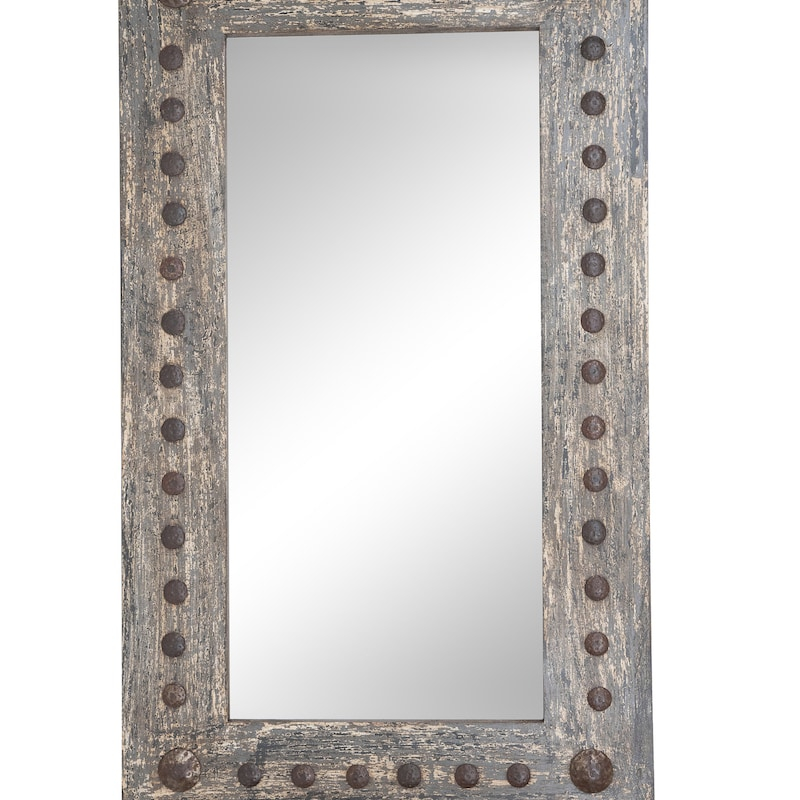
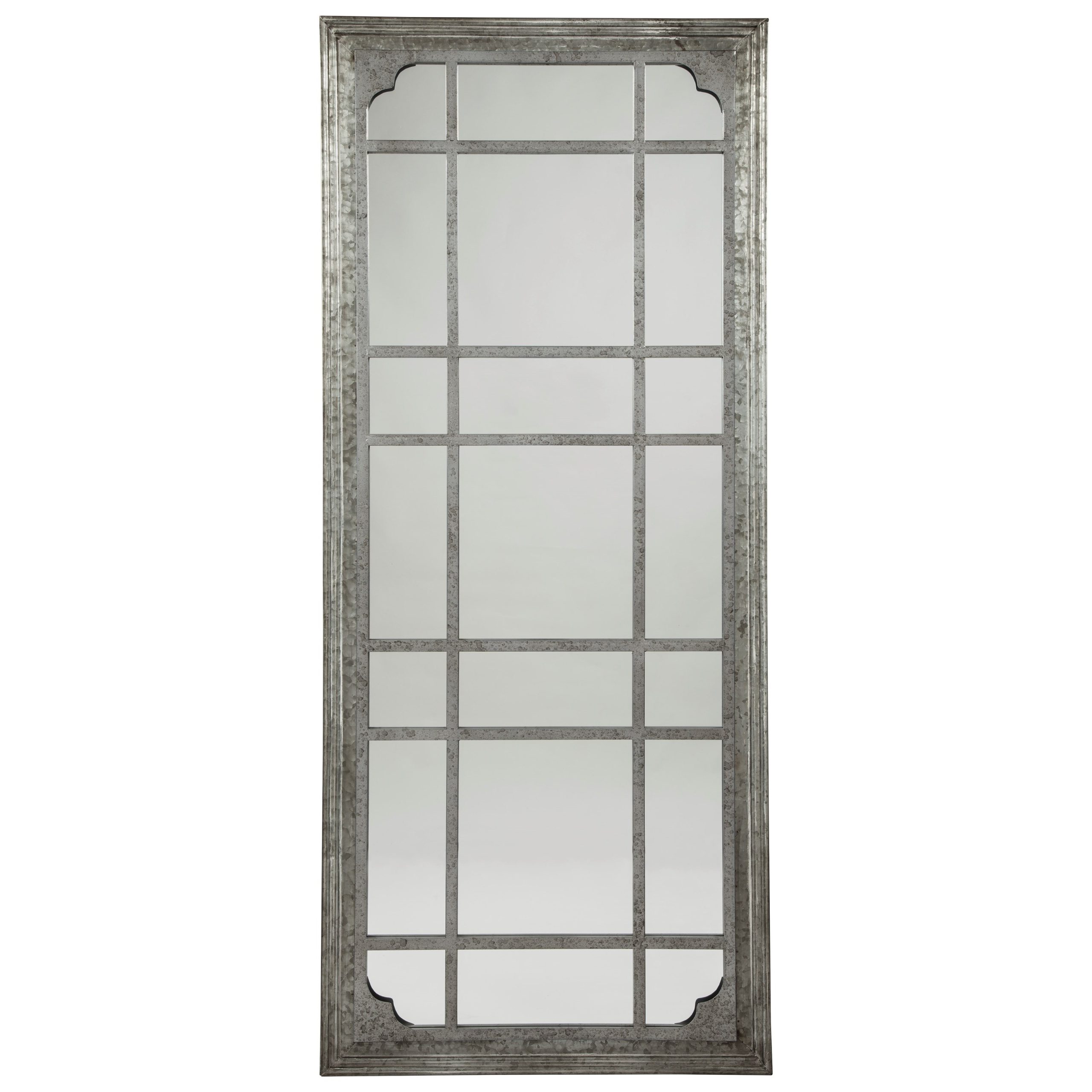
[sps_html tag=”img” src=”https://cdn.theartssection.com/wp-content/uploads/2025/10/carine-gray-accent-mirror-a8010147-with-wood-carving-traditions-that-bring-character-to-gray-accent-mirrors.jpg” alt=”Carine Gray Accent Mirror - A8010147 with Wood Carving Traditions That Bring Character to Gray Accent Mirrors” style=”width: 100%; height: auto;”]
[sps_html tag=”img” src=”https://cdn.theartssection.com/wp-content/uploads/2025/10/the-20-best-collection-of-accent-mirrors-for-american-art-decor-hand-carved-wood-medallion-accent-mirror-gray-scaled.jpg” alt=”The 20 Best Collection Of Accent Mirrors for American Art Decor Hand-Carved Wood Medallion Accent Mirror Gray” style=”width: 100%; height: auto;”]
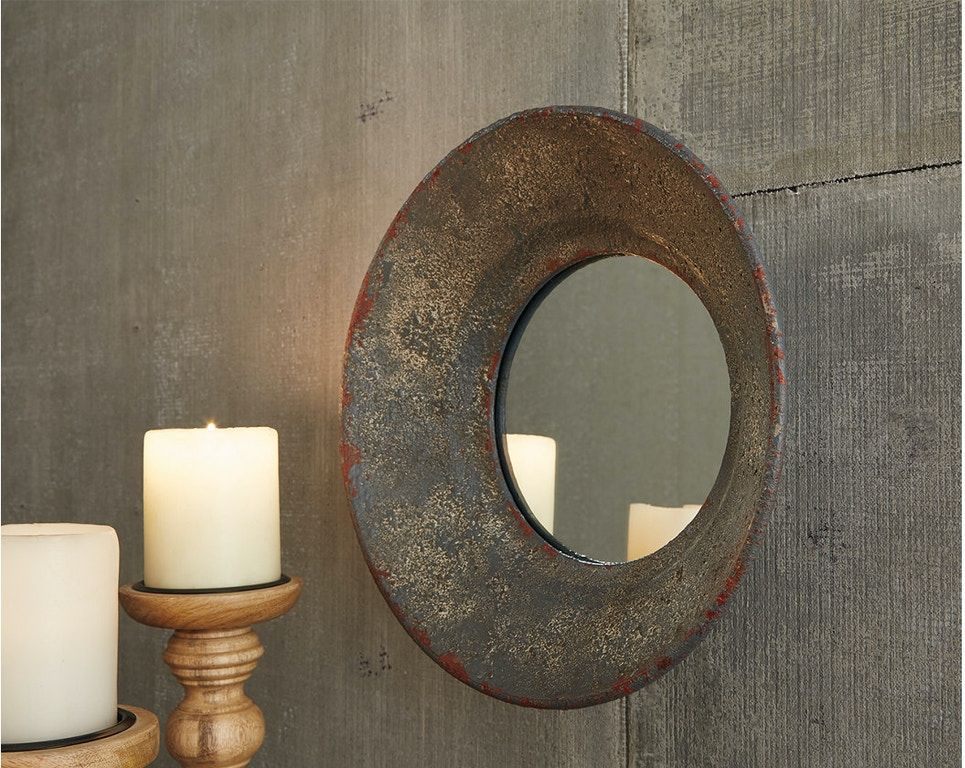
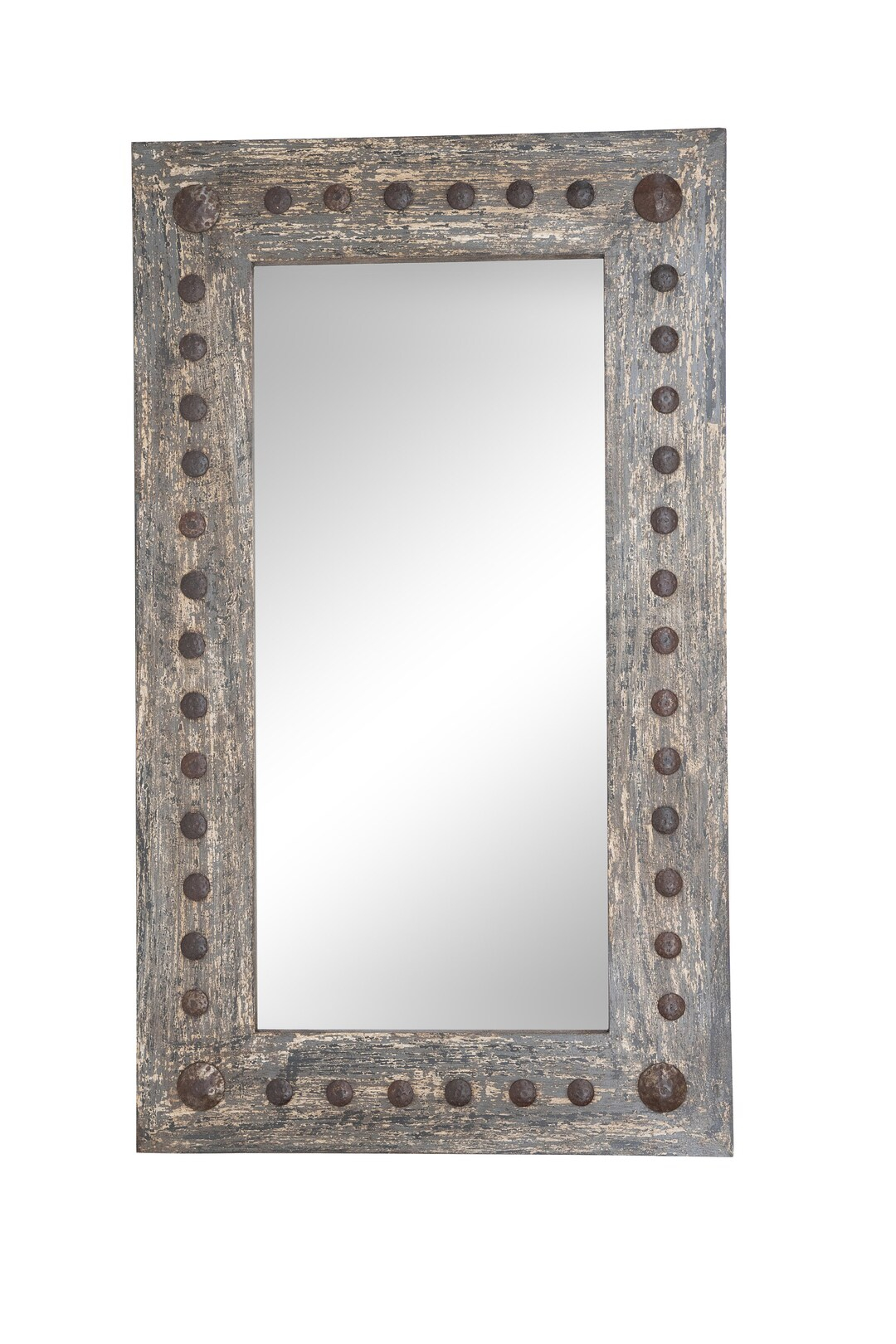
[sps_html tag=”img” src=”https://cdn.theartssection.com/wp-content/uploads/2025/10/denali-mirror-wood-handmade-rustic-distressed-gray-accent-mirror-wall-regarding-wood-carving-traditions-that-bring-character-to-gray-accent-mirrors.jpg” alt=”Denali Mirror-Wood-Handmade-Rustic-Distressed Gray-Accent Mirror-Wall … regarding Wood Carving Traditions That Bring Character to Gray Accent Mirrors” style=”width: 100%; height: auto;”]
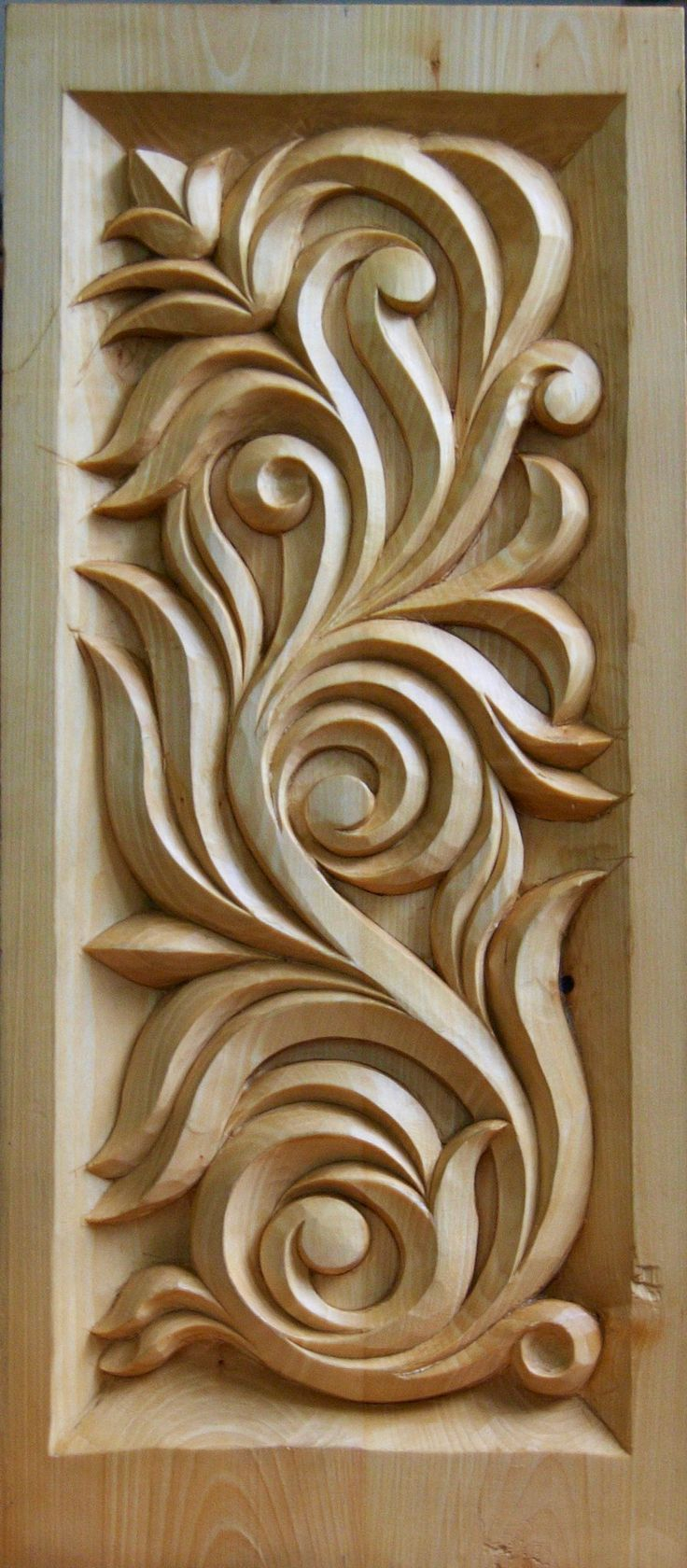
[sps_html tag=”img” src=”https://cdn.theartssection.com/wp-content/uploads/2025/10/20-wood-carving-ideas-for-a-rustic-home-decor-inside-american-art-decor-hand-carved-wood-medallion-accent-mirror-gray.jpg” alt=”20 Wood Carving Ideas For A Rustic Home Decor inside American Art Decor Hand-Carved Wood Medallion Accent Mirror Gray” style=”width: 100%; height: auto;”]
[sps_html tag=”img” src=”https://cdn.theartssection.com/wp-content/uploads/2025/10/barn-wood-vanity-etsy-in-american-art-decor-hand-carved-wood-medallion-accent-mirror-gray.jpg” alt=”Barn Wood Vanity - Etsy in American Art Decor Hand-Carved Wood Medallion Accent Mirror Gray” style=”width: 100%; height: auto;”]