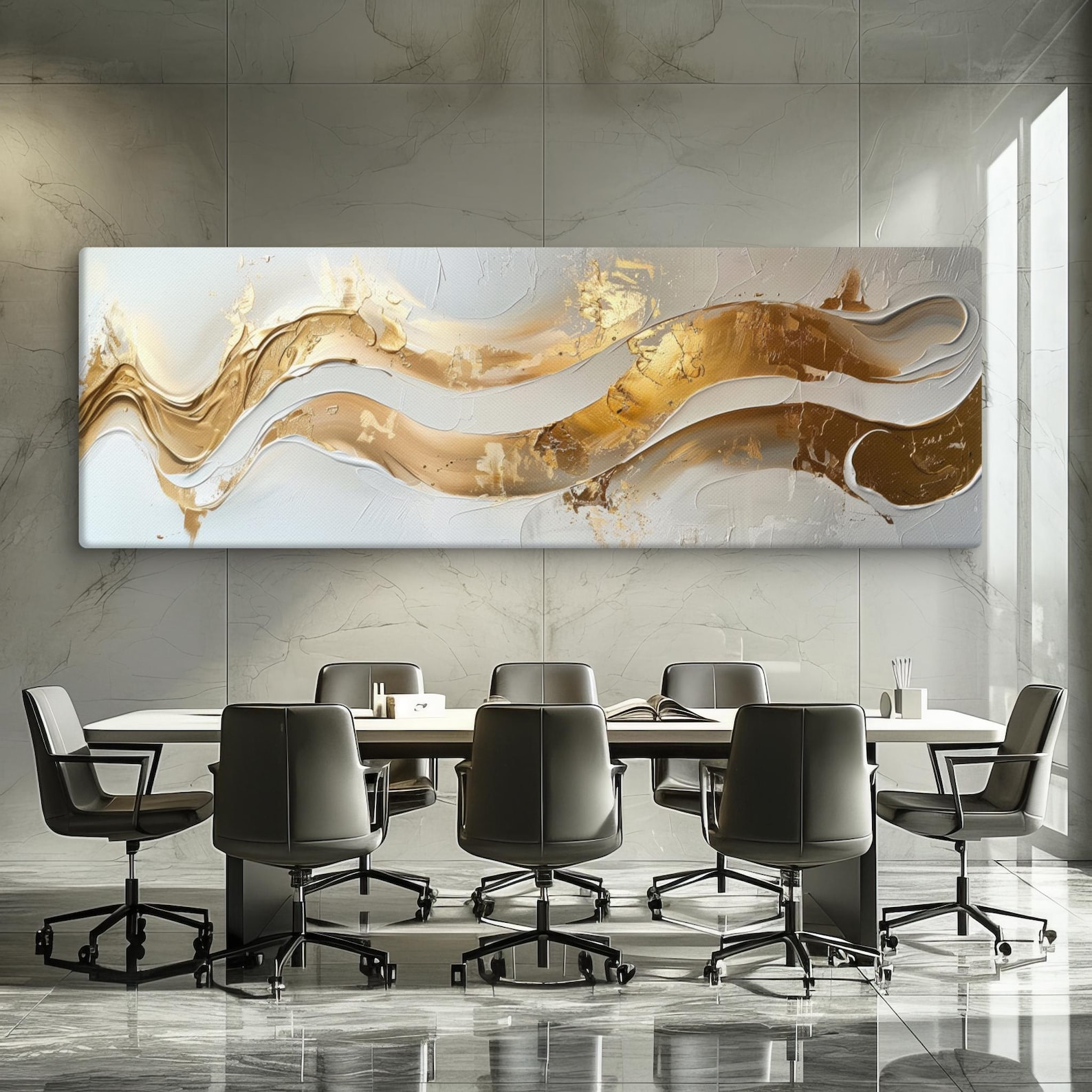
Martin Edwards doesn’t just paint with metal—he breathes life into it. His hand-painted metallic works capture something magical when steel meets movement, when texture tells stories that words cannot. What makes his art so captivating? It’s not just the shimmering surfaces or bold colors. It’s the way he makes metal dance across canvas and wall, creating visual symphonies that feel alive.
In a world where digital art dominates headlines, there’s something deeply satisfying about watching an artist work with raw materials. Martin Edwards stands apart in this landscape, focusing his creative energy on metallic surfaces that seem to pulse with their own inner rhythm. His work challenges our expectations of what metal can do, transforming rigid materials into flowing expressions of motion and texture. When you look at one of his pieces, you’re not just seeing paint on metal—you’re witnessing a conversation between material and movement.
Understanding the Foundation of Metallic Art
Before diving into the dynamic elements of Edwards’ work, it’s essential to grasp what makes metallic painting different. Unlike traditional canvas paintings, metallic surfaces offer unique properties that influence everything from color perception to texture creation. These materials reflect light differently, creating depth that changes depending on viewing angle. This characteristic means that each piece becomes a living entity that shifts subtly as viewers move around it.
Edwards starts with careful preparation of his metallic substrates. He doesn’t simply apply paint over metal—he understands that surface treatment affects final results dramatically. The choice between polished, brushed, or oxidized metals creates entirely different starting points for his artistic expression. Each decision becomes part of the narrative he wants to tell.
Consider how a brushed aluminum surface might catch light differently than a smooth steel plate. The former introduces subtle variations in reflection that enhance texture, while the latter provides a more controlled canvas for precise color application. These foundational choices set the stage for all subsequent creative decisions.
The Dance of Texture in Motion
What truly sets Edwards’ work apart is how he manipulates texture to create movement within static images. His technique involves layering various materials and tools to build tactile experiences that go far beyond simple visual appeal. Think of texture not as a surface quality, but as a form of storytelling.
He often begins with rough textures created through sanding or abrasion techniques. These initial layers provide a foundation that catches and reflects light in unexpected ways. From there, he builds upon these base textures using different tools—some creating smooth gradients, others adding sharp contrast.
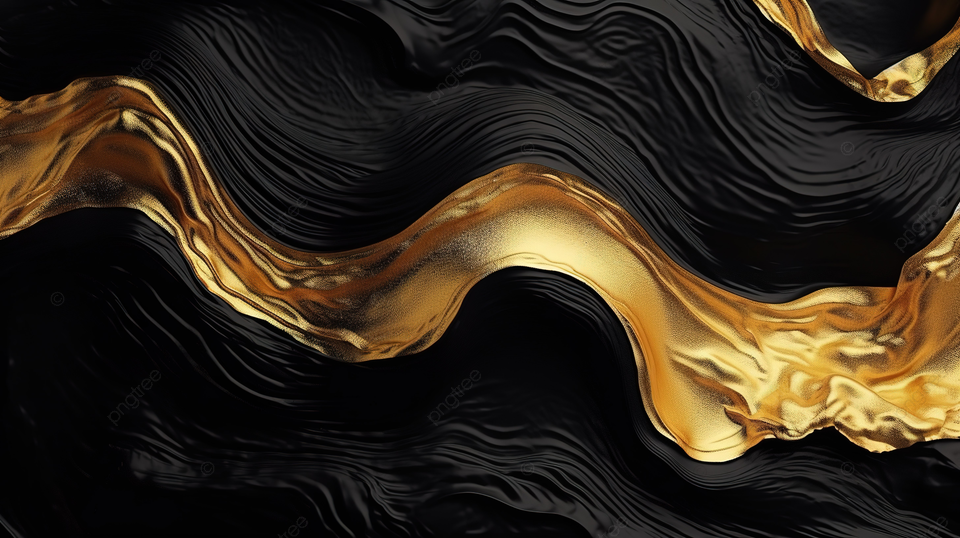
One particularly striking example shows how he uses a combination of sandpaper and specialized brushes to create what appears to be flowing water across a metallic surface. The technique involves carefully controlling pressure and direction to ensure the texture suggests motion rather than just marking. The result isn’t just visually interesting—it feels like you can almost sense the current beneath your fingertips.
The key lies in understanding that texture isn’t just about visual impact. It’s about creating a sensory experience that connects viewers to the artwork on multiple levels. Each brushstroke, each sanding mark, each spray application contributes to the overall feeling of motion.
Movement Through Color and Light Interaction
Color in Edwards’ metallic works doesn’t simply sit on top of surfaces—it actively participates in creating movement through its relationship with light. His approach to color selection and application demonstrates an intuitive understanding of how metallic surfaces interact with illumination.
He frequently employs color temperature shifts to suggest motion and change. Warm golds and oranges appear to advance, while cool blues and grays recede, creating a three-dimensional effect that seems to shift as viewers walk around the piece. This isn’t just about making things look pretty—it’s about manipulating viewer perception to create emotional responses.
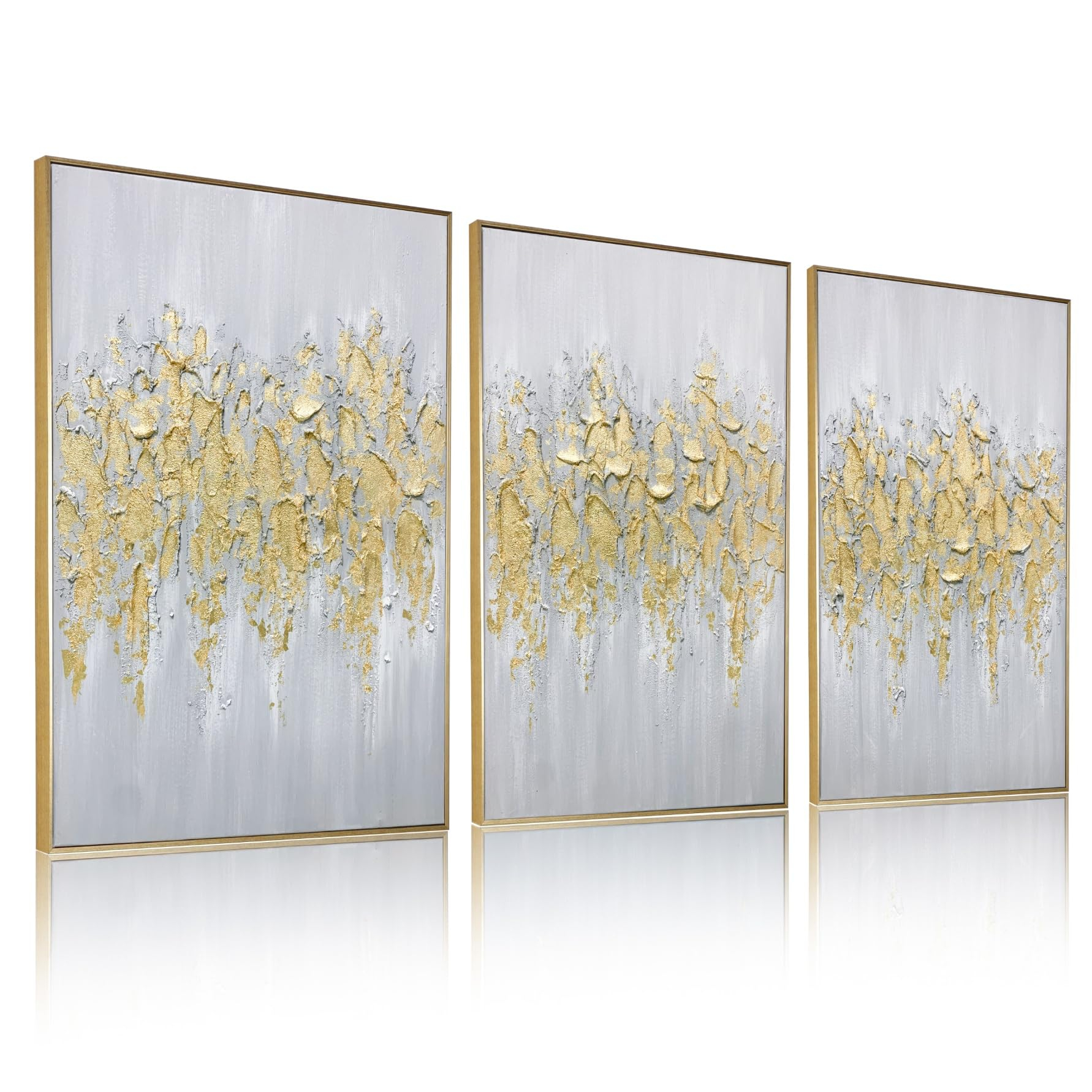
Consider how he might layer a deep bronze over a silver base before applying a bright copper highlight. The interaction between these metals creates visual tension that pulls the eye across the surface. This technique mirrors how natural phenomena create movement through contrast and variation.
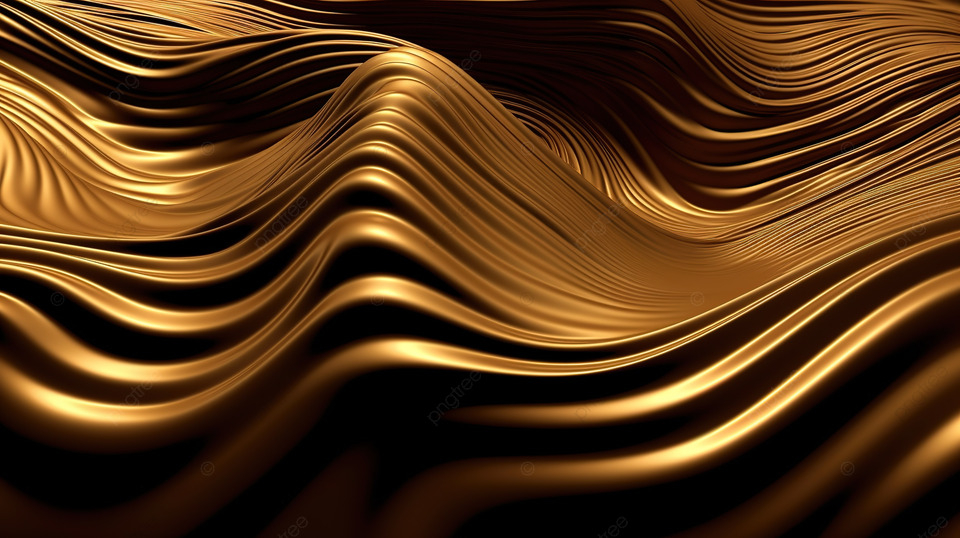
His use of metallic pigments adds another dimension to this interplay. Unlike regular paint, metallic particles reflect light differently based on their orientation. When applied correctly, they create a shimmering effect that seems to pulse with life. The challenge lies in controlling this effect to ensure it enhances rather than overwhelms the intended message.
Tools That Shape the Impossible
The tools Edwards uses aren’t just implements—they’re extensions of his artistic vision. He’s developed a unique arsenal of instruments that allow him to create effects impossible with standard painting supplies. Some tools are custom-made, others are adapted from industrial applications.
His signature technique involves using specialized squeegees designed for screen printing, but modified for hand application. These tools create uniform pressure across large surfaces while allowing for controlled variation in texture. The result is consistency in execution paired with enough variation to prevent repetition from becoming boring.
He also employs a range of abrasive tools—from fine sandpapers to specialized grinding wheels—to create controlled surface variations. These aren’t random scratches or marks. They follow specific patterns that contribute to the overall composition. Sometimes these marks suggest wind patterns, sometimes they mimic natural erosion processes.
The process requires patience and precision. Each tool must be selected and used according to the desired outcome. A coarse grit sandpaper might be appropriate for creating dramatic texture, while a fine polishing wheel could be better for achieving subtle gradations. The artist’s familiarity with each tool’s capabilities directly influences the final result.
Narrative Through Surface Evolution
Perhaps most fascinating about Edwards’ work is how he allows his pieces to evolve through multiple stages of development. His process isn’t linear but cyclical, with each layer informing the next. This approach creates a sense of narrative progression that unfolds as viewers engage with the artwork.
He often begins with broad strokes, establishing overall composition and dominant textures. Then he adds detail layers that refine and enhance these initial impressions. The process continues until the piece reaches a point where further additions might disrupt the balance he’s achieved.
This evolution mirrors natural processes. Just as landscapes change over time through weathering and growth, his artworks develop through careful layering and refinement. Viewers can trace this development through visible evidence of previous stages, adding another dimension to their interpretation.
The concept of time becomes embedded in his work. Each texture tells a story of when it was created, each color represents a moment in his creative journey. This temporal aspect gives his pieces a richness that extends beyond immediate visual appeal.
Challenges and Solutions in Metallic Art
Working with metallic surfaces presents unique challenges that require both technical knowledge and creative problem-solving. One of the biggest obstacles is ensuring proper adhesion of paint to metal, especially when dealing with different surface treatments.
Edwards addresses this through extensive testing of primers and adhesives. He’s discovered that certain chemical compositions work better with specific metal types. For instance, aluminum surfaces require different preparation than steel, even though both might appear similar to casual observers.
Another challenge involves controlling the reflective properties of metallic paints. Too much shine can make artwork appear artificial, while too little can result in flat, uninteresting results. His solution involves layering different types of metallic pigments, each contributing unique reflective characteristics to the overall composition.
Environmental factors also play a role. Temperature and humidity affect how metallic paints behave during application and drying phases. Edwards has learned to adapt his techniques based on seasonal conditions, ensuring consistent results regardless of external variables.
The learning curve in metallic painting is steep, but the rewards are substantial. Each challenge overcome adds to his repertoire of techniques and approaches to future projects.
Martin Edwards’ metallic hand painted works represent more than just artistic achievement—they embody a deeper understanding of how materials can communicate emotion and movement. His approach to texture and motion goes beyond mere aesthetic concerns, creating experiences that connect viewers to the artwork on multiple sensory levels. The careful attention to surface preparation, tool selection, and process development shows how technical mastery and creative vision can work together to produce truly exceptional art. Whether you’re drawn to the visual impact or the tactile qualities of his work, Edwards demonstrates that metallic surfaces can be just as expressive as traditional canvases. His dedication to exploring new possibilities within his chosen medium continues to push boundaries and inspire others to see familiar materials in fresh ways. In a digital age where physicality matters less, his work reminds us of the enduring power of hands-on artistic expression.
[sps_html tag=”img” src=”https://cdn.theartssection.com/wp-content/uploads/2025/12/waves-abstract-wall-art-pertaining-to-gold-waves-abstract-wall-art-textured-metallic-hand-painted-by-martin-edwards.jpeg” alt=”Waves Abstract Wall Art pertaining to "Gold Waves" Abstract Wall Art Textured Metallic Hand Painted By Martin Edwards” style=”width: 100%; height: auto;”]
[sps_html tag=”img” src=”https://cdn.theartssection.com/wp-content/uploads/2025/12/dynamic-gold-waves-abstract-fluid-art-on-black-background-with-marble-regarding-gold-waves-abstract-wall-art-textured-metallic-hand-painted-by-martin-edwards.png” alt=”Dynamic Gold Waves Abstract Fluid Art On Black Background With Marble … regarding "Gold Waves" Abstract Wall Art Textured Metallic Hand Painted By Martin Edwards” style=”width: 100%; height: auto;”]
[sps_html tag=”img” src=”https://cdn.theartssection.com/wp-content/uploads/2025/12/abstract-gold-waves-in-3d-rendering-background-golden-texture-shiny-regarding-exploring-the-artistic-vision-behind-gold-waves-abstract-wall-art.jpg” alt=”Abstract Gold Waves In 3D Rendering Background, Golden Texture, Shiny … regarding Exploring the Artistic Vision Behind Gold Waves Abstract Wall Art” style=”width: 100%; height: auto;”]
[sps_html tag=”img” src=”https://cdn.theartssection.com/wp-content/uploads/2025/12/target-gold-abstract-wall-decor-at-margaret-bower-blog-with-regard-to-gold-waves-abstract-wall-art-textured-metallic-hand-painted-by-martin-edwards.jpg” alt=”Target Gold Abstract Wall Decor At Margaret Bower Blog with regard to "Gold Waves" Abstract Wall Art Textured Metallic Hand Painted By Martin Edwards” style=”width: 100%; height: auto;”]
[sps_html tag=”img” src=”https://cdn.theartssection.com/wp-content/uploads/2025/12/golden-waves-abstract-wall-art-elegant-gold-and-white-minimalist-in-gold-waves-abstract-wall-art-textured-metallic-hand-painted-by-martin-edwards.jpg” alt=”Golden Waves Abstract Wall Art – Elegant Gold And White Minimalist … in "Gold Waves" Abstract Wall Art Textured Metallic Hand Painted By Martin Edwards” style=”width: 100%; height: auto;”]