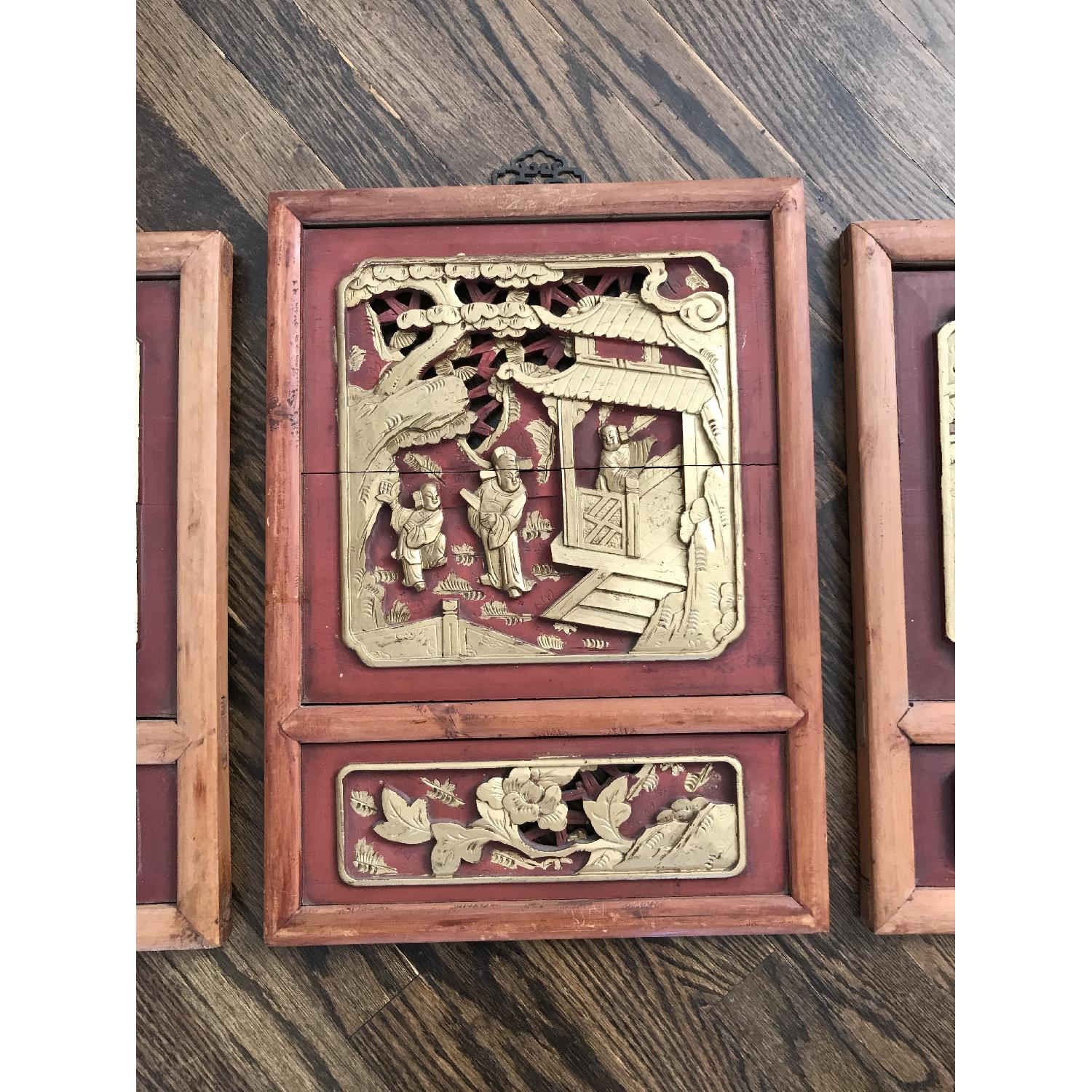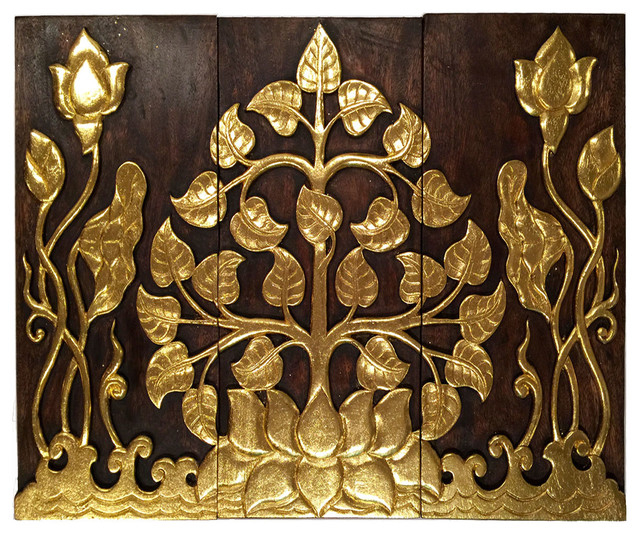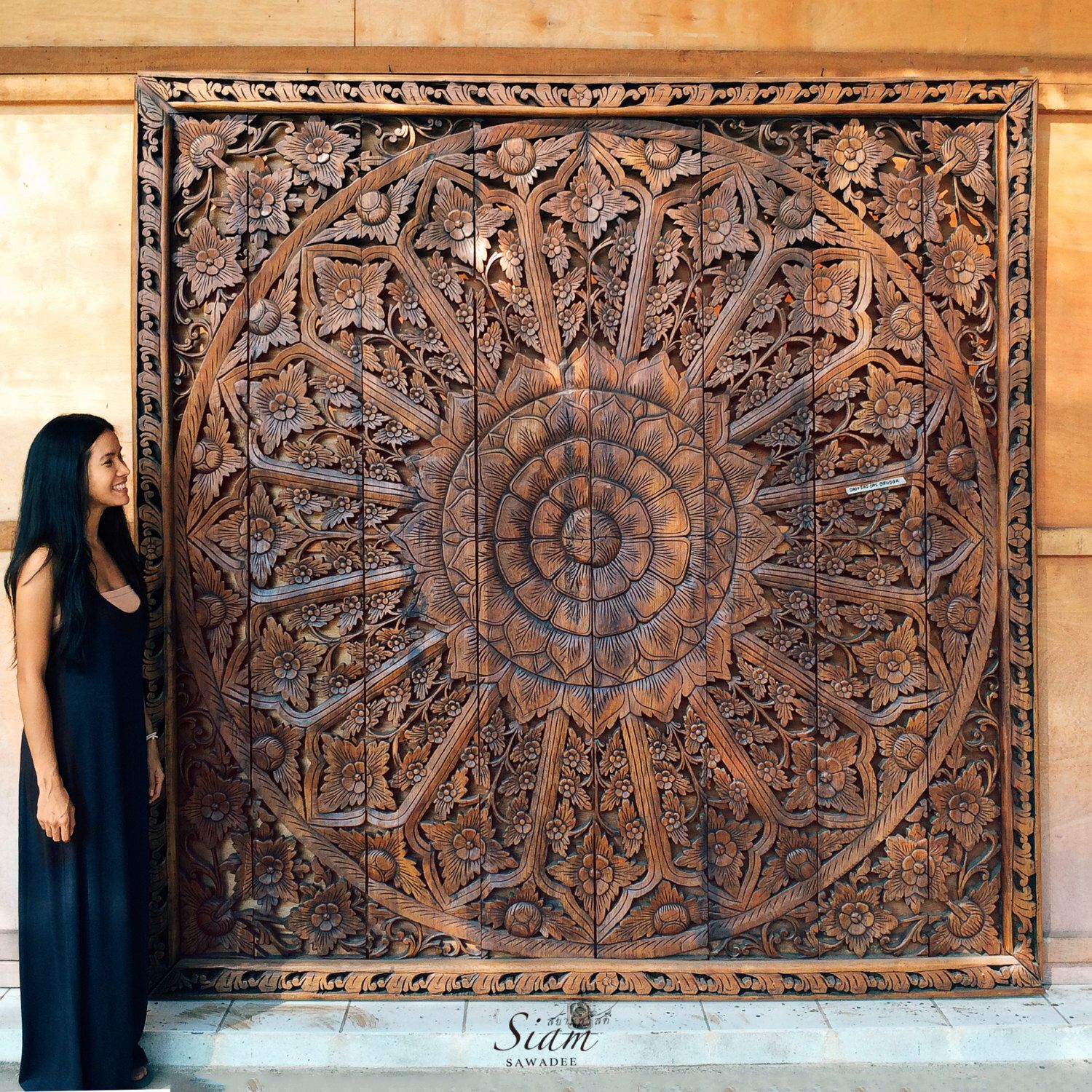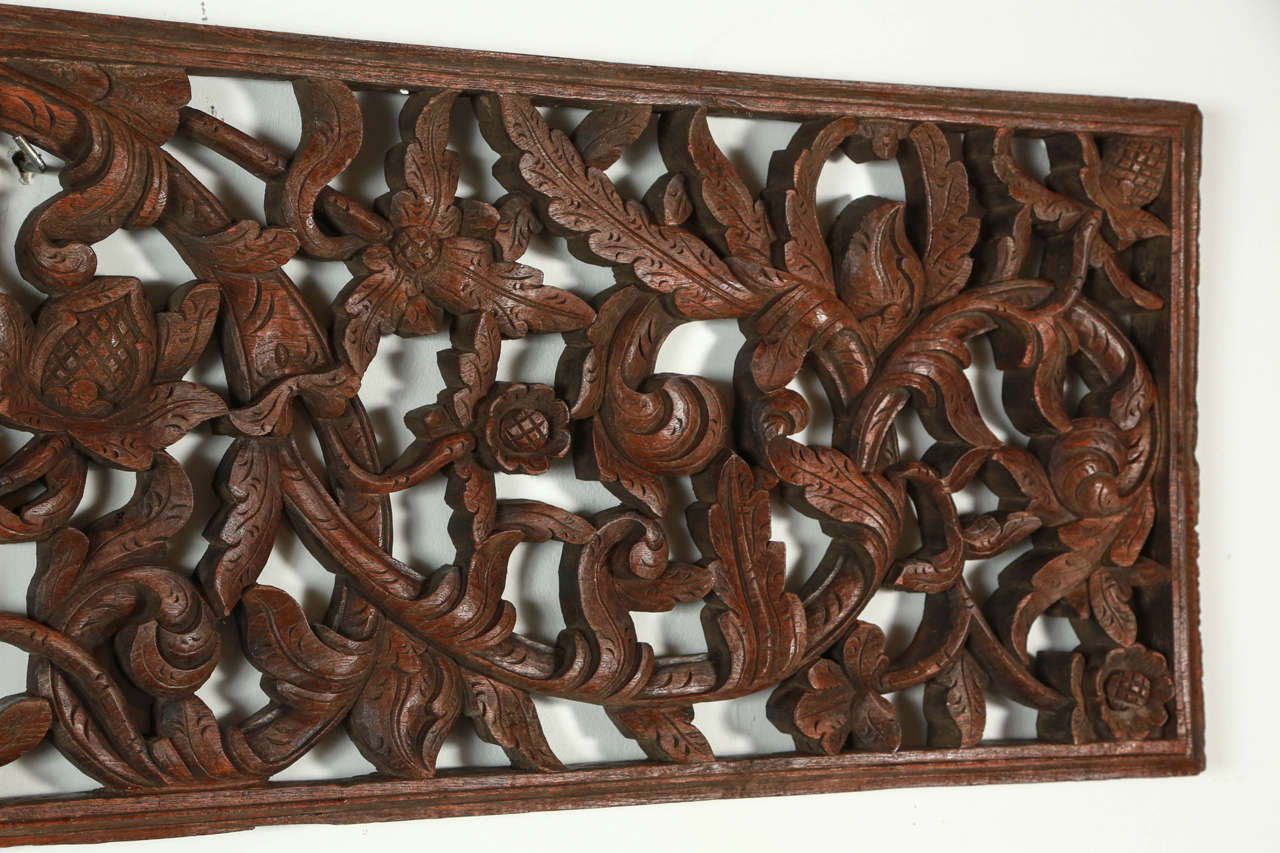
There’s something deeply moving about watching hands work with wood that has been revered for millennia. The Sacred Fig tree, known scientifically as Ficus religiosa, carries profound spiritual significance across cultures. When artisans turn this sacred wood into relief carvings, they’re not just creating art—they’re engaging in a practice that bridges the earthly and divine.
Relief carving in wood has been practiced for thousands of years, but when it comes to Sacred Fig wood, there’s a special reverence that adds layers of meaning to each cut. This isn’t just about aesthetics—it’s about honoring ancient traditions while expressing contemporary spirituality. The journey into mastering this craft involves understanding both the material and the deeper purpose behind the art. Whether you’re a seasoned artisan or someone curious about this ancient practice, the path of Sacred Fig wood relief carving offers a unique opportunity to connect with history, culture, and personal expression.
Understanding Sacred Fig Wood Properties
Sacred Fig wood has characteristics that make it particularly suitable for relief carving. This hardwood is dense and has a fine, even grain that holds detail well. The wood often displays beautiful patterns and textures that enhance the carved designs. When working with it, you’ll notice how it responds differently to different tools compared to softer woods. The density means it requires more patience and proper technique, but the results are worth the effort.
The wood’s natural properties vary depending on its age and source. Older trees often produce wood with richer colors and more pronounced grain patterns. Some carvers prefer the lighter tones found in younger specimens, while others seek the deep, almost black hues of mature wood. Understanding these variations helps in selecting the right piece for your intended design.
Essential Tools and Equipment
Getting started with Sacred Fig wood relief carving doesn’t require expensive equipment, but investing in quality tools will significantly improve your results. Basic tools include:
• Sharp chisels of various sizes
• Gouges for curved cuts
• V-tools for fine lines
• Sandpaper in multiple grits
• A mallet or hammer for controlled strikes
• Safety gear including gloves and eye protection
The key is having tools that are sharp and well-maintained. Dull tools will cause frustration and potentially damage your work. Many experienced carvers recommend starting with a basic set and expanding as your skills develop. The right tools make the difference between struggling through a piece and enjoying the creative process.
Design Planning and Preparation
Before touching the wood, planning your design is crucial. Sacred Fig relief carving often features religious or spiritual motifs, so consider the symbolism carefully. Start with sketches on paper, experimenting with composition and scale. Think about how light will interact with your finished piece and how the relief will appear from different angles.
Once you have your design, transfer it to the wood using carbon paper or a pencil. Mark the areas where you’ll make cuts and plan your carving sequence. This preparation phase can take as long as the actual carving itself, but it prevents costly mistakes and ensures a smoother process. Consider the wood’s natural grain direction when planning your cuts, as this affects how the wood splits and finishes.
Fundamental Carving Techniques
The basic carving process begins with roughing out the main shapes. Start with the deepest cuts first, working gradually toward finer details. The key principle is to remove material in small amounts rather than trying to carve everything at once. This approach prevents breaking the wood or creating unwanted cracks.
Several fundamental techniques are essential:
• Cutting away material from the background
• Creating depth through varying cut depths
• Using different tool angles for different effects
• Maintaining consistent pressure throughout
Practice these techniques on scrap pieces before working on your final project. Each stroke should feel intentional and controlled. The rhythm of carving becomes meditative, connecting you to the wood and the purpose of your creation.
Advanced Relief Carving Methods
As your skills develop, you can explore more sophisticated approaches to relief carving. Layered relief carving creates multiple levels of depth, adding dimension and complexity to your artwork. This method requires careful planning and execution, as each layer must be carved separately but aligned properly.
Some artists experiment with mixed media elements, combining wood carving with paint or other materials. Others focus on texture variation, using different tools to create various surface qualities. The possibilities expand as you become comfortable with the basics. Advanced techniques might include:
• Creating subtle shadows through careful depth control
• Working with negative space to enhance positive forms
• Incorporating traditional patterns and symbols
• Achieving smooth transitions between different carved elements
Caring for Your Sacred Fig Carvings
Proper finishing and maintenance are essential for preserving the beauty of your Sacred Fig wood carvings. The wood naturally contains oils that help protect it, but additional treatment can enhance longevity. Natural oils like linseed oil or tung oil work well, as they penetrate the wood without altering its appearance significantly.
Consider the environment where your carving will be displayed. Humidity changes can affect wood stability, so keeping pieces in stable conditions helps prevent warping or cracking. Regular gentle cleaning with a soft cloth removes dust and maintains the wood’s natural luster. Avoid harsh chemicals that might damage the wood’s surface.
For pieces with religious or spiritual significance, some carvers choose to bless their work or perform ceremonies before completion. This personal connection enhances the spiritual aspect of the art form and can provide deeper meaning to both creator and observer.
Mastering the craft of relief carving in Sacred Fig wood is more than just learning technical skills—it’s about embracing a tradition that connects us to ancient wisdom and spiritual expression. The journey involves understanding the wood’s unique characteristics, developing patience and precision, and respecting the sacred nature of the material. Every carving tells a story, whether it’s about personal faith, cultural heritage, or simply the joy of creating something beautiful from natural materials.
The path ahead may seem daunting at first, but with practice and dedication, anyone can begin to appreciate and create meaningful Sacred Fig wood art. The satisfaction of seeing your design emerge from the wood, step by step, creates a profound sense of accomplishment. Whether you’re carving a simple motif or an elaborate spiritual scene, the process itself becomes a form of meditation and connection to something larger than yourself. The wood speaks to those who listen, and the carver becomes a bridge between the physical and metaphysical worlds.
[sps_html tag=”img” src=”https://cdn.theartssection.com/wp-content/uploads/2025/12/asian-hand-carved-wood-panel-relief-at-1stdibs-throughout-the-artistic-evolution-of-relief-wall-panels-in-asian-decor.jpg” alt=”Asian Hand-Carved Wood Panel Relief At 1Stdibs throughout The Artistic Evolution of Relief Wall Panels in Asian Decor” style=”width: 100%; height: auto;”]
[sps_html tag=”img” src=”https://cdn.theartssection.com/wp-content/uploads/2025/12/traditional-chinese-wall-wood-relief-panels-aptdeco-intended-for-asian-wood-sacred-fig-tree-relief-wall-art-panels-gold-wood-carved-decor.jpg” alt=”Traditional Chinese Wall Wood Relief Panels - Aptdeco intended for Asian Wood Sacred Fig Tree Relief Wall Art Panels.gold Wood Carved Decor” style=”width: 100%; height: auto;”]
[sps_html tag=”img” src=”https://cdn.theartssection.com/wp-content/uploads/2025/12/panels-with-relief-china-mid-19th-century-asian-art-art-auction-art-throughout-asian-wood-sacred-fig-tree-relief-wall-art-panels-gold-wood-carved-decor.jpg” alt=”Panels With Relief - China - Mid 19Th Century | Asian Art, Art Auction, Art throughout Asian Wood Sacred Fig Tree Relief Wall Art Panels.gold Wood Carved Decor” style=”width: 100%; height: auto;”]
[sps_html tag=”img” src=”https://cdn.theartssection.com/wp-content/uploads/2025/12/large-relief-carving-teak-wood-wall-panel-thai-asian-tropical-home-for-the-artistic-evolution-of-relief-wall-panels-in-asian-decor.jpg” alt=”Large Relief Carving. Teak Wood Wall Panel. Thai Asian Tropical Home … for The Artistic Evolution of Relief Wall Panels in Asian Decor” style=”width: 100%; height: auto;”]
[sps_html tag=”img” src=”https://cdn.theartssection.com/wp-content/uploads/2025/12/asian-sacred-fig-tree-and-lotus-relief-wood-carved-wall-art-panels-throughout-asian-wood-sacred-fig-tree-relief-wall-art-panels-gold-wood-carved-decor.jpg” alt=”Asian Sacred Fig Tree And Lotus Relief Wood Carved Wall Art Panels … throughout Asian Wood Sacred Fig Tree Relief Wall Art Panels.gold Wood Carved Decor” style=”width: 100%; height: auto;”]