There’s something deeply satisfying about watching light dance across wood grain, especially when that wood forms the shape of a bridge reaching toward golden rays. This isn’t just decoration – it’s visual poetry that speaks to our innate desire for connection and beauty. When we talk about creating harmony in design, we’re really talking about how different elements work together to feel whole, not just put together.
Think about the last time you walked under a bridge during golden hour. The way sunlight filtered through the structure, casting shadows that changed with each passing minute? That’s the kind of magic we’re trying to capture in wall art. Illuminated wooden bridge designs take that natural phenomenon and translate it into a permanent piece that lives within our homes. But creating true visual harmony isn’t just about making things look pretty. It’s about crafting experiences that feel right, that resonate with our senses and emotions.
Understanding the Foundation of Visual Harmony
Visual harmony is like music – it works because of balance, rhythm, and the careful arrangement of elements that complement rather than compete. In wall art, this means considering how colors interact, how textures contrast or blend, and how light affects the overall feeling of a piece. When you have an illuminated wooden bridge, you’re working with three powerful elements: the natural warmth of wood, the dynamic quality of light, and the architectural form of a bridge. These components naturally create visual tension that, when balanced correctly, becomes something beautiful.
The key insight here is that harmony doesn’t mean sameness. A truly harmonious design might have bold contrasts that still feel intentional and connected. It’s about creating a visual conversation between elements rather than forcing them to match perfectly. Consider how a wooden bridge might reflect the changing qualities of sunlight throughout the day, creating different moods and feelings that keep the artwork interesting over time.
Choosing the Right Wood Grain and Texture
The wood you choose sets the foundation for everything else. Different grains create different emotional responses. A straight, clean grain might suggest stability and order, while a more organic, wavy pattern could evoke movement and life. For bridge designs specifically, consider woods that naturally suggest strength and endurance – oak, maple, or walnut often work well because they already carry associations of permanence and reliability.
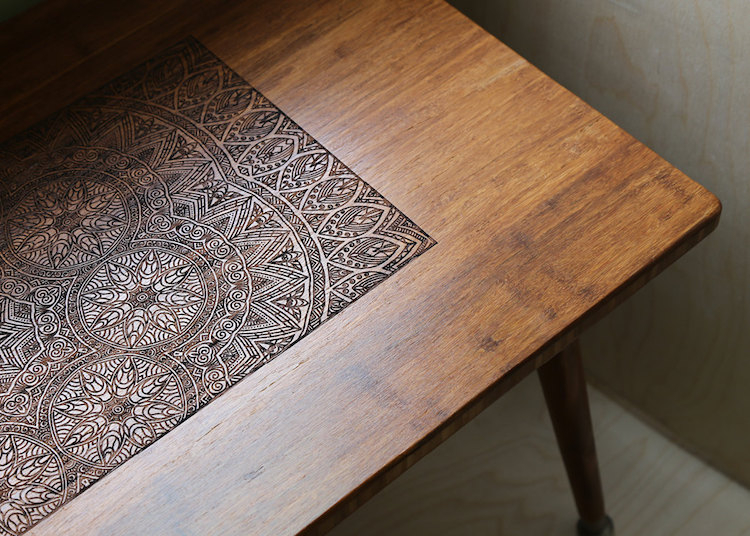
Texture plays an equally important role. Smooth surfaces catch and reflect light differently than rough or carved textures. A bridge made from wood with a slightly textured surface will create more interesting shadow play than a perfectly smooth one. The interplay between light and texture creates depth that draws the eye and makes the piece feel alive rather than static.
Real-world example: Many artists use reclaimed barn wood for their illuminated bridges because the weathered texture adds character and history to the piece, making it feel more authentic and grounded in time.
Lighting as a Design Element
When we talk about illuminated art, we’re not just talking about turning lights on. We’re discussing how to control and direct light to create specific effects. LED strips hidden behind or within the wooden structure can create glowing edges that make the bridge appear to float. The color temperature matters too – warm white light tends to make spaces feel cozy and intimate, while cool white light can give a more modern, crisp appearance.
Consider layering lighting techniques. Maybe you have a subtle glow along the bridge’s edge, with brighter illumination on the central span where the light source is most concentrated. This creates depth and guides the viewer’s eye through the composition. You might even think about using dimmer switches to change the intensity throughout the day, allowing the piece to adapt to different moods and times of year.
The most successful illuminated pieces often incorporate both ambient and focused lighting. Ambient light provides overall illumination, while focused light highlights specific details or creates dramatic contrasts. This approach keeps the entire piece interesting and allows viewers to discover new aspects of the design with each viewing.
Color Theory in Natural Light Settings
While wood naturally has its own color palette, the surrounding environment and lighting conditions dramatically affect how these colors appear. A warm-toned wood might look golden in morning sunlight, but appear more brownish in the evening. Understanding this relationship helps you predict how your piece will look in different settings.
Think about how the wood’s natural undertones interact with the light source. If you’re using warm LED lights, you’ll see the wood’s natural amber tones pop more prominently. Cool lights might bring out blue undertones or make the wood appear more neutral. The goal is to choose a wood and light combination that enhances the natural characteristics rather than masking them.
Many designers find success by choosing wood that has a slight reddish or golden undertone, as these tend to work well with most lighting scenarios and create a sense of warmth that feels inviting. The interaction between the wood’s natural color and the artificial light creates a layered effect that adds complexity to the overall composition.
Scale and Proportion in Wall Art Design
The size of your illuminated bridge significantly impacts how it’s perceived and how it fits into your space. A small, delicate bridge might feel fragile and ethereal, while a large, bold bridge commands attention and can become a focal point. The proportion between the bridge’s width, height, and the amount of illuminated area all contribute to the final feeling of the piece.
Consider how the piece will be viewed. Is it meant to be seen from a distance, or do you want people to walk close and examine the details? If it’s a large piece, you might want to ensure there’s enough space around it so viewers aren’t cramped when looking at it. If it’s smaller, make sure it doesn’t get lost in the surrounding decor.
The concept of negative space is particularly important here. Sometimes, the empty areas around and within the bridge design are just as important as the illuminated elements themselves. These spaces allow the eye to rest and provide breathing room that prevents the piece from feeling overwhelming or cluttered. Think about how much visual weight each element carries and how they relate to one another spatially.
Practical Implementation and Real-World Examples
Putting theory into practice requires understanding that every material choice, lighting decision, and design element must serve the larger goal of visual harmony. Start with a simple sketch of your bridge concept, then experiment with different wood types and light placements. Many artists begin with a basic framework and gradually add complexity.
One effective approach is to test your design in the actual space where it will hang. Turn off the lights and observe how natural light affects the piece at different times of day. Then, turn on your artificial lighting and see how the interplay changes. This hands-on approach reveals unexpected interactions and helps you refine your vision before committing to the final piece.
Successful examples often feature bridges that seem to connect two different worlds – perhaps one side showing a darker, more mysterious tone while the other glows with warm light. This contrast creates a visual journey that engages viewers and makes them want to explore the piece from multiple angles. The best illuminated wooden bridges don’t just exist in space; they create a narrative that unfolds as you look at them.
Creating visual harmony with illuminated wooden bridges isn’t just about making something look good. It’s about crafting a piece that interacts with its environment, responds to light, and creates a sense of connection between the viewer and the artwork. When you get the balance right, you’re not just hanging a picture on the wall – you’re bringing a moment of natural beauty and human craftsmanship into your living space. The key lies in understanding that each element – wood, light, form, and scale – contributes to a greater whole. It’s not about perfection, but about creating something that feels intentional and alive. The best pieces are those that continue to reveal new details and emotions with each viewing, reminding us why we fell in love with the art in the first place.
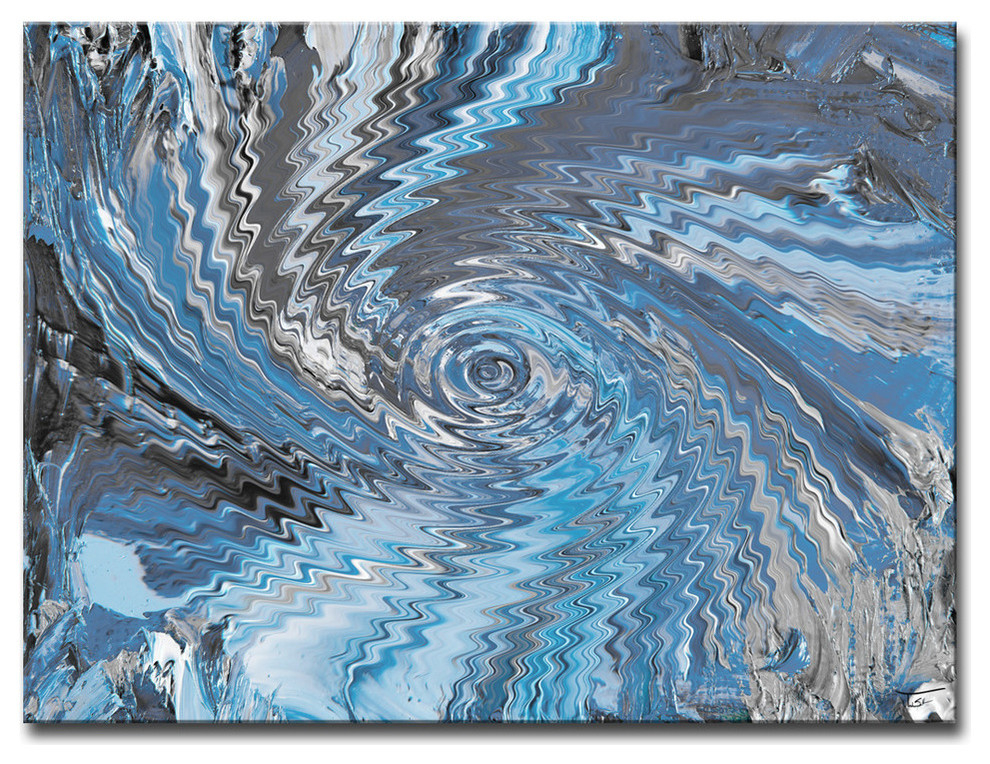
[sps_html tag=”img” src=”https://cdn.theartssection.com/wp-content/uploads/2025/12/spaceship-painting-wall-art-canvas-print-space-wall-art-space-rocket-intended-for-illuminated-wooden-bridge-in-sunlight-sea-pier-wall-art-canvas-print.jpg” alt=”Spaceship Painting Wall Art Canvas Print Space Wall Art Space Rocket … intended for "Illuminated Wooden Bridge In Sunlight" Sea Pier Wall Art Canvas Print” style=”width: 100%; height: auto;”]
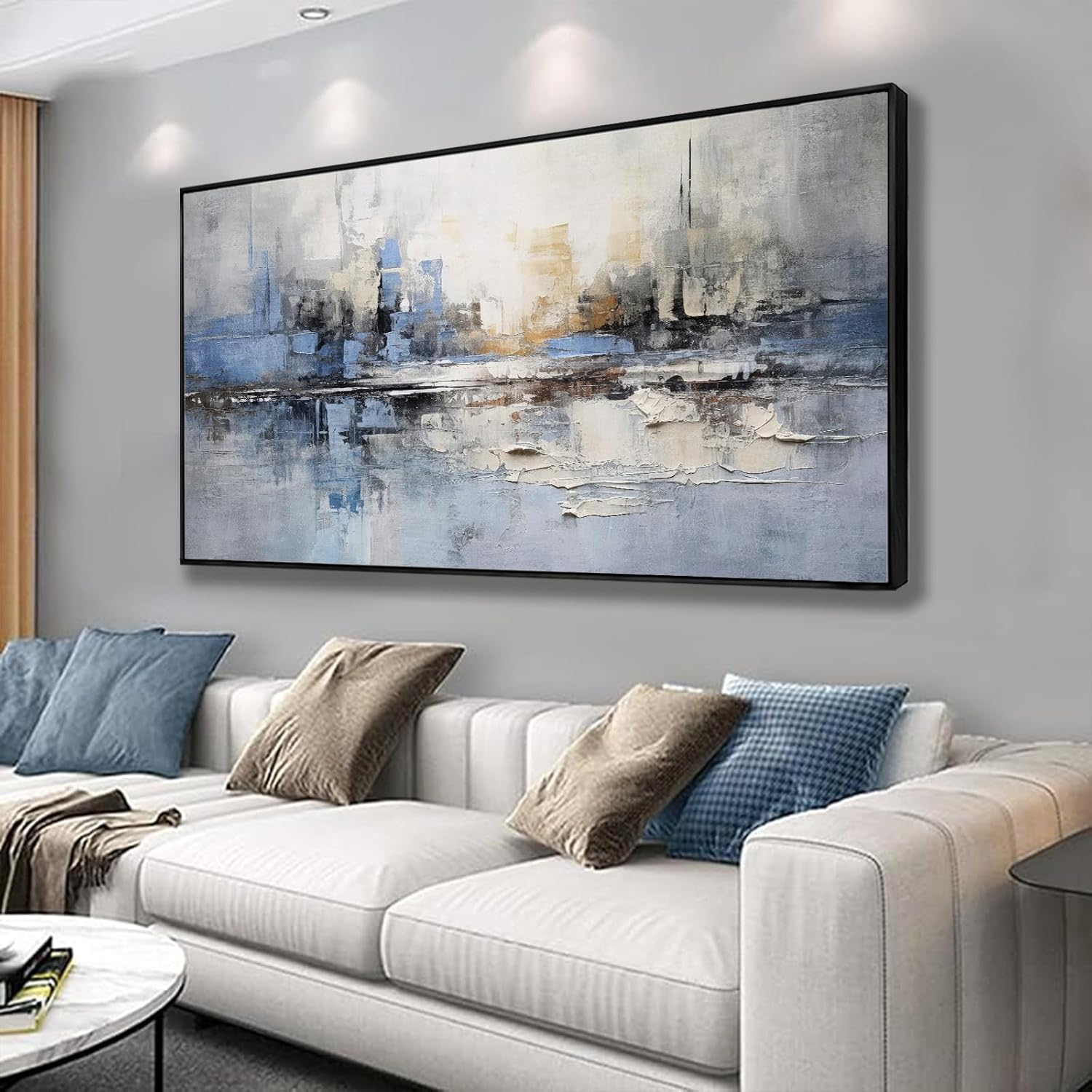
[sps_html tag=”img” src=”https://cdn.theartssection.com/wp-content/uploads/2025/12/amazon-com-abstract-wall-art-framed-artwork-blue-and-gray-white-decor-inside-illuminated-wooden-bridge-in-sunlight-sea-pier-wall-art-canvas-print.jpg” alt=”Amazon.com: Abstract Wall Art Framed Artwork Blue And Gray White Decor … inside "Illuminated Wooden Bridge In Sunlight" Sea Pier Wall Art Canvas Print” style=”width: 100%; height: auto;”]
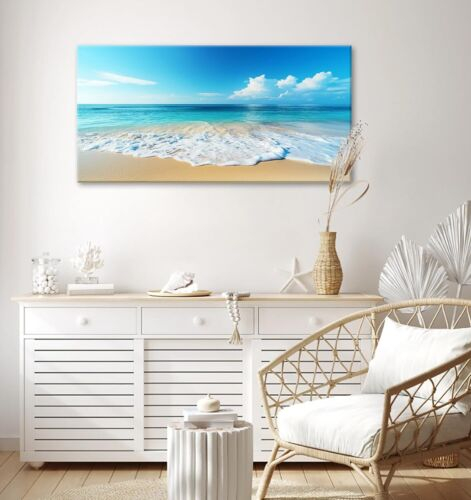
[sps_html tag=”img” src=”https://cdn.theartssection.com/wp-content/uploads/2025/12/sea-beach-wall-art-canvas-print-picture-wall-decor-blue-seascape-canvas-within-illuminated-wooden-bridge-in-sunlight-sea-pier-wall-art-canvas-print.jpg” alt=”Sea Beach Wall Art Canvas Print Picture Wall Decor Blue Seascape Canvas … within "Illuminated Wooden Bridge In Sunlight" Sea Pier Wall Art Canvas Print” style=”width: 100%; height: auto;”]
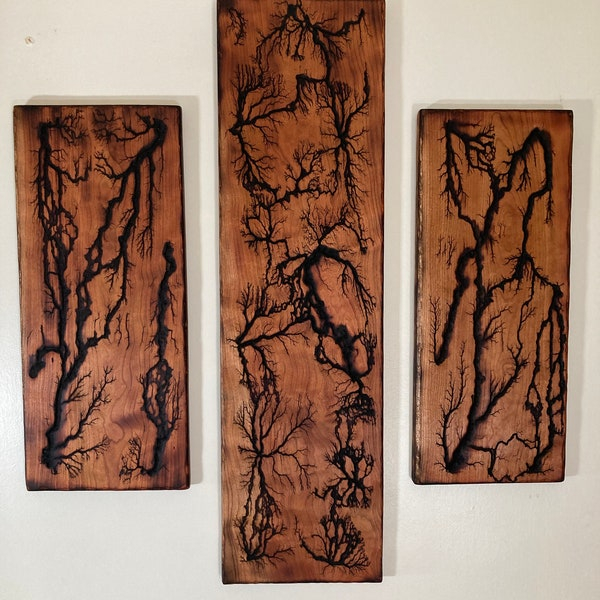
[sps_html tag=”img” src=”https://cdn.theartssection.com/wp-content/uploads/2025/12/voodoo-dolls-art-inside-illuminated-wooden-bridge-in-sunlight-sea-pier-wall-art-canvas-print.png” alt=”Voodoo Dolls Art inside "Illuminated Wooden Bridge In Sunlight" Sea Pier Wall Art Canvas Print” style=”width: 100%; height: auto;”]
[sps_html tag=”img” src=”https://cdn.theartssection.com/wp-content/uploads/2025/12/amazon-com-framed-wall-art-canvas-decor-modern-natural-landscape-wall-with-regard-to-illuminated-wooden-bridge-in-sunlight-sea-pier-wall-art-canvas-print.jpg” alt=”Amazon.com: Framed Wall Art Canvas Decor Modern Natural Landscape Wall … with regard to "Illuminated Wooden Bridge In Sunlight" Sea Pier Wall Art Canvas Print” style=”width: 100%; height: auto;”]