Devil tattoos have captivated people for centuries, but their roots run much deeper than simple rebellion or shock value. These powerful symbols carry ancient meanings that span continents and cultures, telling stories of fear, faith, transformation, and defiance. From medieval European folklore to modern street culture, the devil motif in tattooing reveals fascinating insights into human psychology and societal values.
Tattoo art has always been more than just skin deep. When you see someone with a devil tattoo, you’re witnessing a complex narrative that stretches back through centuries of human history. These designs aren’t just about being scary or edgy – they’re loaded with cultural significance that varies dramatically depending on where and when they appear. The devil, as a symbol, has been both feared and revered across countless civilizations. In tattoo form, this duality becomes even more pronounced. What looks like a simple inked figure might actually represent something entirely different to someone from a different background. The devil tattoo speaks to our primal fears while simultaneously offering a path toward self-expression and identity formation.
Ancient Foundations: The Devil in Early Civilizations
The concept of devils and demons predates Christianity by millennia. Ancient Mesopotamians, Egyptians, and Greeks all had their versions of malevolent supernatural beings. In ancient Egypt, the god Seth represented chaos and disorder, often depicted with features that would later become associated with demonic imagery. The Babylonian Talmud speaks of Lilith, a female demon who challenged divine authority. These early concepts laid the groundwork for how devils would be portrayed in later artistic traditions. The transition from religious iconography to tattoo art happened gradually. Ancient peoples used body markings to communicate status, spiritual beliefs, and tribal affiliations. When tattooing techniques developed, these early symbolic systems naturally evolved into the visual languages we see today. The devil’s role in these ancient cultures was complex – sometimes representing evil, other times embodying rebellion against oppressive systems. This dual nature would prove crucial in how devil tattoos would develop over time.
Medieval European Influence and Religious Symbolism
European medieval period brought the most systematic development of devil imagery in Western culture. The Catholic Church’s influence meant that the devil became a central figure in religious art, literature, and social consciousness. Medieval manuscripts featured elaborate depictions of Satan and his minions, often incorporating grotesque features designed to terrify viewers. These images influenced how devils would be portrayed in later tattoo art. The concept of the devil as a tempting figure who led people astray became deeply embedded in European collective consciousness. During the Reformation era, Protestant reformers also used devil imagery to emphasize their opposition to Catholic practices. This period saw a shift from purely religious symbolism to more complex cultural commentary. The devil in medieval art often served as a mirror reflecting human nature – showing both the potential for evil and the capacity for redemption. This complexity resonated with later tattoo artists who wanted to explore deeper philosophical themes. The devil became less about pure evil and more about the human condition itself.
Cultural Variations: How Different Societies Interpret Devil Symbols
Not every culture views the devil the same way. In some African traditions, what Europeans might call ‘devils’ are actually ancestral spirits or nature forces that can be both helpful and harmful. Japanese culture has its own version of demonic figures called oni, which are more complex than simple evil beings. They often represent challenges or obstacles that must be overcome rather than pure malevolence. Native American tribes had various concepts of supernatural beings that could be seen as similar to devils but were usually understood differently within their cosmological frameworks. The key insight here is that devil tattoos are never truly universal. A person in Japan might interpret a devil tattoo very differently than someone in Europe or America. In many Eastern cultures, the emphasis isn’t on the devil as an enemy but rather as a challenge to be faced. This philosophical difference shows up clearly in tattoo design choices. For instance, Japanese-style devil tattoos often feature more stylized elements and focus on the warrior aspect rather than pure horror. The cultural lens through which one views these symbols completely changes their meaning.
Modern Rebellion and Counterculture Movements
The 1960s and 1970s marked a significant turning point for devil tattoo art. As counterculture movements grew, the devil became a symbol of rebellion against established norms. The anti-establishment ethos of the time made the devil’s role as an outsider figure particularly appealing. Rock musicians, especially those in heavy metal and punk scenes, embraced devil imagery as a way to express dissent from mainstream society. The iconic imagery of the devil in these contexts often featured horns, tails, and other traditional elements that had been popularized in European art. But there was also a new twist – these tattoos weren’t necessarily about religious rejection but rather about personal freedom and non-conformity. The devil became a symbol of breaking away from restrictive social expectations. This shift in meaning was revolutionary because it separated the symbol from its religious origins and gave it a new secular purpose. Tattoo artists began experimenting with more contemporary interpretations of devil imagery, blending traditional elements with modern artistic styles.
Psychological Dimensions: Why People Choose Devil Tattoos
There’s a psychological component to why people choose devil tattoos that goes beyond surface-level aesthetics. Some individuals feel drawn to the idea of embracing their darker impulses or exploring parts of themselves they might otherwise suppress. Others see the devil as a symbol of strength and power – qualities that can be empowering rather than frightening. The concept of transformation is also important here. Many people who get devil tattoos do so as part of a personal journey toward self-acceptance. The devil represents the rejected aspects of personality that one might want to integrate rather than reject. There’s also a therapeutic element to consider. For some, getting a devil tattoo can be a way of processing trauma or difficult experiences. The act of choosing such a powerful symbol can provide a sense of control over one’s life story. The psychological appeal often lies in the paradox – using something traditionally seen as evil to represent positive change and growth.
Contemporary Evolution and Global Perspectives
Today’s devil tattoo scene is incredibly diverse and global. Artists from all corners of the world contribute to this evolving art form, bringing their own cultural perspectives and techniques. Modern tattoo technology has allowed for more detailed and realistic representations of devil imagery than ever before. However, there’s also a growing trend toward abstract interpretations that focus more on the emotional impact than literal representation. Social media has played a huge role in spreading these designs globally, allowing people to see and appreciate different cultural approaches to devil tattoo art. The internet has also created communities where people can discuss the deeper meanings behind these tattoos. Some artists now blend traditional devil imagery with modern symbolism, creating hybrid designs that speak to contemporary concerns. This evolution shows how tattoo art continues to adapt and grow while maintaining connections to its historical roots. The devil remains relevant because it taps into fundamental human experiences – struggle, transformation, and the search for identity.
The devil tattoo represents far more than just a design choice – it’s a living symbol that connects us to ancient traditions while allowing for modern expression. From its earliest appearances in religious manuscripts to today’s sophisticated artistic interpretations, the devil has consistently served as a mirror for human nature and societal values. What we see in these tattoos reflects not just individual preferences but deep cultural currents that have shaped human understanding of good and evil, power and vulnerability, rebellion and conformity. The beauty of devil tattoo art lies in its ability to evolve while maintaining its core significance. Whether someone chooses this imagery for personal empowerment, cultural connection, or artistic expression, they’re participating in a rich tradition that spans centuries. The devil in tattoo form will undoubtedly continue to evolve, but its fundamental role as a symbol of human complexity and transformation remains constant. Understanding these cultural roots helps us appreciate not just the artistry involved, but the deeper meanings that drive people to carry these symbols on their bodies.
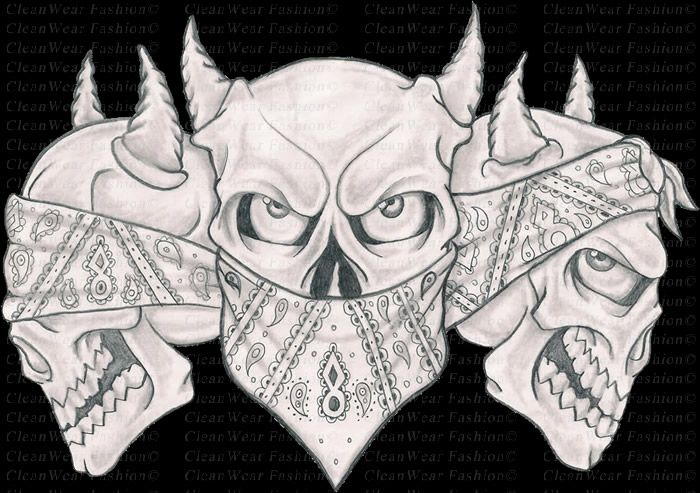
[sps_html tag=”img” src=”https://cdn.theartssection.com/wp-content/uploads/2025/11/hear-no-see-no-speak-no-evil-by-joshua-abshier-skull-coloring-pages-within-creating-meaning-through-vintage-style-devil-and-skull-artwork.jpg” alt=”Hear No, See No, Speak No Evil By Joshua Abshier | Skull Coloring Pages … within Creating Meaning Through Vintage Style Devil and Skull Artwork” style=”width: 100%; height: auto;”]
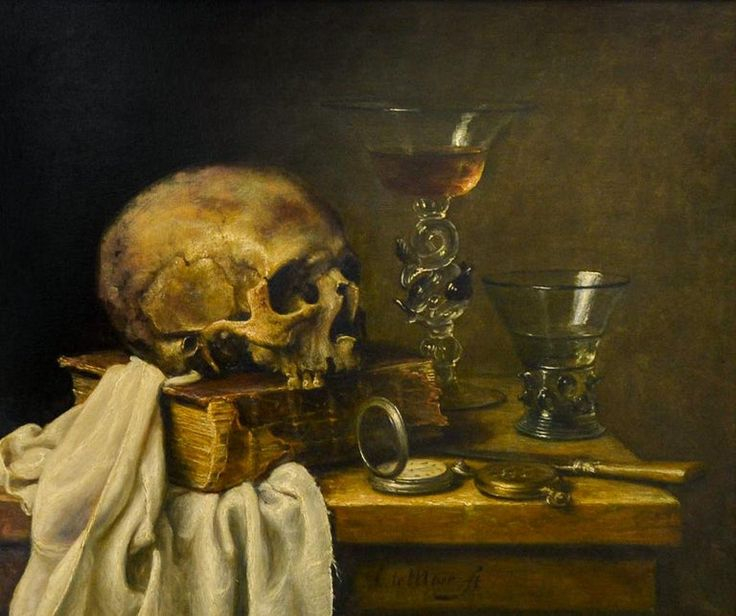
[sps_html tag=”img” src=”https://cdn.theartssection.com/wp-content/uploads/2025/11/cornelis-le-mair-skull-with-book-venetian-glass-rummer-knife-and-for-creating-meaning-through-vintage-style-devil-and-skull-artwork.jpg” alt=”Cornelis Le Mair - Skull With Book, Venetian Glass, Rummer, Knife And … for Creating Meaning Through Vintage Style Devil and Skull Artwork” style=”width: 100%; height: auto;”]
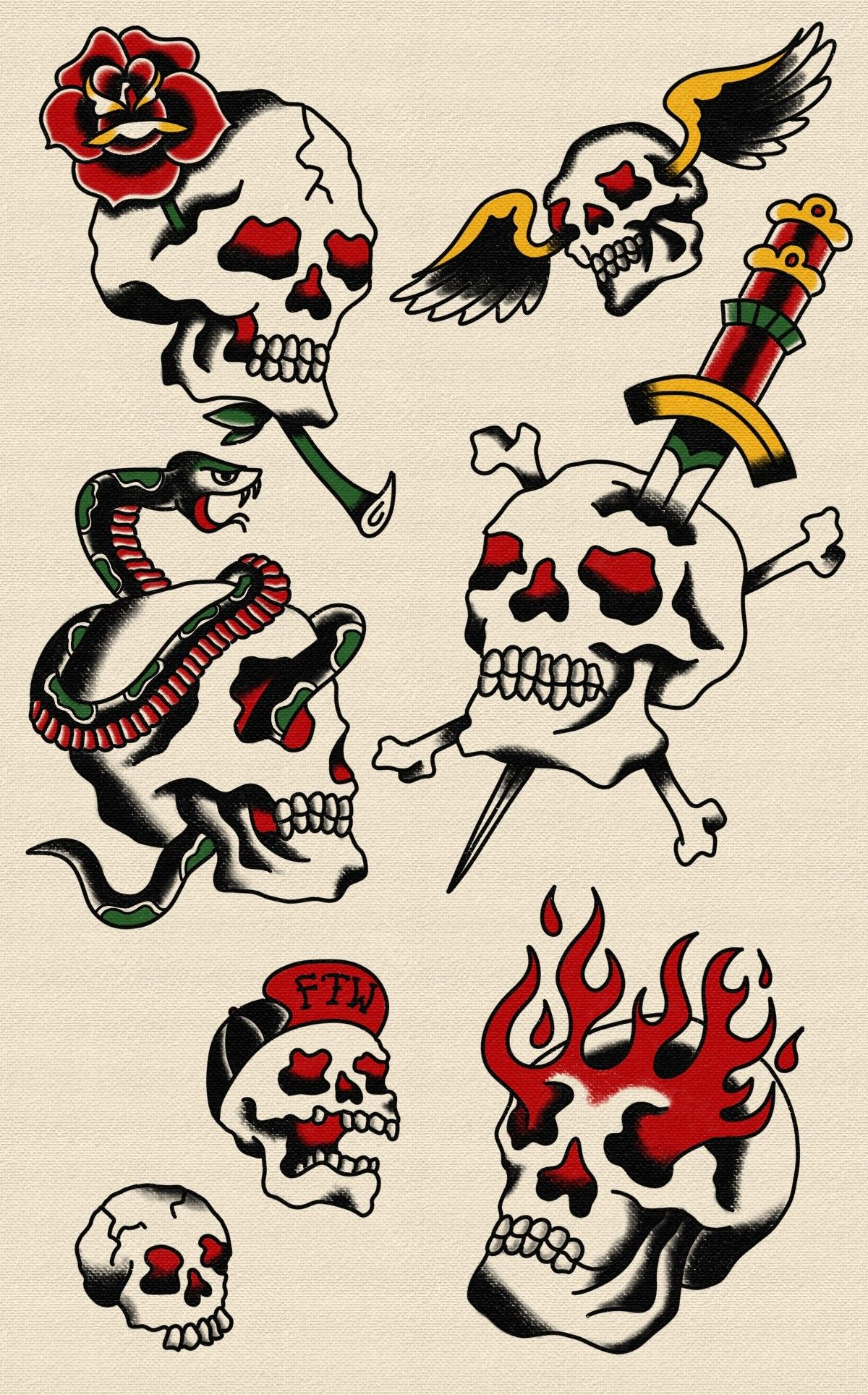
[sps_html tag=”img” src=”https://cdn.theartssection.com/wp-content/uploads/2025/11/traditional-skull-tattoo-flash-sheet-by-stef-castellarin-traditional-inside-creating-meaning-through-vintage-style-devil-and-skull-artwork.jpg” alt=”Traditional Skull Tattoo Flash Sheet By Stef Castellarin | Traditional … inside Creating Meaning Through Vintage Style Devil and Skull Artwork” style=”width: 100%; height: auto;”]
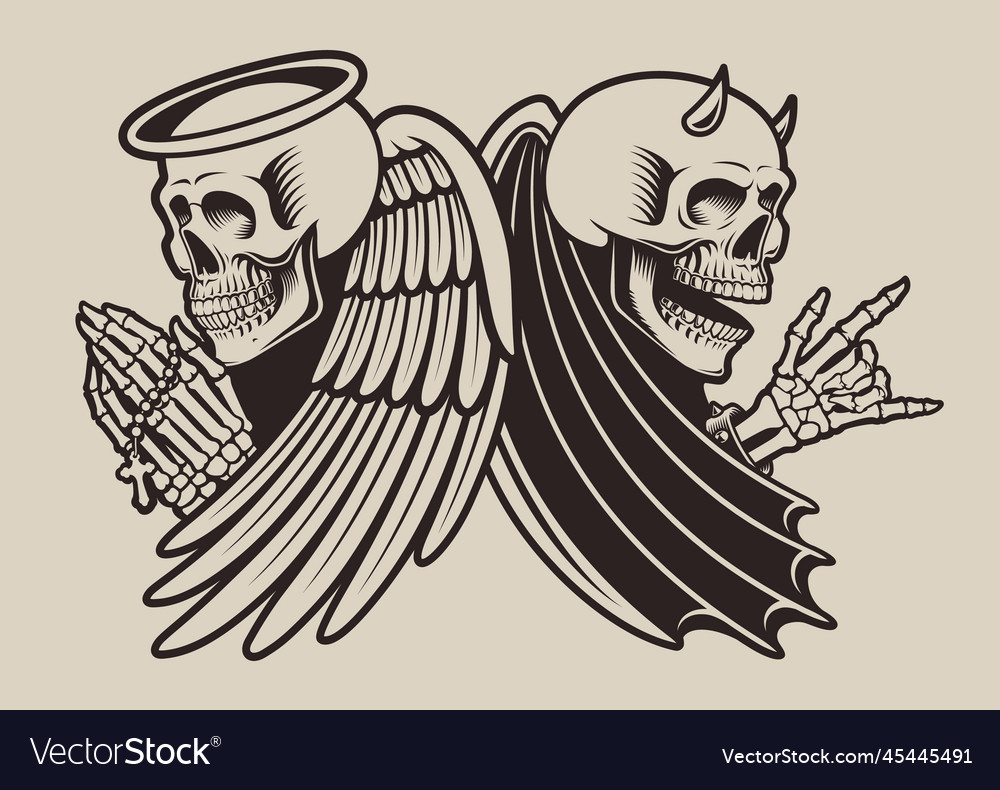
[sps_html tag=”img” src=”https://cdn.theartssection.com/wp-content/uploads/2025/11/vintage-biker-skull-angel-and-devil-with-wings-vector-image-with-creating-meaning-through-vintage-style-devil-and-skull-artwork.jpg” alt=”Vintage Biker Skull Angel And Devil With Wings Vector Image with Creating Meaning Through Vintage Style Devil and Skull Artwork” style=”width: 100%; height: auto;”]
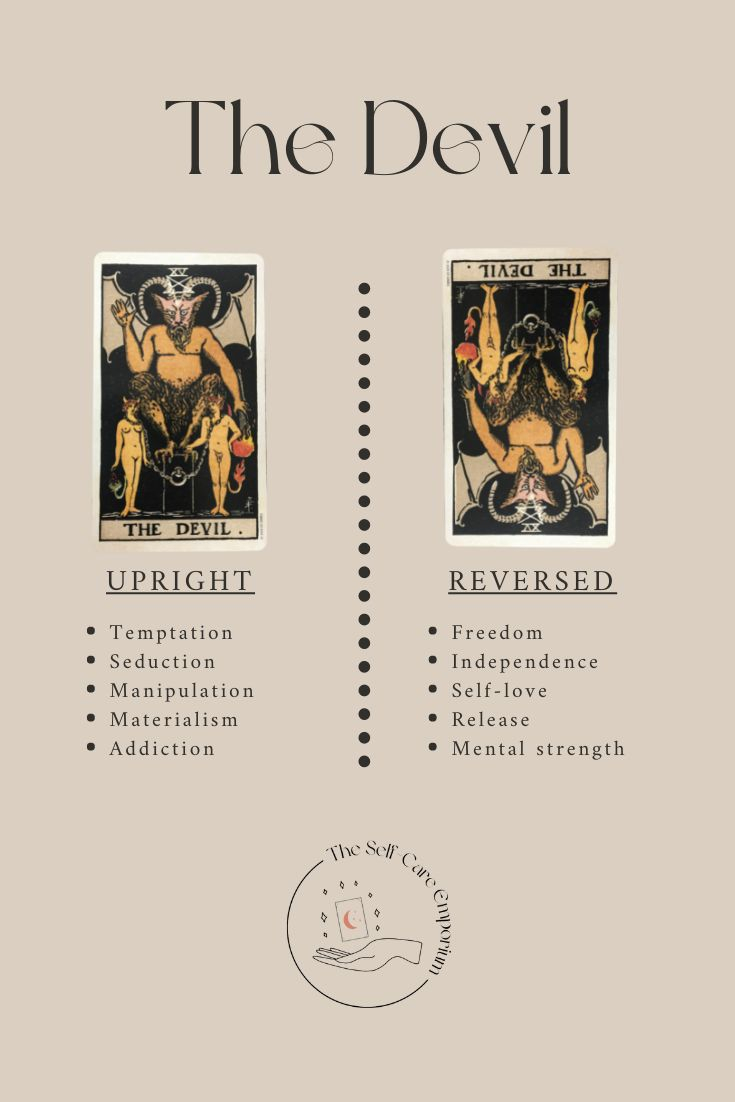
[sps_html tag=”img” src=”https://cdn.theartssection.com/wp-content/uploads/2025/11/the-devil-tarot-meaning-guidance-the-self-care-emporium-reading-throughout-creating-meaning-through-vintage-style-devil-and-skull-artwork.jpg” alt=”The Devil Tarot Meaning & Guidance — | The Self-Care Emporium | Reading … throughout Creating Meaning Through Vintage Style Devil and Skull Artwork” style=”width: 100%; height: auto;”]