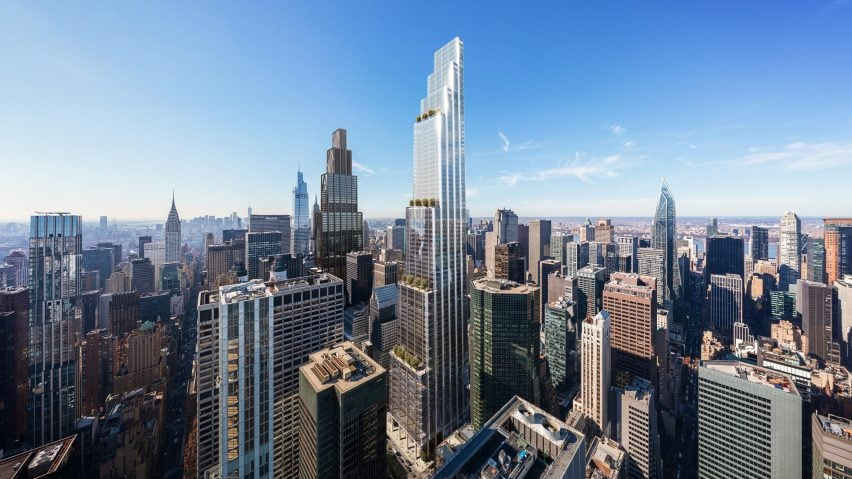
When you look up at Manhattan’s impressive skyline, you’re witnessing more than just tall buildings. You’re seeing centuries of architectural evolution, engineering breakthroughs, and human ambition captured in steel and glass. From the early days of brownstones to today’s sleek towers, each structure tells a story of innovation, vision, and the relentless pursuit of reaching new heights.
Manhattan’s skyline isn’t just a collection of buildings—it’s a living museum of architectural history. Every skyscraper, every distinctive facade, and every innovative design choice represents decades of progress in construction techniques, aesthetic preferences, and urban planning. The city’s vertical growth tells us something profound about how people have adapted to limited space while pushing the boundaries of what’s possible. Whether you’re walking through the Financial District or strolling along the High Line, you’re experiencing one of the most dynamic architectural landscapes in the world.
The Birth of the Modern Skyscraper
The story of Manhattan’s skyline begins in the late 1800s when the city faced a housing crisis. With land becoming increasingly scarce, developers looked upward for solutions. The first true skyscrapers emerged around 1880, built with new steel frame construction that allowed buildings to rise higher than ever before. These early pioneers included the Home Insurance Building in Chicago, which inspired similar structures in New York.
The key breakthrough came with the development of the elevator system and steel skeleton frames. Before these innovations, buildings were limited to about five stories because of the weight of brick walls. Steel frames meant architects could create taller structures with larger windows and more open interior spaces. This revolution changed everything.
Consider the Flatiron Building, completed in 1902, which became an instant icon due to its unique triangular shape. It wasn’t just about height—it was about creating something visually striking that defied conventional building methods. The building’s design responded to its narrow lot, showcasing how architecture could solve practical problems while remaining beautiful.
Art Deco and the Golden Age of Skyscrapers
The 1920s and 1930s marked a golden era for Manhattan’s skyline. During this time, Art Deco style dominated building designs, bringing geometric patterns, ornamental details, and a sense of luxury to the urban landscape. The Chrysler Building, finished in 1930, became the world’s tallest building until 1931. Its distinctive crown and decorative elements represented the optimism and energy of the Roaring Twenties.
What made this period special wasn’t just the height of buildings, but their artistic expression. The Empire State Building, completed in 1931, stands as one of the most recognizable symbols of New York. Its setbacks and distinctive spire created a silhouette that still defines the city’s profile today.
These buildings were more than just structures—they were statements of power and prosperity. They reflected the confidence of a city that was rapidly becoming the financial center of the world. The Empire State Building’s observation deck offered visitors a bird’s-eye view of the growing metropolis below, making it both a marvel of engineering and a tourist attraction.
Modernist Innovation and the Post-War Boom
After World War II, Manhattan’s skyline evolved dramatically. The modernist movement brought clean lines, minimal ornamentation, and functional design principles to high-rise construction. The United Nations Building, completed in 1952, exemplified this approach with its simple geometric form and international significance.
The 1960s and 70s saw a surge in skyscraper construction as businesses expanded and the economy grew. The Seagram Building, designed by Ludwig Mies van der Rohe and Philip Johnson in 1958, became a landmark of minimalist architecture. Its sleek bronze and glass facade set new standards for corporate office buildings.
This period also introduced new materials and construction techniques. The use of curtain wall systems allowed for even taller buildings with large expanses of windows. The World Trade Center complex, though now a different footprint, represented the pinnacle of modernist design with its twin towers and innovative structural system.
The challenge during this era was balancing functionality with aesthetics. Buildings needed to house thousands of workers efficiently while maintaining visual appeal. Many architects found creative solutions that served both purposes effectively.
The Rise of Contemporary Architecture
Since the 1980s, Manhattan’s skyline has become increasingly diverse in architectural styles. The postmodern movement brought back decorative elements and historical references, while newer developments embraced sustainability and cutting-edge technology. The Guggenheim Museum, though located in the Bronx, influenced the way museums could integrate with urban environments.
One of the most significant changes has been the emphasis on sustainable design. The Bank of America Tower, completed in 2009, features green technologies including rainwater harvesting and energy-efficient systems. It’s one of the few skyscrapers in the world to receive LEED Platinum certification.
Contemporary architects like Norman Foster and Zaha Hadid have pushed the boundaries of what skyscrapers can look like. Their work includes flowing curves, innovative materials, and experimental shapes that challenge traditional notions of building design. The Hearst Tower, designed by Foster, demonstrates how older buildings can be renovated and enhanced with modern technology.
Today’s skyline reflects global influences and new construction methods. Buildings incorporate smart technologies, renewable energy sources, and flexible floor plans that adapt to changing business needs.
Engineering Marvels Behind the Scenes
Behind every impressive skyline building lies a complex web of engineering challenges and solutions. Wind resistance, seismic activity, and foundation stability all play crucial roles in how tall buildings stand firm. The Empire State Building, for example, required careful consideration of wind loads that could potentially cause swaying.
Modern skyscrapers often employ sophisticated damping systems to reduce sway caused by wind or earthquakes. The One World Observatory, part of the rebuilt World Trade Center, uses advanced computer modeling to ensure structural integrity. Engineers must account for thermal expansion, where materials grow and shrink with temperature changes.
Foundation systems have also evolved significantly. The Burj Khalifa in Dubai, while not in Manhattan, demonstrates how deep foundations and reinforced concrete can support extremely tall structures. In New York, many buildings rely on caissons that extend deep into bedrock to provide stability.
Construction methods have changed dramatically too. Prefabricated components allow for faster assembly, while computer-aided design ensures precision in complex geometries. The construction of the Freedom Tower involved over 400,000 cubic yards of concrete and required specialized equipment to reach unprecedented heights.
Cultural Impact and Urban Planning
Manhattan’s skyline isn’t just about individual buildings—it’s about how they collectively shape the urban experience. The concept of the ‘sky garden’ or ‘vertical neighborhood’ has gained popularity, where buildings incorporate public spaces and amenities that encourage interaction between residents and visitors.
The skyline affects everything from property values to tourism. Areas like Midtown and the Financial District have seen dramatic increases in real estate prices partly due to their proximity to iconic buildings. The presence of famous landmarks creates a sense of place that draws millions of tourists annually.
Urban planners continue to grapple with how to accommodate growth while preserving the character of neighborhoods. The recent approval of the Hudson Yards development shows how new construction can integrate with existing infrastructure while creating entirely new districts.
Public policy plays a role too. Building height restrictions, setback requirements, and design guidelines all influence what can be constructed. The 1916 Zoning Resolution, for example, required buildings to step back as they rose, creating the distinctive silhouette that many associate with classic New York architecture.
The skyline also reflects social and economic changes. As more women enter the workforce, there’s increasing demand for mixed-use buildings that combine residential, commercial, and retail spaces. The trend toward flexible office spaces also influences how buildings are designed and used.
Manhattan’s skyline represents far more than a collection of tall buildings. It’s a testament to human creativity, engineering prowess, and the endless drive to innovate. Each structure contributes to a larger narrative about how cities evolve, how people adapt to constraints, and how we can create beauty even in confined spaces. The skyline continues to change, with new projects pushing boundaries and redefining what’s possible. Whether you’re a longtime resident or first-time visitor, looking up at these towering achievements reminds us of our capacity to build something magnificent from nothing but imagination and determination. The future of Manhattan’s skyline promises even more exciting developments, ensuring that the city remains at the forefront of architectural innovation for generations to come.
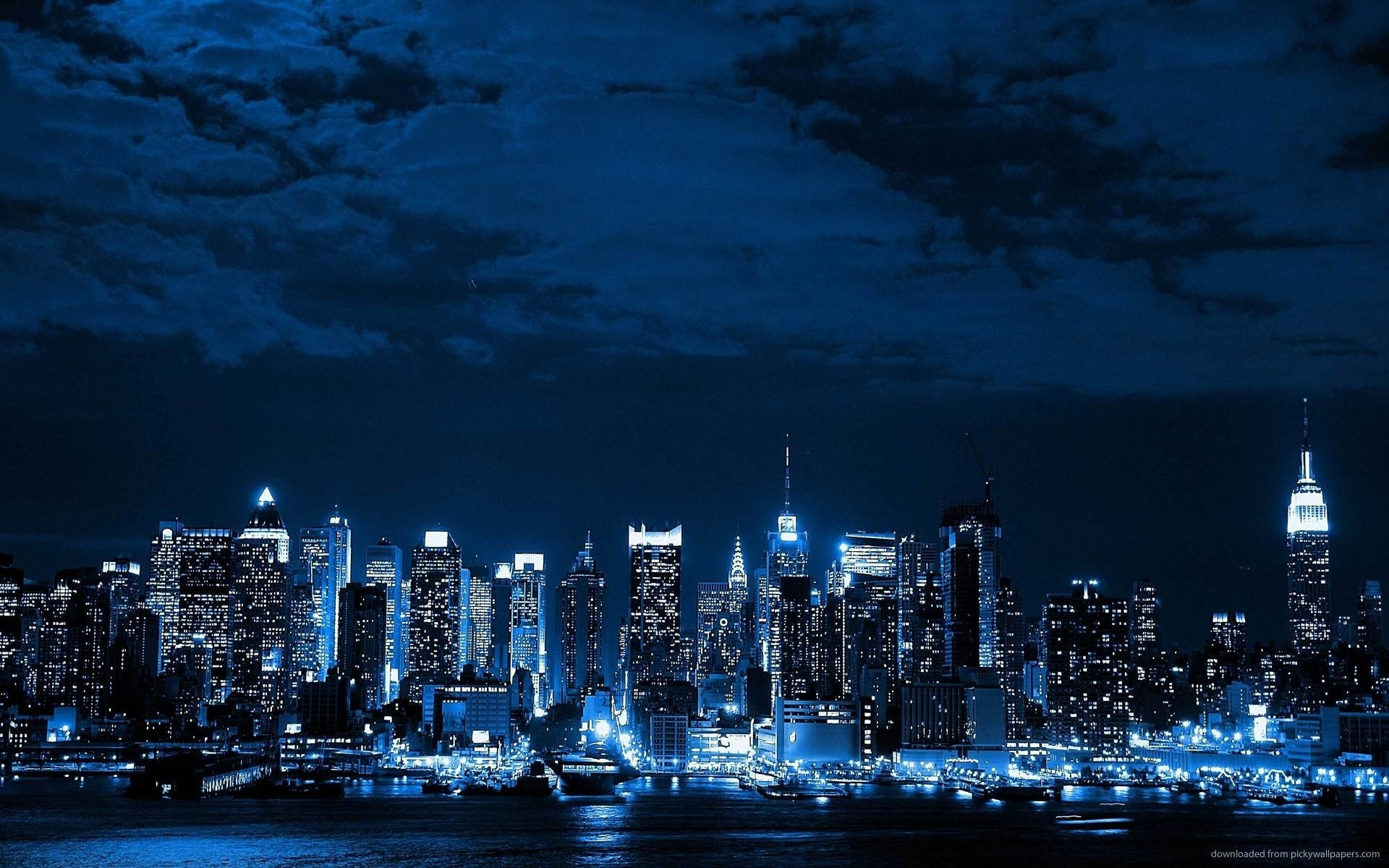
[sps_html tag=”img” src=”https://cdn.theartssection.com/wp-content/uploads/2025/11/manhattan-nights-stunning-hd-skyline-of-new-yorks-iconic-man-made-marvels-with-new-york-manhattan-skyline.jpg” alt=”Manhattan Nights: Stunning Hd Skyline Of New York's Iconic Man-Made Marvels with "New York Manhattan Skyline” style=”width: 100%; height: auto;”]
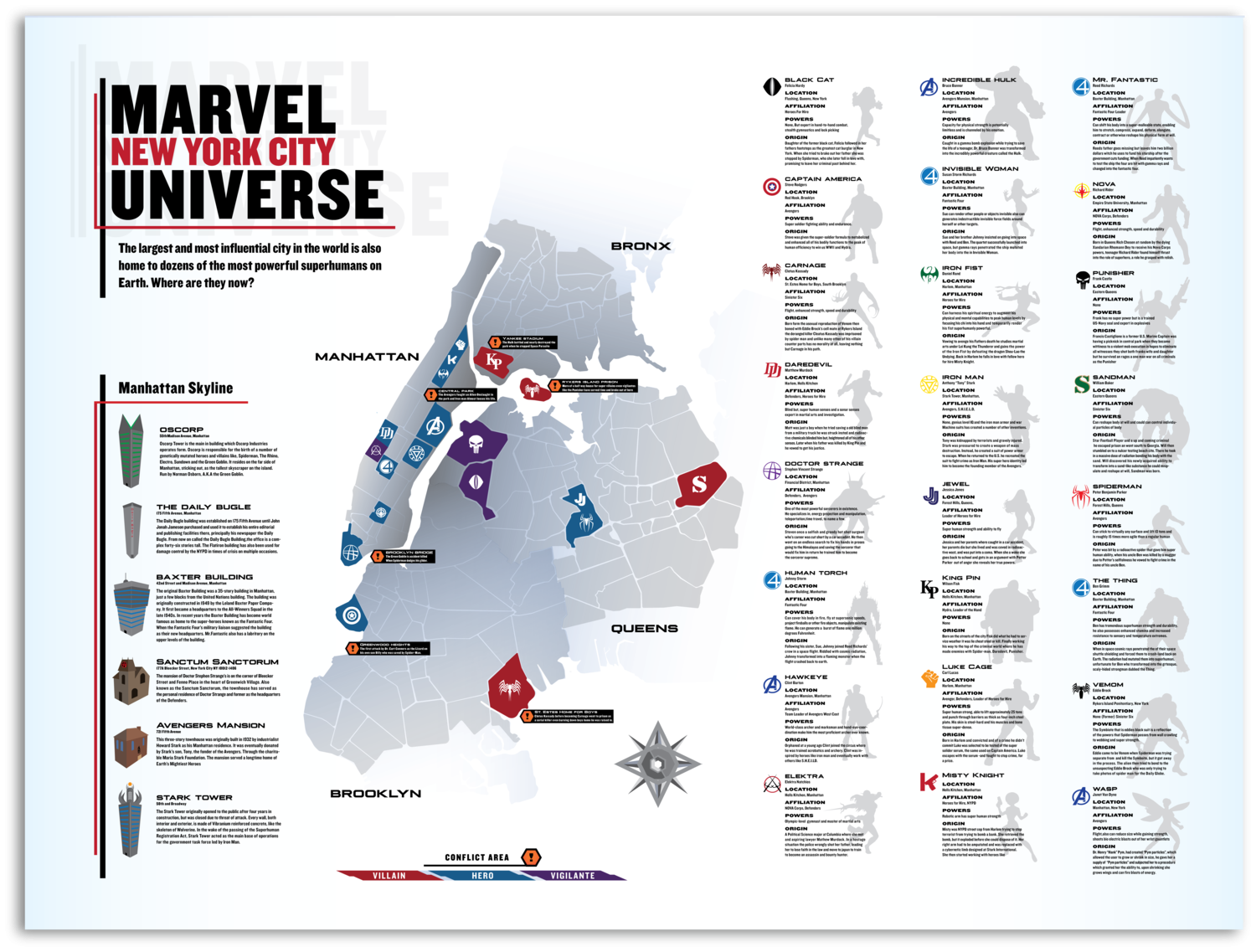
[sps_html tag=”img” src=”https://cdn.theartssection.com/wp-content/uploads/2025/11/marvel-nyc-grant-hofmann-design-work-manhattan-skyline-new-york-inside-new-york-manhattan-skyline.png” alt=”Marvel Nyc — Grant Hofmann Design - Work | Manhattan Skyline, New York … inside "New York Manhattan Skyline” style=”width: 100%; height: auto;”]
[sps_html tag=”img” src=”https://cdn.theartssection.com/wp-content/uploads/2025/11/urban-wonders-unveiling-manhattans-architectural-marvels-and-unique-intended-for-understanding-the-architectural-marvels-that-define-manhattans-skyline.jpg” alt=”Urban Wonders: Unveiling Manhattan's Architectural Marvels And Unique … intended for Understanding the Architectural Marvels That Define Manhattan's Skyline” style=”width: 100%; height: auto;”]
[sps_html tag=”img” src=”https://cdn.theartssection.com/wp-content/uploads/2025/11/architectural-marvels-the-buildings-that-define-the-uae-skyline-intended-for-understanding-the-architectural-marvels-that-define-manhattans-skyline.png” alt=”Architectural Marvels: The Buildings That Define The Uae Skyline intended for Understanding the Architectural Marvels That Define Manhattan's Skyline” style=”width: 100%; height: auto;”]
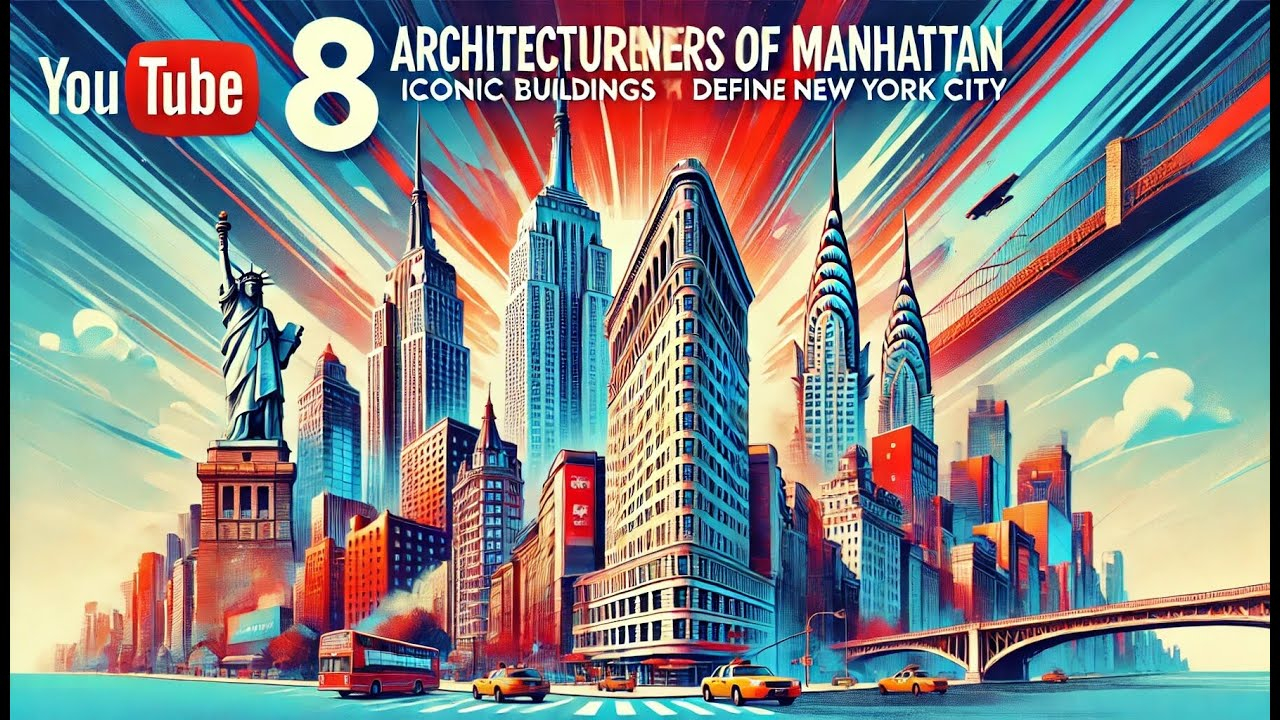
[sps_html tag=”img” src=”https://cdn.theartssection.com/wp-content/uploads/2025/11/8-architectural-wonders-of-manhattan-iconic-buildings-that-define-new-with-understanding-the-architectural-marvels-that-define-manhattans-skyline.jpg” alt=”8 Architectural Wonders Of Manhattan: Iconic Buildings That Define New … with Understanding the Architectural Marvels That Define Manhattan's Skyline” style=”width: 100%; height: auto;”]