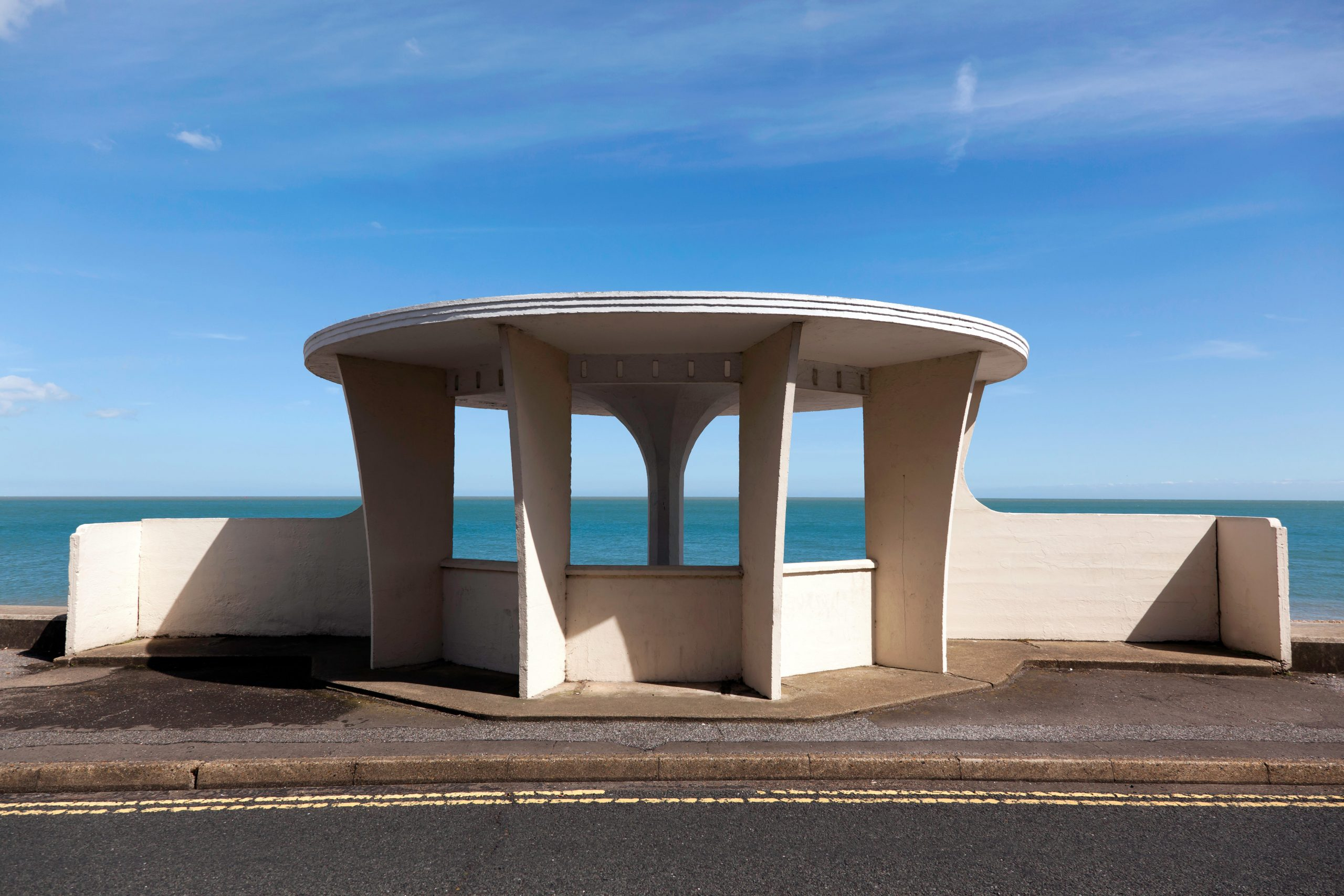
When you think of concrete, you probably picture sleek skyscrapers or sturdy bridges. But there’s another side to this versatile material that’s been quietly transforming coastlines around the world. These aren’t just functional buildings – they’re artistic statements carved by time itself.
Picture this: You’re standing on a weathered pier, feeling the salt spray on your face, watching waves crash against concrete pilings that have stood strong for decades. These aren’t just industrial remnants – they’re monuments to human creativity and resilience. Maritime concrete structures represent something special in our built environment. They’ve endured storms, salt corrosion, and the relentless march of time. What makes them truly remarkable isn’t just their durability, but their unique aesthetic evolution. These structures have transformed from utilitarian objects into artistic expressions that speak to both history and beauty.
The Birth of Maritime Concrete
Concrete didn’t always mean what we think of today. In the 19th century, engineers began experimenting with new ways to build structures that could withstand ocean forces. Early maritime concrete was often mixed with volcanic ash or other additives to improve its resistance to saltwater erosion. Think of it like creating armor for buildings – but instead of metal plates, they used specially formulated concrete that could handle the daily assault of tides and storms. The first major examples appeared along busy shipping routes where infrastructure needed to last for generations. These early pioneers didn’t just want structures that would stand up to the elements; they wanted them to look good too. The concrete was often poured in decorative patterns or shaped to create visual interest even before it hardened.
How Salt Changes Everything
Here’s where things get interesting – salt water doesn’t just corrode metal. It changes concrete in ways that create entirely new artistic possibilities. As salt penetrates concrete over time, it creates distinctive patterns and textures that no artist could replicate by hand. The process is slow, almost like nature’s own sculpture work. Some structures develop beautiful moss growths that add organic elements to the hard concrete surfaces. Others show telltale signs of chemical reactions that create unique color variations. The salt acts as a catalyst for transformation. It’s like watching a painting evolve over decades, with each storm adding a new brushstroke to the composition. This process has created some truly stunning visual effects that make these structures appear almost like living art.
Architectural Forms That Tell Stories
Maritime concrete structures often feature forms that seem almost sculptural. Look at the way pilings curve and bend in response to ocean currents. These aren’t just random shapes – they reflect deep understanding of how forces interact with materials. Some structures were designed to channel water in specific ways, creating flowing lines that are both functional and beautiful. Others showcase geometric patterns that create visual rhythm across the shoreline. The famous breakwaters of various coastal cities demonstrate how concrete can be shaped to create both protection and aesthetic appeal. These aren’t just buildings – they’re sculptures that exist in harmony with their environment. The interplay between the concrete and the surrounding ocean creates a dialogue that changes throughout the day and seasons.
The Art of Weathering
What happens when you combine concrete with decades of exposure to wind, rain, and sun? You get something that’s neither new nor old – it’s somewhere in between. This weathered state becomes part of the artwork itself. Cracks form in unexpected patterns, sometimes creating natural frames for views of the ocean. Color fades gradually, revealing underlying textures and minerals that were hidden beneath the original surface. Some structures develop patinas that shift with lighting conditions. The way light hits weathered concrete creates shadows and highlights that change constantly. It’s almost as if the concrete is breathing, responding to environmental conditions in ways that make every visit feel different. This ongoing transformation keeps these structures fresh and engaging for anyone who encounters them.
Cultural Significance and Memory
These concrete structures aren’t just pretty to look at – they carry stories. Every crack tells a tale of past storms, every stain speaks to years of weather exposure. Local communities often develop deep connections with these structures. Fishermen might remember when their fathers worked on these piers. Tourists might find themselves drawn to the way the concrete reflects their own reflections in the water. The structures serve as anchors for memory and identity. They’re places where people gather, where traditions are maintained, and where history is lived. In many cases, these structures have become landmarks that define entire neighborhoods. The concrete becomes part of the cultural fabric of coastal communities, representing both the challenges and triumphs of living near the sea.
Preservation Challenges and Opportunities
So how do we keep these artistic treasures alive? Preservation isn’t just about preventing deterioration – it’s about understanding how to let nature’s artistry continue while maintaining structural integrity. Some conservationists argue for minimal intervention, allowing natural weathering to continue its work. Others prefer more active restoration approaches. The challenge lies in balancing preservation with the very qualities that make these structures special. Modern techniques sometimes involve using compatible materials that match the original concrete’s appearance while providing better protection. This approach allows the structures to continue their artistic evolution rather than stopping it. The debate continues among preservation experts about whether to embrace or resist the natural aging process. Some believe that the weathered look is essential to the artistic legacy.
Maritime concrete structures remind us that beauty doesn’t always come from perfection. Sometimes it emerges from the struggle between human intention and natural forces. These concrete masterpieces have learned to live with imperfection, embracing the changes that time brings. They teach us that art isn’t just about creating something static – it’s about creating something that can grow and transform. Next time you walk along a coastal area, take a moment to study the concrete structures around you. Notice how they’ve changed since your last visit. Each structure tells a story that’s still being written. The artistic legacy of maritime concrete isn’t just about what it looks like now – it’s about understanding how it became that way. These aren’t just buildings or infrastructure – they’re living artworks that connect us to the sea, to history, and to each other.
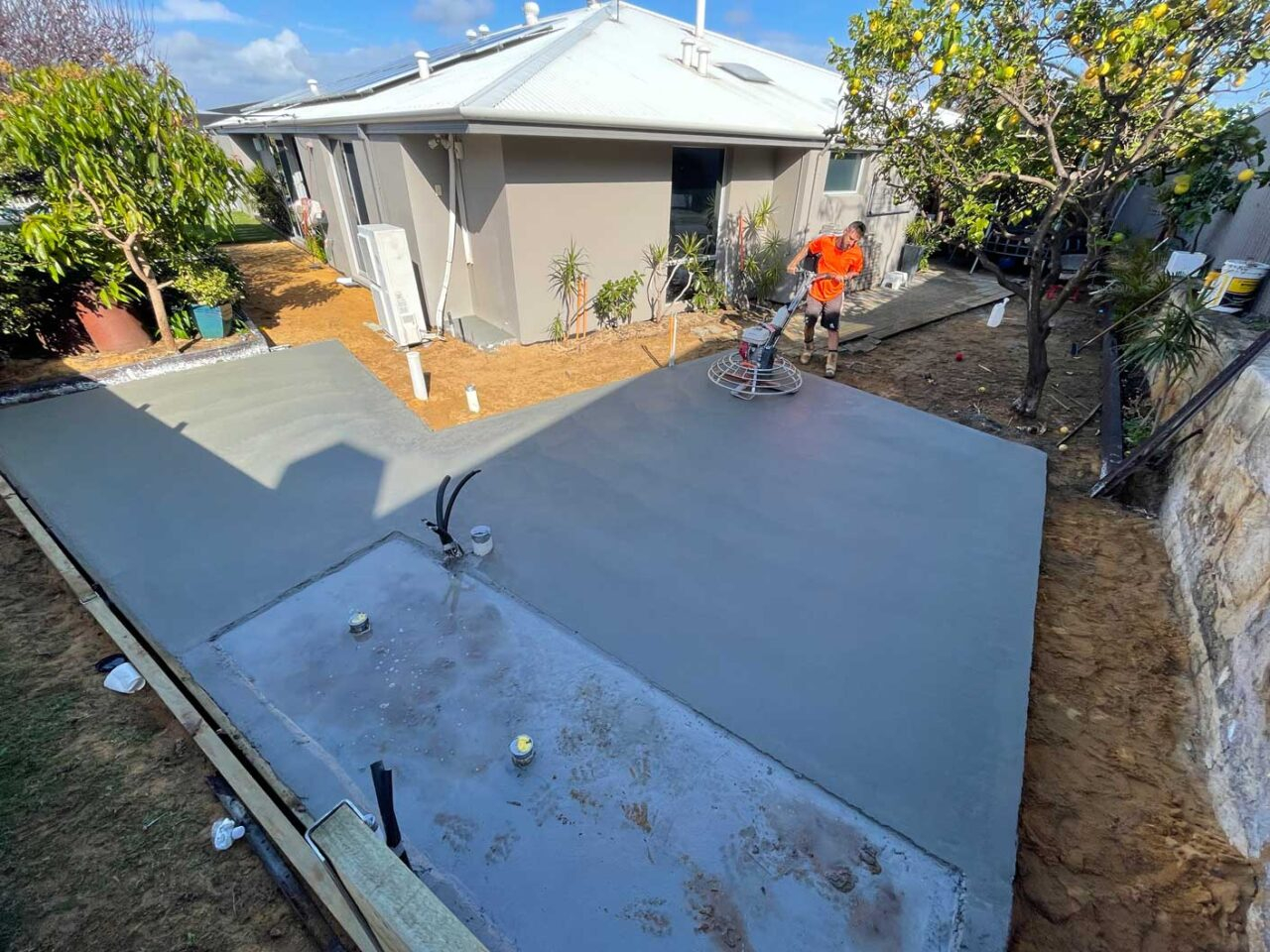
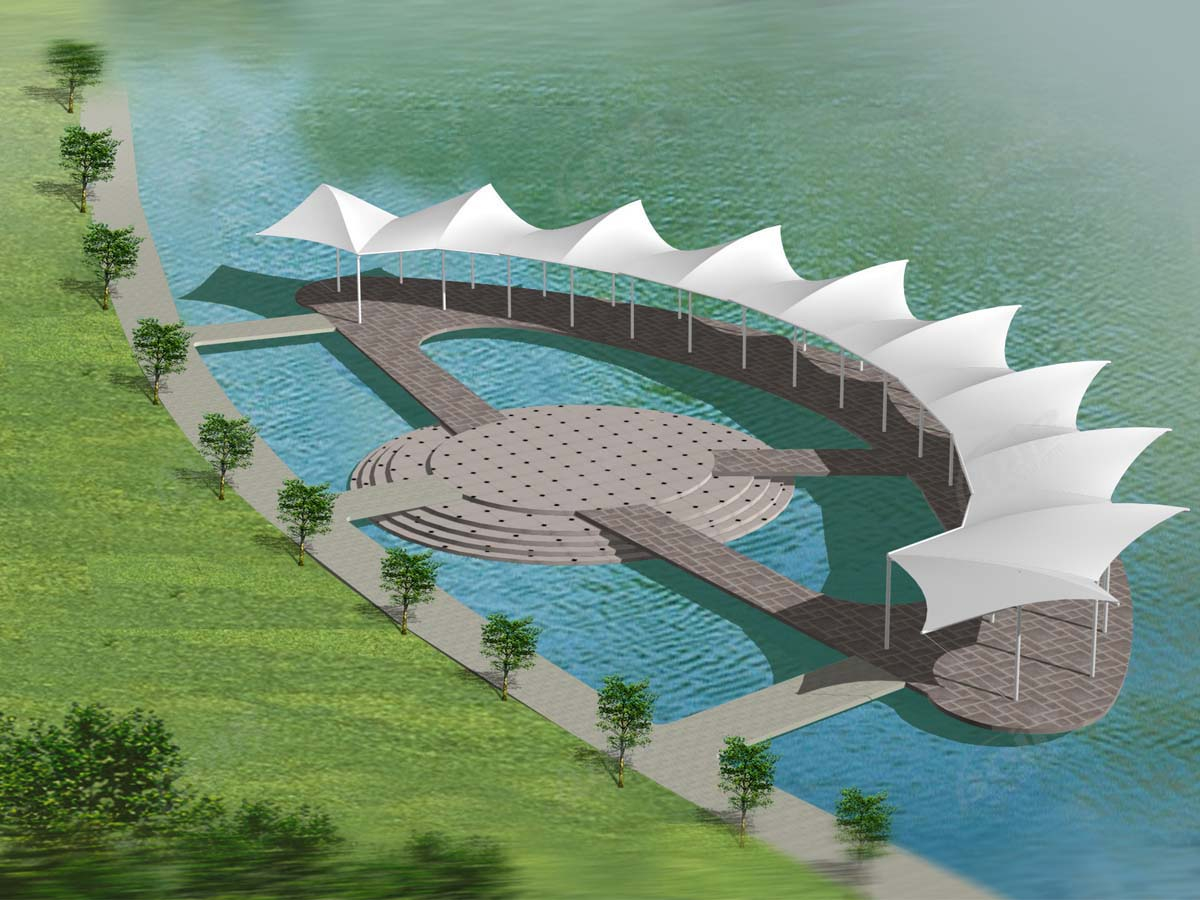
[sps_html tag=”img” src=”https://cdn.theartssection.com/wp-content/uploads/2025/11/customize-tensile-structure-in-coastal-areas-riverfront-park-seaside-with-regard-to-understanding-the-structural-beauty-of-seaside-concrete-infrastructure.jpg” alt=”Customize Tensile Structure In Coastal Areas, Riverfront Park, Seaside … with regard to Understanding the Structural Beauty of Seaside Concrete Infrastructure” style=”width: 100%; height: auto;”]
[sps_html tag=”img” src=”https://cdn.theartssection.com/wp-content/uploads/2025/11/about-seaside-concrete-pertaining-to-long-concrete-pier-into-sea-canvas-print-4-panels.jpg” alt=”About | Seaside Concrete pertaining to "Long Concrete Pier Into Sea" Canvas Print, 4 Panels” style=”width: 100%; height: auto;”]
[sps_html tag=”img” src=”https://cdn.theartssection.com/wp-content/uploads/2025/11/britains-best-seaside-architecture-the-playful-details-that-shaped-throughout-long-concrete-pier-into-sea-canvas-print-4-panels.jpg” alt=”Britain's Best Seaside Architecture: The Playful Details That Shaped … throughout "Long Concrete Pier Into Sea" Canvas Print, 4 Panels” style=”width: 100%; height: auto;”]
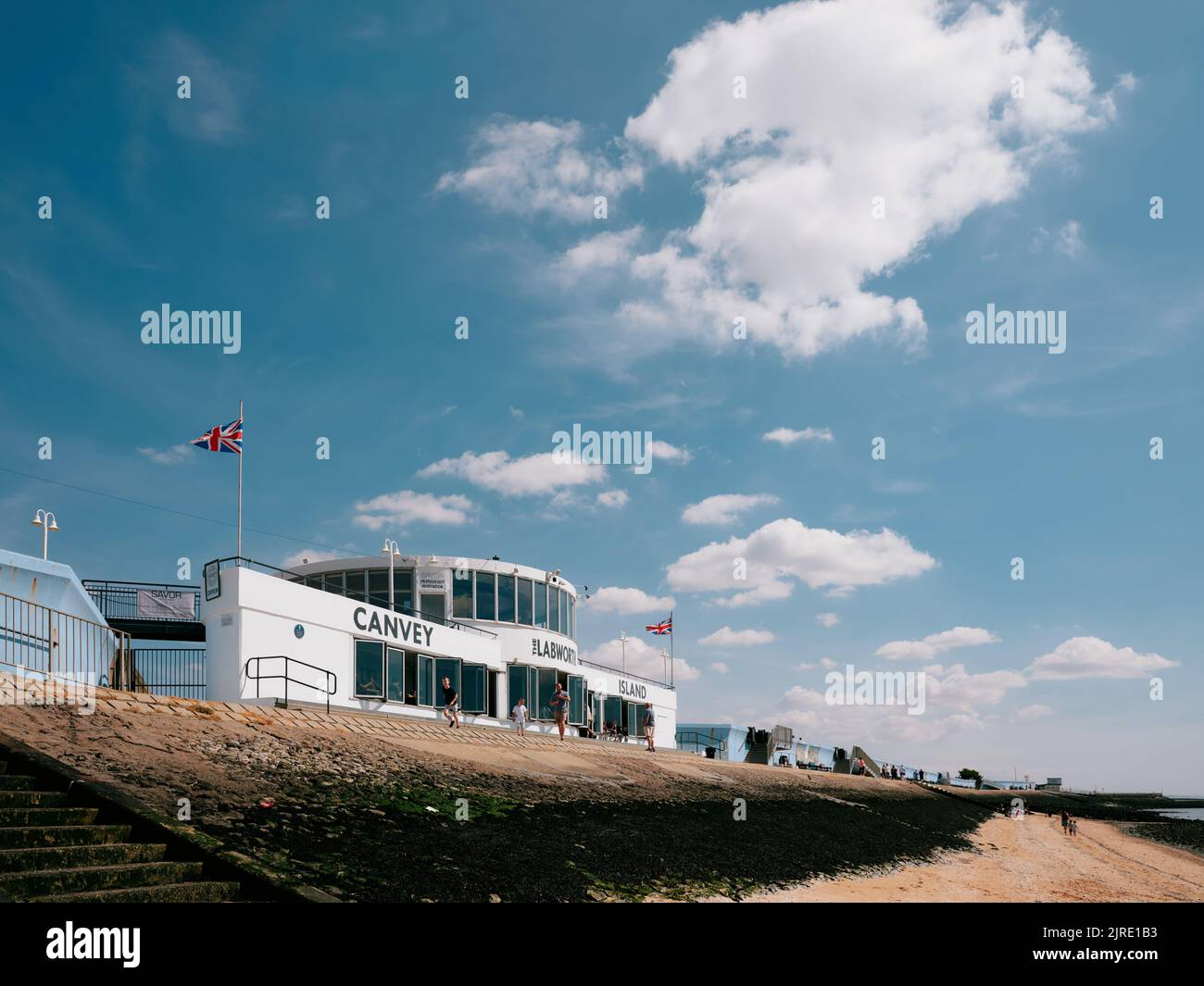
[sps_html tag=”img” src=”https://cdn.theartssection.com/wp-content/uploads/2025/11/the-modernist-concrete-seaside-architecture-of-the-labworth-cafe-ion-pertaining-to-long-concrete-pier-into-sea-canvas-print-4-panels.jpg” alt=”The Modernist Concrete Seaside Architecture Of The Labworth Cafe Ion … pertaining to "Long Concrete Pier Into Sea" Canvas Print, 4 Panels” style=”width: 100%; height: auto;”]
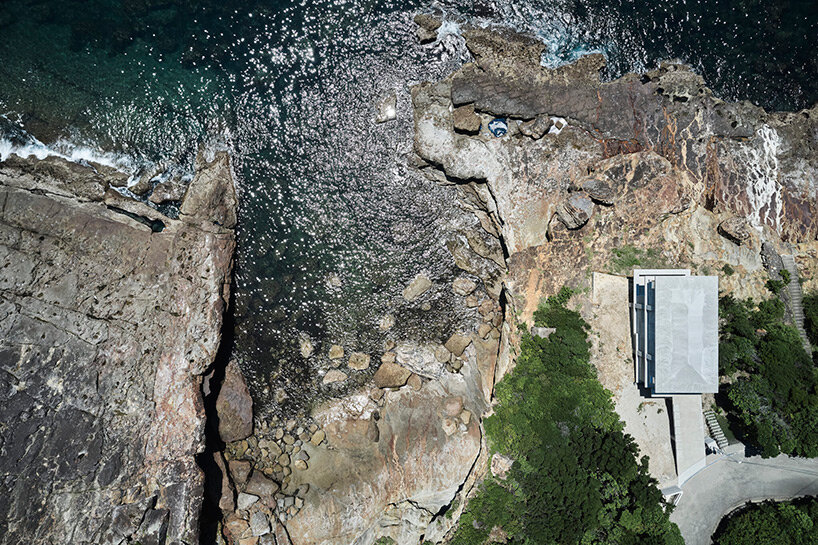
[sps_html tag=”img” src=”https://cdn.theartssection.com/wp-content/uploads/2025/11/ninkipen-perches-concrete-seaside-house-on-rugged-japanese-landscape-intended-for-long-concrete-pier-into-sea-canvas-print-4-panels.jpg” alt=”Ninkipen! Perches Concrete Seaside House On Rugged Japanese Landscape intended for "Long Concrete Pier Into Sea" Canvas Print, 4 Panels” style=”width: 100%; height: auto;”]