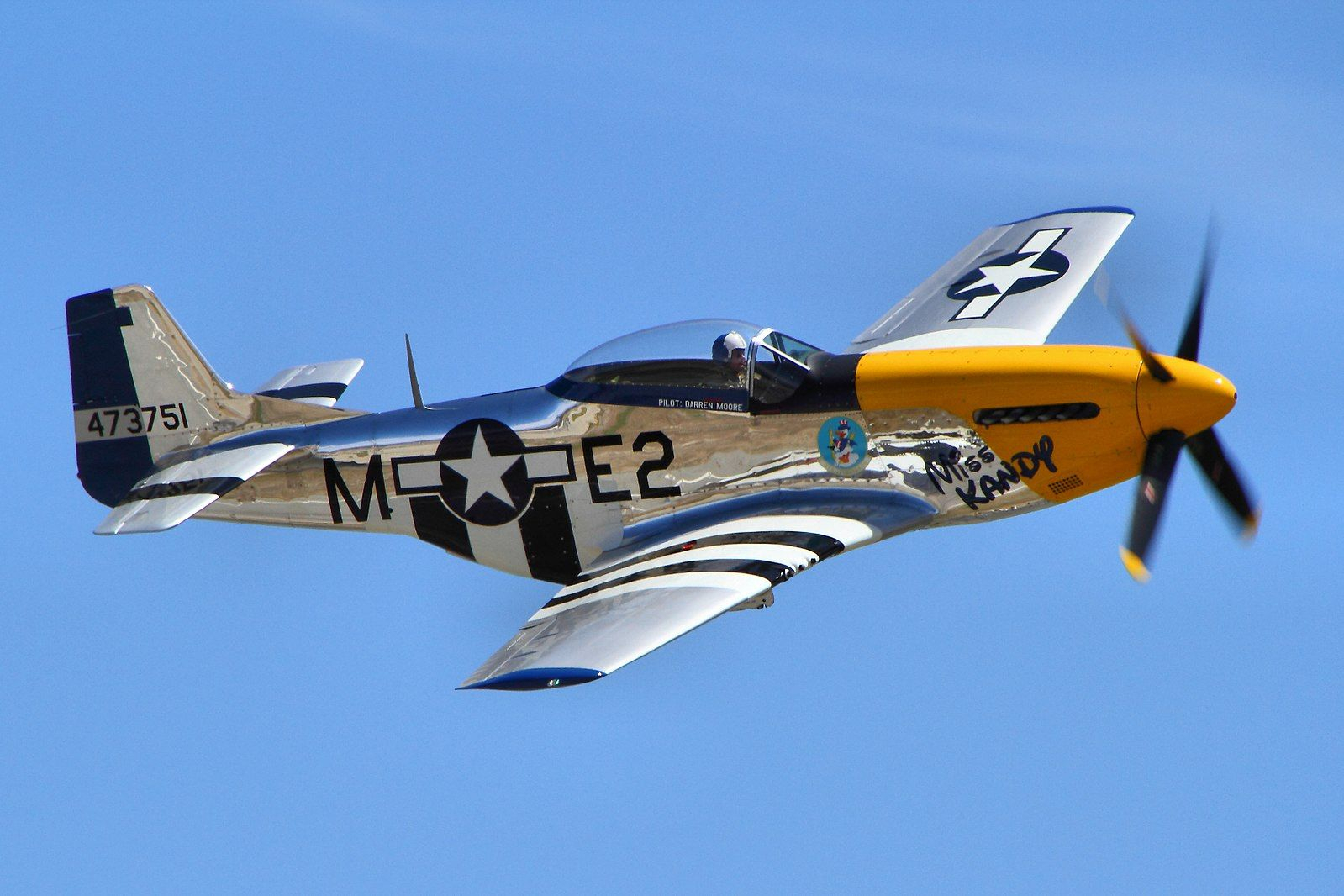
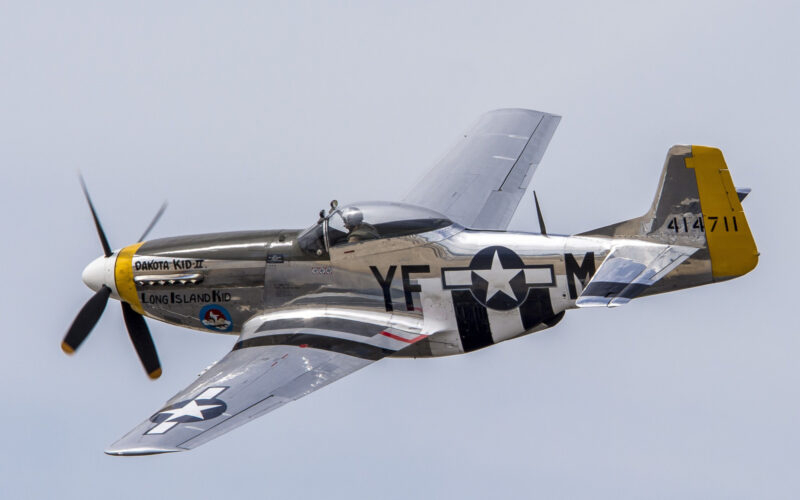
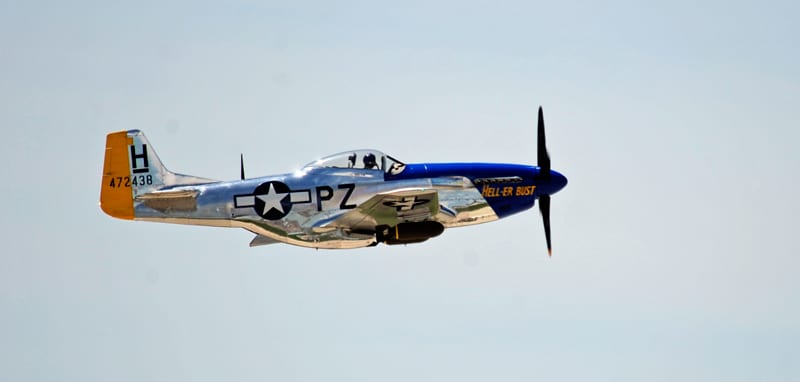
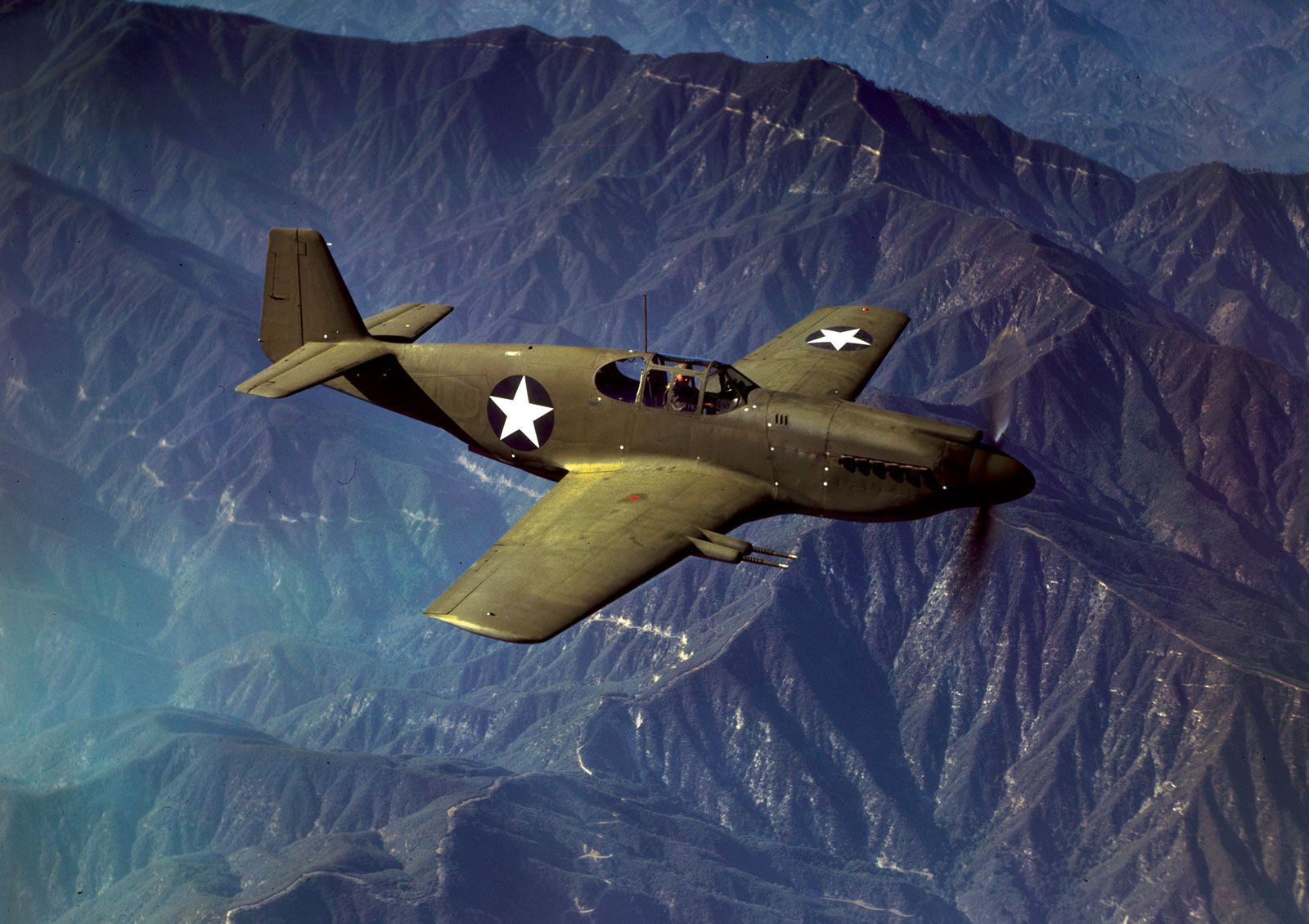
In the vast skies over Europe, where the roar of engines mixed with the crack of anti-aircraft fire, a new kind of aerial warfare was born. The P-51 Mustang wasn’t just another fighter plane—it was the catalyst that changed how entire squadrons fought together. These sleek, powerful aircraft didn’t just fly alone; they became the foundation of coordinated air campaigns that shaped the outcome of major battles. What made them so effective when working in groups? How did pilots and commanders master the art of multi-squadron tactics? The story of the Mustang’s operational excellence reveals secrets that still influence military aviation today.
When we think about the most successful fighter aircraft of World War II, the P-51 Mustang often tops the list. But what makes this aircraft truly legendary isn’t just its individual performance—it’s how it transformed group combat. The Mustang didn’t simply fly solo missions; it revolutionized how entire squadrons operated together. Picture this: four squadrons of Mustangs diving from different angles, their engines roaring like thunder, creating a symphony of destruction that left enemy fighters scattered and confused. This wasn’t random chaos—it was precision warfare born from careful planning, rigorous training, and deep understanding of aerodynamics, tactics, and teamwork. Understanding how these aircraft worked together provides insight into one of history’s most effective military innovations. The principles developed during those crucial months of 1944 and 1945 continue to inform modern air combat strategies. What made the Mustang’s multi-squadron approach so revolutionary? Let’s explore the tactical foundations that made these aircraft unstoppable.
Formation Flying: The Foundation of Mustang Success
Before diving into complex battle tactics, we must first understand the basics of formation flying. The P-51 Mustang’s design made it incredibly responsive to pilot commands, which meant squadrons could execute precise maneuvers that would have been impossible with earlier aircraft. Each Mustang was essentially a small aircraft with massive potential for coordination. The key was maintaining tight formation while maximizing speed and maneuverability. Think of it like a choir where each singer knows exactly when to enter and exit, yet all work together to create harmony. Pilots trained extensively for formation flying because it wasn’t just about staying close—they had to anticipate each other’s movements and react instantly to changing conditions. During daylight raids, squadrons would form diamond shapes or V formations that allowed maximum visibility and firepower. The beauty of this approach was that no single Mustang bore the full burden of combat. When one aircraft engaged the enemy, others provided covering fire from multiple directions. This concept transformed how pilots approached missions, shifting from individual heroics to collective strength. The formation flying techniques developed specifically for Mustangs became the gold standard for multi-aircraft operations.
Air Superiority Through Coordination
The real magic happened when Mustang squadrons moved beyond simple formation flying into true operational coordination. Imagine a large-scale air battle where four squadrons—each with twelve aircraft—work as one cohesive unit. This wasn’t some theoretical exercise; it was the reality of many major operations over Europe. The coordination required was extraordinary. Pilots had to constantly communicate, share intelligence about enemy positions, and adjust their tactics based on changing battlefield conditions. One squadron might spot enemy fighters while another provided cover, and a third prepared for ground attack support. The communication protocols were simple but effective—radio calls, wing signals, and visual cues that could be understood even under extreme stress. During the Battle of the Bulge, these coordinated efforts proved decisive. The ability to shift from defensive to offensive roles within seconds meant that enemy forces were constantly caught off-guard. The key was never to fight one enemy at a time, but rather to overwhelm them with concentrated force. This approach required extensive training and trust between pilots, as each person’s actions directly impacted the success of the entire operation. The result was what military strategists called ‘operational excellence’—where every element works seamlessly to achieve maximum effectiveness.
Tactical Flexibility in Combat
What set the Mustang apart from other fighters was its remarkable tactical flexibility. In combat situations, the aircraft could adapt quickly to changing circumstances without losing its effectiveness. When facing a superior number of enemy aircraft, Mustang squadrons would employ hit-and-run tactics, striking fast and disappearing before the enemy could respond. This approach required incredible skill and coordination. The pilots learned to identify weak points in enemy formations and exploit them with surgical precision. Sometimes, they’d split into smaller groups, each pursuing different objectives. Other times, they’d consolidate into larger formations for overwhelming attacks. The beauty of this system was that it allowed commanders to adjust tactics mid-battle based on what they observed. If enemy fighters were concentrating in one area, squadrons could quickly reposition to avoid engagement or launch surprise attacks from unexpected angles. This adaptability was crucial during major operations like Operation Argument, where Mustang squadrons had to maintain constant pressure on German air defenses. The tactical flexibility wasn’t just about the aircraft itself—it was about how the pilots thought and reacted under pressure. It required mental agility, quick decision-making, and the ability to see the bigger picture while managing immediate threats.
Intelligence Sharing and Reconnaissance
Effective multi-squadron operations required more than just flying skills—they demanded seamless intelligence sharing between aircraft. The Mustang’s superior range meant that squadrons could patrol extended areas, gathering valuable information about enemy movements and positions. This intelligence was crucial for planning future operations and avoiding ambushes. Pilots would often relay detailed reports about enemy aircraft types, numbers, and flight patterns back to their commanders. Some squadrons established dedicated reconnaissance roles, with specific aircraft assigned to gather information while others provided cover. The information flow was so efficient that commanders could plan missions hours in advance, knowing exactly what they would face. This wasn’t just about reporting enemy positions—it was about understanding their behavior patterns and predicting their next moves. During the final months of the war, this intelligence advantage proved decisive in several major engagements. The ability to know what the enemy was doing before they did was a significant tactical edge. Pilots learned to watch for subtle signs—formation changes, radio traffic patterns, or unusual flight paths—that indicated enemy intentions. This intelligence network created a web of awareness that stretched across entire air theaters, making it nearly impossible for enemy forces to operate effectively without detection.
Training Regimes That Built Excellence
The operational excellence achieved by Mustang squadrons didn’t happen overnight. It took months of intensive training to develop the skills necessary for coordinated multi-aircraft operations. Training exercises involved simulating various combat scenarios, from routine patrols to complex multi-squadron engagements. Pilots practiced formation flying under different weather conditions, learning to maintain coordination even in challenging environments. The training wasn’t just technical—it was psychological as well. Pilots had to learn to trust their fellow aviators completely, knowing that their lives depended on split-second decisions made by others. Some squadrons developed unique training methods, such as practicing emergency procedures together or conducting mock battles with live ammunition. The emphasis was always on teamwork and communication. Regular drills helped build muscle memory for complex maneuvers, ensuring that pilots could perform them instinctively during actual combat. The most successful squadrons had training regimens that emphasized both individual skills and collective capabilities. This dual focus meant that each pilot was excellent in their own right, but also knew exactly how to work with others. The training programs were so thorough that pilots often described feeling like they could read each other’s minds during missions. This level of synchronization was essential for the complex operations that defined Mustang warfare.
Legacy and Modern Applications
The tactical innovations developed during Mustang operations continue to influence military aviation today. Modern fighter squadrons still use many of the same principles that made these WWII operations so successful. The emphasis on communication, coordination, and flexible tactics remains central to contemporary air combat. Today’s advanced radar systems and communication equipment make the coordination process even more sophisticated, but the fundamental concepts remain unchanged. The lessons learned from Mustang multi-squadron operations have been incorporated into military doctrine worldwide. Modern fighter jets may look different, but the underlying principles of team-based air combat are identical to what was pioneered in the 1940s. The success of these tactics has led to further development in unmanned aerial vehicles and drone swarm technology, where multiple units coordinate similar operations. Even civilian aviation benefits from these principles, particularly in emergency response and search-and-rescue operations. The structured approach to multi-aircraft operations has become a model for various industries requiring coordinated teamwork. What started as wartime necessity evolved into a permanent part of military strategy. The legacy of Mustang squadrons demonstrates how effective teamwork can overcome seemingly impossible odds. Their success shows us that when individuals work together toward a common goal, they can achieve extraordinary results. The impact of these tactical innovations extends far beyond the battlefield, influencing how teams approach challenges in countless fields.
The story of P-51 Mustang multi-squadron tactics is ultimately about human ingenuity and cooperation. These aircraft didn’t just fly faster or higher than their competitors—they flew together in ways that created something greater than the sum of their parts. The combination of exceptional aircraft design, rigorous training, and flawless coordination transformed individual pilots into a formidable fighting force. Every aspect of these operations—from formation flying to intelligence sharing—was carefully honed to maximize effectiveness. The operational excellence achieved by Mustang squadrons wasn’t just about winning battles; it was about demonstrating what’s possible when people work together toward a shared objective. Their legacy reminds us that success in complex operations requires more than individual talent—it demands teamwork, communication, and mutual trust. Whether in the skies of World War II or modern military operations, the principles established by these pioneering pilots continue to guide effective team performance. The thunder of Mustang wings echoes through time, not just as a sound of war, but as a testament to what can be accomplished when skilled individuals unite under common purpose. The lessons learned from these remarkable squadrons remain relevant today, proving that some tactical innovations transcend their historical context and become timeless guides for excellence.
[sps_html tag=”img” src=”https://cdn.theartssection.com/wp-content/uploads/2025/11/p-51-mustang-facts-specifications-history-britannica-within-p-51-mustang-multi.jpg” alt=”P-51 Mustang | Facts, Specifications, & History | Britannica within P-51 Mustang - Multi” style=”width: 100%; height: auto;”]
[sps_html tag=”img” src=”https://cdn.theartssection.com/wp-content/uploads/2025/11/north-american-p-51-mustang-fighter-plane-aviation-history-with-p-51-mustang-multi.jpg” alt=”North American P-51 Mustang: Fighter Plane Aviation History with P-51 Mustang - Multi” style=”width: 100%; height: auto;”]
[sps_html tag=”img” src=”https://cdn.theartssection.com/wp-content/uploads/2025/11/p-51-mustangs-switch-to-merlin-engine-made-it-the-world-beater-of-with-regard-to-the-evolution-of-p-51-mustangs-multi-engine-technology.jpg” alt=”P-51 Mustang's Switch To Merlin Engine Made It The World-Beater Of … with regard to The Evolution of P-51 Mustangs Multi Engine Technology” style=”width: 100%; height: auto;”]
[sps_html tag=”img” src=”https://cdn.theartssection.com/wp-content/uploads/2025/11/p-51-mustang-engine-photograph-by-robert-vanderwal-pixels-for-the-evolution-of-p-51-mustangs-multi-engine-technology.jpg” alt=”P-51 Mustang Engine Photograph By Robert Vanderwal - Pixels for The Evolution of P-51 Mustangs Multi Engine Technology” style=”width: 100%; height: auto;”]
[sps_html tag=”img” src=”https://cdn.theartssection.com/wp-content/uploads/2025/11/a-look-at-the-piston-engines-history-with-regard-to-the-evolution-of-p-51-mustangs-multi-engine-technology.jpg” alt=”A Look At The Piston Engine's History with regard to The Evolution of P-51 Mustangs Multi Engine Technology” style=”width: 100%; height: auto;”]