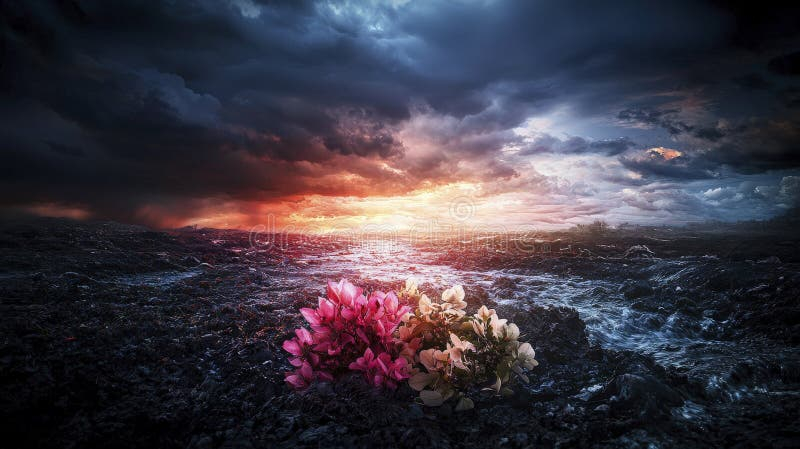
There’s something magical about how a painting can capture the raw emotion of a coastal storm. The way salt spray catches light, how waves crash against rocks, and the subtle shift in color as dusk falls over water. These aren’t just scenes to paint – they’re moods waiting to be translated onto canvas.
Coastal weather has always been a powerful muse for artists. From the gentle whisper of morning mist to the thunderous roar of ocean swells, these atmospheric conditions offer endless inspiration. But creating artwork that truly captures the essence of coastal weather requires more than just technical skill. It demands understanding of how light dances across water, how air carries the scent of brine, and how the interplay between sky and sea creates emotional landscapes. Whether you’re a seasoned painter or someone just beginning their artistic journey, there’s a profound beauty in translating these fleeting moments into lasting visual stories.
The Language of Light and Color
Light is perhaps the most important element when painting coastal weather. The way sunlight hits wet sand, reflects off wave crests, or filters through storm clouds tells the story before any brushstroke is made. Artists often use a palette that mirrors nature’s own choices. Blues and grays dominate during overcast conditions, while warm yellows and oranges appear during sunrise or sunset. But here’s the secret: the most compelling coastal paintings don’t just copy what we see. They interpret what we feel. A stormy sea might use darker tones but still convey movement and energy. Consider how different lighting affects the same scene – the difference between a calm morning and a dramatic afternoon storm can be captured through careful attention to color temperature and contrast. Some painters even add unexpected touches like a flash of red or gold to make certain elements pop.
Capturing Movement Through Texture
Waves aren’t static objects that can be simply drawn or painted. They’re alive with motion, constantly changing shape and texture. The key to capturing this lies in understanding how to translate fluid movement onto a flat surface. Thick impasto techniques work wonderfully for creating the illusion of water’s thickness. Using a palette knife to apply paint gives that sense of power and force. Sometimes, artists will let paint dry partially and then scrape or blend it to show how water moves and flows. The texture of foam breaking against rocks, the way spray hangs in the air, or even the subtle ripples created by wind on calm waters all require different approaches. Think about how you’d want to move your hand if you were actually feeling these textures. This physical connection helps translate the experience into visual form.
Weather Patterns and Their Visual Stories
Each type of coastal weather brings its own unique vocabulary to painting. Rain creates a different conversation than wind, which differs from fog or sunshine. Raindrops on canvas can be represented through short, quick strokes that suggest their falling motion. Wind might be shown through sweeping brushstrokes that follow the direction of air movement. Fog adds mystery and softness, requiring lighter touch and careful layering techniques. Cloud formations tell stories too – thick, dark cumulonimbus clouds indicate approaching storms, while wispy cirrus suggest fair weather ahead. Understanding these visual cues helps artists communicate the atmosphere of a moment without needing words. Some painters find that using different brush sizes and shapes can help them express various weather phenomena more authentically.
Emotional Resonance in Coastal Scenes
Great art transcends mere representation. It evokes feelings and memories in viewers. Coastal weather paintings do this beautifully because they tap into universal experiences. The feeling of being small in the face of vast ocean forces, the peace found in gentle waves, or the excitement of anticipation during an approaching storm – these emotions become part of the painting itself. Artists often find that their personal connection to certain weather conditions influences their work. Someone who’s experienced many storms may paint with more intensity, while another might focus on the serenity of calm seas. What makes a painting truly resonate is how well it captures not just the visual elements but the emotional journey of the artist and viewer alike. The best coastal paintings leave people feeling like they’ve experienced the weather themselves.
Practical Techniques for Realistic Effects
Getting realistic effects on canvas involves understanding some basic principles. Water reflects light differently than land does, so learning to handle reflections properly is crucial. Use a clean, dry brush to gently blend colors where water meets sky. For distant elements, consider using cooler tones and less detail to create atmospheric perspective. Wet-on-wet techniques can help create that sense of moisture and immediacy. Some artists use masking fluid to preserve highlights on wave crests, then paint around them. Others prefer to paint wet areas first, allowing natural blending to occur. Layering is essential – start with broad shapes, then build up details gradually. Remember that the ocean is never perfectly still, so even calm scenes benefit from subtle movement suggestions. The goal isn’t perfection but rather convincing authenticity.
Tools and Materials That Enhance Coastal Art
Choosing the right materials can significantly impact how well you capture coastal weather. Natural bristle brushes work great for creating the thick, textured looks needed for wave action. Synthetic brushes are better for smoother gradients in skies or distant water. Some artists swear by large flat brushes for covering wide areas quickly, while others prefer round brushes for fine details. Palette knives are invaluable for creating texture and mixing paints directly on the canvas. Acrylics dry fast and allow for easy corrections, while oils give more time for blending and creating smooth transitions. Watercolor can produce ethereal effects for misty scenes, though it requires more skill to control. The key is experimenting with different tools until you find what works best for expressing the specific qualities you want to capture. Don’t be afraid to try unconventional approaches – sometimes the most effective methods come from unexpected discoveries.
Creating art that truly captures coastal weather is both an art and a science. It requires keen observation, technical skill, and deep emotional connection to the subject matter. Whether you’re painting stormy seas or peaceful mornings, remember that the most powerful artwork comes from honest expression of your own experience with these natural phenomena. The ocean doesn’t ask for perfection – it simply asks to be felt. So pick up your brush, step outside, and let the weather speak to you through your chosen medium. The canvas awaits, full of possibilities for translating those ephemeral coastal moments into enduring beauty. Every stroke can carry the memory of salt spray, the sound of crashing waves, and the infinite wonder of weather’s eternal dance.
[sps_html tag=”img” src=”https://cdn.theartssection.com/wp-content/uploads/2025/12/surreal-healing-journey-through-turbulent-seas-coastal-landscape-with-regard-to-exploring-the-emotional-landscape-of-coastal-downpour-b.jpg” alt=”Surreal Healing Journey Through Turbulent Seas Coastal Landscape … with regard to Exploring the Emotional Landscape of Coastal Downpour B” style=”width: 100%; height: auto;”]
[sps_html tag=”img” src=”https://cdn.theartssection.com/wp-content/uploads/2025/12/premium-photo-beautiful-coastal-landscape-inside-ready2hangart-coastal-downpour-b-by-norman-wyatt-jr-canvas-art-16-hx16.jpg” alt=”Premium Photo | Beautiful Coastal Landscape inside Ready2Hangart 'Coastal Downpour B' By Norman Wyatt, Jr Canvas Art, 16" Hx16″ style=”width: 100%; height: auto;”]
[sps_html tag=”img” src=”https://cdn.theartssection.com/wp-content/uploads/2025/12/free-images-landscape-coast-nature-ocean-horizon-cloud-sky-regarding-exploring-the-emotional-landscape-of-coastal-downpour-b-scaled.jpg” alt=”Free Images : Landscape, Coast, Nature, Ocean, Horizon, Cloud, Sky … regarding Exploring the Emotional Landscape of Coastal Downpour B” style=”width: 100%; height: auto;”]
[sps_html tag=”img” src=”https://cdn.theartssection.com/wp-content/uploads/2025/12/nature-landscape-sea-hd-within-exploring-the-emotional-landscape-of-coastal-downpour-b-scaled.jpg” alt=”Nature Landscape Sea Hd within Exploring the Emotional Landscape of Coastal Downpour B” style=”width: 100%; height: auto;”]
[sps_html tag=”img” src=”https://cdn.theartssection.com/wp-content/uploads/2025/12/premium-photo-majestic-coastal-cliffs-beach-landscape-photo-in-ready2hangart-coastal-downpour-b-by-norman-wyatt-jr-canvas-art-16-hx16.jpg” alt=”Premium Photo | Majestic Coastal Cliffs Beach Landscape Photo in Ready2Hangart 'Coastal Downpour B' By Norman Wyatt, Jr Canvas Art, 16" Hx16″ style=”width: 100%; height: auto;”]