Wall plaques have been telling stories and decorating spaces for millennia. What started as simple markings on cave walls has evolved into sophisticated art forms that grace homes, offices, and public spaces worldwide. These flat decorative elements have captured our imagination and continue to shape how we think about interior design and personal expression.
Think about the last time you walked past a beautifully crafted wall plaque. Maybe it was a family portrait, a motivational quote, or an artistic design that caught your eye. These unassuming pieces have quietly become some of the most powerful tools for expressing identity and taste. But their story goes much deeper than just decoration. Wall plaques represent centuries of human creativity, cultural shifts, and artistic evolution. They’ve transformed from utilitarian objects to status symbols, from simple displays to complex works of art. Today’s plaques might look familiar, but they carry the weight of history and tradition. Understanding their journey helps us appreciate not just their beauty, but their significance in human culture.
Ancient Foundations and Early Development
The earliest forms of wall plaques date back thousands of years. Ancient civilizations used stone, clay, and wood to create permanent markers and artistic expressions. Egyptian hieroglyphics on temple walls, Greek pottery designs, and Roman mosaic panels all served similar purposes to modern plaques – they told stories and preserved memories. These early examples were often functional first, then artistic. They recorded important events, honored gods, or celebrated achievements. The materials changed over time, but the fundamental concept remained the same. People wanted to preserve and display meaningful information. In many ways, these primitive plaques were the ancestors of today’s digital screens and social media posts. They served the same basic human need to communicate and document life. Even the shapes and layouts began to follow patterns that we still recognize today. The transition from purely functional to decorative happened gradually, with each civilization adding their own unique style and techniques.
Medieval Craftsmanship and Symbolic Meaning
During the medieval period, wall plaques took on new importance. This era saw the rise of religious art and the development of symbolic imagery. Churches and cathedrals became showcases for elaborate plaques depicting biblical scenes and saints. These weren’t just decorations – they were educational tools for largely illiterate populations. The intricate metalwork and detailed engravings required skilled artisans and expensive materials. Medieval plaques often featured heraldic symbols, family crests, and religious motifs. They represented power, faith, and social status. The craftsmanship improved dramatically during this time, with techniques like gilding and embossing becoming common. These methods allowed for more detailed and visually striking pieces. The influence of different regions began to show clearly in plaque styles. Northern European plaques often featured bold geometric patterns, while Southern European versions favored flowing curves and ornate details. This regional variation helped establish plaque art as a legitimate craft form, separate from mere decoration.
Renaissance Innovation and Artistic Freedom
The Renaissance brought revolutionary changes to plaque art. Artists began experimenting with new materials and techniques, pushing boundaries that had never been explored before. This period introduced oil painting onto metal surfaces and the use of precious metals like gold and silver. The artistic freedom allowed for more personal and creative interpretations. Plaques became canvases for individual expression rather than just functional items. Renaissance artists developed new methods for creating depth and dimension on flat surfaces. Techniques like chiaroscuro and perspective were adapted for plaque work, making them more visually engaging. The period also saw the emergence of specialized plaque makers who focused solely on this art form. These craftsmen developed unique styles that reflected their training and cultural background. The demand for decorative plaques increased as wealthy merchants and nobles sought ways to display their wealth and sophistication. This commercial growth led to standardization of certain styles and techniques, but also encouraged innovation within established frameworks.
Industrial Revolution and Mass Production
The Industrial Revolution fundamentally changed how wall plaques were made and distributed. Mechanization allowed for faster production and more consistent quality. New materials like sheet metal and synthetic paints opened up possibilities that were impossible before. This period marked the beginning of mass-produced plaques that could be affordable for middle-class families. The ability to reproduce designs quickly meant that popular styles could spread rapidly across regions and countries. However, this also led to concerns about quality and authenticity. Some artists worried that mass production would diminish the artistry and uniqueness of traditional plaque making. Despite these fears, the industrial era brought new opportunities for creativity. Machine-made plaques could incorporate complex patterns and designs that were previously impossible to achieve by hand. The combination of old craftsmanship and new technology created hybrid approaches that influenced future developments. Museums and collectors began taking notice of both handmade and machine-made pieces, recognizing the historical significance of this transitional period.
Modern Design Movements and Cultural Shifts
The 20th century brought dramatic changes to plaque art as various design movements emerged. Art Deco, Bauhaus, and Minimalism all influenced how plaques were conceived and executed. These movements emphasized clean lines, geometric shapes, and functional design. The focus shifted from ornate decoration to simplicity and purpose. Post-war prosperity meant more people could afford decorative items, including plaques. This created a boom in the industry and led to new market segments. Modern plaques often featured abstract designs, bold colors, and innovative materials. The influence of advertising and commercial design became apparent in plaque aesthetics. Companies began commissioning custom plaques for branding purposes, blurring the line between art and commerce. This period also saw the rise of photography in plaque design, with images being incorporated into traditional plaque formats. The democratization of design meant that anyone could create and display their own plaque art, leading to a proliferation of personal and community-based projects.
Contemporary Trends and Digital Integration
Today’s wall plaque art reflects our digital age while maintaining its traditional roots. Modern designers combine classic techniques with cutting-edge technology. Laser cutting, 3D printing, and digital printing have revolutionized production methods. These innovations allow for unprecedented detail and customization. Many contemporary plaques feature interactive elements or incorporate LED lighting. The concept of ‘smart’ plaques has emerged, where technology enhances rather than replaces traditional artistry. Sustainability has become an important factor, with eco-friendly materials and processes gaining popularity. Social media has also impacted plaque design, with pieces created specifically for online sharing and documentation. The trend toward personalization continues, with customers requesting custom designs that reflect their individual tastes and experiences. Globalization has led to cross-cultural influences, with traditional techniques from one region being adapted by artists in another. This fusion of old and new creates exciting possibilities for the future of plaque art.
The evolution of wall plaque art tells us something profound about human nature itself. It shows our constant desire to preserve memory, express identity, and beautify our surroundings. From ancient markings to modern digital displays, plaques have always been about communication and connection. Each era added its own flavor to this art form, building upon previous innovations while addressing contemporary needs. Today’s plaques continue this tradition, adapting to new technologies while honoring their rich heritage. Whether you’re hanging a family photo plaque or displaying an abstract design, you’re participating in a centuries-old tradition of visual storytelling. The future of plaque art looks bright, with new materials, techniques, and concepts constantly emerging. As we move forward, these timeless pieces will likely continue evolving, always serving the fundamental human need to decorate our lives and tell our stories. The journey of wall plaque art reminds us that even the simplest objects can carry enormous cultural significance and emotional meaning.
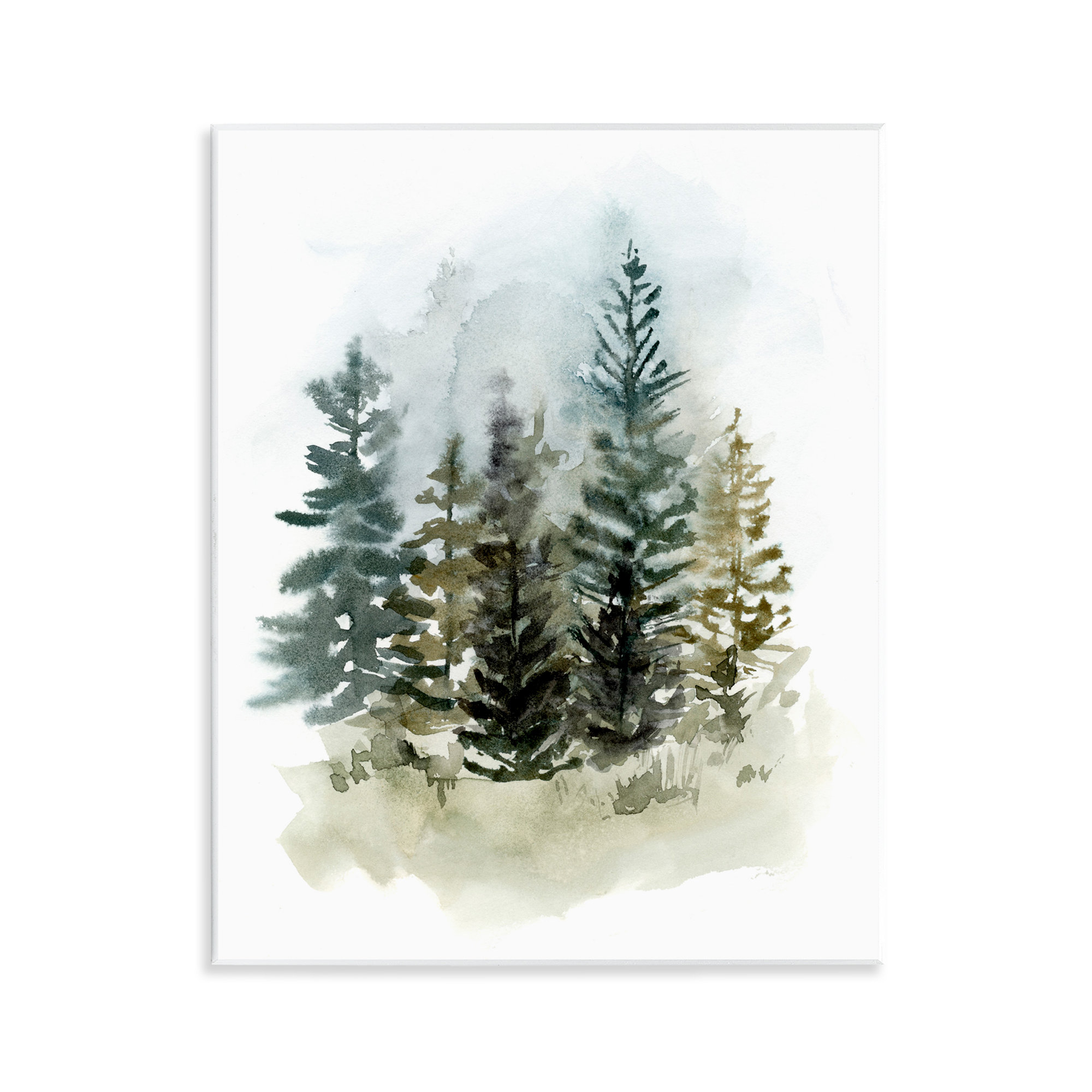
[sps_html tag=”img” src=”https://cdn.theartssection.com/wp-content/uploads/2025/11/bungalow-rose-layered-woodland-trees-wall-plaque-art-by-victoria-barnes-with-exploring-the-meaning-behind-life-is-better-in-pjs-wall-plaque-art.jpg” alt=”Bungalow Rose Layered Woodland Trees Wall Plaque Art By Victoria Barnes … with Exploring the Meaning Behind Life Is Better in PJ's Wall Plaque Art” style=”width: 100%; height: auto;”]
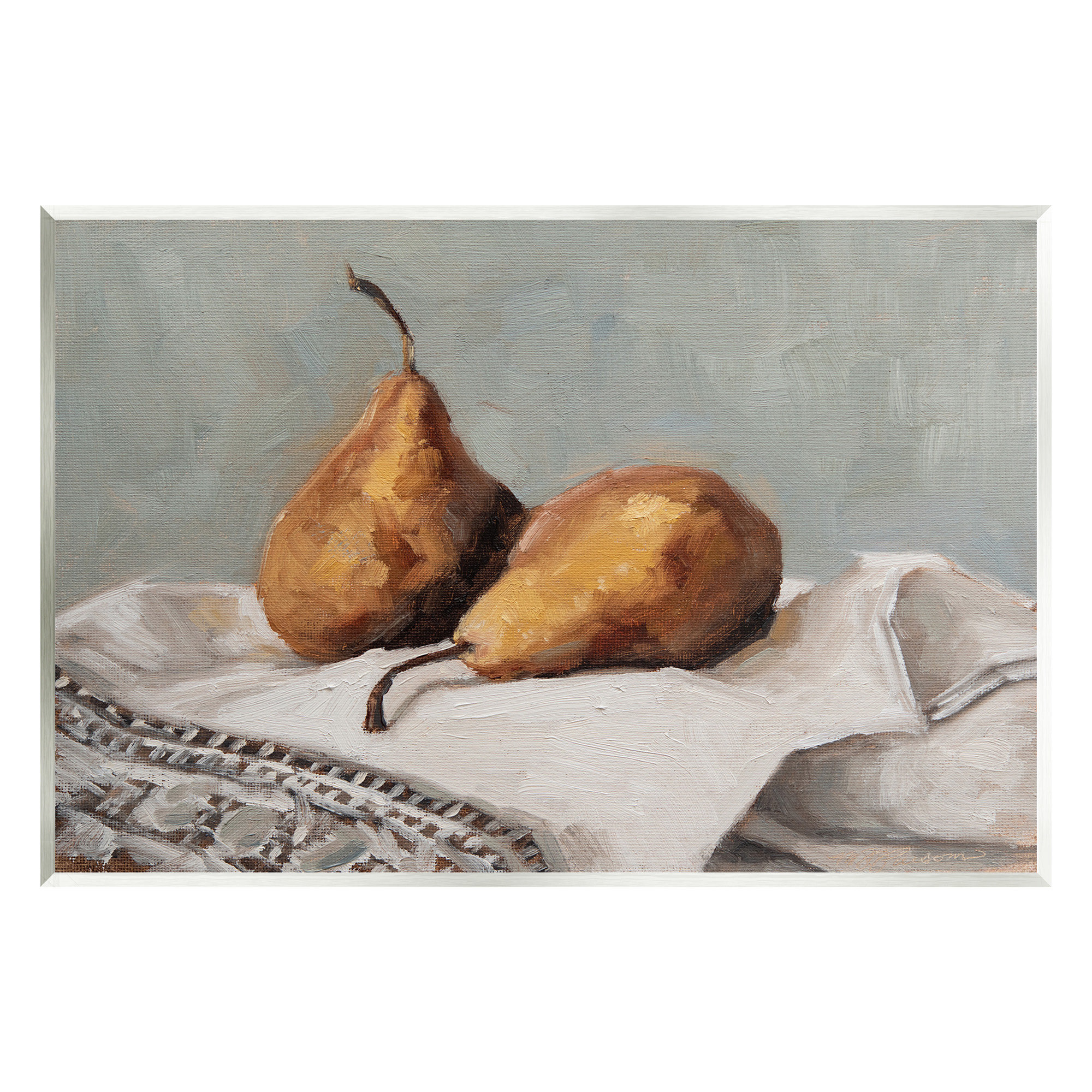
[sps_html tag=”img” src=”https://cdn.theartssection.com/wp-content/uploads/2025/11/stupell-industries-traditional-pears-still-life-wall-plaque-art-by-intended-for-exploring-the-meaning-behind-life-is-better-in-pjs-wall-plaque-art.jpg” alt=”Stupell Industries Traditional Pears Still Life Wall Plaque Art By … intended for Exploring the Meaning Behind Life Is Better in PJ's Wall Plaque Art” style=”width: 100%; height: auto;”]
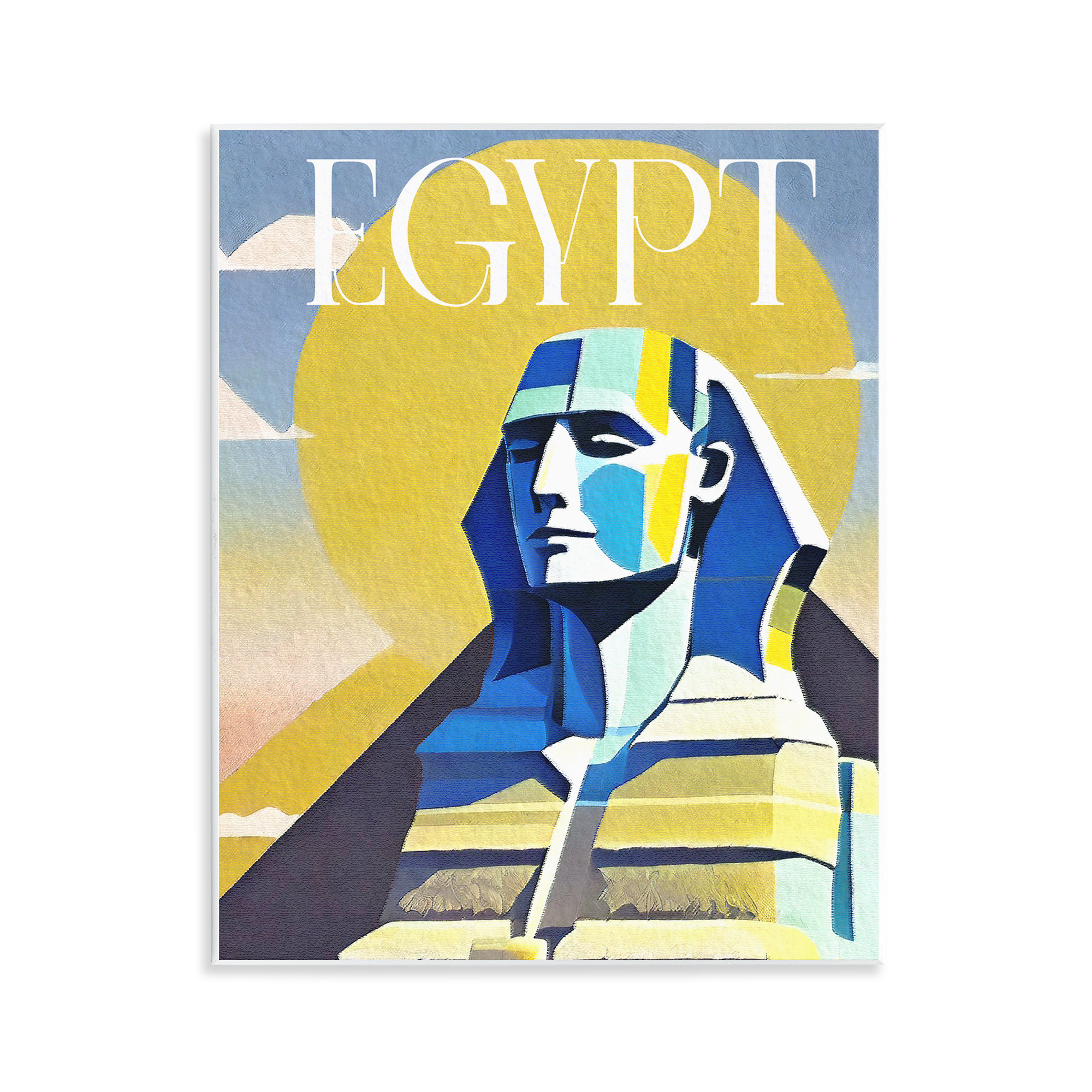
[sps_html tag=”img” src=”https://cdn.theartssection.com/wp-content/uploads/2025/11/george-oliver-egypt-sphinx-landmark-wall-plaque-art-by-daphne-polselli-within-exploring-the-meaning-behind-life-is-better-in-pjs-wall-plaque-art.jpg” alt=”George Oliver Egypt Sphinx Landmark Wall Plaque Art By Daphne Polselli … within Exploring the Meaning Behind Life Is Better in PJ's Wall Plaque Art” style=”width: 100%; height: auto;”]
[sps_html tag=”img” src=”https://cdn.theartssection.com/wp-content/uploads/2025/11/ophelia-co-vintage-sea-turtle-state-wall-plaque-art-by-spirit-pertaining-to-exploring-the-meaning-behind-life-is-better-in-pjs-wall-plaque-art.jpg” alt=”Ophelia & Co. Vintage Sea Turtle State Wall Plaque Art By Spirit … pertaining to Exploring the Meaning Behind Life Is Better in PJ's Wall Plaque Art” style=”width: 100%; height: auto;”]
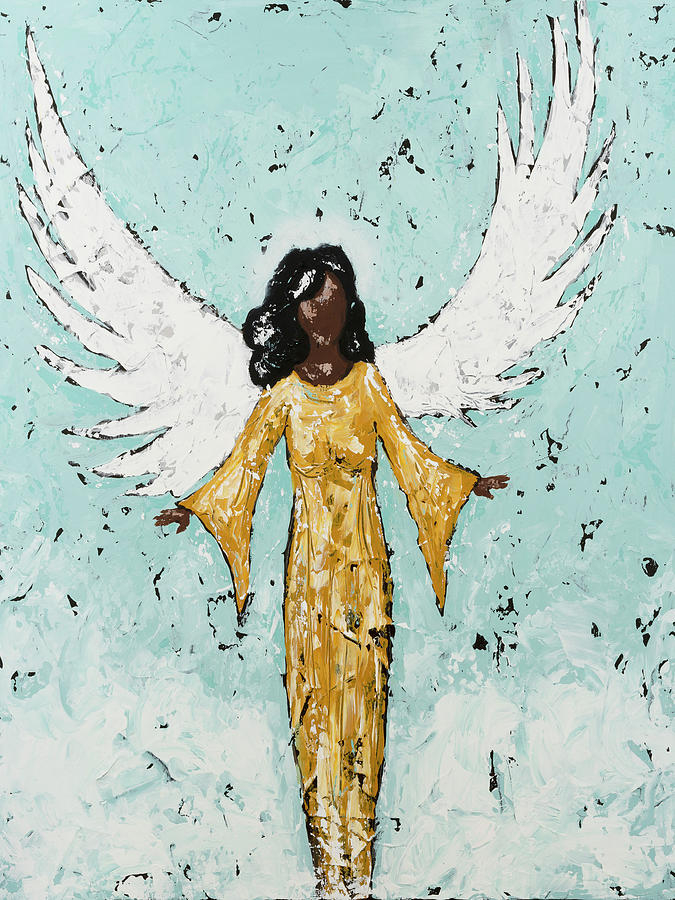
[sps_html tag=”img” src=”https://cdn.theartssection.com/wp-content/uploads/2025/11/exploring-meaning-for-life-is-better-in-pjs-wall-plaque-art.png” alt=”Exploring Meaning for Life Is Better In Pj's Wall Plaque Art” style=”width: 100%; height: auto;”]