In the heart of California’s Central Coast lies a story that’s both ancient and alive. It’s a tale of clay, community, and creative persistence that stretches back generations. The Santa Barbara handmade clay mission legacy isn’t just about pottery or ceramics – it’s about how art became the heartbeat of a city. When you think about it, what started as simple utilitarian objects transformed into something much deeper. These aren’t just pots and pans, they’re vessels of memory, culture, and connection.
Santa Barbara’s relationship with clay runs deeper than most people realize. This coastal city didn’t just happen to develop a thriving handmade clay tradition – it was almost destined to. The combination of indigenous craftsmanship, Spanish colonial influence, and modern artistic innovation created something truly special. What began as functional pottery for daily life evolved into a cultural movement that continues to define the area’s artistic landscape. Every piece tells a story, every pot carries a legacy that spans centuries. Whether you’re a casual observer or someone deeply interested in craft history, understanding this legacy reveals how art becomes part of a community’s DNA.
The Roots of Clay Culture in Santa Barbara
The foundation of Santa Barbara’s clay tradition goes back further than many realize. Before the Spanish arrived, indigenous peoples had already been working with clay for thousands of years. They crafted everything from cooking vessels to ceremonial objects using techniques passed down through generations. When the Spanish established missions in the late 1700s, they brought their own pottery traditions and often incorporated local materials and methods. This blend created something unique – a hybrid approach that honored both old and new ways of working with earth and fire.
The Mission period wasn’t just about creating functional items. It was about building communities through shared labor and knowledge. People learned together, taught each other skills, and developed a collective understanding of what clay could do. The missions became centers of learning where pottery techniques were refined and adapted to local conditions. These early workshops laid the groundwork for what would become one of California’s most important artisan traditions.
Mission Era Pottery: Function Meets Artistry
During the mission era, clay work was never just about making things look pretty. It was about creating objects that served real needs while also expressing cultural values. Mission pottery often featured distinctive shapes and designs that reflected both Spanish influences and local traditions. You might find a simple bowl with geometric patterns or a decorated jar that combined European forms with indigenous motifs. The clay itself often came from nearby sources, giving pieces a distinctly local character.
What’s fascinating is how these pieces weren’t just thrown on wheels and fired. They represented a kind of cultural bridge-building. Each pot told a story about its makers, their techniques, and their environment. The process of creating these works involved entire communities – from gathering clay to preparing glazes to firing kilns. This collaborative approach helped establish clay work as something more than just craft. It became a way of life that connected people to their surroundings and to each other.
The Evolution Through Time
As decades passed, Santa Barbara’s clay tradition continued to evolve. The decline of the mission system didn’t end pottery-making – it actually sparked creativity in new directions. Artisans began experimenting with different clays, glazes, and firing techniques. They drew inspiration from both traditional methods and contemporary art movements. By the 1900s, you could see how the legacy was being reinterpreted for modern times.
The 1960s and 70s particularly marked a turning point. Artists began treating clay as a serious medium for personal expression rather than just functional objects. This shift led to the emergence of studio pottery as a legitimate art form. Local potters started taking classes, attending workshops, and developing their own styles. The community became more diverse, with artists from different backgrounds bringing their own perspectives to the clay. Suddenly, the handmade clay scene wasn’t just about tradition – it was about innovation within tradition.
Modern-Day Santa Barbara Clay Artists
Today’s Santa Barbara clay artists represent the full spectrum of the tradition’s evolution. Some work in traditional styles, honoring the techniques their predecessors used. Others push boundaries, creating contemporary pieces that challenge conventional expectations. What unites them all is a deep respect for the craft and its history. Many of these artists have formal training, but others learned through apprenticeships or self-teaching.
Local studios and galleries play crucial roles in keeping the tradition alive. They provide spaces for experimentation, education, and community building. Workshops teach everything from basic wheel throwing to advanced glazing techniques. These gatherings ensure that knowledge flows from one generation to the next. The result is a vibrant scene where both old and new approaches coexist. You might see a contemporary ceramicist using ancient firing techniques or a traditional potter incorporating modern design principles.
Community Impact and Cultural Significance
The clay tradition in Santa Barbara extends far beyond individual artworks or studios. It creates connections between people, places, and ideas. Local festivals celebrate clay artists and their work, drawing visitors from across the region. Schools incorporate clay projects into their curricula, teaching children about both artistic techniques and historical context. Community centers host classes where seniors share their knowledge with younger participants.
This tradition also supports local economy in unexpected ways. Artisan markets, studio tours, and educational programs generate income while preserving cultural practices. The economic impact is often overlooked because it’s so intertwined with community values rather than purely commercial interests. When someone buys a handcrafted clay piece, they’re not just purchasing an object – they’re investing in a living tradition that connects them to the past and future of the community.
Preserving and Passing Forward the Legacy
Keeping this legacy alive requires intentional effort. Museums and cultural centers document the history of clay work in Santa Barbara. They collect pieces, photographs, and oral histories that tell the complete story. Educational programs ensure that new generations understand both the technical skills and cultural significance of the craft.
Many contemporary artists actively participate in preservation efforts. They mentor young people, teach workshops, and maintain traditional techniques. Some even recreate historical pieces to demonstrate how methods have changed over time. This kind of work helps bridge gaps between past and present, showing how the tradition adapts while maintaining its essential character. The commitment to preservation means that future generations won’t lose touch with this important part of their heritage.
The Santa Barbara handmade clay mission legacy represents something much bigger than just pottery or ceramics. It’s a living testament to how communities shape and are shaped by their artistic traditions. From the earliest indigenous techniques to today’s innovative studio work, this journey shows us that creativity doesn’t exist in isolation. It grows through collaboration, adaptation, and respect for those who came before. Every hand-built pot, every carefully applied glaze, every kiln-fired masterpiece carries forward centuries of knowledge and intention. The best part? This legacy continues to evolve, proving that the most meaningful traditions aren’t static – they breathe, change, and remain vital through each new generation of makers. As we look toward the future, one thing remains certain: the spirit of Santa Barbara’s clay tradition will continue inspiring artists and communities for years to come.
[sps_html tag=”img” src=”https://cdn.theartssection.com/wp-content/uploads/2025/11/santa-barbara-ceramic-design-vase-sbcd-california-1980-etsy-intended-for-santa-barbara-handmade-clay-mission-scaled.jpg” alt=”Santa Barbara Ceramic Design Vase Sbcd California 1980 - Etsy intended for Santa Barbara Handmade Clay Mission” style=”width: 100%; height: auto;”]
[sps_html tag=”img” src=”https://cdn.theartssection.com/wp-content/uploads/2025/11/santa-barbara-ceramic-design-kitchen-vintage-santa-barbara-ceramic-with-regard-to-discovering-the-heart-of-santa-barbaras-ceramic-heritage.jpg” alt=”Santa Barbara Ceramic Design | Kitchen | Vintage Santa Barbara Ceramic … with regard to Discovering the Heart of Santa Barbara's Ceramic Heritage” style=”width: 100%; height: auto;”]
[sps_html tag=”img” src=”https://cdn.theartssection.com/wp-content/uploads/2025/11/santa-barbara-ceramic-design-1984-pottery-hand-painted-floral-blue-vase-with-santa-barbara-handmade-clay-mission.jpg” alt=”Santa Barbara Ceramic Design 1984 Pottery Hand Painted Floral Blue Vase … with Santa Barbara Handmade Clay Mission” style=”width: 100%; height: auto;”]
[sps_html tag=”img” src=”https://cdn.theartssection.com/wp-content/uploads/2025/11/vintage-1985-santa-barbara-ceramic-design-hand-painted-vase-shannon-regarding-discovering-the-heart-of-santa-barbaras-ceramic-heritage.jpg” alt=”Vintage 1985 Santa Barbara Ceramic Design Hand-Painted Vase – Shannon … regarding Discovering the Heart of Santa Barbara's Ceramic Heritage” style=”width: 100%; height: auto;”]
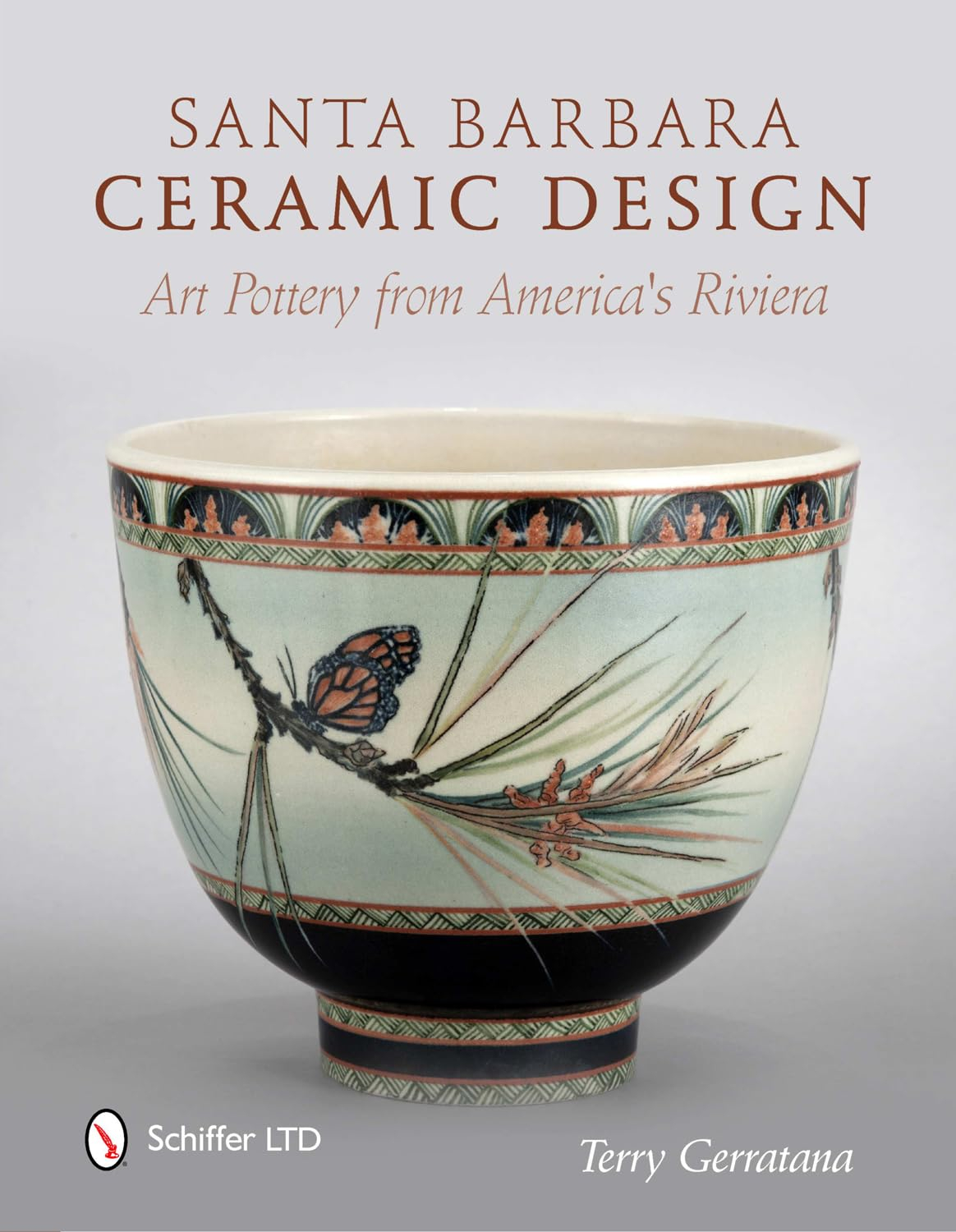
[sps_html tag=”img” src=”https://cdn.theartssection.com/wp-content/uploads/2025/11/santa-barbara-ceramic-design-art-pottery-from-americas-riviera-regarding-santa-barbara-handmade-clay-mission.jpg” alt=”Santa Barbara Ceramic Design: Art Pottery From America's Riviera … regarding Santa Barbara Handmade Clay Mission” style=”width: 100%; height: auto;”]