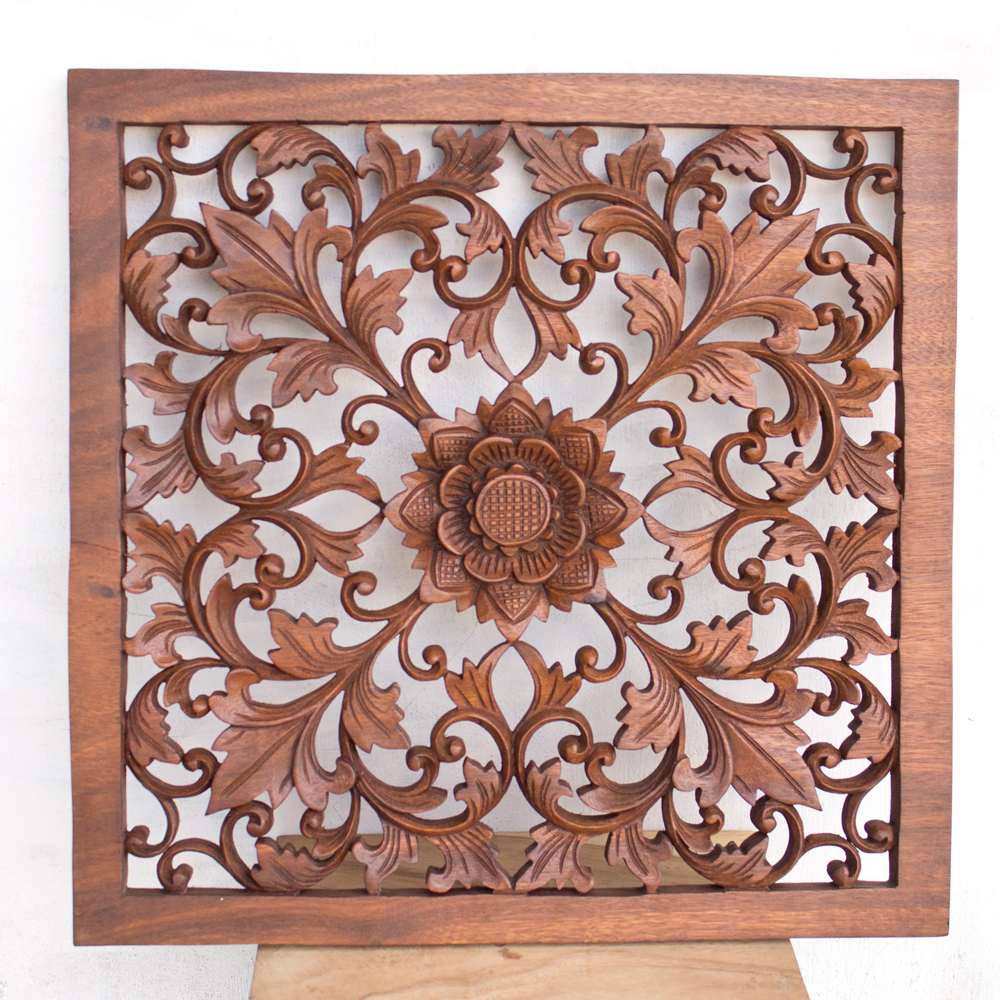
In the ever-evolving world of architecture, where innovation meets tradition, one material stands out for its remarkable versatility and striking visual impact. Cast root wall tiles have emerged as a game-changing element in contemporary building design, offering architects and designers a unique way to blend functionality with artistic expression. These tiles aren’t just another building component – they’re becoming the signature feature that defines spaces.
Picture stepping into a space where every wall tells a story. The texture, the depth, the subtle irregularities – all coming together to create something truly special. This is what cast root wall tiles bring to modern architecture. They’re not just decorative elements; they’re architectural statements that speak to our sense of place and belonging. When you look at these tiles, you’re not just seeing a surface – you’re experiencing a fusion of nature’s organic patterns and human craftsmanship. The beauty lies in their imperfections, their authenticity, and their ability to transform ordinary walls into extraordinary focal points.
What Makes Cast Root Wall Tiles Unique
Cast root wall tiles are more than just another type of tile. They’re created using a specialized casting process that captures the essence of natural root formations. The manufacturing technique involves pouring liquid materials into molds that mimic the organic shapes found in nature. This results in tiles that possess a distinctive character – each piece varies slightly from the others, creating a natural look that’s impossible to replicate with mass-produced alternatives.
The uniqueness comes from several factors:
• Natural variation in shape and size
• Organic textures that mirror root systems
• Subtle color gradients that appear almost alive
• The tactile quality that invites touch and exploration
Unlike traditional ceramic or porcelain tiles that are uniform and predictable, cast root tiles offer an element of surprise. Every installation becomes a unique experience because no two tiles are exactly alike. This unpredictability makes them particularly appealing to designers who want to avoid the sterile feel often associated with conventional building materials.
Design Flexibility and Aesthetic Appeal
One of the most exciting aspects of cast root wall tiles is their incredible design flexibility. Architects and interior designers can use them in countless ways, from subtle accents to complete installations. The tiles work beautifully in both residential and commercial settings, adapting seamlessly to different styles and requirements.
Consider how these tiles can be used:
• As feature walls in living rooms or dining areas
• In bathrooms for a spa-like atmosphere
• As accent pieces in office spaces or retail environments
• For outdoor applications in patios and courtyards
The aesthetic appeal extends beyond just appearance. The three-dimensional qualities of these tiles create depth and dimension that makes spaces feel more dynamic. When light hits the textured surfaces, shadows play across the wall in interesting ways, adding visual interest throughout the day. The natural look also helps integrate these tiles with existing natural elements in a space, such as wood furniture or stone accents.
Many designers find that these tiles become conversation starters. People naturally gravitate toward walls that have character and personality, and cast root tiles certainly deliver on that promise.
Installation Considerations and Practical Benefits
While the visual appeal of cast root wall tiles is undeniable, their practical advantages shouldn’t be overlooked. Installation requires some special considerations, but the end result is worth the effort. The tiles are typically heavier than standard tiles, which means proper support structures are essential.
Key practical considerations include:
• Structural support requirements for larger installations
• Specialized cutting techniques due to the material composition
• Sealing and finishing processes to protect against moisture
• Professional installation recommendations for best results
Despite these considerations, the benefits are significant. These tiles offer excellent durability, especially when properly installed and maintained. They resist scratches and wear better than many alternative materials, making them ideal for high-traffic areas. The natural materials used in their construction also mean they’re less likely to emit harmful chemicals compared to synthetic alternatives.
From a maintenance perspective, cast root tiles require regular cleaning but are generally easy to care for. The textured surfaces don’t hide dirt as much as smooth surfaces do, which actually makes them easier to spot and clean. Many users report that these tiles age gracefully, developing a beautiful patina over time that enhances rather than diminishes their appeal.
Applications Across Different Architectural Styles
The versatility of cast root wall tiles shines brightest when you consider how they adapt to various architectural approaches. Whether you’re working with minimalist designs or ornate historical recreations, these tiles can complement and enhance any style.
In modern minimalist spaces, the organic nature of these tiles creates a welcome contrast to clean lines and simple forms. The irregular shapes and natural textures add warmth and character without overwhelming the space. Think of a stark white kitchen with cast root tiles as an accent wall – the result is sophisticated yet inviting.
For traditional or rustic designs, cast root tiles fit right in. Their earthy tones and natural patterns align perfectly with farmhouse, cottage, or Mediterranean aesthetics. The tiles can be used to create the illusion of stone walls or to add organic elements to otherwise formal spaces.
Contemporary industrial designs also benefit from these tiles. The raw, unfinished quality of cast root tiles complements exposed brick, metal fixtures, and concrete elements. They provide a softer, more approachable element within hard-edged environments.
Commercial applications are equally diverse. Hotels might use them in lobbies to create welcoming atmospheres, while restaurants could incorporate them to add warmth to dining areas. Retail spaces benefit from the visual interest these tiles provide, helping products stand out against the textured backdrop.
Cost Analysis and Value Proposition
When considering any new building material, cost is always a factor. Cast root wall tiles fall somewhere in the mid-to-upper range of pricing compared to conventional options. However, their value proposition extends far beyond the initial investment.
The cost factors include:
• Material costs that reflect the specialized manufacturing process
• Labor costs due to the complexity of installation
• Customization options that may increase overall expenses
• Long-term durability that reduces replacement needs
But here’s where the value becomes apparent. These tiles often last decades with proper maintenance, making them a sound financial decision. Unlike some trendy materials that quickly go out of style, cast root tiles have a timeless quality that ensures they won’t look dated in five or ten years.
Additionally, their ability to transform spaces means you might not need additional decorative elements. A single installation can completely change the feel and character of a room, potentially saving money on other design elements. Many architects report that clients are willing to pay premium prices for spaces featuring these tiles because of their unique appeal and the emotional connection they create.
Future Trends and Innovation in Cast Root Tile Technology
The world of cast root wall tiles is constantly evolving, with manufacturers and designers pushing boundaries to create even more impressive products. New innovations are emerging regularly, making these tiles more versatile and accessible.
Current trends include:
• Improved manufacturing techniques that reduce costs
• Expanded color palettes and finishes
• Enhanced water resistance for broader application
• Integration with smart building technologies
• Development of lighter-weight versions for easier installation
Looking forward, we’re seeing research into sustainable production methods and recycled materials. Some manufacturers are experimenting with bio-based resins and natural fibers to create tiles that are even more environmentally friendly. There’s also growing interest in incorporating digital design elements that allow for more precise control over the final appearance while maintaining the organic feel.
The future looks bright for these tiles. As more architects and designers recognize their potential, we’ll likely see them appearing in increasingly creative applications. From residential homes to large commercial buildings, cast root wall tiles are proving they belong in the modern architectural landscape.
Cast root wall tiles represent more than just a building material – they’re a statement about how we want our spaces to feel and function. Their unique combination of natural beauty, practical benefits, and design flexibility makes them invaluable in today’s architecture. Whether you’re planning a complete renovation or designing a new space from scratch, these tiles offer something special that can’t be replicated with conventional alternatives.
The key is understanding that they’re not just another option – they’re an opportunity to create spaces that connect with people on a deeper level. They invite interaction, spark conversations, and add personality to any environment. As we continue to seek ways to make our built environment more human-centered, materials like cast root wall tiles will undoubtedly play an important role in shaping the spaces where we live, work, and gather.
The versatility of these tiles means that their applications will continue to expand. What started as a niche product is now becoming mainstream, and that’s a testament to their genuine value. For anyone involved in architecture, design, or construction, understanding the potential of cast root wall tiles is essential for staying current with modern trends while creating spaces that truly matter to the people who inhabit them.
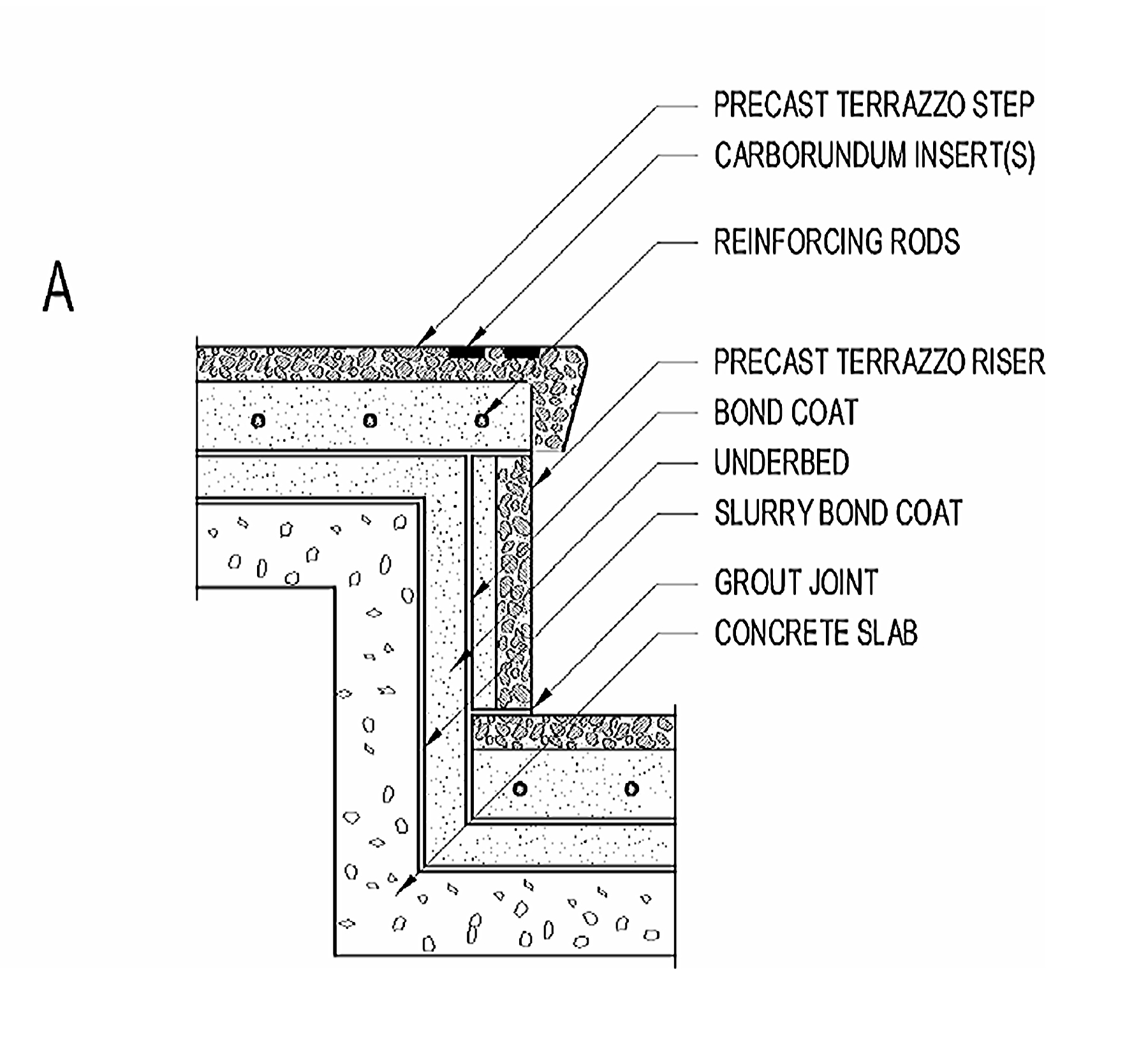
[sps_html tag=”img” src=”https://cdn.theartssection.com/wp-content/uploads/2025/11/cast-stone-cill-installation-guide-click-cast-stone-with-cast-root-wall-tile.png” alt=”Cast Stone Cill Installation Guide | Click Cast Stone with Cast Root Wall Tile” style=”width: 100%; height: auto;”]
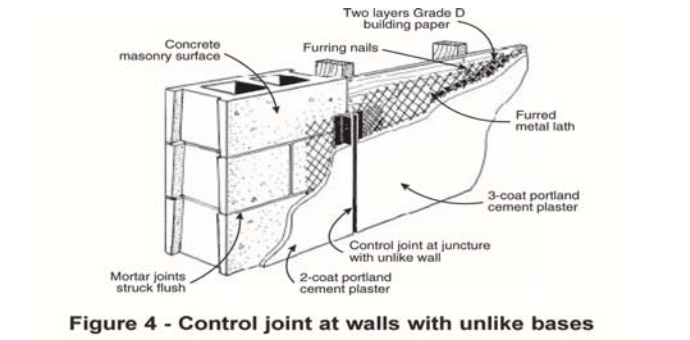
[sps_html tag=”img” src=”https://cdn.theartssection.com/wp-content/uploads/2025/11/stucco-installation-on-block-wall-call-stucco-repair-pros-within-cast-root-wall-tile.png” alt=”Stucco Installation On Block Wall | Call Stucco Repair Pros within Cast Root Wall Tile” style=”width: 100%; height: auto;”]
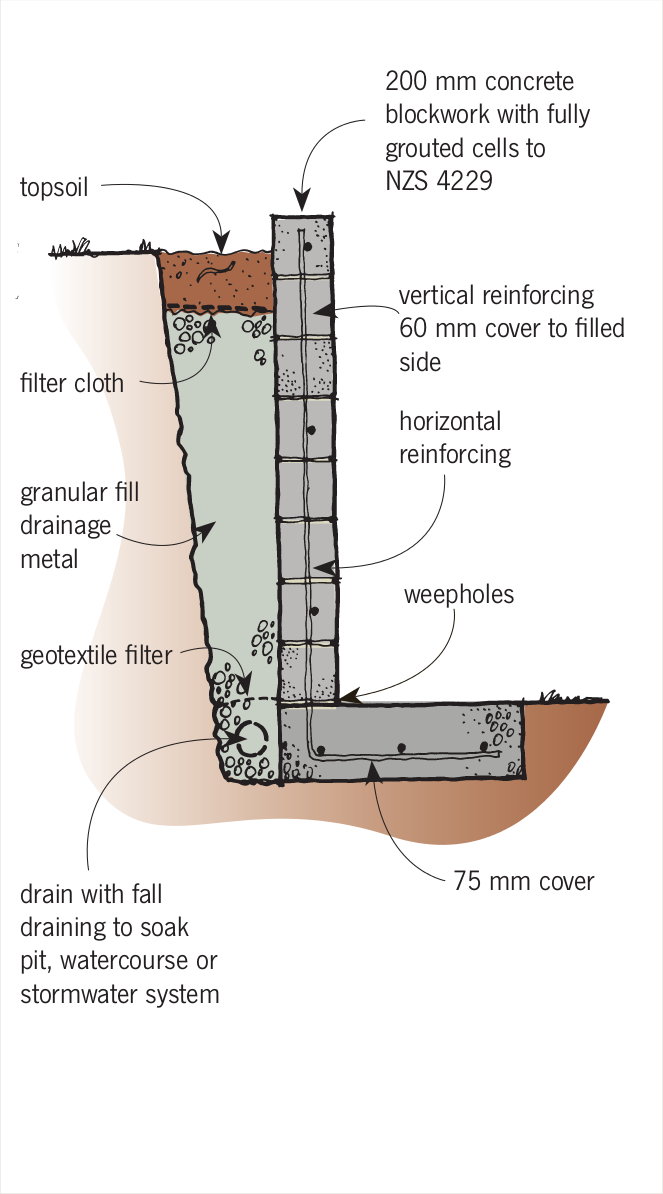
[sps_html tag=”img” src=”https://cdn.theartssection.com/wp-content/uploads/2025/11/timber-retaining-wall-design-calculations-design-talk-in-cast-root-wall-tile.png” alt=”Timber Retaining Wall Design Calculations - Design Talk in Cast Root Wall Tile” style=”width: 100%; height: auto;”]
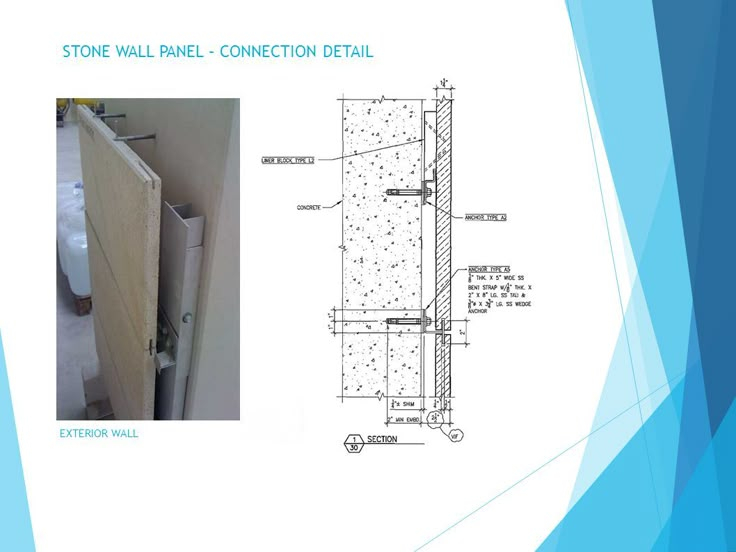
[sps_html tag=”img” src=”https://cdn.theartssection.com/wp-content/uploads/2025/11/stone-wall-panel-connection-detail-intended-for-understanding-the-basics-of-cast-root-wall-tile-installation.jpg” alt=”Stone Wall Panel Connection Detail intended for Understanding the Basics of Cast Root Wall Tile Installation” style=”width: 100%; height: auto;”]
[sps_html tag=”img” src=”https://cdn.theartssection.com/wp-content/uploads/2025/11/tile-section-drawing-at-jean-shinn-blog-pertaining-to-understanding-the-basics-of-cast-root-wall-tile-installation.jpg” alt=”Tile Section Drawing At Jean Shinn Blog pertaining to Understanding the Basics of Cast Root Wall Tile Installation” style=”width: 100%; height: auto;”]