In the volcanic islands of Ecuador, where ancient creatures glide through crystal-clear waters, a unique form of artistic expression has emerged. These aren’t just pretty pictures painted on canvas. They’re narratives carved into shells, woven through textiles, and etched into wood by people who live intimately with the ocean’s most ancient inhabitants. The Galapagos sea turtle art isn’t merely decorative – it’s a living conversation between culture and conservation.
Picture this: You’re standing on a weathered dock in the Galapagos Islands, watching a massive green sea turtle surface with a gentle splash. The creature’s ancient eyes meet yours for a moment before it dives back into the blue depths. Now imagine that same scene captured in a hand-carved wooden sculpture, painted with vibrant colors that tell a story of survival, protection, and hope. That’s the magic of Galapagos sea turtle art – it transforms the raw beauty of these magnificent creatures into powerful messages that speak to our shared responsibility for protecting them. This isn’t just about pretty shells or colorful paintings. It’s about understanding how art becomes a bridge between local communities and global conservation efforts.
The Living Canvas of Marine Life
Galapagos sea turtles have been drawing attention from artists and scientists alike for generations. But it’s the local artisans who have truly elevated this connection into something profound. The giant tortoise shell, often considered a sacred material, has become the canvas for stories that span decades of environmental change. These artists don’t simply copy what they see – they interpret the deeper meanings of turtle behavior, migration patterns, and the delicate balance of their ecosystem. When you look closely at one of these masterpieces, you’re witnessing centuries of indigenous knowledge translated into modern artistic expression. The way a turtle’s head is positioned might represent wisdom, while its flippers could symbolize movement through turbulent times. Each stroke carries intention, each color choice speaks to cultural values and environmental concerns.
Cultural Threads Weaving Through Conservation
The relationship between Galapagos turtle art and conservation runs deep through local traditions. Many of these artists come from families who’ve lived on the islands for generations, passing down both artistic techniques and ecological wisdom. The art reflects what they’ve learned about turtle nesting cycles, seasonal migrations, and the impact of human activity on these ancient mariners. Consider how a painting might show a turtle returning to the beach where it was born – a powerful metaphor for environmental stewardship and the importance of preserving natural habitats. Local craftspeople often incorporate traditional symbols and motifs that connect their work to broader conservation movements. This creates a unique dialogue between ancestral knowledge and contemporary environmental challenges.
The Economic Engine of Protection
Art sales provide crucial income for island communities, creating a direct economic incentive for conservation. When tourists purchase a hand-carved turtle sculpture or a painted shell, they’re not just buying a souvenir – they’re investing in the protection of these animals. This model works because it connects buyers directly to the people who depend on healthy marine ecosystems. Some artists even work with conservation organizations to ensure that proceeds from their artwork support specific protection initiatives. The financial success of turtle art has encouraged younger generations to stay on the islands rather than migrate to mainland cities, helping maintain the cultural and environmental knowledge that keeps these creatures safe. This economic approach to conservation shows how creativity can be a powerful tool for sustainability.
Educational Power of Visual Storytelling
These artistic creations serve as teaching tools that reach beyond the local community. Schools in the Galapagos often use turtle art to educate children about marine biology and conservation principles. A single painting can explain complex concepts like ocean pollution, climate change impacts, and habitat loss in ways that resonate with young minds. Teachers report that students remember lessons better when they can connect abstract ideas to visual representations they’ve seen in local artwork. The art also helps visitors understand why conservation matters on a personal level. A tourist seeing a turtle sculpture might suddenly realize they’re part of a larger story about protecting these creatures for future generations. This emotional connection is often more powerful than statistics alone.
Techniques That Tell True Stories
The methods used in Galapagos turtle art vary widely, but each technique serves a purpose in telling the complete story of conservation. Traditional wood carving requires patience and skill passed down through generations, often taking weeks to complete a single piece. The natural textures of wood complement the organic shapes of turtles, creating sculptures that seem to breathe with life. Painters use local pigments mixed from natural materials, sometimes incorporating elements like crushed shells or ocean sand. Some artists work with recycled materials, turning plastic waste into beautiful turtle forms that highlight the issue of ocean pollution. These different approaches reflect the diverse ways communities think about protecting their environment while maintaining their artistic heritage.
Global Impact of Local Voices
What started as local tradition has found its way into international galleries and conservation conferences around the world. Artists like Maria Rodriguez from Isabela Island have gained recognition for their work that combines traditional techniques with contemporary environmental themes. Their pieces appear in museums and exhibitions that focus on ocean conservation, bringing global attention to the specific challenges facing Galapagos turtles. These displays often include detailed explanations of how the artwork relates to actual conservation efforts, such as tracking turtle populations or protecting nesting beaches. International buyers and collectors often seek out these pieces specifically because they want to support both artistic expression and environmental protection simultaneously.
The stories behind Galapagos sea turtle art reveal something beautiful about human nature – we create meaning through our connections with the natural world. These artists don’t just decorate shells or paint turtles; they weave together tradition, survival, and hope into every brushstroke and carving. What began as simple artistic expression has evolved into a powerful force for conservation, showing us that protecting wildlife isn’t just about science and policy – it’s also about culture, creativity, and community engagement. Every time someone buys a turtle sculpture or admires a painted shell, they’re participating in a larger narrative about stewardship and responsibility. The turtle art of the Galapagos reminds us that sometimes the most effective conservation strategies come not from grand gestures, but from the quiet, persistent work of local artists who understand that protecting nature means protecting the stories that make life meaningful.
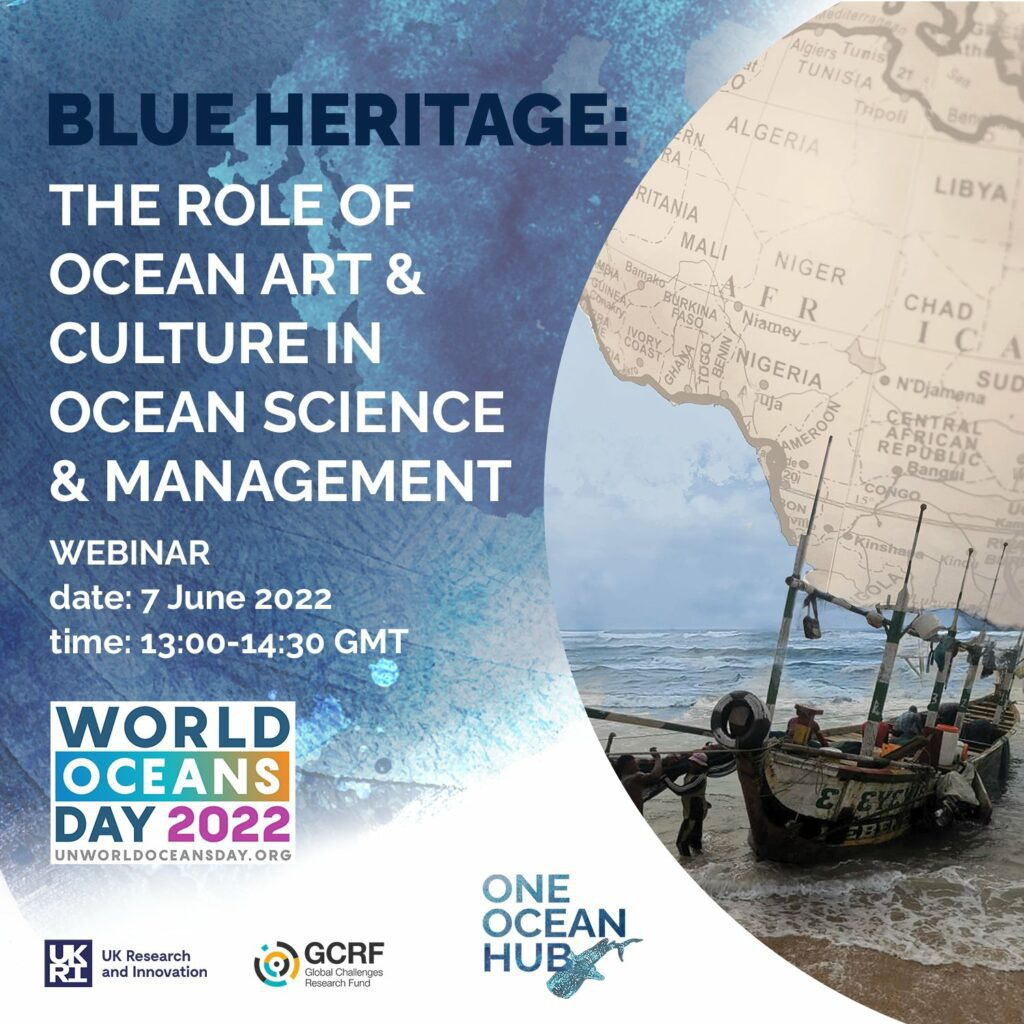
[sps_html tag=”img” src=”https://cdn.theartssection.com/wp-content/uploads/2025/11/blue-heritage-the-role-of-ocean-art-and-culture-in-ocean-science-and-regarding-preserving-ocean-heritage-through-cultural-and-scientific-artistic-collaboration.jpeg” alt=”Blue Heritage: The Role Of Ocean Art And Culture In Ocean Science And … regarding Preserving Ocean Heritage Through Cultural and Scientific Artistic Collaboration” style=”width: 100%; height: auto;”]
[sps_html tag=”img” src=”https://cdn.theartssection.com/wp-content/uploads/2025/11/bridging-past-and-present-underwater-cultural-heritage-at-the-2024-un-intended-for-preserving-ocean-heritage-through-cultural-and-scientific-artistic-collaboration.jpeg” alt=”Bridging Past And Present: Underwater Cultural Heritage At The 2024 Un … intended for Preserving Ocean Heritage Through Cultural and Scientific Artistic Collaboration” style=”width: 100%; height: auto;”]
[sps_html tag=”img” src=”https://cdn.theartssection.com/wp-content/uploads/2025/11/publication-of-cultural-heritage-framework-programmes-first-blue-paper-for-courtside-market-galapagos-sea-turtle-i-gallery-wrapped-canvas-wall-art.png” alt=”Publication Of Cultural Heritage Framework Programme’s First Blue Paper … for Courtside Market Galapagos Sea Turtle I Gallery-Wrapped Canvas Wall Art” style=”width: 100%; height: auto;”]
[sps_html tag=”img” src=”https://cdn.theartssection.com/wp-content/uploads/2025/11/ocean-culture-storytellers-inside-preserving-ocean-heritage-through-cultural-and-scientific-artistic-collaboration.jpg” alt=”Ocean Culture Storytellers inside Preserving Ocean Heritage Through Cultural and Scientific Artistic Collaboration” style=”width: 100%; height: auto;”]
[sps_html tag=”img” src=”https://cdn.theartssection.com/wp-content/uploads/2025/11/blue-growth-workshop-the-contribution-of-cultural-heritage-to-the-throughout-courtside-market-galapagos-sea-turtle-i-gallery-wrapped-canvas-wall-art.jpg” alt=”Blue Growth Workshop: The Contribution Of Cultural Heritage To The … throughout Courtside Market Galapagos Sea Turtle I Gallery-Wrapped Canvas Wall Art” style=”width: 100%; height: auto;”]