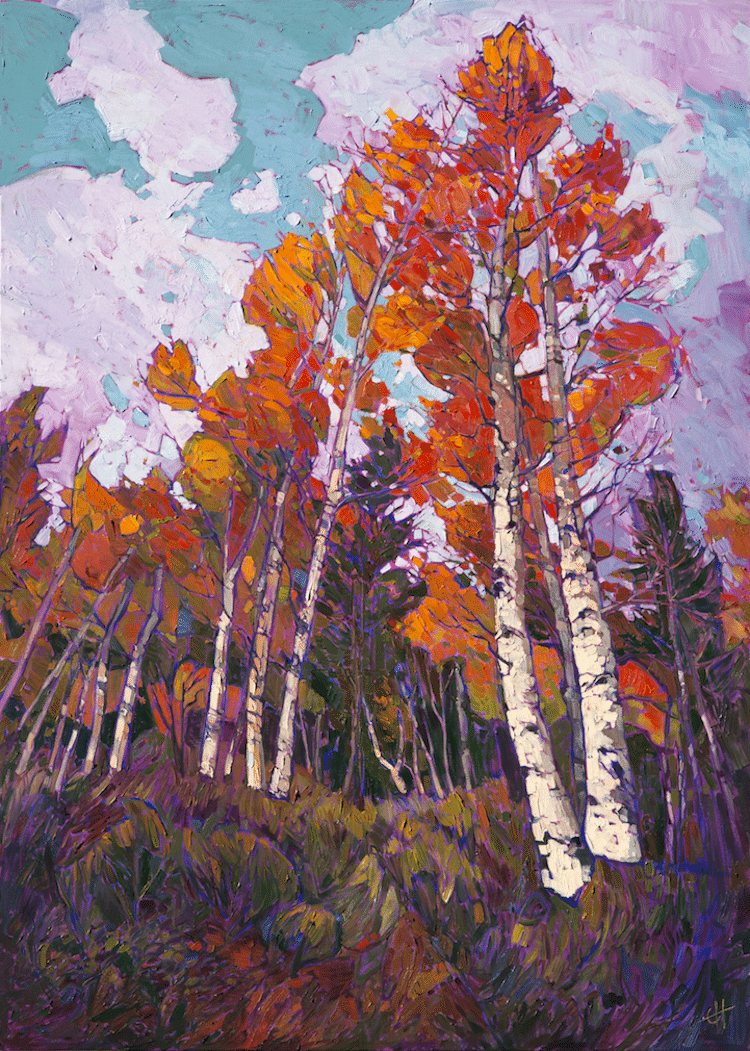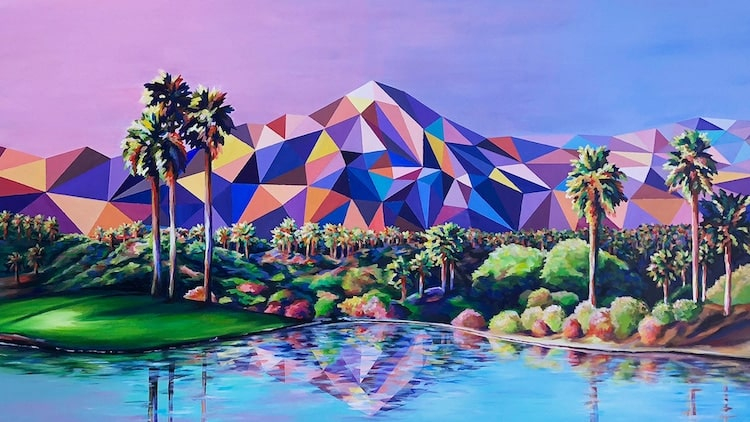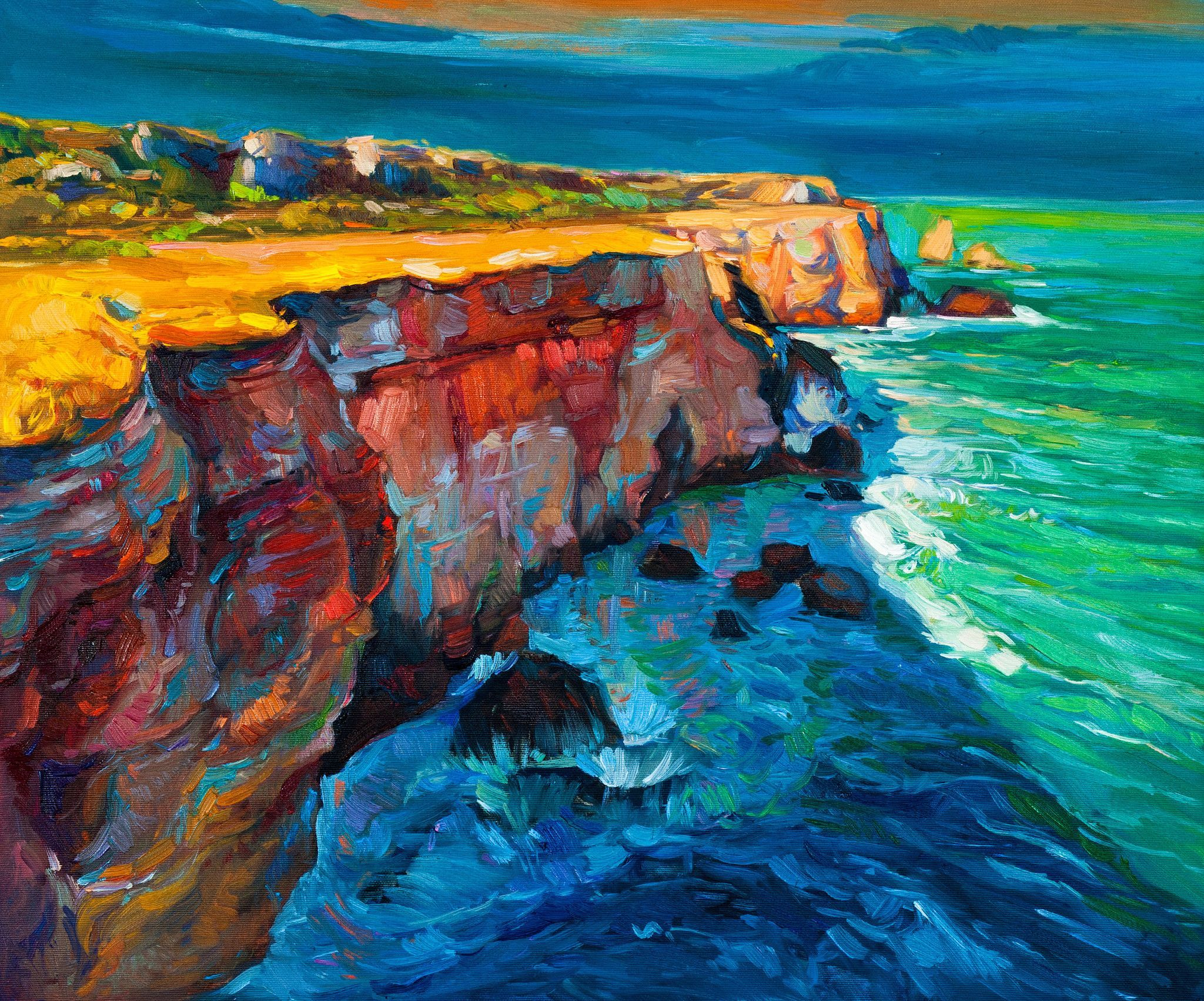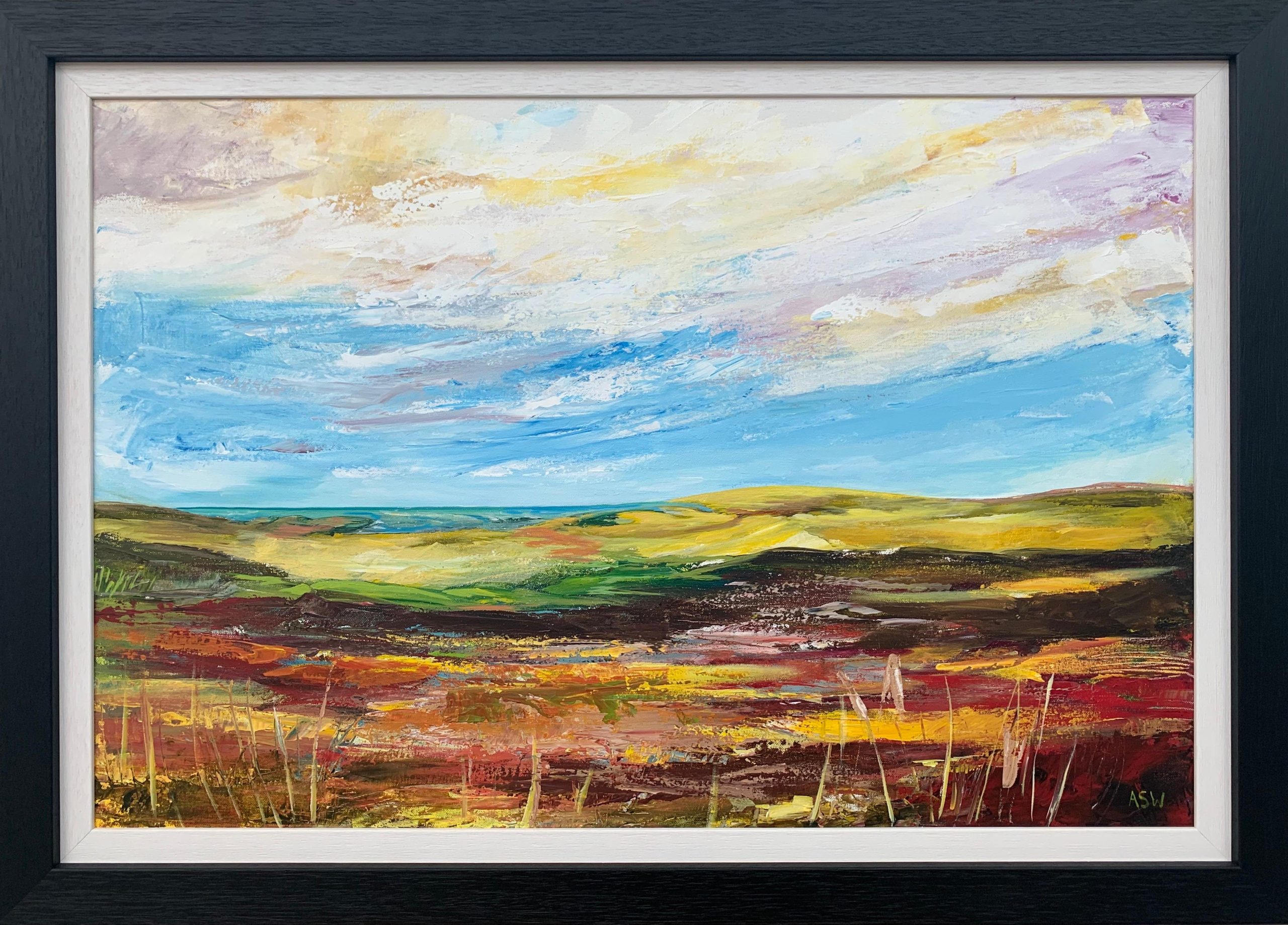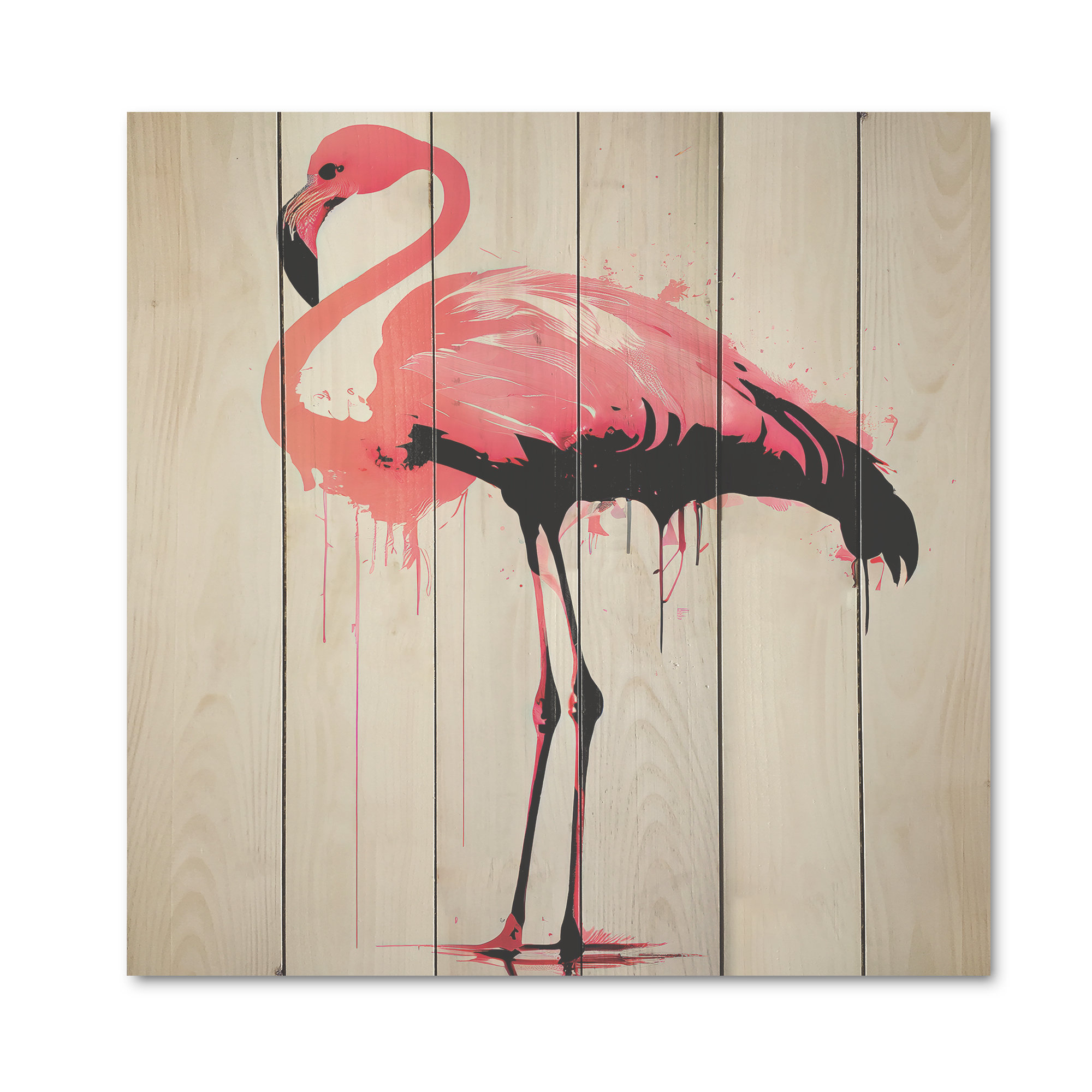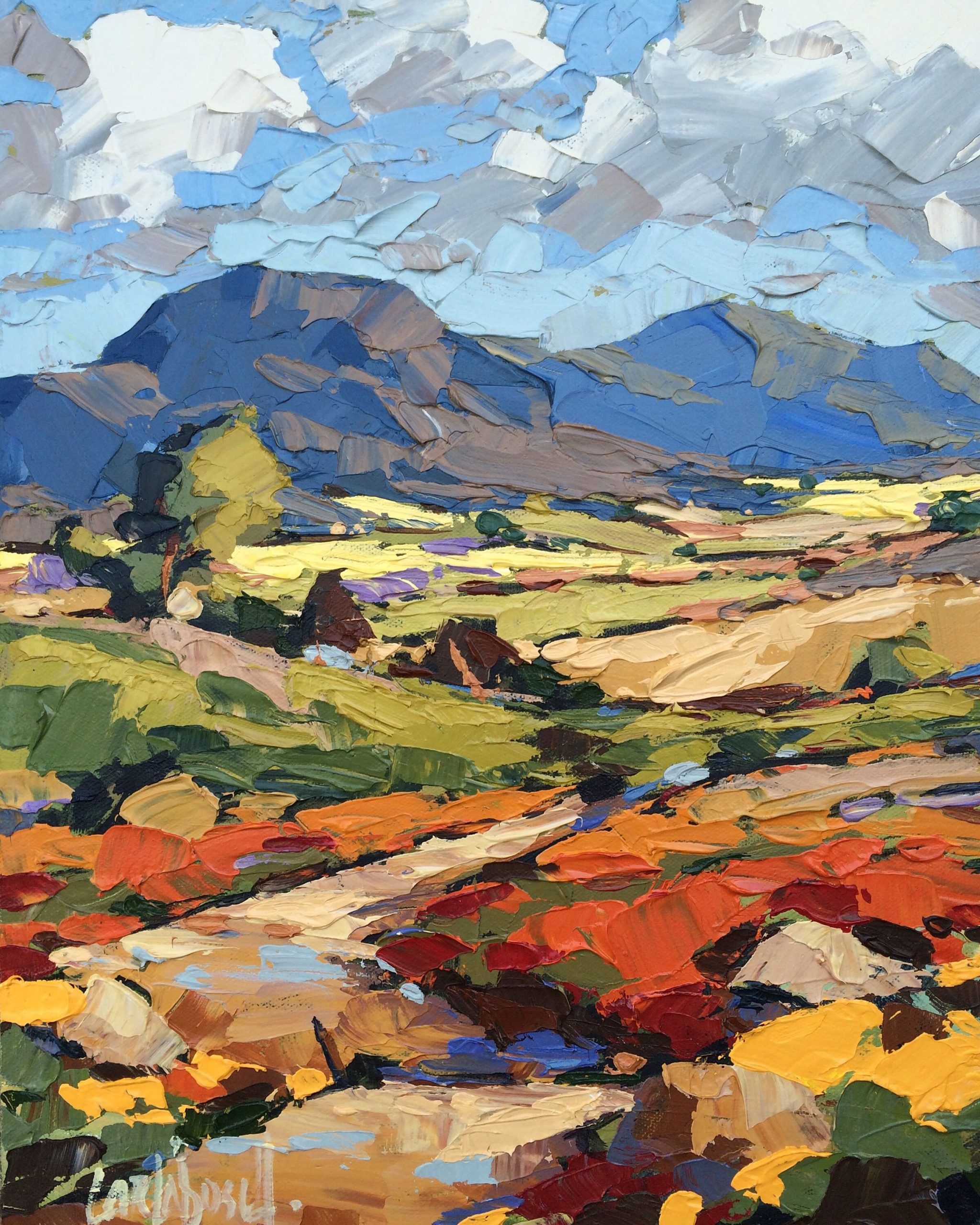
Have you ever walked into a room and instantly felt calmer? That’s not just coincidence. It’s the power of nature-inspired wall art working its magic on your psyche. These visual elements don’t just decorate your walls—they reshape how you feel in your own space. Think about it: when was the last time you looked at a beautiful landscape painting and felt your shoulders drop? The connection between nature and peace runs deep in our human experience.
Everyday life can feel overwhelming. Between work deadlines, family responsibilities, and constant digital noise, many of us crave moments of quiet reflection. What if I told you that transforming your living space with nature-inspired wall art could be one of the simplest ways to bring that peace into your daily routine? This isn’t just about aesthetics—it’s about creating environments that support our mental and emotional health. Whether you’re drawn to serene mountain vistas, tranquil forest scenes, or calming ocean views, nature art offers something for everyone looking to cultivate serenity in their surroundings. The right piece can turn a mundane hallway into a meditation space or transform your bedroom into a peaceful retreat.
The Science Behind Nature’s Calming Effect
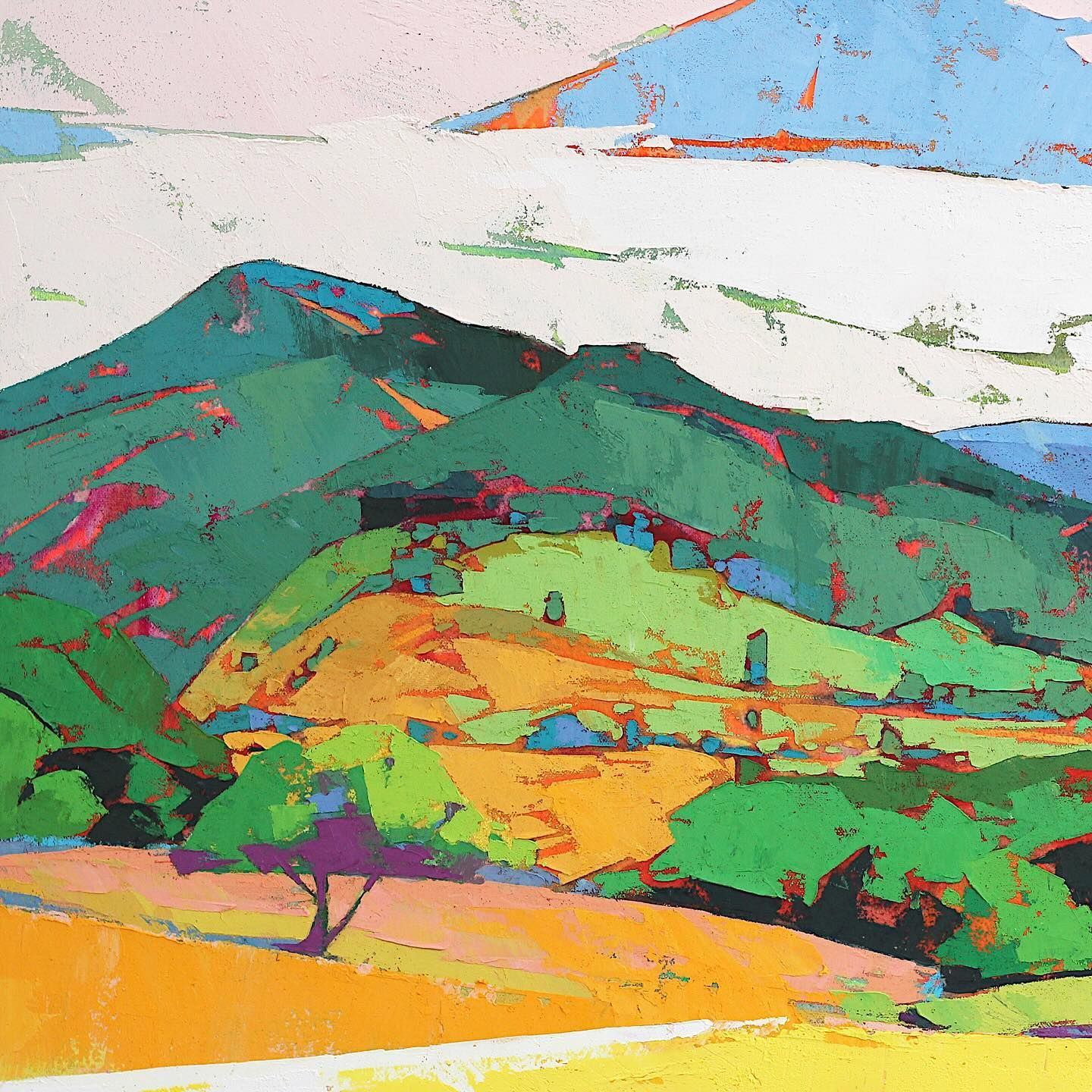
What exactly happens when we look at nature scenes? Research consistently shows that viewing natural imagery activates our parasympathetic nervous system—the part responsible for rest and relaxation. Studies conducted by the University of Exeter found that people who viewed nature photographs experienced significantly lower stress levels compared to those who saw urban scenes. The colors in nature paintings play a crucial role too. Soft blues and greens naturally draw our attention and create a sense of calm. When you hang a piece featuring rolling hills or gentle streams, your brain responds as if you’re actually standing in that peaceful environment. This biological response explains why nature art works so effectively at reducing anxiety and promoting mindfulness.
Choosing the Right Nature Themes for Your Space
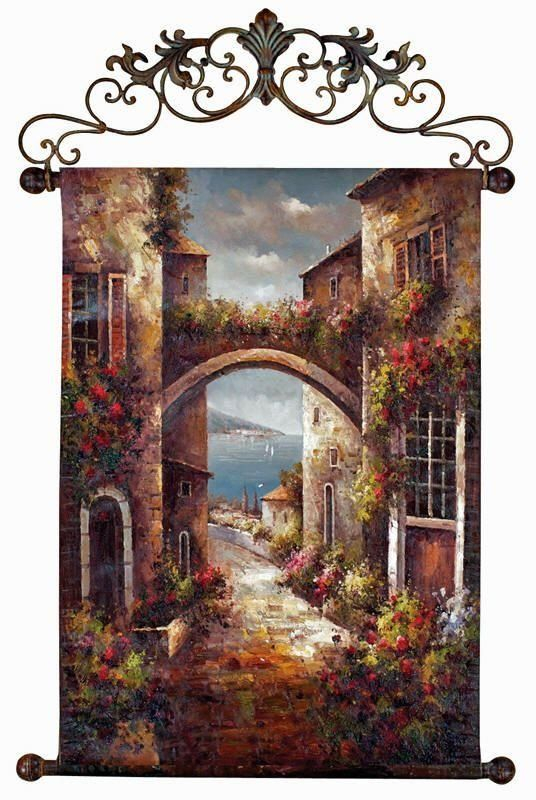
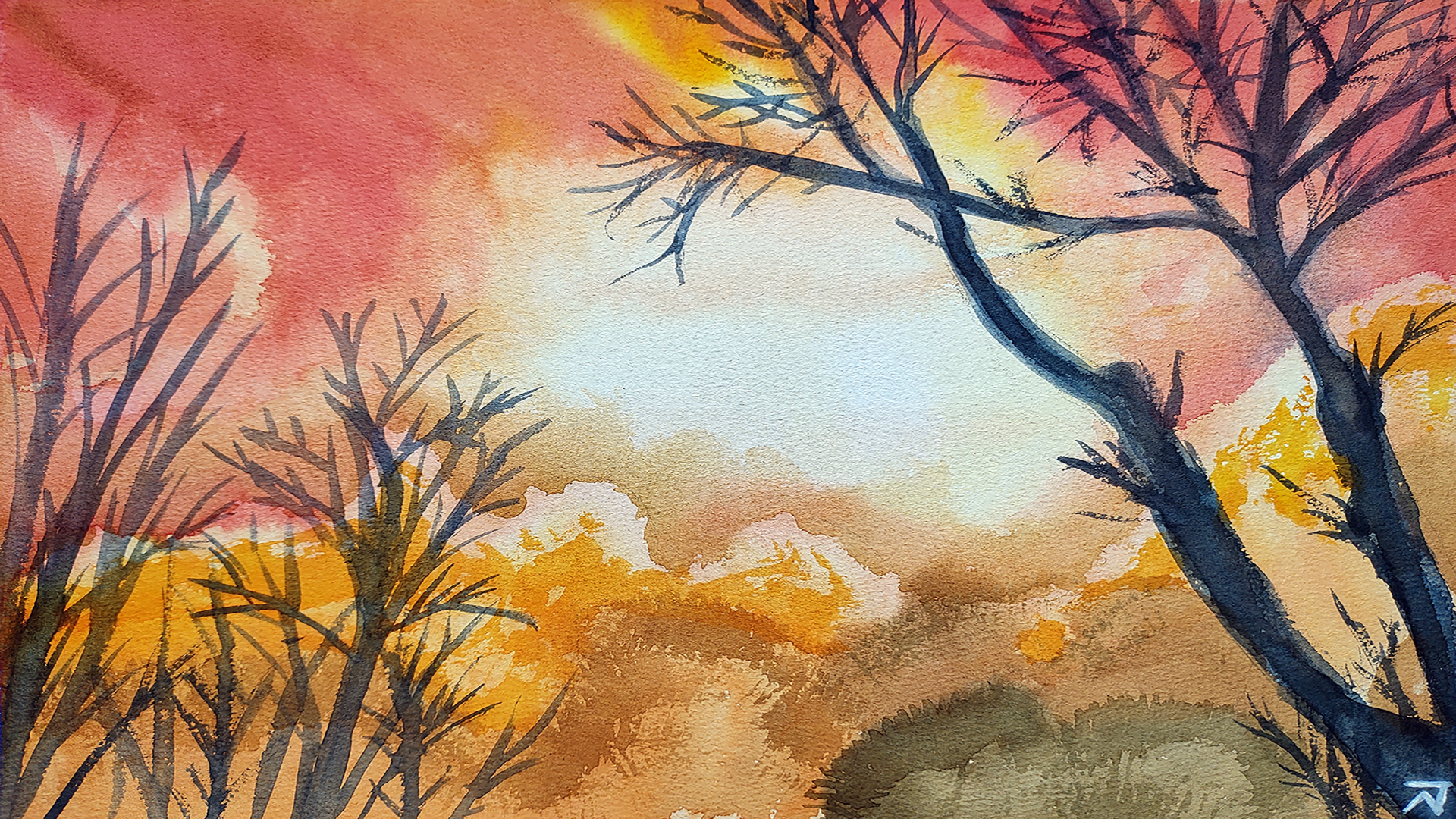
Not all nature art feels the same, and that’s perfectly fine. Different themes resonate with different people based on their personal experiences and emotional needs. Forest scenes might appeal to someone seeking grounding and stability, while ocean views often provide a sense of vastness and freedom. Mountain landscapes can inspire feelings of strength and clarity, whereas desert scenes might offer a sense of simplicity and solitude. Consider your current emotional state and what kind of energy you want to invite into your space. If you’re feeling overwhelmed, maybe a peaceful lake scene would be ideal. If you’re looking for inspiration, perhaps a dramatic sunset or sunrise painting would serve you better. The key is matching the theme to your intended outcome rather than simply choosing what looks pretty.
Color Psychology in Nature Art Selection
Colors have an incredible influence on our mood and behavior. When selecting nature art, pay attention to the color palette. Cool tones like blues and greens tend to be soothing and can help reduce blood pressure. Warm tones such as oranges and yellows, often found in sunset scenes, can energize and uplift. Earth tones like browns and tans create a sense of stability and connection to the ground. A painting dominated by soft blues might help you sleep better, while a vibrant orange landscape could boost your creativity in the morning. Understanding how these colors affect you personally helps you choose artwork that truly supports your well-being. Remember, the goal isn’t to match every color in your room exactly, but to create a harmonious balance that feels right for you.
Size Matters: How Scale Affects Peacefulness
The size of your nature art can dramatically impact how peaceful it feels. Large-scale pieces can dominate a room and create an immersive experience that makes you feel like you’re actually inside the scene. A massive forest painting might transport you to a woodland clearing, while a sweeping beach view could make you feel like you’re standing on the shore. Smaller pieces, on the other hand, work beautifully as focal points that draw the eye and create moments of contemplation. They’re perfect for smaller spaces or as part of a gallery wall arrangement. Consider the scale relative to your furniture and the room’s proportions. A small painting in a large room might get lost, while a huge piece in a tiny space could feel overwhelming. Finding the right balance creates harmony between your artwork and your environment.
Texture and Material: Adding Depth to Visual Calm
Beyond color and theme, the physical qualities of nature art contribute to its calming effect. Textured canvases, for instance, add tactile interest that can enhance the viewing experience. Some artists use techniques that mimic natural surfaces—rough bark textures or smooth water reflections. The material itself matters too. Wood frames can add warmth and organic feel to a piece, while metal frames might give a more modern, clean look. Consider how the texture interacts with light in your space. A matte finish might soften harsh lighting, while a glossy surface could reflect light in interesting ways. These physical elements create layers of sensory engagement that make the artwork more impactful and calming.
Practical Tips for Creating Your Peaceful Gallery
Setting up your nature art collection requires thoughtful consideration. Start by choosing pieces that complement each other visually, even if they’re from different artists or time periods. Create a cohesive look through consistent frame styles or varying sizes that follow a pattern. Think about placement carefully—hang pieces at eye level, typically around 57 inches from the floor. For maximum effect, consider grouping multiple smaller pieces together rather than hanging just one large work. Don’t forget about lighting; natural light tends to bring out the best in nature art, but good artificial lighting can also enhance the experience. Finally, remember that your collection should evolve over time. As your moods and needs change, so might your artistic preferences. The most important thing is that your space continues to feel peaceful and supportive.
Nature-inspired wall art isn’t just decorative—it’s a powerful tool for creating peaceful environments that nurture our well-being. From the scientific evidence of its calming effects to the practical considerations of selection and placement, there’s a wealth of knowledge available to help you make intentional choices about your space. The journey toward a more peaceful home starts with understanding how these visual elements connect to our inner lives. Whether you’re drawn to dramatic landscapes or subtle botanical prints, the right nature art can transform any room into a sanctuary that supports your mental and emotional health. The key is paying attention to what resonates with you personally and allowing that connection to guide your choices. Your space deserves to feel like a refuge, and with thoughtful nature art selections, it can become exactly that.
[sps_html tag=”img” src=”https://cdn.theartssection.com/wp-content/uploads/2025/11/modern-art-landscape-paintings-at-mandy-mason-blog-with-regard-to-artistic-techniques-used-in-modern-landscape-canvas-paintings.jpg” alt=”Modern Art Landscape Paintings At Mandy Mason Blog with regard to Artistic Techniques Used in Modern Landscape Canvas Paintings” style=”width: 100%; height: auto;”]
[sps_html tag=”img” src=”https://cdn.theartssection.com/wp-content/uploads/2025/11/the-evolution-of-landscape-painting-and-how-contemporary-artists-keep-intended-for-green-tree-in-lavender-field-modern-landscape-wall-art-canvas.jpeg” alt=”The Evolution Of Landscape Painting And How Contemporary Artists Keep … intended for "Green Tree In Lavender Field" Modern Landscape Wall Art Canvas” style=”width: 100%; height: auto;”]
[sps_html tag=”img” src=”https://cdn.theartssection.com/wp-content/uploads/2025/11/angela-wakefield-colourful-abstract-landscape-painting-of-english-intended-for-artistic-techniques-used-in-modern-landscape-canvas-paintings-scaled.jpg” alt=”Angela Wakefield - Colourful Abstract Landscape Painting Of English … intended for Artistic Techniques Used in Modern Landscape Canvas Paintings” style=”width: 100%; height: auto;”]
[sps_html tag=”img” src=”https://cdn.theartssection.com/wp-content/uploads/2025/11/modern-landscape-painting-at-paintingvalley-com-explore-collection-of-inside-green-tree-in-lavender-field-modern-landscape-wall-art-canvas-scaled.jpg” alt=”Modern Landscape Painting At Paintingvalley.com | Explore Collection Of … inside "Green Tree In Lavender Field" Modern Landscape Wall Art Canvas” style=”width: 100%; height: auto;”]
[sps_html tag=”img” src=”https://cdn.theartssection.com/wp-content/uploads/2025/11/landscape-artists-who-inspire-contemporary-landscape-painting-with-green-tree-in-lavender-field-modern-landscape-wall-art-canvas.png” alt=”Landscape Artists Who Inspire Contemporary Landscape Painting with "Green Tree In Lavender Field" Modern Landscape Wall Art Canvas” style=”width: 100%; height: auto;”]