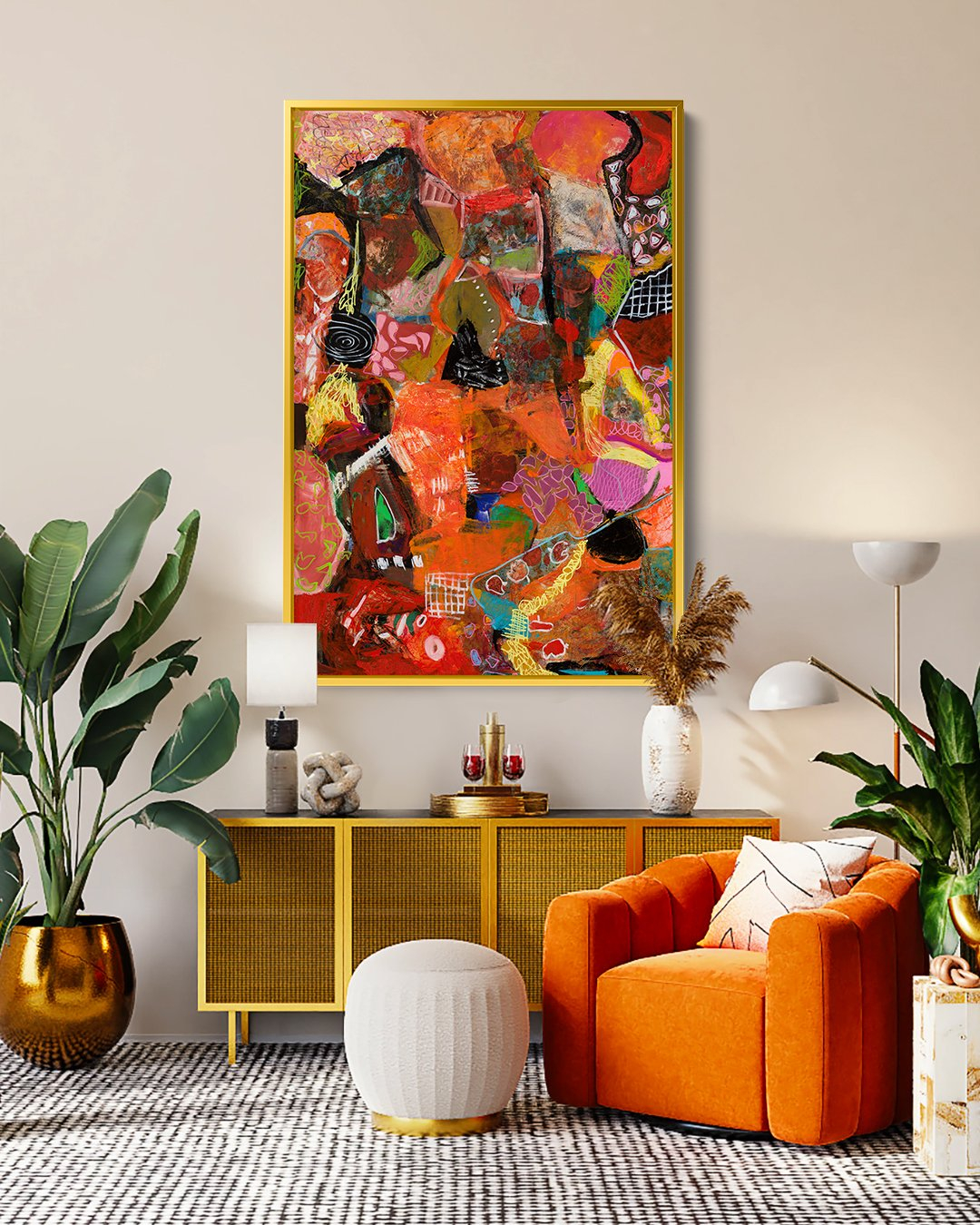
Picture this: a living room where bold splashes of red meet gentle blues, where shapes dance across walls like they’re alive. This isn’t just decoration—it’s a visual symphony. Abstract wall art has evolved from simple geometric experiments to complex emotional expressions that transform spaces. What started as artistic rebellion has become our most beloved way to bring personality into our homes.
When we think about abstract art adorning our walls, we often imagine something sophisticated and perhaps intimidating. But behind every striking canvas lies decades of artistic evolution, cultural shifts, and human desire for beauty. The story of abstract wall art isn’t just about paint and canvas—it’s about how we’ve learned to express ourselves visually, how colors speak louder than words, and how our homes have become canvases for personal stories. From the early 1900s when artists first broke free from traditional representation to today’s Instagram-worthy gallery walls, abstract art has continuously reshaped how we see and experience space. The vibrant harmony we see now wasn’t always the standard. It emerged slowly, like a beautiful melody that took years to perfect.
Origins of Abstract Expressionism
The roots of modern abstract wall art trace back to the early 1900s, when artists began questioning what art should represent. Think about it—before this movement, art was mostly about realistic depictions of people, landscapes, and objects. But pioneers like Wassily Kandinsky and Piet Mondrian wanted to move beyond mere representation. They believed art could communicate directly with the soul through color and form alone.
Kandinsky famously said that painting should be like music, creating emotional responses rather than just visual recognition. His works were full of swirling forms and vibrant hues that seemed to pulse with energy. Mondrian, on the other hand, found harmony in simplicity, using only primary colors and straight lines to create balance and order. These two approaches created the foundation for what we now call abstract expressionism.
During the 1940s and 1950s, New York became the epicenter of this revolution. Artists like Jackson Pollock and Mark Rothko brought abstract art into mainstream consciousness. Pollock’s drip paintings, where he poured paint onto canvases laid flat on the floor, created a sense of motion and chaos. Rothko’s color field paintings, massive canvases filled with large blocks of pure color, invited viewers to sit and contemplate the emotional impact of hue and tone.
The Rise of Pop Art and Commercial Appeal
By the 1960s, abstract art had begun to merge with popular culture. This period marked a significant shift from the serious, philosophical nature of earlier abstract movements toward something more accessible and marketable. Pop artists like Andy Warhol and Roy Lichtenstein brought familiar imagery into the realm of fine art, making abstract concepts more relatable to everyday life.
Warhol’s silkscreen prints of Campbell’s soup cans and Marilyn Monroe became iconic representations of American consumer culture. But even within his work, there was a strong element of abstraction—his repeated images stripped away individual details, focusing instead on pattern and repetition. Lichtenstein’s comic book-inspired paintings showed how abstract techniques could be applied to mass-produced imagery.
This era taught us that abstract art didn’t have to be elitist or inaccessible. When artists started incorporating elements from advertising, fashion, and daily life into their work, they made it easier for ordinary people to connect with abstract concepts. Suddenly, a wall adorned with colorful geometric patterns wasn’t just art—it was a statement about contemporary life itself.
Postmodern Experimentation and Cultural Fusion
The 1970s and 1980s saw abstract art evolve in unexpected directions. Artists began mixing different styles, cultures, and media in ways that had never been attempted before. This period was characterized by experimentation and breaking down barriers between high art and low culture.
Artists like Jean-Michel Basquiat and Keith Haring brought street art influences into galleries, while others explored mixed media approaches combining paint, collage, and found objects. The result was a more diverse and inclusive form of abstract expression that reflected the multicultural reality of modern society.
During this time, abstract wall art also began incorporating elements from global art traditions. African textiles, Japanese calligraphy, and Indian miniature paintings influenced Western artists, leading to a richer, more textured visual language. These cross-cultural exchanges created new possibilities for abstract compositions that spoke to broader human experiences and emotions.
Digital Age Innovation and Contemporary Trends
Today’s abstract wall art landscape is more dynamic than ever. Technology has opened up entirely new avenues for artistic expression and creation. Digital artists can now manipulate color and form in ways that were impossible with traditional media.
The rise of digital printing has made high-quality abstract art accessible to everyone. People can now commission custom pieces or purchase affordable reproductions of famous works without the hefty price tag associated with original pieces. Social media platforms like Instagram have created new markets for emerging artists and transformed how we discover and share abstract art.
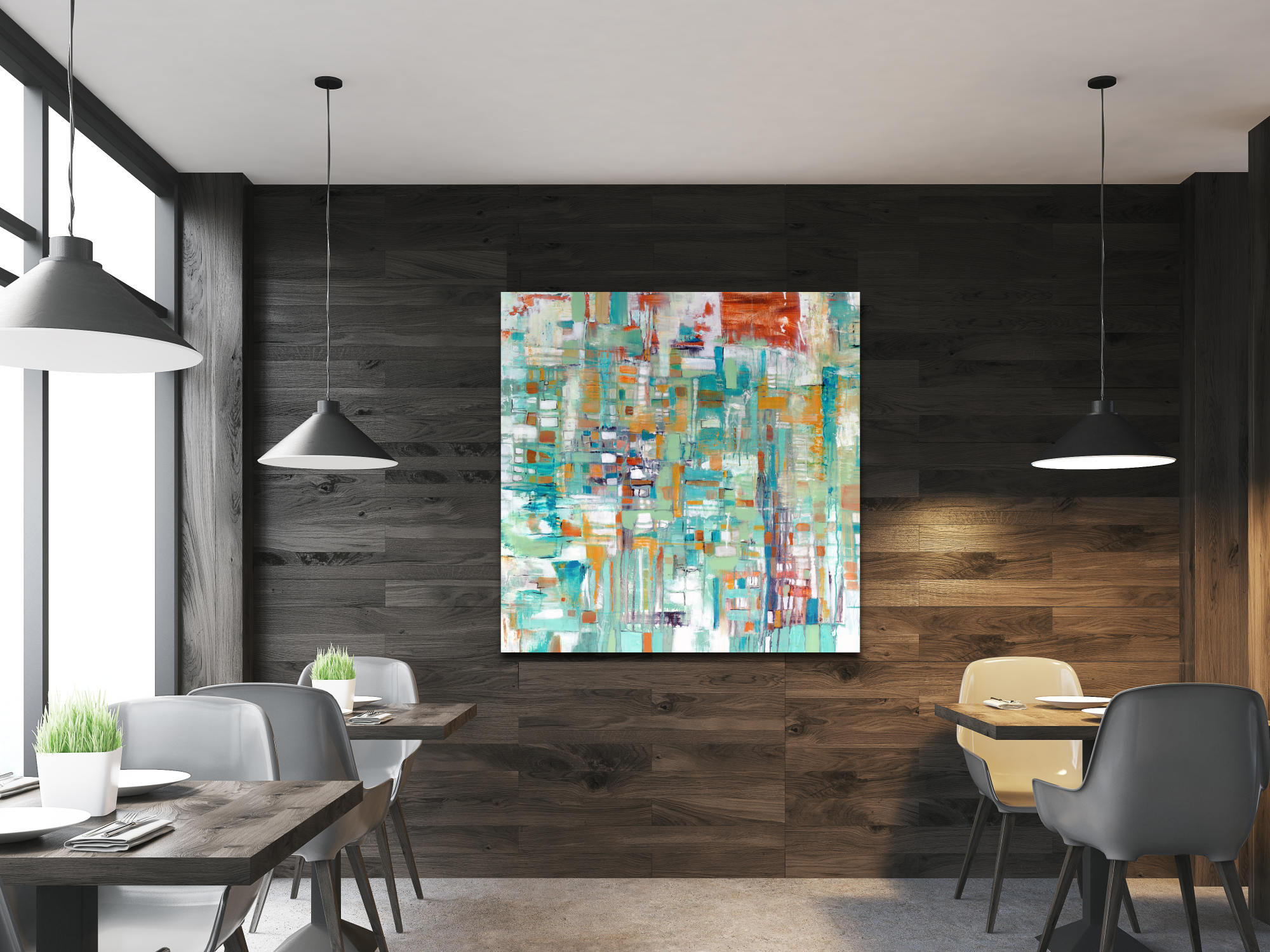
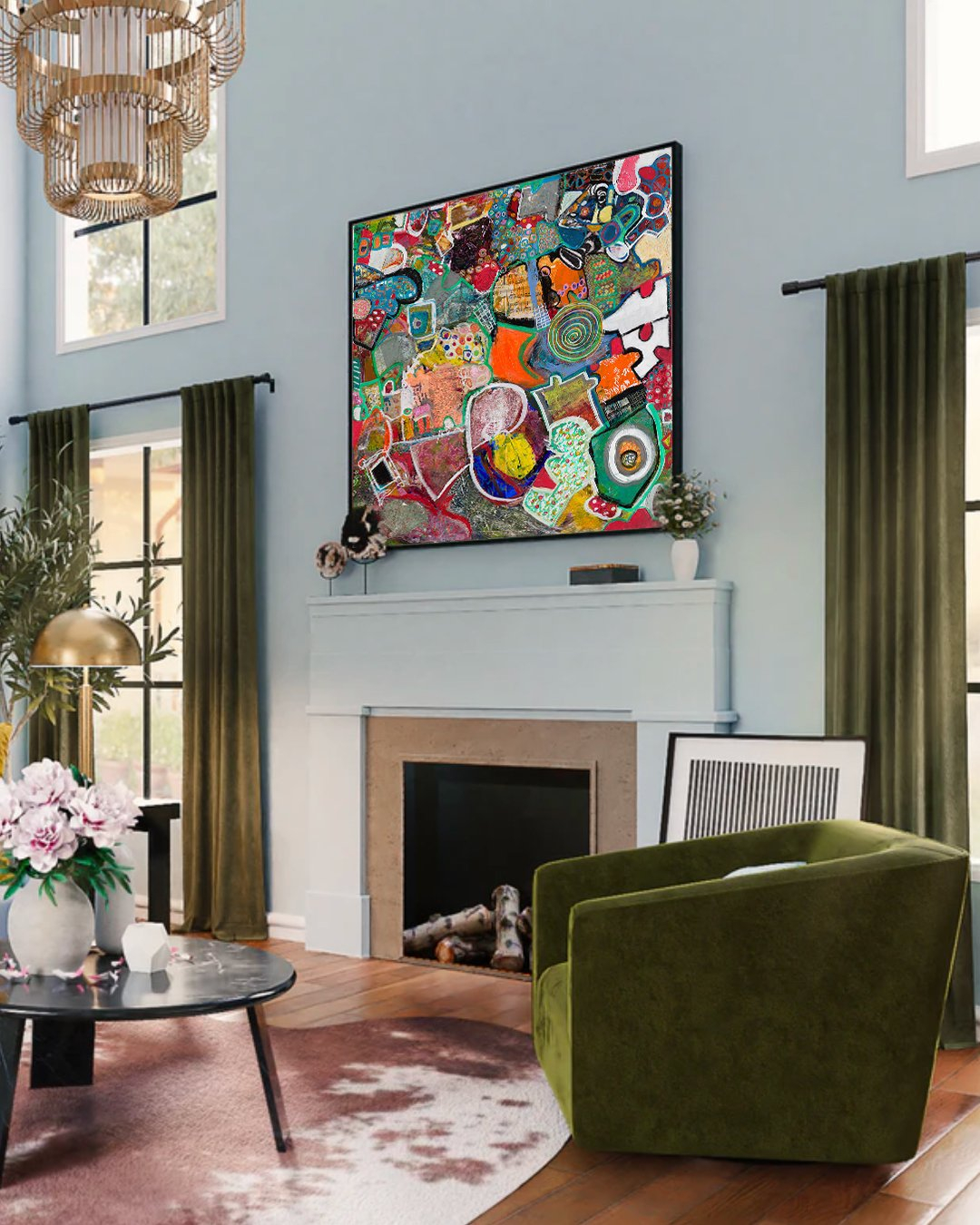
Contemporary abstract wall art often features bold, saturated colors that pop against neutral backgrounds. Artists are experimenting with unconventional materials like metallic paints, textured surfaces, and even LED elements. The concept of ‘vibrant harmony’ has become central to modern design philosophy—where contrasting colors and shapes create visual excitement while maintaining overall balance.
We’re seeing a return to organic forms mixed with clean geometric shapes, creating what some call ‘organic abstraction.’ This trend reflects our ongoing search for connection between nature and modern life.
Psychological Impact and Emotional Resonance
What makes abstract wall art truly powerful isn’t just its visual appeal—it’s how it affects our emotions and mental state. Research in color psychology shows that different hues can influence mood, energy levels, and even cognitive function. Warm colors like reds and oranges tend to energize and stimulate, while cool blues and greens promote calmness and focus.
Abstract art bypasses rational thought and speaks directly to our subconscious. When we look at a piece of abstract art, we’re not trying to identify what we’re seeing—we’re experiencing a direct emotional response. A painting with flowing curves might make us feel relaxed, while sharp angular forms could create tension or excitement.
This emotional connection explains why abstract wall art has become so popular in both residential and commercial spaces. Offices with abstract pieces often report improved creativity and productivity among employees. Homes featuring abstract art create more welcoming environments that encourage conversation and reflection.
The psychological benefits extend beyond simple aesthetics. Many people find that abstract art helps them process complex emotions and experiences. A piece that seems chaotic at first glance might actually provide comfort through its sense of freedom and liberation from conventional expectations.
Practical Considerations for Modern Collectors
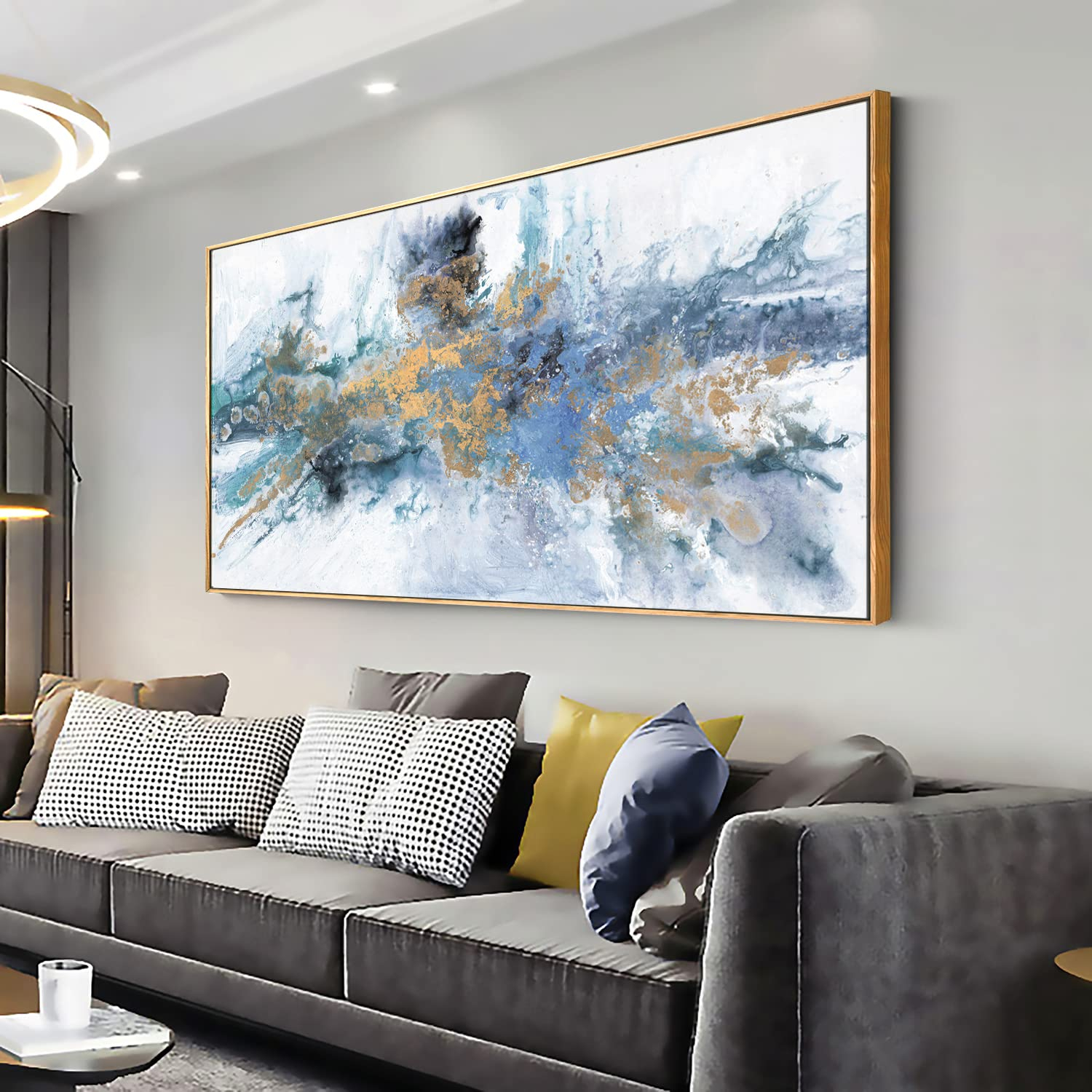
For those looking to add abstract wall art to their collections, there are several important factors to consider. First, size matters greatly. A small abstract piece can feel lost on a large wall, while a massive canvas might overwhelm a cozy space. The rule of thumb is to choose artwork that’s roughly 60-80% the width of your furniture or wall area.
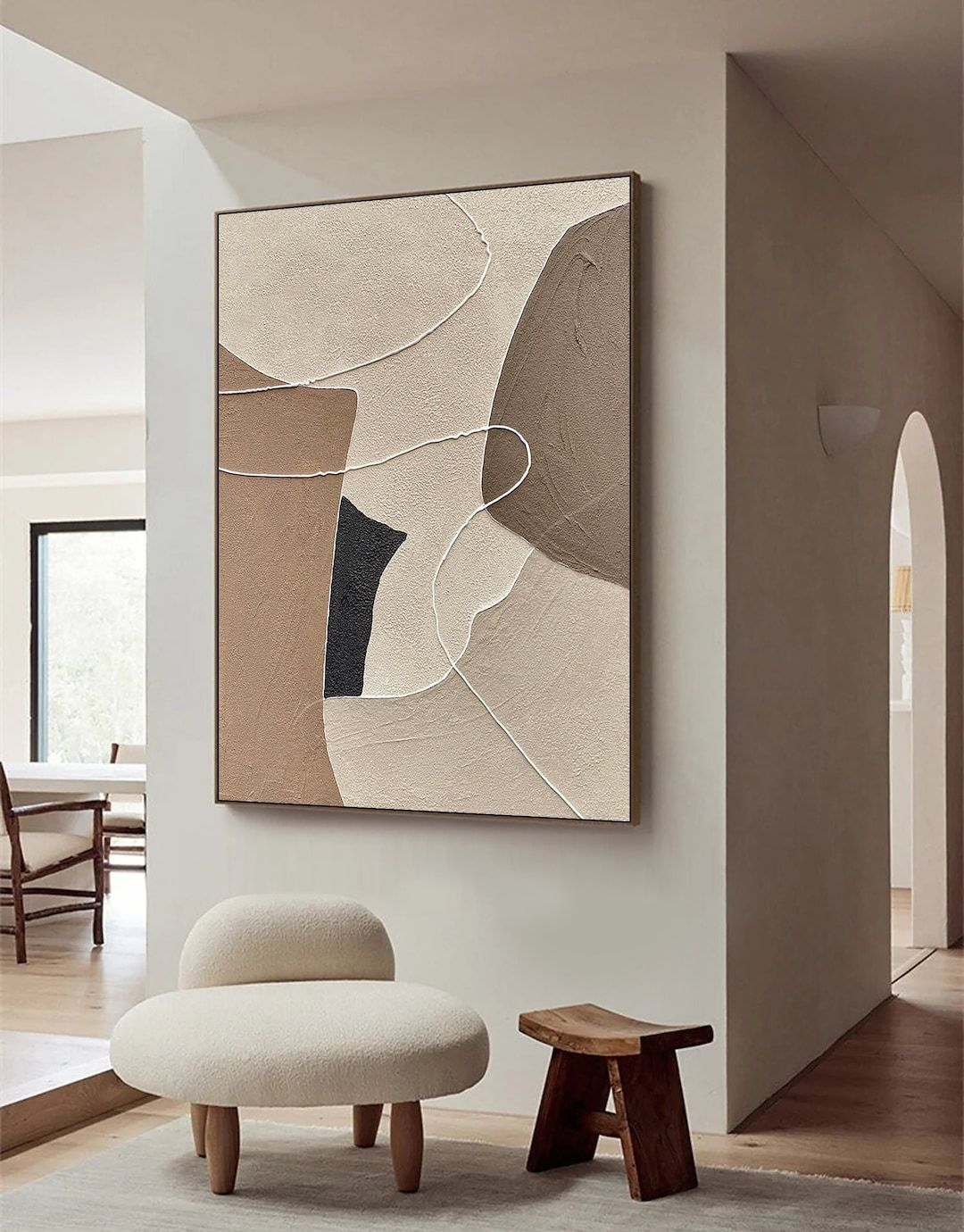
Color coordination remains crucial. If your room already features bold patterns or bright accents, opt for more muted abstract pieces to avoid visual overload. Conversely, if your space is primarily neutral, vibrant abstract art can serve as an exciting focal point.
Quality of materials also plays a role in longevity and appearance. High-grade canvas and archival inks ensure that your abstract art will maintain its vibrancy for years to come. Some artists now offer limited editions with special finishes or materials that enhance the three-dimensional quality of their work.
Consider the placement carefully. Abstract art works best when it’s positioned at eye level, typically around 57-60 inches from the floor. This height allows viewers to appreciate the full composition without having to crane their necks or bend down.
Finally, remember that abstract art is personal. What moves one person might not affect another. Trust your instincts and choose pieces that resonate with you emotionally, regardless of current trends or popular opinions.
The evolution of abstract wall art through vibrant harmony represents more than just a change in aesthetic preferences—it’s a reflection of how we’ve learned to express ourselves visually and emotionally. From the early experiments of avant-garde artists to today’s diverse marketplace, abstract art has continuously adapted to meet our changing needs and desires.
What strikes me most about this journey is how abstract art has democratized beauty. No longer confined to galleries and museums, it’s now part of our daily lives, influencing how we decorate our homes, interact with our spaces, and express our personalities. The vibrant harmony we see today isn’t just about pretty pictures—it’s about creating environments that support our well-being and reflect our inner worlds.
As we move forward, the future of abstract wall art looks incredibly promising. With new technologies, global influences, and growing awareness of mental health and environmental design, we can expect even more innovative approaches to abstract expression. Whether you’re a seasoned collector or someone just beginning to explore the world of abstract art, there’s never been a better time to embrace the power of visual storytelling through color and form.
[sps_html tag=”img” src=”https://cdn.theartssection.com/wp-content/uploads/2025/11/abstract-painting-hotel-art-gallery-art-large-abstract-painting-with-the-emotional-impact-of-abstract-wall-art-in-interior-design.jpg” alt=”Abstract Painting, Hotel Art, Gallery Art, Large Abstract Painting … with The Emotional Impact of Abstract Wall Art in Interior Design” style=”width: 100%; height: auto;”]
[sps_html tag=”img” src=”https://cdn.theartssection.com/wp-content/uploads/2025/11/living-room-walls-artful-inspiration-in-vibrant-harmony-ii-abstract-on-gold-metallic-shagreen-wrapped-canvas-wall-art.jpg” alt=”Living Room Walls: Artful Inspiration in "Vibrant Harmony Ii" Abstract On Gold Metallic Shagreen Wrapped Canvas Wall Art” style=”width: 100%; height: auto;”]
[sps_html tag=”img” src=”https://cdn.theartssection.com/wp-content/uploads/2025/11/amazing-examples-of-art-in-interior-design-unleashed-gallery-throughout-vibrant-harmony-ii-abstract-on-gold-metallic-shagreen-wrapped-canvas-wall-art.jpg” alt=”Amazing Examples Of Art In Interior Design | Unleashed Gallery throughout "Vibrant Harmony Ii" Abstract On Gold Metallic Shagreen Wrapped Canvas Wall Art” style=”width: 100%; height: auto;”]
[sps_html tag=”img” src=”https://cdn.theartssection.com/wp-content/uploads/2025/11/amazing-examples-of-art-in-interior-design-unleashed-gallery-regarding-vibrant-harmony-ii-abstract-on-gold-metallic-shagreen-wrapped-canvas-wall-art.jpg” alt=”Amazing Examples Of Art In Interior Design | Unleashed Gallery regarding "Vibrant Harmony Ii" Abstract On Gold Metallic Shagreen Wrapped Canvas Wall Art” style=”width: 100%; height: auto;”]
[sps_html tag=”img” src=”https://cdn.theartssection.com/wp-content/uploads/2025/11/beige-wabi-sabi-wall-art-beige-brown-abstract-painting-neutral-wall-for-the-emotional-impact-of-abstract-wall-art-in-interior-design.jpg” alt=”Beige Wabi Sabi Wall Art Beige Brown Abstract Painting Neutral Wall … for The Emotional Impact of Abstract Wall Art in Interior Design” style=”width: 100%; height: auto;”]