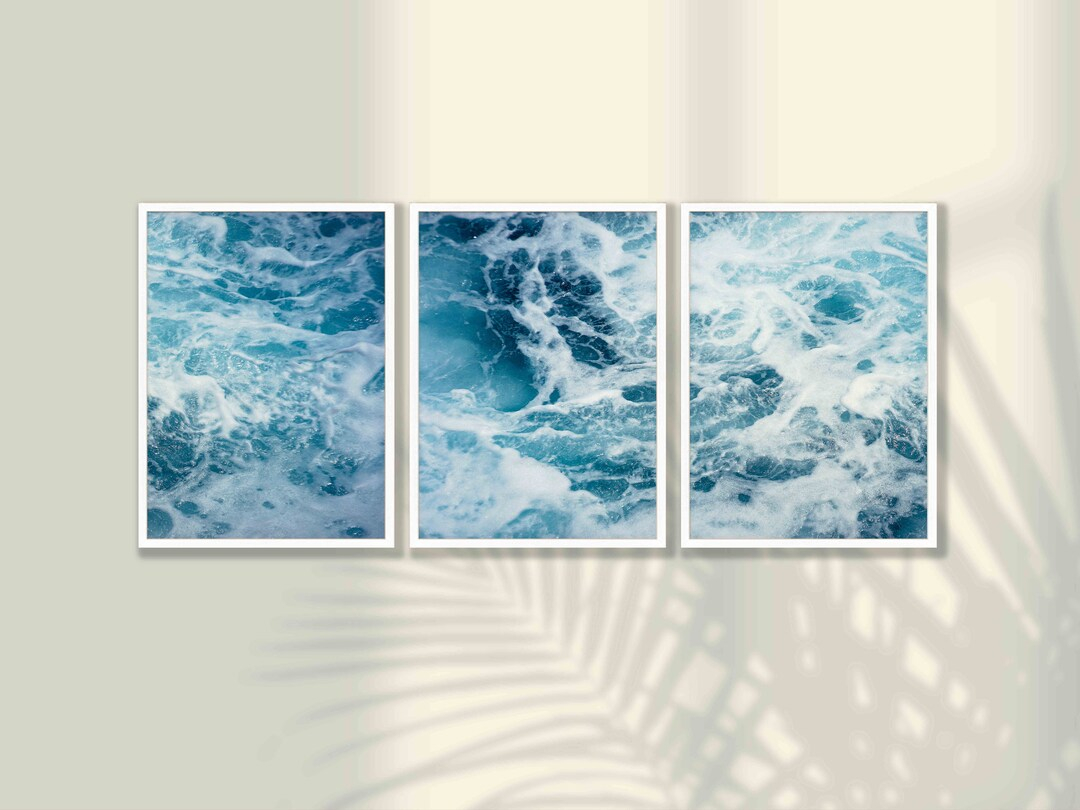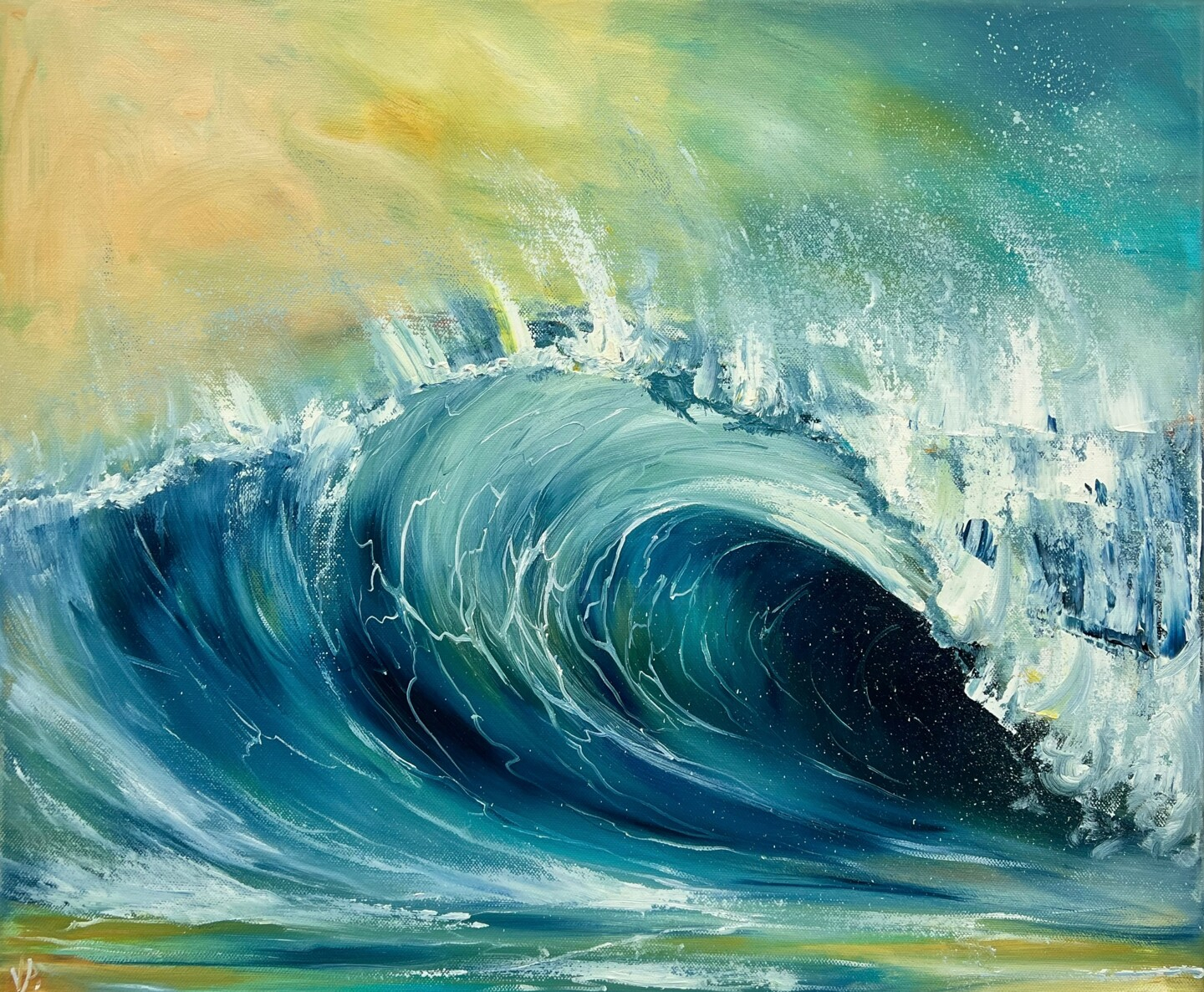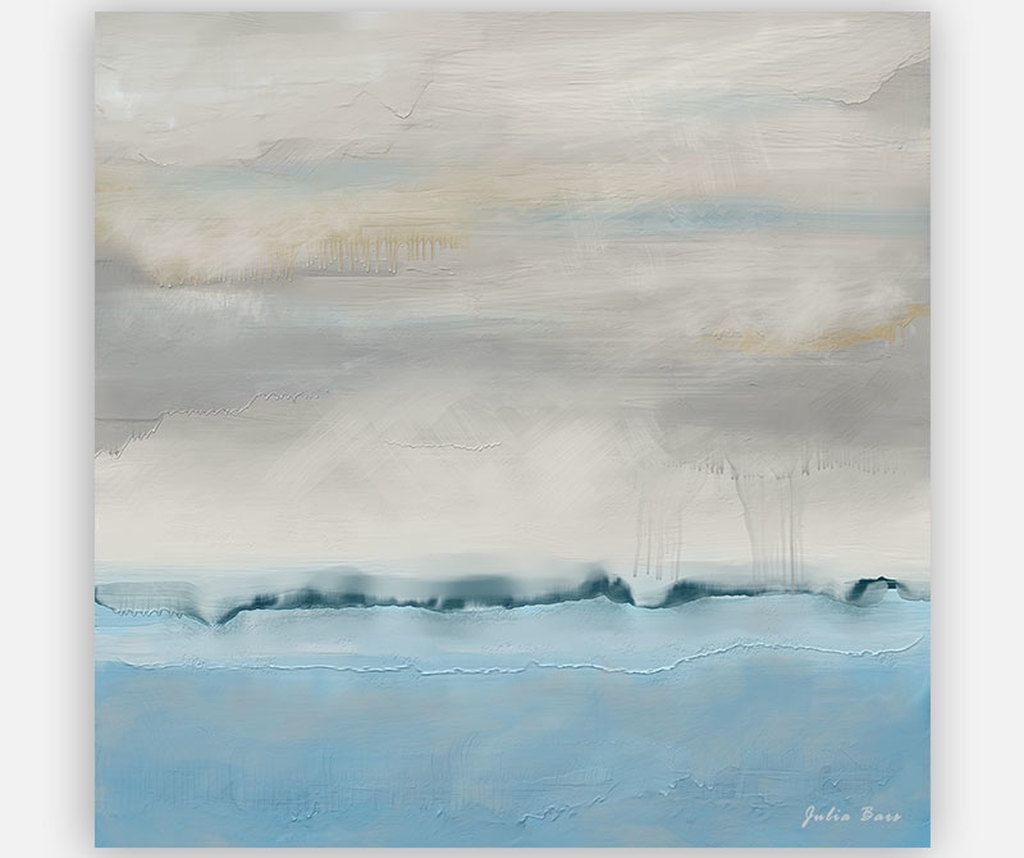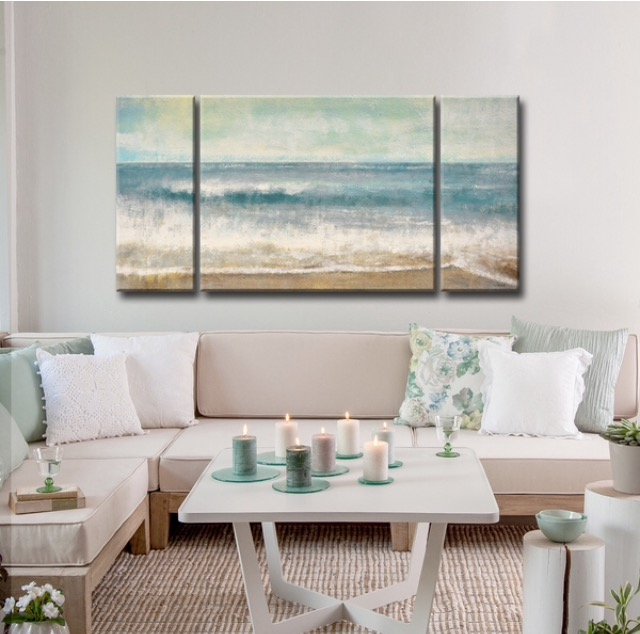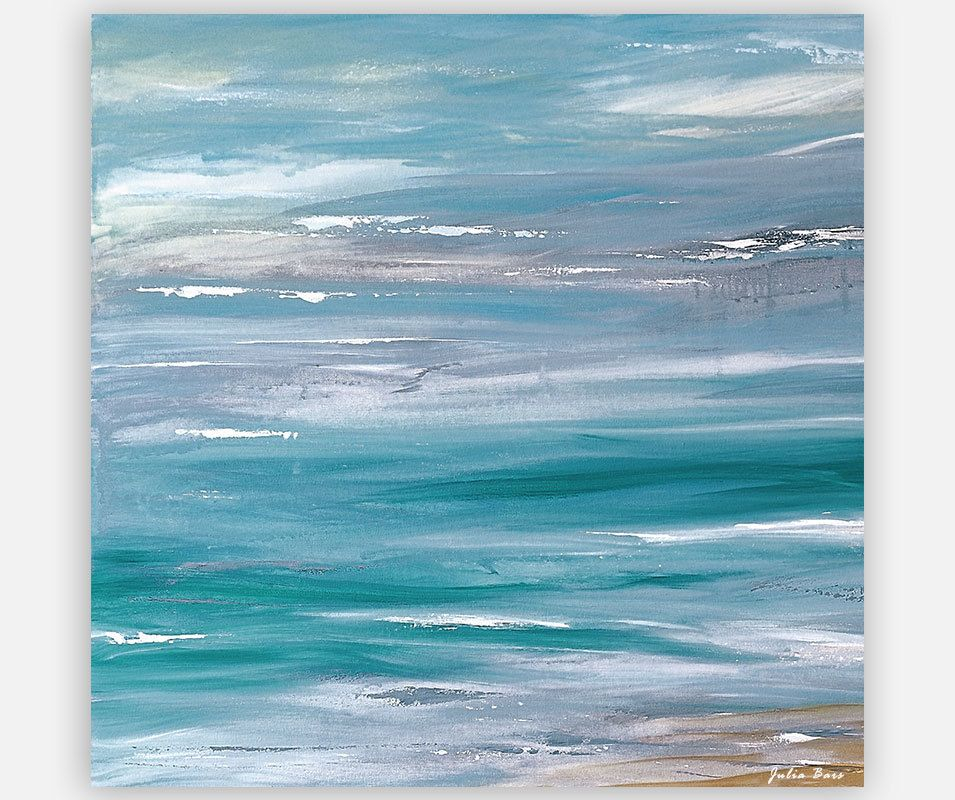
There’s something magical about watching sunlight dance across water, especially when that light meets the gentle curves of ocean waves. When artists translate this natural phenomenon onto canvas, they create more than just artwork—they craft moments of pure serenity. The interplay between white foam and deep blue waters becomes a visual poetry that speaks to our deepest connections with nature.
Sun canvas print creation has evolved far beyond simple landscape photography. Today’s artists are pushing boundaries, using innovative techniques to capture the raw energy and tranquil beauty of ocean scenes. Among the most compelling approaches is the mastery of white and blue waves under sun canvas print creation. This isn’t just about painting water—it’s about capturing the very soul of movement, light, and natural rhythm. Whether you’re a seasoned artist or someone exploring creative expression for the first time, understanding how to properly execute these techniques opens doors to truly breathtaking artwork.
Understanding the Foundation of Wave Dynamics
Before diving into the technical aspects, it’s crucial to understand how waves behave naturally. Ocean waves aren’t random—they follow specific patterns influenced by wind speed, water depth, and the shape of the seafloor. White waves, those frothy crests, form when wind pushes against the surface, creating turbulence. The blue sections represent deeper water where sunlight penetrates and creates the rich hues we associate with the ocean’s mystery. The magic happens when these elements combine in harmony. The way light reflects off foam, how shadows play in the troughs, and how color shifts from bright blue to deep navy—these are the elements that separate amateur work from masterpieces.
Choosing Your Canvas and Surface Materials
The foundation of any great canvas print begins with selecting appropriate materials. For sun canvas prints featuring white and blue waves, consider using high-quality cotton or linen canvases that can handle multiple layers of paint. These materials offer excellent texture that enhances the three-dimensional feel of wave formations. The surface should be slightly textured to hold paint well and allow for natural blending. Some artists prefer pre-primed canvases for smoother application, while others enjoy the challenge of working with raw canvas. The key is consistency in your choice. Different surfaces will react differently to the same technique, so test your preferred material before committing to a full piece. A good canvas should hold its shape and not warp under the weight of wet paint.
Mastering Color Theory for Oceanic Realism
Color selection is where many artists stumble when attempting white and blue wave effects. It’s not simply about mixing white and blue paint. The ocean contains a spectrum of blues—from pale turquoise to deep midnight blue—and each carries different emotional weights. Start with basic blues: cerulean, ultramarine, and phthalo blue. Layer these to create depth and dimension. White isn’t just white; it’s titanium white, zinc white, and even a touch of yellow to create the warm highlights that appear on wave crests. The secret lies in understanding how colors interact with each other and how light affects their appearance. Consider that the same blue might look completely different under direct sunlight versus overcast conditions.
Techniques for Creating Natural Wave Forms
Creating convincing wave shapes requires understanding both physics and artistic intuition. Begin with basic curved lines, keeping in mind that waves never form perfect circles. They’re more like elongated ovals with gentle variations. Start with the largest wave forms, then add smaller ones to create complexity. Use a dry brush technique for the white foam areas, allowing some underlying color to show through for natural-looking texture. The key is building layers gradually. First, establish the basic wave shape, then add the blue base, followed by the white foam details. Don’t try to make everything perfect immediately. Let your brushstrokes have natural imperfections that mimic the organic nature of ocean movement.
Lighting and Shadow Integration Strategies
Sunlight transforms the ocean scene dramatically. Understanding how light hits water and creates shadow patterns is crucial for realistic results. Position your light source to reflect how it would naturally occur—typically from above, creating highlights on wave tops and casting shadows in the wave troughs. The contrast between bright white foam and dark blue water creates visual interest. Shadows shouldn’t be uniform; they should vary based on wave shape and water depth. Try using a small round brush to create subtle shadow edges rather than harsh lines. The goal is to make viewers feel like they could reach out and touch the water’s surface. Remember, real sunlight creates gradual transitions, not stark contrasts.
Advanced Techniques for Professional-Quality Results
Professional sun canvas prints often feature subtle details that make them truly stand out. Consider adding fine texture using a toothbrush or sponge to create the appearance of water droplets on wave surfaces. Experiment with different brush sizes to create variety in wave detail. Some artists use a palette knife for thick, impasto applications on wave peaks, giving the impression of spray and motion. Water-soluble mediums can help blend colors seamlessly, creating smooth gradients from deep blue to lighter tones. Finally, don’t overlook the importance of finishing touches—adding tiny reflections or adjusting color temperature to match specific lighting conditions. These details elevate amateur work into gallery-worthy pieces.
Troubleshooting Common Challenges in Wave Creation
Even experienced artists face difficulties when working with wave patterns. One common issue is creating waves that look too uniform or mechanical. To avoid this, study actual wave footage or photographs, noting how natural waves vary in shape and movement. Another frequent problem is achieving proper contrast between white foam and blue water. Sometimes the white appears too stark, while other times the blue lacks depth. Practice mixing colors carefully and consider adding subtle touches of green or gray to create more natural-looking water tones. Remember that the most successful wave paintings often feature slight imperfections that make them feel alive and authentic rather than perfectly crafted.
Practical Tips for Beginner Artists
Starting your journey with white and blue wave canvas prints doesn’t require expensive materials or years of experience. Begin with basic supplies—a few quality brushes, standard acrylic paints, and a decent canvas. Practice simple wave shapes on paper first to get comfortable with the flow and direction. Study how different light conditions affect wave appearance by observing real ocean scenes or watching videos of ocean waves. Consider taking photographs of actual waves to reference later. Don’t rush the process; let each layer dry completely before adding the next. The most important tip is to embrace mistakes—they often lead to unexpected beautiful results.
Creating stunning sun canvas prints with white and blue wave effects is both an art and a science. It requires understanding natural phenomena, mastering color theory, and developing patience with the creative process. Whether you’re aiming for a simple coastal scene or a complex composition filled with movement and emotion, the fundamental principles remain the same. The key lies in observing how nature works and translating that observation into paint strokes that resonate with viewers. Remember that every master was once a beginner, and every masterpiece started with a single brushstroke. The ocean’s power to inspire is limitless, and your canvas provides the perfect stage to showcase that inspiration.
[sps_html tag=”img” src=”https://cdn.theartssection.com/wp-content/uploads/2025/12/modern-abstract-coastal-art-print-neutral-blue-gray-abstract-art-with-regard-to-white-and-blue-waves-under-sun-canvas-print.jpg” alt=”Modern Abstract Coastal Art Print, Neutral, Blue, Gray | Abstract Art … with regard to "White And Blue Waves Under Sun" Canvas Print” style=”width: 100%; height: auto;”]
[sps_html tag=”img” src=”https://cdn.theartssection.com/wp-content/uploads/2025/12/abstract-coastal-art-print-on-canvas-seascape-wall-art-blue-gray-regarding-how-color-temperature-affects-mood-in-coastal-art-prints-like-white-and-blue-waves.jpg” alt=”Abstract Coastal Art Print On Canvas, Seascape Wall Art, Blue, Gray … regarding How Color Temperature Affects Mood in Coastal Art Prints Like White and Blue Waves” style=”width: 100%; height: auto;”]
[sps_html tag=”img” src=”https://cdn.theartssection.com/wp-content/uploads/2025/12/ocean-waves-prints-set-of-3-coastal-decor-beach-house-decor-gallery-throughout-white-and-blue-waves-under-sun-canvas-print.jpg” alt=”Ocean Waves Prints Set Of 3 - Coastal Decor, Beach House Decor, Gallery … throughout "White And Blue Waves Under Sun" Canvas Print” style=”width: 100%; height: auto;”]
[sps_html tag=”img” src=”https://cdn.theartssection.com/wp-content/uploads/2025/12/blue-beach-ocean-art-at-shirley-mccormick-blog-in-white-and-blue-waves-under-sun-canvas-print.jpg” alt=”Blue Beach Ocean Art At Shirley Mccormick Blog in "White And Blue Waves Under Sun" Canvas Print” style=”width: 100%; height: auto;”]