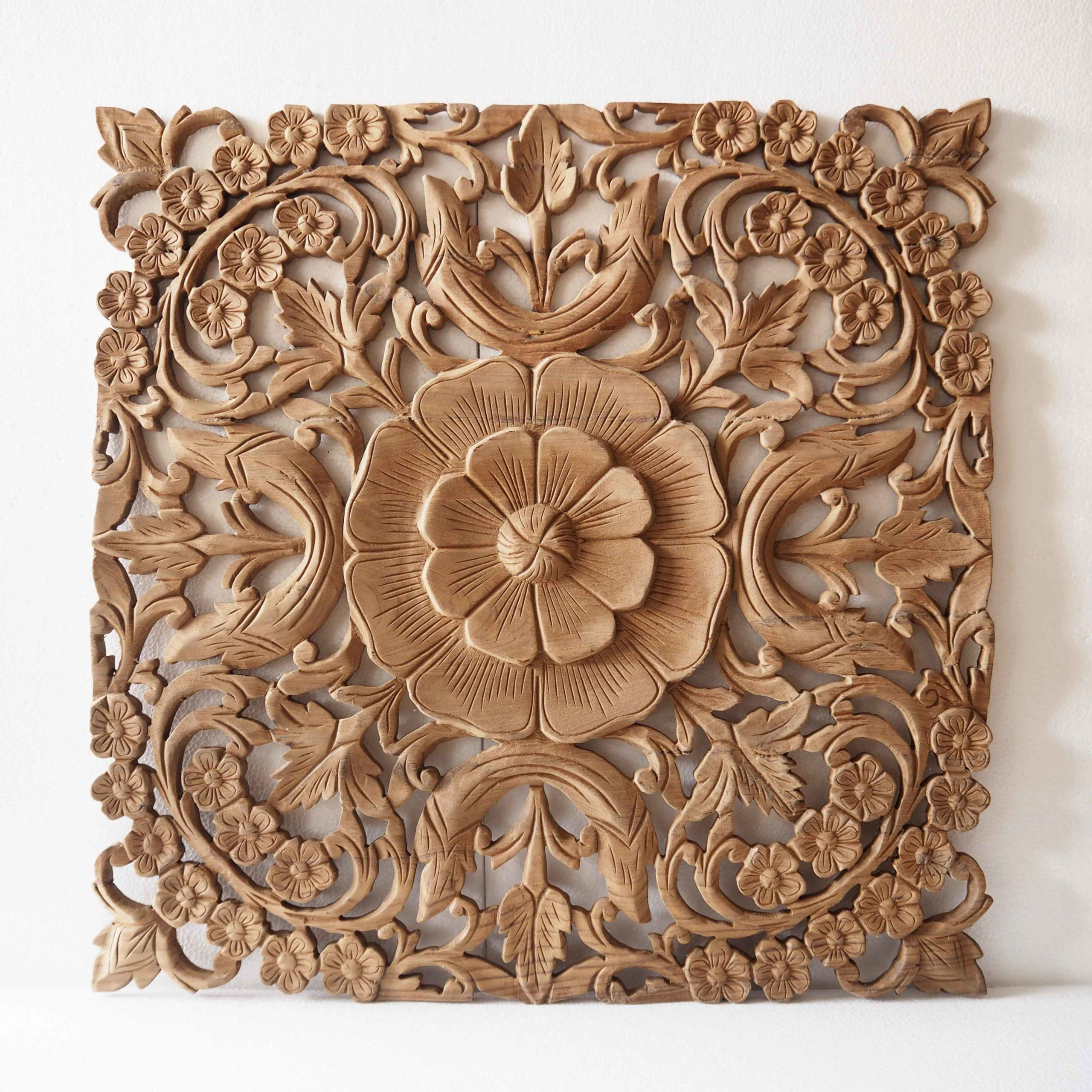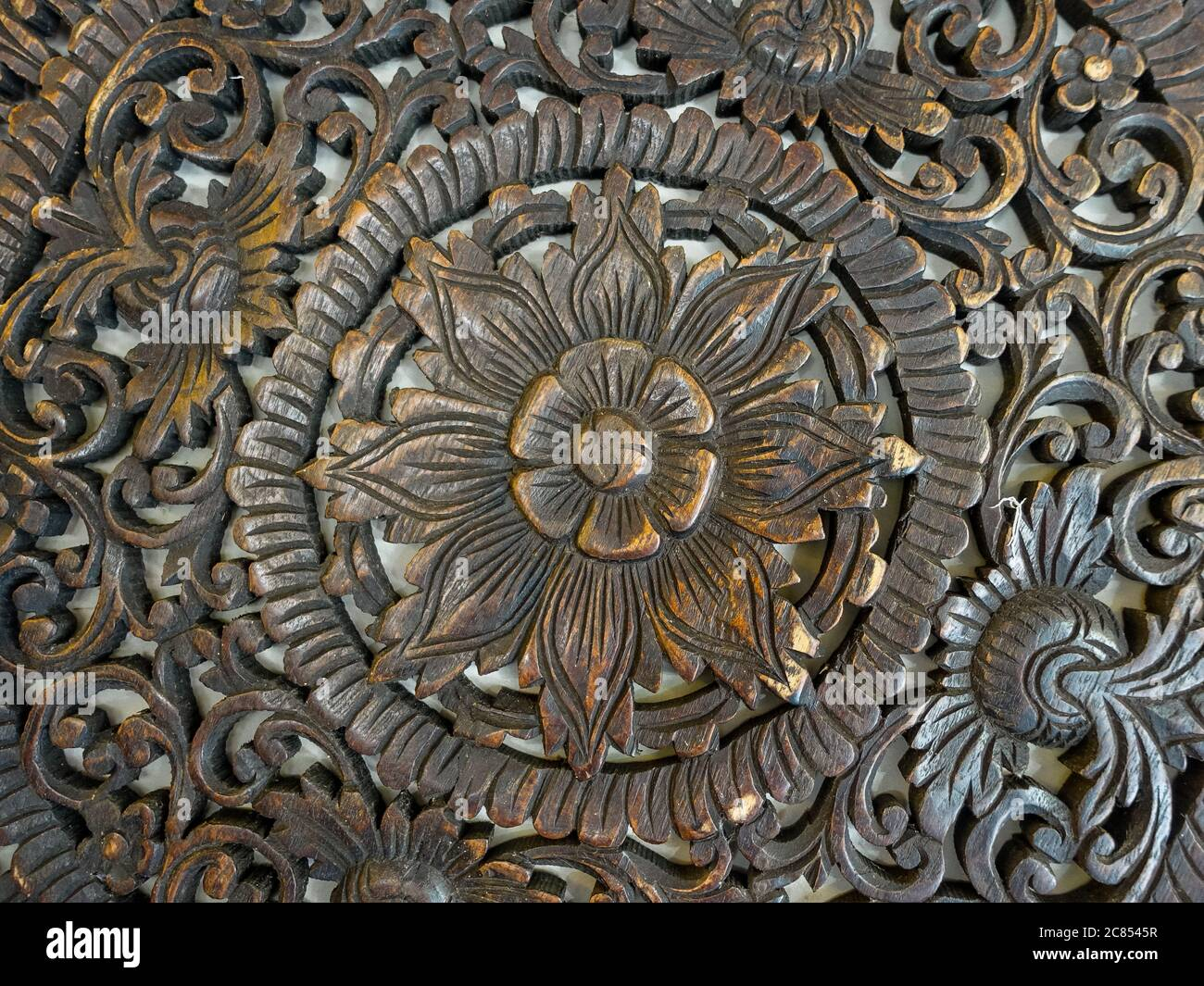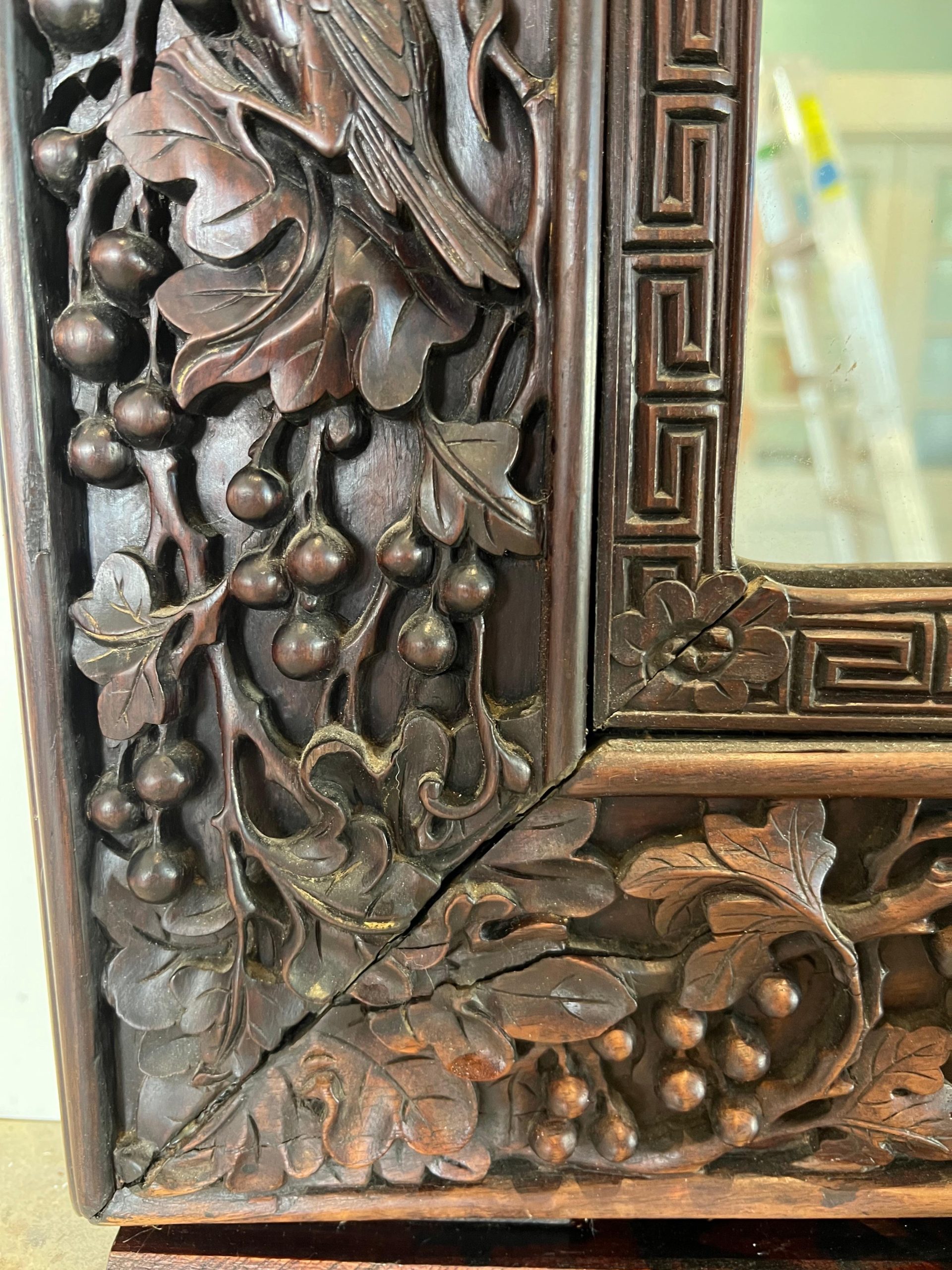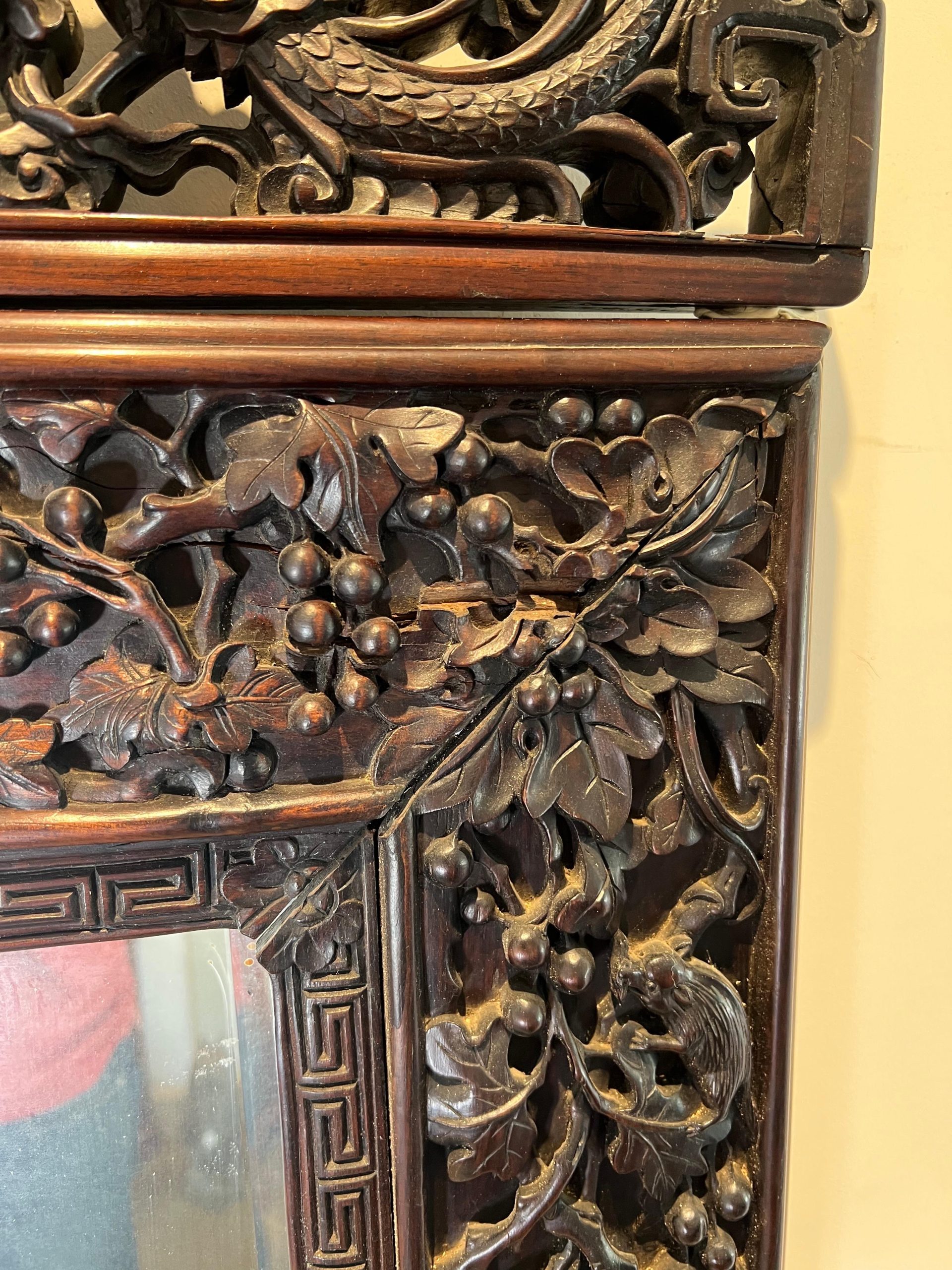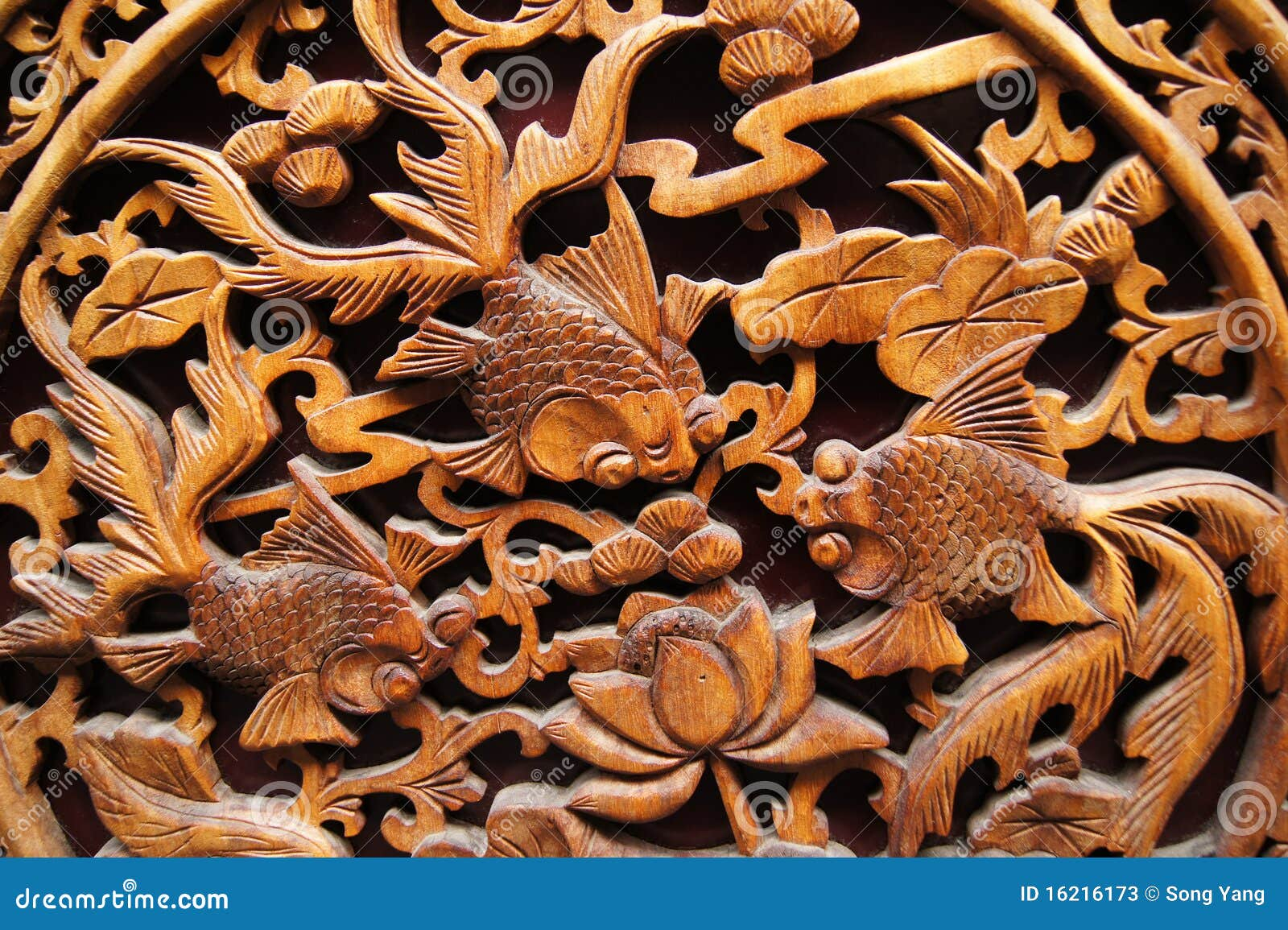
Imagine walking into a room where nature itself seems to breathe through intricate wood carvings. These aren’t just decorations – they’re windows into centuries of Chinese culture, philosophy, and artistic expression. Every delicate petal, every carefully carved leaf, tells a story that spans generations.
Chinese floral wood carving wall art represents one of the most cherished and enduring traditions in Asian craftsmanship. This ancient art form combines the precision of woodworking with the poetic beauty of nature, creating pieces that serve both aesthetic and spiritual purposes. What makes these artworks truly special isn’t just their visual appeal, but the deep cultural significance they carry. These masterpieces often grace the walls of homes, temples, and traditional buildings, serving as bridges between the earthly and divine realms. The process of creating them requires patience, skill, and an intimate understanding of both wood properties and cultural symbolism.
Historical Origins and Evolution
The roots of Chinese floral wood carving stretch back over two thousand years, with early examples found in archaeological sites across northern China. Initially, these carvings were simple representations used in religious contexts, but they gradually evolved into sophisticated decorative elements. During the Tang Dynasty, wood carving flourished as artisans began incorporating more complex designs and techniques. The Song Dynasty marked a pivotal moment when these arts became more accessible to common households rather than being exclusive to the elite. By the Ming and Qing dynasties, Chinese floral wood carving had reached its peak sophistication, with craftsmen developing specialized tools and methods that still influence contemporary artists today. The evolution reflects not just technical advancement, but also changing social values and aesthetic preferences throughout Chinese history.
Symbolic Meanings Behind Common Flowers
Each flower in Chinese wood carving carries specific cultural messages that resonate deeply with viewers. Peonies represent wealth and honor, making them popular choices for prosperous family homes. Plum blossoms symbolize resilience and perseverance, blooming even in harsh winter conditions. Chrysanthemums embody longevity and nobility, often featured during important celebrations. Orchids signify refinement and elegance, while peaches represent fertility and good fortune. Roses, though introduced later, have become symbols of love and romance in modern interpretations. The careful selection of flowers isn’t arbitrary – each choice reflects the artist’s intention and the intended recipient’s wishes. These symbolic meanings often work together in complex compositions, creating layered narratives that speak to multiple aspects of life and human experience.
Regional Variations and Local Styles
China’s vast geography has given rise to distinct regional styles of floral wood carving. Southern regions like Guangdong and Fujian favor delicate, detailed work with bright colors and intricate patterns. Northern styles tend to be more robust and bold, using heavier woods and simpler yet powerful designs. The Beijing style emphasizes symmetry and grandeur, often featuring imperial themes. Yunnan province showcases unique local flora with vibrant naturalistic approaches. Each region developed its own techniques based on available materials, climate conditions, and cultural influences. For instance, the bamboo carving tradition in southern provinces reflects the area’s abundant resources and philosophical emphasis on flexibility and strength. Regional variations also reflect local economic conditions and trade relationships, with some areas specializing in export-oriented pieces that showcase Chinese aesthetics to international markets.
Craftsmanship Techniques and Materials
Creating exceptional floral wood carving requires mastery of several fundamental techniques. Artists typically start with selecting the right wood species – paulownia, rosewood, and sandalwood are particularly prized for their grain patterns and workability. The carving process involves multiple stages including rough shaping, detailed carving, and finishing touches. Traditional tools include chisels, rasps, and specialized knives that have been refined over centuries. Modern artisans sometimes blend traditional methods with contemporary equipment to enhance precision while maintaining authenticity. The finishing process often includes natural oils and waxes that protect the wood while enhancing its natural beauty. Many craftsmen pass down their knowledge through apprenticeship systems, ensuring that techniques remain alive and evolving rather than static. The time investment is considerable – a single piece can take weeks or months to complete, depending on complexity and desired finish.
Spiritual and Philosophical Dimensions
Beyond their decorative function, Chinese floral wood carvings often serve spiritual purposes within Chinese culture. They frequently appear in Buddhist and Taoist contexts, representing harmony between humanity and nature. The concept of yin and yang can be seen in the balance between solid wood forms and negative space created by carving. Many pieces incorporate principles from feng shui, designed to bring positive energy into living spaces. The natural flow of branches and petals mirrors concepts of qi (life force) movement in traditional Chinese philosophy. Some carvings are specifically designed for meditation or contemplation, encouraging viewers to reflect on the transience of life and beauty. These works often serve as focal points for prayer or reflection, making them more than mere art objects – they’re spiritual companions that guide the viewer toward deeper understanding.
Modern Applications and Contemporary Relevance
Today, Chinese floral wood carving continues to evolve while maintaining its traditional essence. Contemporary artists experiment with new materials and hybrid techniques, creating pieces that speak to modern sensibilities while honoring classical traditions. These artworks now grace international galleries, museums, and private collections worldwide. Some modern interpretations blend traditional motifs with current design trends, appealing to younger audiences who appreciate cultural heritage. The craft has also found new applications in interior design, where these pieces serve as conversation starters and focal points in contemporary spaces. Educational programs teach traditional techniques alongside modern business skills, helping artisans reach global markets. This adaptation demonstrates the resilience and continued relevance of this ancient art form in our rapidly changing world. Many young craftspeople see themselves as guardians of cultural memory, ensuring that these beautiful traditions survive and thrive for future generations.
Chinese floral wood carving wall art stands as a testament to the enduring power of cultural expression. These remarkable pieces carry within them thousands of years of accumulated wisdom, artistic innovation, and spiritual insight. Whether adorning a traditional courtyard or a modern living room, each carving connects us to something larger than ourselves – a continuous thread of human creativity spanning millennia. The beauty of these works lies not just in their visual splendor, but in their ability to communicate across time and cultures. They remind us that true art transcends boundaries, speaking to universal human experiences of beauty, meaning, and connection. As we continue to navigate our modern world, these ancient crafts offer both grounding and inspiration, showing us how tradition and innovation can beautifully coexist.
[sps_html tag=”img” src=”https://cdn.theartssection.com/wp-content/uploads/2025/12/chinese-wood-carving-stock-image-image-of-exquisite-16216173-with-regard-to-the-history-and-craftsmanship-of-chinese-floral-carving-wall-decorations.jpg” alt=”Chinese Wood Carving Stock Image. Image Of Exquisite - 16216173 with regard to The History and Craftsmanship of Chinese Floral Carving Wall Decorations” style=”width: 100%; height: auto;”]
[sps_html tag=”img” src=”https://cdn.theartssection.com/wp-content/uploads/2025/12/large-19th-century-chinese-carved-rosewood-mirror-for-sale-at-1stdibs-for-chinese-vintage-restored-wood-flower-carving-wall-hanging-art-plaque-hws1691-scaled.jpg” alt=”Large 19Th Century Chinese Carved Rosewood Mirror For Sale At 1Stdibs for Chinese Vintage Restored Wood Flower Carving Wall Hanging Art Plaque Hws1691″ style=”width: 100%; height: auto;”]
[sps_html tag=”img” src=”https://cdn.theartssection.com/wp-content/uploads/2025/12/carved-wood-wall-art-intricate-floral-design-for-chinese-vintage-restored-wood-flower-carving-wall-hanging-art-plaque-hws1691.jpg” alt=”Carved Wood Wall Art: Intricate Floral Design for Chinese Vintage Restored Wood Flower Carving Wall Hanging Art Plaque Hws1691″ style=”width: 100%; height: auto;”]
[sps_html tag=”img” src=”https://cdn.theartssection.com/wp-content/uploads/2025/12/large-19th-century-chinese-carved-rosewood-mirror-for-sale-at-1stdibs-in-chinese-vintage-restored-wood-flower-carving-wall-hanging-art-plaque-hws1691-scaled.jpg” alt=”Large 19Th Century Chinese Carved Rosewood Mirror For Sale At 1Stdibs in Chinese Vintage Restored Wood Flower Carving Wall Hanging Art Plaque Hws1691″ style=”width: 100%; height: auto;”]
[sps_html tag=”img” src=”https://cdn.theartssection.com/wp-content/uploads/2025/12/asia-asia-carvings-carvings-regarding-chinese-vintage-restored-wood-flower-carving-wall-hanging-art-plaque-hws1691.jpg” alt=”Asia Asia Carvings Carvings regarding Chinese Vintage Restored Wood Flower Carving Wall Hanging Art Plaque Hws1691″ style=”width: 100%; height: auto;”]