Wall art isn’t just about decoration anymore. It’s become a powerful tool for expressing personality, mood, and style. In recent years, companies like ChiChi Decor have been pushing boundaries in abstract wall art design, creating pieces that do more than just look good. They transform entire rooms, spark conversations, and create emotional connections between people and their spaces.
When you think about abstract wall art, you might picture colorful splashes of paint or geometric shapes floating on canvas. But modern designers are taking this concept much further. ChiChi Decor stands out in this field because they don’t just create pretty pictures. They craft experiences. Their approach to abstract wall art design combines artistic vision with practical application, making every piece feel alive and purposeful. What makes their work special isn’t just the aesthetic appeal – it’s how they understand the psychology behind visual impact and spatial relationships.
Breaking Traditional Boundaries
Traditional abstract art often stays within the confines of canvas or paper. ChiChi Decor challenges this norm by experimenting with unconventional materials and formats. Their designs might incorporate metallic elements, textured surfaces, or even interactive components that change appearance based on lighting conditions.
Consider their signature "layered dimension" series. Instead of flat paintings, these pieces appear to float above the wall, creating depth and movement that draws viewers into the artwork itself. The company’s designers spend months researching how light interacts with different textures and materials to achieve these effects.
This approach speaks to people who want their homes to feel dynamic rather than static. It’s not just about looking at art – it’s about experiencing it. The pieces seem to breathe and shift depending on the time of day or season, making them feel like living elements in the room.
Psychological Impact of Color and Form
Abstract art works best when it resonates emotionally with viewers. ChiChi Decor understands this deeply, using color psychology and form theory to create pieces that influence mood and atmosphere. Their color palette selections aren’t arbitrary – each hue is chosen based on its psychological effect on human behavior.
Take their "emotional spectrum" collection, for example. This series uses carefully selected colors to evoke specific feelings: blues for calmness, oranges for energy, purples for creativity. But they don’t stop there. The forms themselves are designed to guide the eye in particular ways. Curved lines tend to create feelings of comfort and flow, while angular shapes might suggest energy and excitement.
What’s fascinating is how these subtle choices affect daily life. People report feeling more relaxed in rooms with certain ChiChi Decor pieces, while others find they’re more productive in spaces featuring their energizing color combinations. The company’s designers work closely with psychologists and interior designers to ensure their creations have the intended emotional impact.
Integration with Modern Living Spaces
Today’s homes demand flexibility and functionality. ChiChi Decor recognizes this need and builds adaptability directly into their designs. Their abstract wall art isn’t just decorative – it serves as a focal point that can anchor different room layouts.
Their modular systems allow customers to rearrange pieces according to changing needs. A large abstract composition can become a conversation starter in a living room one moment, then transform into a gallery wall in a home office the next. This versatility appeals to people who live in smaller spaces or frequently redecorate.
The company also considers how their pieces interact with technology. Some designs include LED elements that can be programmed to change colors or patterns. These aren’t just gimmicks – they’re functional features that enhance the user experience. For instance, a piece might dim during evening hours to create a calming atmosphere, or brighten to energize a workspace.
This integration shows how abstract art can evolve with modern lifestyles, rather than being left behind by technological progress.
Sustainable Materials and Practices
Environmental consciousness has become increasingly important in design circles. ChiChi Decor addresses this concern by using sustainable materials and production methods. Their commitment goes beyond just eco-friendly choices – they focus on longevity and durability.
Many of their pieces are made from recycled materials or repurposed components that would otherwise end up in landfills. They’ve developed innovative techniques for working with reclaimed wood, recycled metals, and even bio-based paints that don’t compromise quality or aesthetics.
One particularly impressive project involved creating a large-scale abstract installation using salvaged industrial materials. The resulting piece was both visually striking and environmentally responsible. Customers appreciate knowing their art contributes positively to environmental health rather than harming it.
The company’s approach demonstrates that sustainability and beauty don’t have to be mutually exclusive. In fact, they can reinforce each other when thoughtfully implemented.
Customization and Personal Connection
Mass-produced art often feels generic, but ChiChi Decor offers extensive customization options that make each piece uniquely personal. Their process involves deep consultation with clients to understand their lifestyle, preferences, and emotional needs.
Clients might specify certain colors that remind them of childhood memories, or request forms that represent significant life events. The company’s artists translate these personal elements into abstract compositions that feel authentically individual.
A common scenario involves families commissioning pieces that reflect their shared history. One client wanted a wall art piece that incorporated the shapes of their children’s handprints, transformed into abstract forms that told their family story. The result was both beautiful and deeply meaningful.
This personalized approach creates stronger emotional bonds between people and their environments. When someone sees a piece that reflects their own experiences or values, it becomes more than decoration – it becomes part of their identity.
Community and Cultural Influence
Abstract art has always been a reflection of cultural movements and social changes. ChiChi Decor actively engages with contemporary culture, incorporating current trends and global influences into their work. Their pieces often feature elements inspired by diverse artistic traditions, creating bridges between different cultural expressions.
The company regularly collaborates with local artists and community groups, ensuring their designs remain relevant to contemporary audiences. These partnerships often lead to innovative concepts that might never have emerged from a traditional studio environment alone.
They also participate in public art installations that bring their abstract vision to broader communities. These projects demonstrate how individual pieces can contribute to larger social conversations about creativity, accessibility, and cultural expression.
What’s particularly interesting is how their work influences other designers and artists. Many professionals now reference ChiChi Decor’s approach when developing their own abstract compositions, showing the ripple effect of innovative design thinking.
ChiChi Decor’s approach to abstract wall art design represents more than just a business model – it’s a philosophy about how art should function in our daily lives. By combining psychological understanding, sustainable practices, and deep personal connection, they’ve created a new standard for what abstract art can achieve. Their work proves that beautiful design doesn’t have to come at the cost of functionality or environmental responsibility. Instead, it can enhance all aspects of our living spaces while respecting both our emotional needs and our planet’s future. As we continue to navigate changing lifestyles and increasing environmental awareness, companies like ChiChi Decor show us that innovation in design can be both inspiring and sustainable.
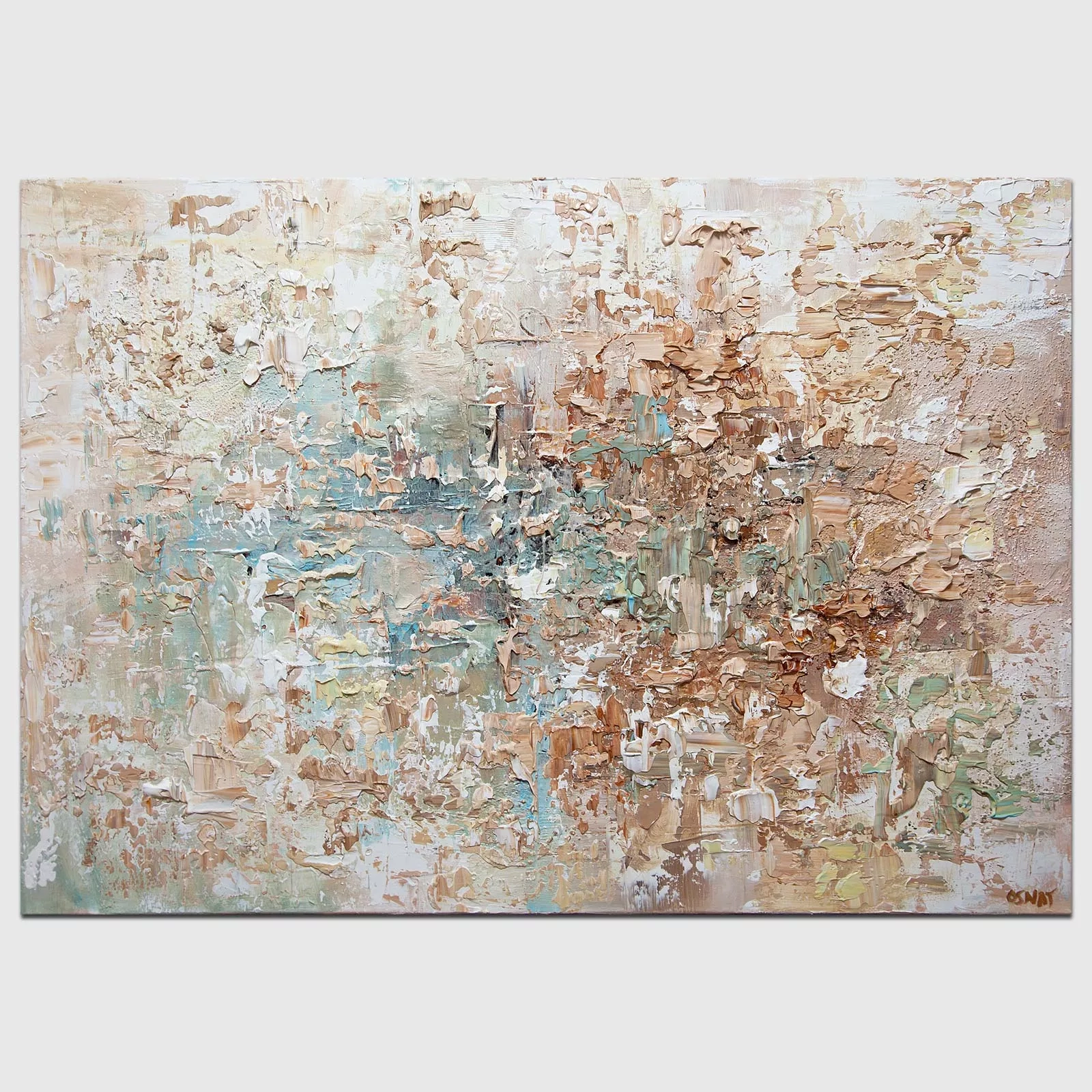
[sps_html tag=”img” src=”https://cdn.theartssection.com/wp-content/uploads/2025/12/neutral-abstract-art-on-canvas-pastel-abstract-painting-pertaining-to-understanding-the-artistic-language-of-abstract-neutral-cxliii-ii-series.webp” alt=”Neutral Abstract Art On Canvas Pastel Abstract Painting pertaining to Understanding the Artistic Language of Abstract Neutral CXLIII-II Series” style=”width: 100%; height: auto;”]
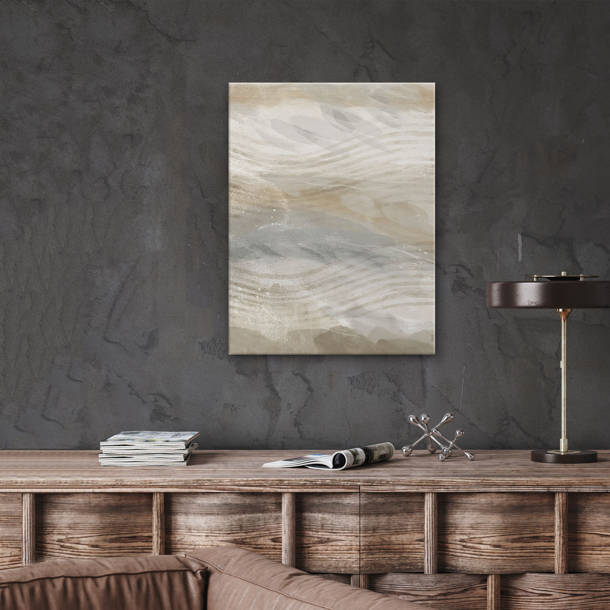
[sps_html tag=”img” src=”https://cdn.theartssection.com/wp-content/uploads/2025/12/trent-austin-design-wautoma-abstract-neutral-cxlix-by-chichi-decor-with-understanding-the-artistic-language-of-abstract-neutral-cxliii-ii-series.jpg” alt=”Trent Austin Design® Wautoma " Abstract Neutral Cxlix " By Chichi Decor … with Understanding the Artistic Language of Abstract Neutral CXLIII-II Series” style=”width: 100%; height: auto;”]
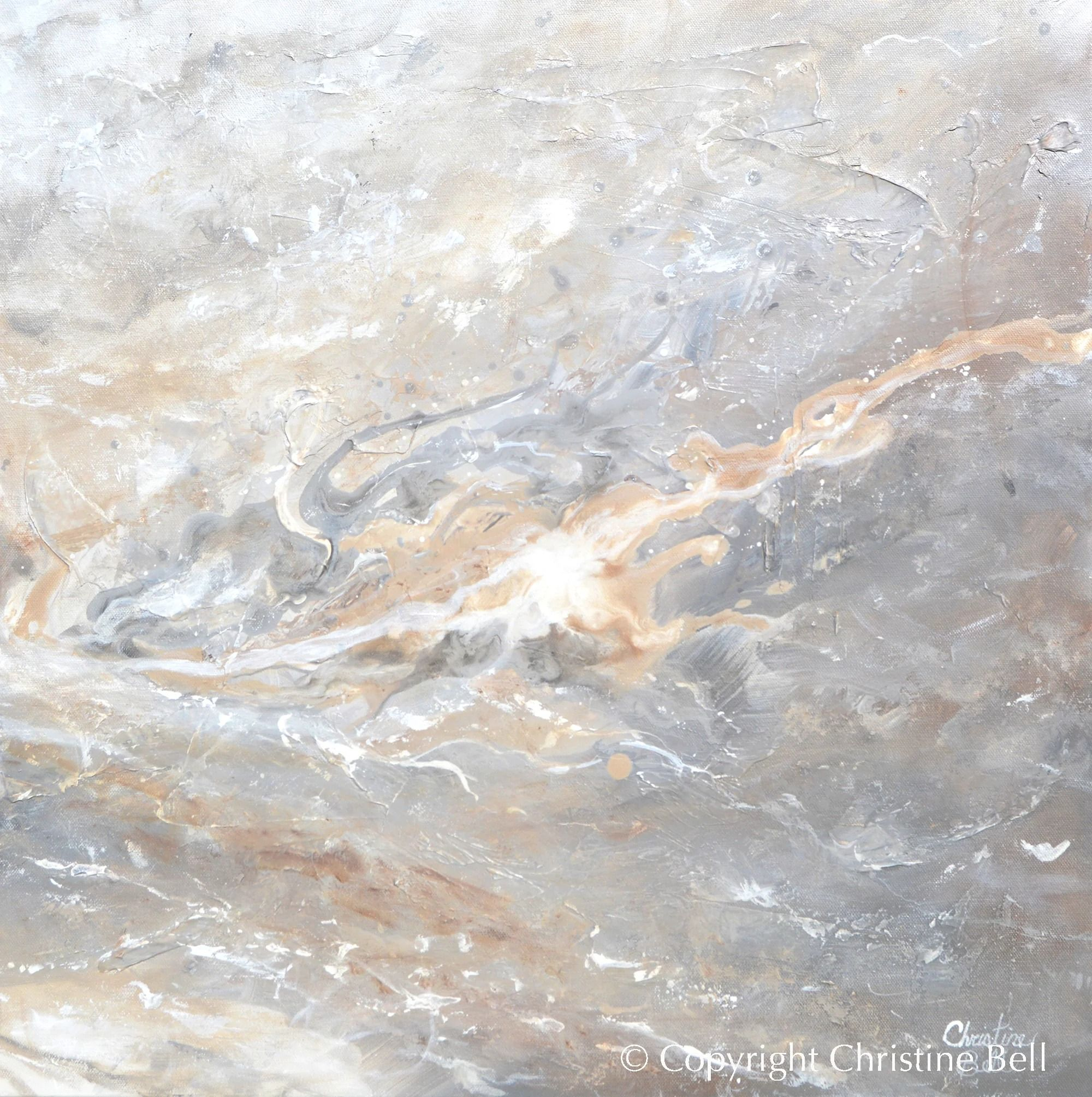
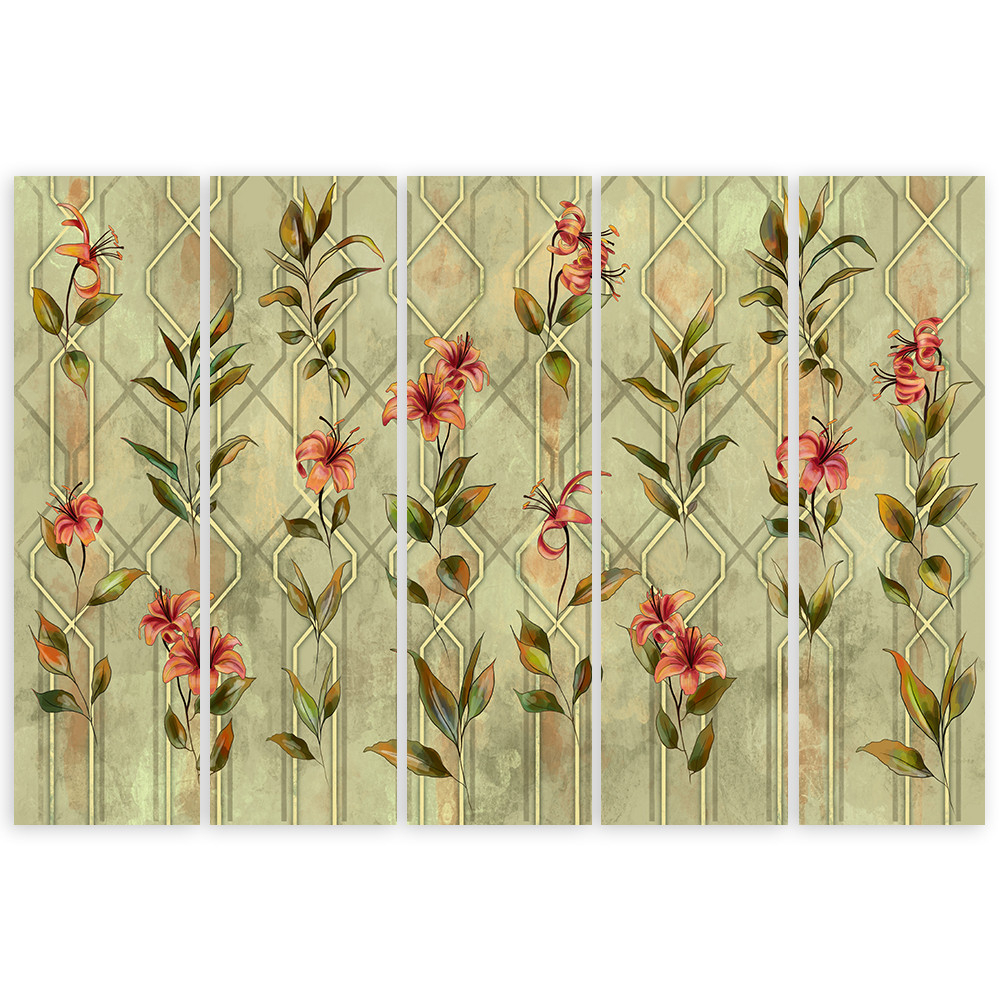
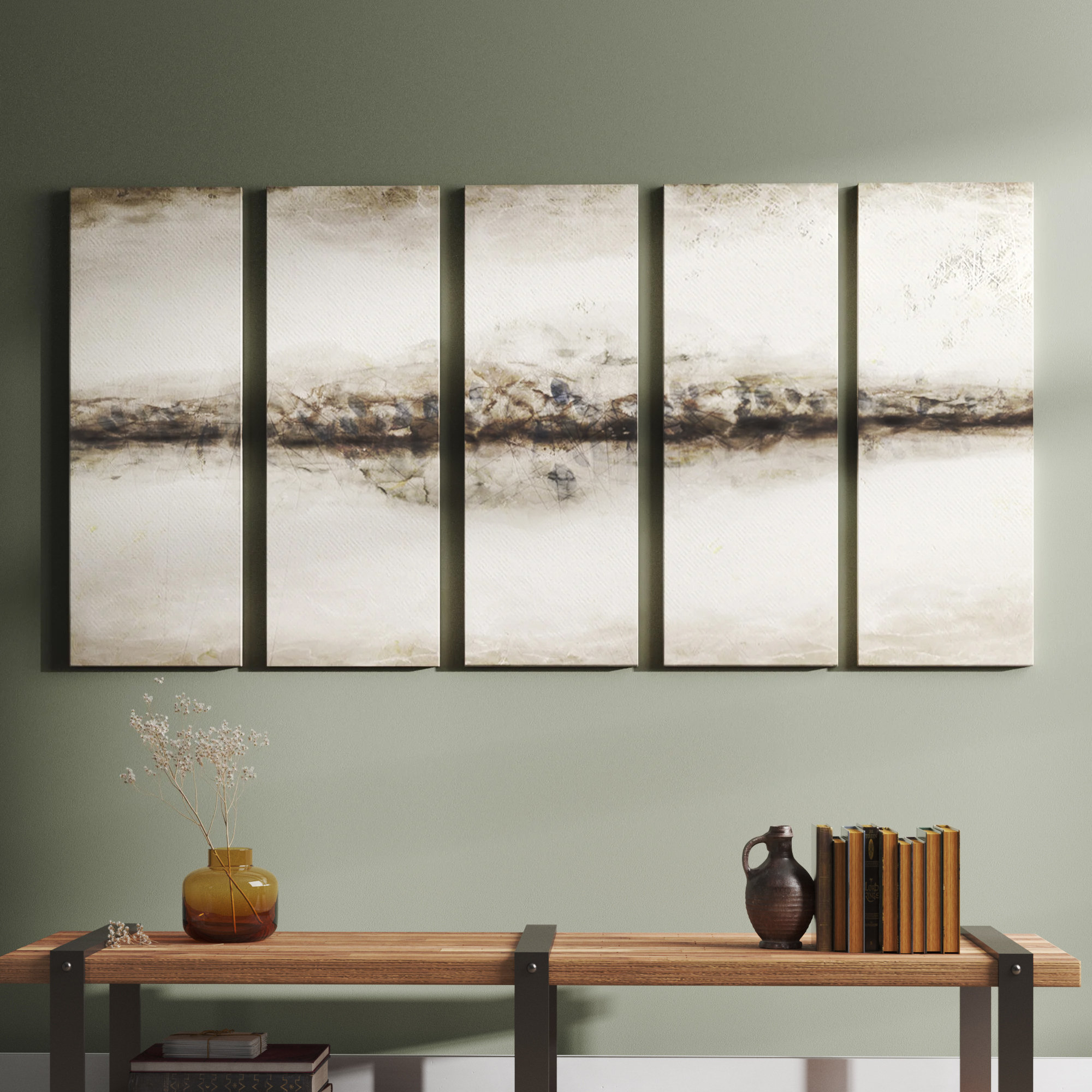
[sps_html tag=”img” src=”https://cdn.theartssection.com/wp-content/uploads/2025/12/trent-austin-design-wautoma-abstract-neutral-cxliii-ii-by-chichi-decor-with-abstract-neutral-cxliii-ii-5-piece-wrapped-canvas-wall-art-by-chichi-decor.jpg” alt=”Trent Austin Design® Wautoma Abstract Neutral Cxliii-Ii By Chichi Decor … with Abstract Neutral Cxliii-Ii' 5-Piece Wrapped Canvas Wall Art By Chichi Decor” style=”width: 100%; height: auto;”]
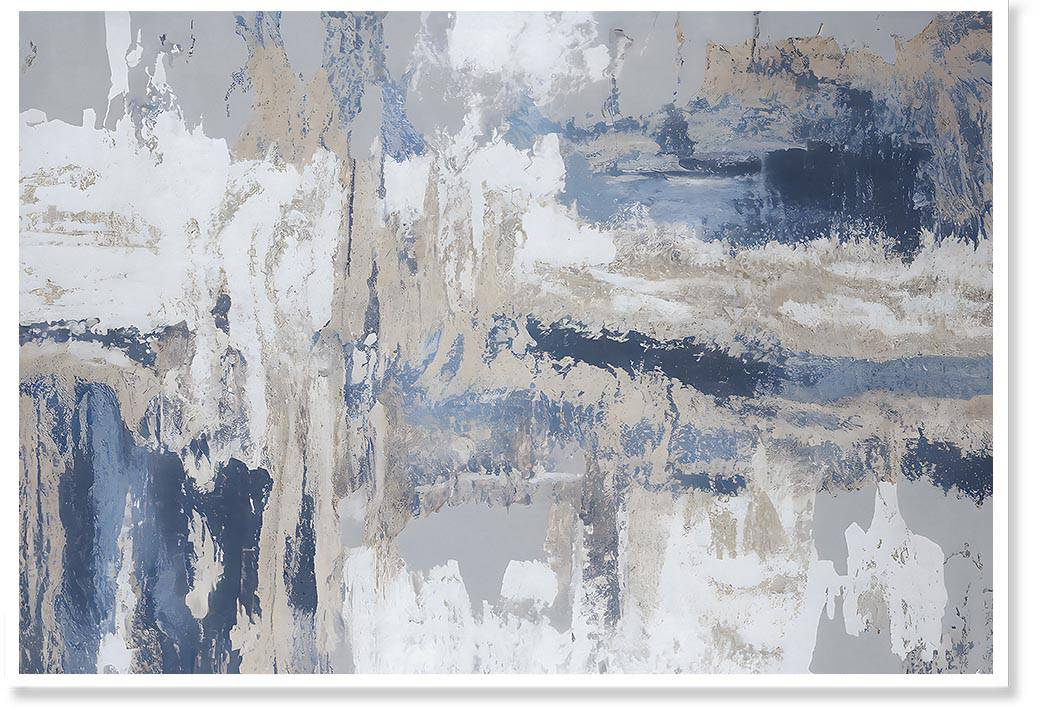
[sps_html tag=”img” src=”https://cdn.theartssection.com/wp-content/uploads/2025/12/original-textured-abstract-neutral-painting-quartz-minimalist-wall-art-regarding-abstract-neutral-cxliii-ii-5-piece-wrapped-canvas-wall-art-by-chichi-decor.jpg” alt=”Original Textured Abstract Neutral Painting Quartz Minimalist Wall Art … regarding Abstract Neutral Cxliii-Ii' 5-Piece Wrapped Canvas Wall Art By Chichi Decor” style=”width: 100%; height: auto;”]
[sps_html tag=”img” src=”https://cdn.theartssection.com/wp-content/uploads/2025/12/neutral-abstracts-ii-within-understanding-the-artistic-language-of-abstract-neutral-cxliii-ii-series.jpg” alt=”Neutral Abstracts Ii within Understanding the Artistic Language of Abstract Neutral CXLIII-II Series” style=”width: 100%; height: auto;”]