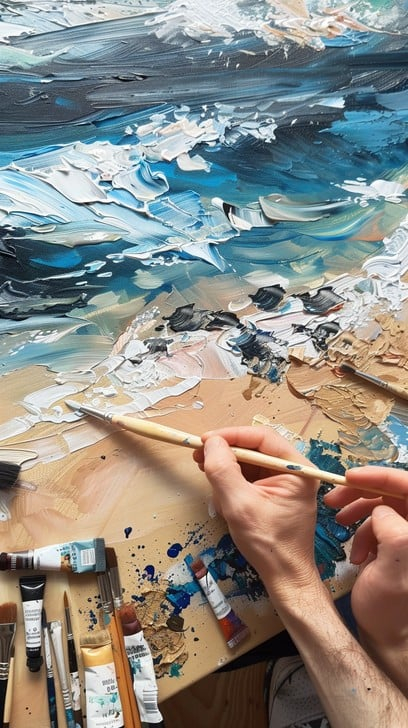
Imagine diving into crystal-clear waters and discovering a treasure trove of natural artistry waiting to be unearthed. From ancient coral formations to mysterious sea creatures, the ocean holds countless artistic wonders that inspire creators around the world. This isn’t just about finding pretty shells or colorful rocks – it’s about understanding how nature itself becomes a canvas for human creativity.
When we think of treasure, we often picture gold coins or precious gems. But there’s another kind of treasure hidden beneath the waves that speaks to our deepest creative instincts. The ocean’s depths hold a vast collection of natural artifacts that artists, collectors, and enthusiasts have been transforming into extraordinary works of art for decades. These aren’t just pretty objects – they’re the result of millions of years of natural processes creating beauty that defies explanation. Every piece tells a story of the ocean’s ancient mysteries and its ongoing evolution.
Natural Artistry from the Deep
The ocean’s treasures come in forms that would seem impossible in a laboratory. Consider a perfectly formed seashell that looks like it was carved by an artist’s finest chisel. Or a piece of coral that resembles a delicate sculpture, with branches reaching out like abstract art. These natural creations aren’t random – they’re the result of complex biological and geological processes that have been happening since Earth first formed.
The most stunning ocean treasures often appear in unexpected places. A simple sand dollar might look like a masterpiece when viewed under the right light. A piece of driftwood, weathered by salt and time, can become the foundation for an entire artistic composition. The ocean doesn’t just provide raw materials – it provides inspiration that sparks creativity in ways we never imagined possible.
What makes these treasures so special? It’s not just their appearance. It’s the story they carry. Each piece has traveled thousands of miles, survived storms and currents, and emerged transformed by the elements. They’ve witnessed the passage of time in ways that no human-made object could ever replicate.
The Artistic Process Behind Ocean Treasures
Transforming ocean finds into art isn’t just about collecting pretty things. It’s about understanding each piece’s unique characteristics and how they can work together to create something greater than the sum of their parts. Artists study the natural patterns, colors, and textures of each find before deciding how to incorporate them into their larger vision.
Some creators focus on minimalism, letting a single magnificent piece speak for itself. Others build elaborate compositions using dozens of different materials. The key is recognizing that every ocean treasure has its own personality and energy that must be respected and enhanced rather than dominated.
Consider how a piece of sea glass might be paired with a small piece of driftwood to create a scene that evokes a beach sunset. Or how a cluster of shells might form the base for a sculpture that represents the movement of waves. The process involves patience, observation, and deep respect for the natural origins of each element.
Many artists spend months or even years working with their ocean treasures, watching them change color naturally over time. Some pieces develop subtle hues that weren’t visible when first discovered. This slow transformation adds layers of complexity to the final artwork.
Cultural Significance and Historical Context
Ocean treasures have played important roles in human culture across all civilizations. Ancient peoples used shells, pearls, and other marine finds as currency, religious symbols, and decorative items. The tradition of finding beauty in ocean artifacts spans millennia, connecting us to our ancestors who also saw wonder in what the sea provided.
In many cultures, specific ocean treasures carry deep symbolic meaning. The conch shell represents power and authority in some traditions, while certain types of shells symbolize fertility or protection. These meanings add layers of cultural significance to the artistic interpretations created today.
Historically, ocean treasures were often rare and expensive. Only the wealthy could afford to collect and display such items. Today, thanks to increased access to ocean exploration and conservation efforts, more people can appreciate these natural artworks. This democratization of ocean art has led to new forms of expression and creativity.
The historical connection between ocean treasures and human creativity continues to evolve. Modern artists draw inspiration from ancient practices while adding contemporary techniques and perspectives to create fresh interpretations of timeless themes.
Sustainable Collection Practices
As interest in ocean treasure artistry grows, so does the responsibility to collect responsibly. Many artists now focus on finding items that have already washed ashore, ensuring that their creative process doesn’t harm living marine ecosystems. This approach respects both the environment and the natural processes that create these treasures.
Sustainable collection practices involve several key principles. First, always leave living organisms behind – whether that’s live coral, sea anemones, or other creatures that may still be active. Second, avoid disturbing habitats or removing items from protected areas. Third, focus on finding naturally occurring debris that has already separated from its original location.
Some artists even participate in beach clean-up efforts, turning environmental activism into artistic practice. They collect debris that would otherwise pollute the ocean while simultaneously gathering materials for their creative projects. This dual purpose creates a powerful message about environmental stewardship.
The concept of sustainable ocean artistry extends beyond just collection methods. It includes considering the lifecycle of each piece, from discovery to final presentation, and ensuring that the creative process supports rather than harms marine environments.
Modern Techniques and Technology
Today’s ocean treasure artists benefit from advances in technology that enhance both their ability to discover and to create. Underwater cameras and lighting systems allow artists to document discoveries in unprecedented detail. These tools help capture the true colors and textures of ocean finds that might otherwise be lost in poor lighting conditions.
Digital photography and 3D scanning technologies have revolutionized how artists preserve and share their work. Some creators now build virtual galleries where viewers can explore ocean treasure collections from anywhere in the world. This technology bridges the gap between physical and digital art worlds.
New preservation techniques help maintain the integrity of ocean treasures over time. Special coatings and storage methods protect fragile pieces from environmental damage while preserving their natural beauty. These innovations ensure that ocean art can be enjoyed for generations.
Social media platforms have also transformed how ocean treasure artistry is shared and appreciated. Artists can showcase their work instantly with global audiences, inspiring others to seek out their own ocean treasures. This connectivity has created a worldwide community of ocean art enthusiasts.
The Future of Ocean Treasure Artistry
Looking ahead, ocean treasure artistry shows tremendous potential for growth and innovation. As climate change affects ocean ecosystems, new types of treasures may emerge, creating fresh opportunities for artistic interpretation. Rising sea levels and changing currents might bring previously unseen materials to shorelines.
Educational programs focused on ocean artistry are growing rapidly, introducing young people to the intersection of science and creativity. These programs teach students about marine biology while encouraging artistic expression through ocean materials. The combination of learning and creation makes ocean artistry an engaging way to connect with environmental issues.
Technology will continue to play an increasingly important role. Virtual reality experiences might one day allow people to dive into underwater art galleries without leaving their homes. Artificial intelligence could help artists identify and categorize ocean treasures more efficiently.
The future of ocean treasure artistry lies in its ability to adapt and grow while maintaining its core values. As long as artists remain committed to responsible collection practices and environmental awareness, this form of art will continue to flourish. The ocean’s endless supply of natural treasures ensures that creativity will always have new material to work with.
Ocean treasure artistry represents a beautiful convergence of natural wonder and human creativity. It reminds us that the most extraordinary art often comes from the simplest sources – the ocean’s endless bounty of naturally occurring beauty. Whether you’re a seasoned artist or someone who simply enjoys discovering interesting objects on the beach, there’s something deeply satisfying about connecting with the ocean’s artistic legacy.
The journey from finding a treasure to creating art with it is filled with discovery, patience, and appreciation for the natural world. Each piece carries stories of ancient seas, powerful currents, and the patient work of geological forces. When we create art from ocean treasures, we’re not just making beautiful objects – we’re participating in a tradition that spans thousands of years.
This form of artistic expression offers a unique way to connect with the environment while celebrating the incredible diversity of life beneath the waves. As we continue to explore and understand our oceans better, the possibilities for ocean treasure artistry will only expand. The next time you find yourself at the water’s edge, remember that you might be standing on the threshold of your own artistic adventure.
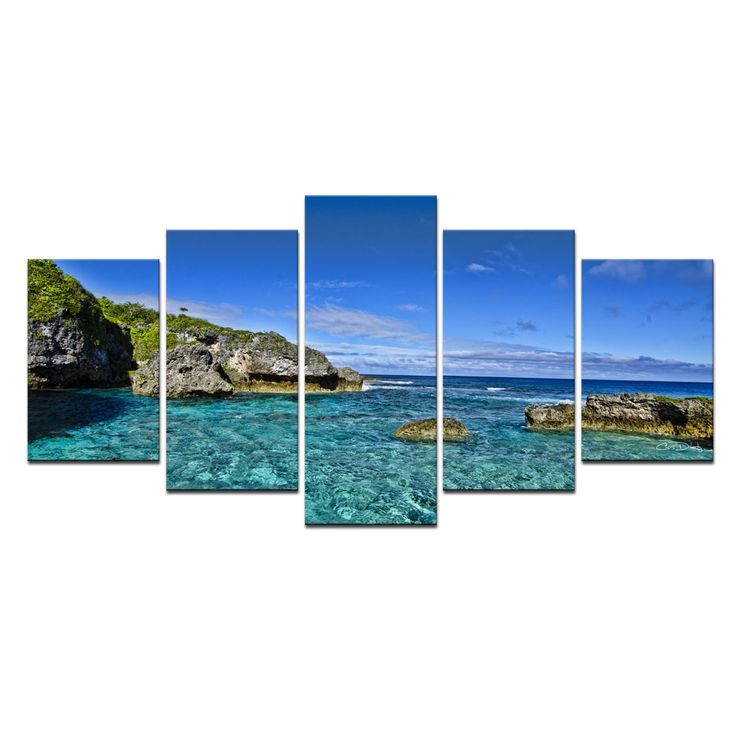
[sps_html tag=”img” src=”https://cdn.theartssection.com/wp-content/uploads/2025/12/oceanic-art-and-architecture-characteristics-examples-history-with-ready2hangart-ocean-treasure-by-norman-wyatt-jr-5-piece-canvas-art-set.jpg” alt=”Oceanic Art And Architecture | Characteristics, Examples, & History … with Ready2Hangart 'Ocean Treasure' By Norman Wyatt, Jr 5 Piece Canvas Art Set” style=”width: 100%; height: auto;”]
[sps_html tag=”img” src=”https://cdn.theartssection.com/wp-content/uploads/2025/12/the-enchanting-tikis-of-oceanic-arts-disney-history-101-with-ready2hangart-ocean-treasure-by-norman-wyatt-jr-5-piece-canvas-art-set.jpeg” alt=”"The Enchanting Tikis Of Oceanic Arts" — Disney History 101 with Ready2Hangart 'Ocean Treasure' By Norman Wyatt, Jr 5 Piece Canvas Art Set” style=”width: 100%; height: auto;”]
[sps_html tag=”img” src=”https://cdn.theartssection.com/wp-content/uploads/2025/12/ym-oceanic-culture-art-museum-e999bde6988ee6b5b7e6b48be69687e58c96e8979de8a193e9a4a8-youtube-with-ready2hangart-ocean-treasure-by-norman-wyatt-jr-5-pi.jpg” alt=”Ym Oceanic Culture & Art Museum / 陽明海洋文化藝術館 - Youtube with Ready2Hangart 'Ocean Treasure' By Norman Wyatt, Jr 5 Piece Canvas Art Set” style=”width: 100%; height: auto;”]
[sps_html tag=”img” src=”https://cdn.theartssection.com/wp-content/uploads/2025/12/cultural-identity-our-greatest-asset-oceanic-art-society-throughout-artistic-expression-meets-oceanic-heritage-in-ready2hangart.jpg” alt=”Cultural Identity, Our Greatest Asset | Oceanic Art Society throughout Artistic Expression Meets Oceanic Heritage in Ready2Hangart” style=”width: 100%; height: auto;”]
[sps_html tag=”img” src=”https://cdn.theartssection.com/wp-content/uploads/2025/12/free-artistic-creation-unfolding-photo-art-painting-canvas-in-artistic-expression-meets-oceanic-heritage-in-ready2hangart.jpg” alt=”Free Artistic Creation Unfolding Photo - Art, Painting, Canvas … in Artistic Expression Meets Oceanic Heritage in Ready2Hangart” style=”width: 100%; height: auto;”]