In a world that never seems to slow down, we all crave moments of peace. What if I told you that the simple act of creating something beautiful could be the key to finding that inner calm? From painting to pottery, from writing to gardening, peaceful artistic expression offers a sanctuary for the soul. It’s not just about making pretty things – it’s about discovering a pathway to tranquility that’s deeply personal and profoundly healing.
Have you ever found yourself completely absorbed in a creative activity, losing track of time and worries? That feeling – when the world fades away and only the present moment matters – is what makes peaceful artistic expression so powerful. Whether you’re someone who’s always been drawn to art or someone who’s never picked up a brush, the journey toward inner calm through creativity might be simpler than you think. This isn’t about becoming a master artist or producing gallery-worthy pieces. It’s about embracing the process itself, the gentle rhythm of creation that can quiet even the most restless mind.
The Science Behind Creative Calm
What happens in our brains when we engage in peaceful artistic activities? Research shows that creative pursuits activate the parasympathetic nervous system – that’s the part responsible for rest and relaxation. When you’re drawing, painting, or crafting, your body shifts from fight-or-flight mode to a state of calm awareness. This biological response explains why many people report feeling more centered after spending time in creative spaces.
Studies have found that just 15 minutes of artistic activity can significantly reduce cortisol levels, the hormone associated with stress. The repetitive motions involved in many peaceful creative activities – like kneading clay, stitching, or coloring – trigger what scientists call ‘flow states.’ In these moments, your attention becomes fully absorbed in the task at hand, leaving little room for anxious thoughts or negative emotions.
Consider this: when you’re focused on mixing colors, you’re not thinking about deadlines or financial worries. When you’re carefully placing each bead, your mind settles into a rhythm that’s both meditative and satisfying. It’s not magic – it’s neuroscience working in your favor.
Simple Creative Practices for Daily Calm
You don’t need expensive materials or hours of practice to start experiencing the calming effects of artistic expression. Here are some easy ways to incorporate peaceful creativity into your daily routine:
• Coloring books: Adult coloring has become incredibly popular for good reason. The simple act of choosing colors and filling in patterns engages your brain in a way that promotes relaxation. No pressure to create something perfect – just enjoy the process.
• Mindful journaling: Writing down your thoughts, dreams, or even random observations can be deeply therapeutic. You don’t have to be a poet or novelist. Just let your pen move across paper freely. The act of putting thoughts into words helps organize them in your mind.
• Gardening: There’s something inherently soothing about nurturing plants. Even a small pot of herbs on your windowsill can provide daily moments of calm. The physical act of tending to living things creates a connection between your inner world and the natural rhythms around you.
• Crafting with recycled materials: Using old items to create something new gives you a sense of accomplishment while being environmentally conscious. Paper quilling, fabric scraps, or cardboard sculptures all offer creative outlets without adding to clutter.
These activities work because they give you space to be present, to focus on something other than your stressors, and to experience the satisfaction that comes from completing a small creative task.
Art as Emotional Release
Sometimes our emotions feel too big to handle, too overwhelming to put into words. Art provides a safe container for these feelings. When you can’t express what’s inside through conversation, creating something visual or tactile can be incredibly liberating.
Think about how you might feel after a difficult day. Instead of sitting with those heavy feelings, try expressing them through art. Maybe you paint angry reds and dark blues to represent frustration, or create a collage of magazine cutouts that represent your current mood. You’re not trying to make something beautiful – you’re allowing yourself to feel and process through the creative act.
Many therapists use art therapy techniques because they recognize that creative expression bypasses the analytical mind and speaks directly to the emotional center. This is particularly helpful for people who struggle with traditional talk therapy or who carry trauma that feels hard to verbalize. The beauty of artistic expression is that it works whether you’re an experienced creator or someone who hasn’t picked up a paintbrush since childhood.
The process of creating something that reflects your inner state can be cathartic. You might discover patterns in your emotions, or gain clarity about what’s really bothering you. Sometimes, simply looking at what you’ve created afterward can provide insights you didn’t expect.
Building Consistent Creative Habits
Making artistic expression a regular part of your life takes some planning, but it doesn’t have to be complicated. Start with small, manageable steps that fit naturally into your existing schedule.
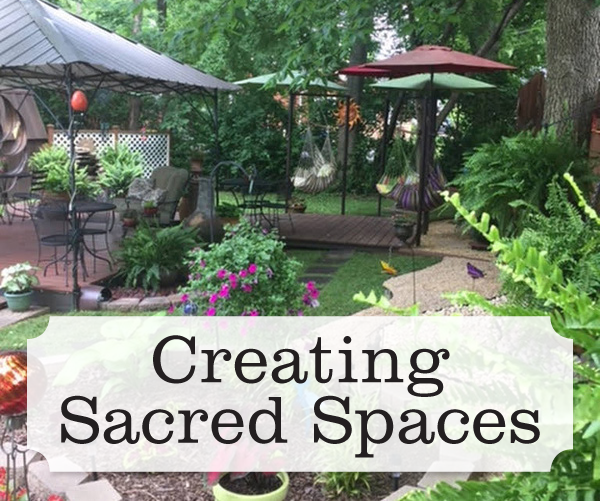
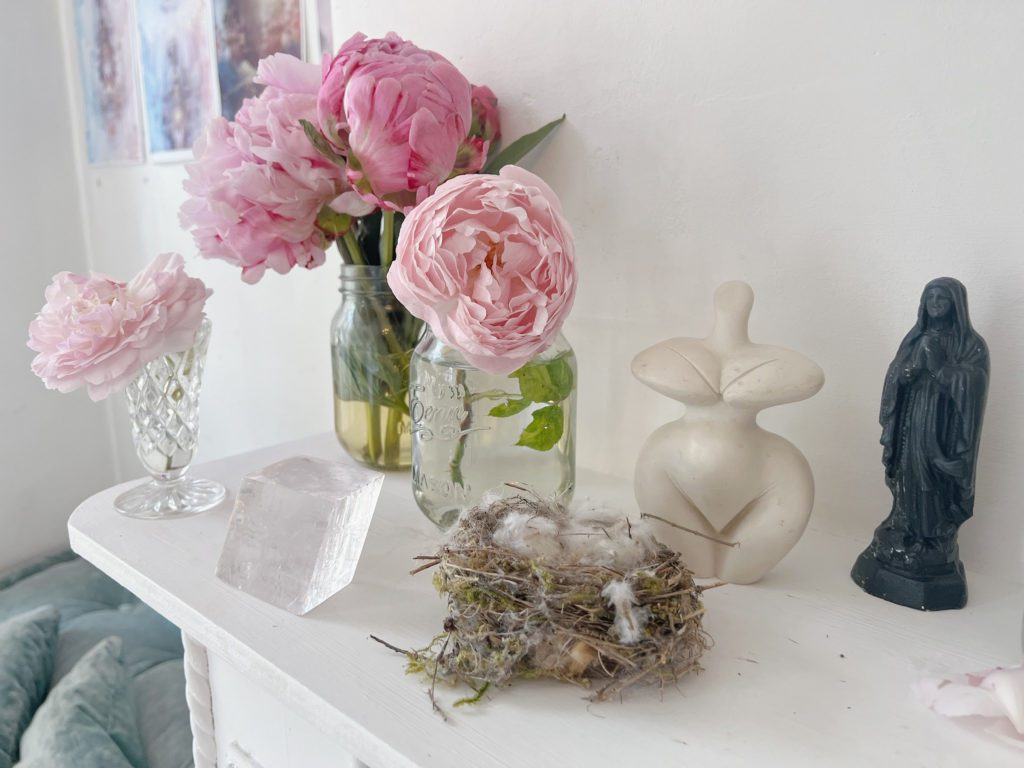
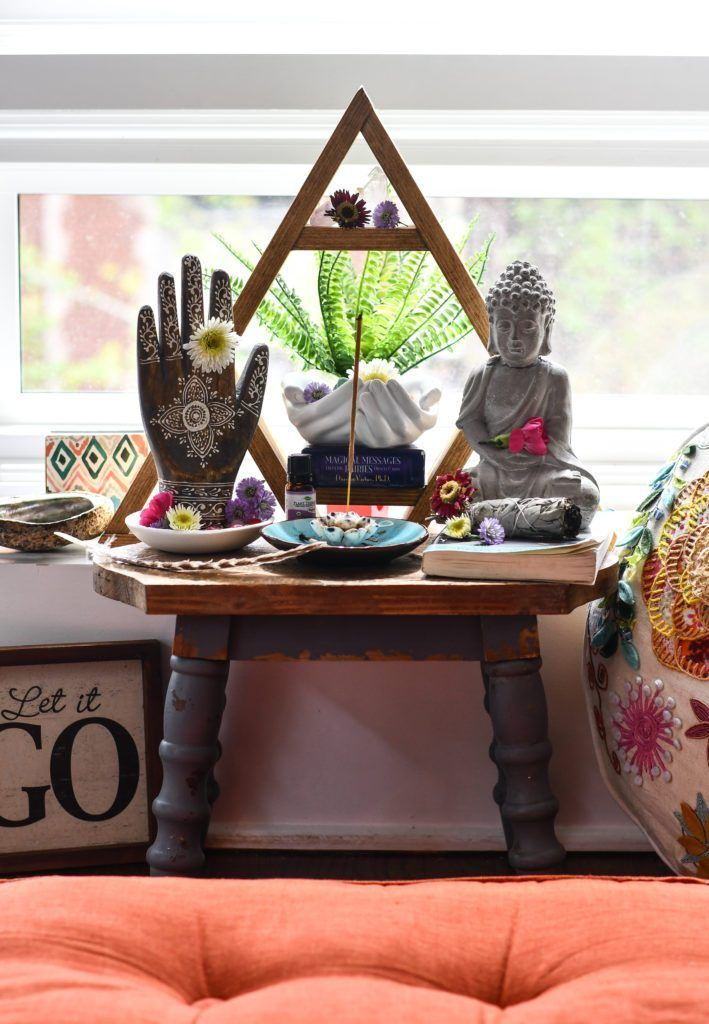
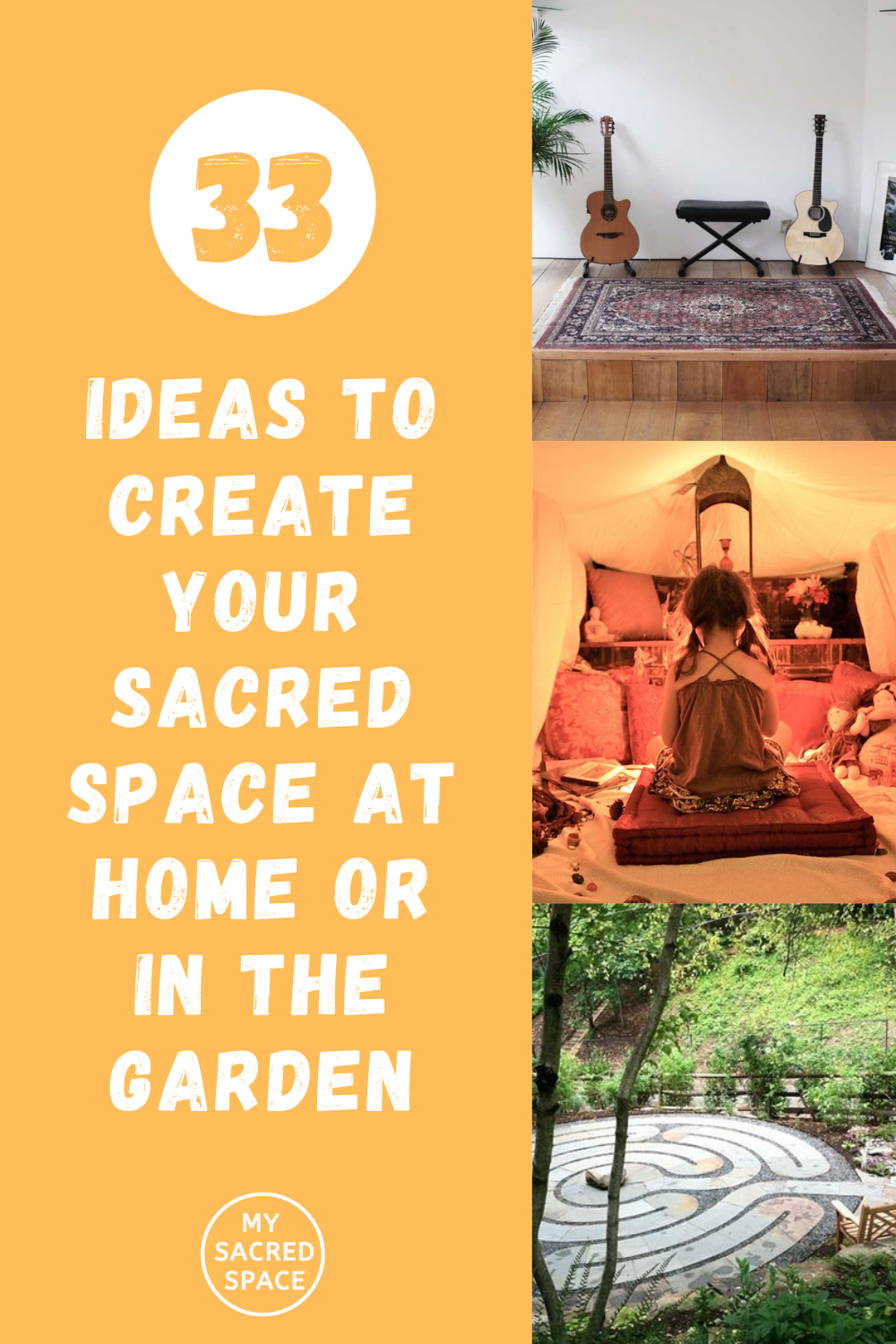
• Set up a dedicated creative space: Even a small corner with a chair, table, and supplies can make a difference. Having a physical place for creativity signals to your brain that it’s time to relax and explore.
• Create a mini-art routine: Try dedicating 10-15 minutes each morning or evening to a simple creative activity. This could be anything from doodling in a sketchbook to arranging flowers. The consistency helps train your mind to enter a calmer state.
• Keep supplies accessible: Have basic materials like colored pencils, paper, or clay within reach. When inspiration strikes, you’re ready to act rather than waiting to gather supplies.
• Be flexible with expectations: Don’t pressure yourself to produce something amazing. The goal is the process, not the product. Some days you might create nothing at all, and that’s okay too.
• Track your progress: Keep a simple log of your creative time, noting how you feel before and after. Over time, you’ll notice patterns and benefits that reinforce your commitment to this practice.
The key is finding what works for your lifestyle and sticking with it consistently. Small amounts of regular creative time often yield better results than sporadic, intense sessions.
Overcoming Creative Blocks and Self-Judgment
It’s common to feel stuck or self-critical when starting a creative practice. You might think, "I’m not artistic," or "This looks terrible." These thoughts are normal, but they don’t have to stop you from finding peace through creativity.
Creative blocks often come from perfectionism and fear of judgment. Remember that the purpose of peaceful artistic expression isn’t to create masterpieces – it’s to find a space for calm. If you’re worried about making mistakes, remind yourself that imperfections often add character to creative work.
Try approaching your creative time with curiosity rather than judgment. Ask yourself, "What do I want to explore today?" rather than "What should I make?" This shift in mindset can open up possibilities and reduce pressure.
Consider that your first attempt at anything is rarely going to be perfect. The goal isn’t to be good – it’s to be present with your creative process. Many artists spend years developing their skills, but the healing power of art begins the moment you pick up a pencil or brush.
If you’re struggling with self-judgment, try focusing on one small aspect of your work rather than judging the whole piece. Did you enjoy the color choices? Did you like the texture of your brushstrokes? These small wins build confidence and appreciation for the process.
The Ripple Effect of Creative Calm
When you cultivate inner calm through peaceful artistic expression, the benefits extend far beyond your personal well-being. Your enhanced emotional regulation can improve relationships, boost productivity, and increase overall life satisfaction.
People who regularly engage in creative practices often report better sleep quality, reduced anxiety, and improved problem-solving abilities. The mindfulness developed through creative work translates into other areas of life, helping you approach challenges with greater clarity and patience.
Consider how your calm presence might influence others around you. When you model taking time for yourself and your creative needs, you’re showing others that self-care matters. Children often learn by observing, and seeing parents engage in peaceful artistic activities can inspire them to develop their own calming routines.
There’s also something powerful about creating beauty in a world that can sometimes feel chaotic. When you take time to make something meaningful, you’re participating in a tradition that spans millennia. Every person who has ever painted, carved, or crafted has found solace in this shared human experience.
The ripple effect continues as you share your creations, whether it’s a handmade gift, a poem you wrote, or simply the peaceful energy you bring to conversations. Your creative calm becomes part of your impact on the world.
Finding inner calm through peaceful artistic expression isn’t just about creating beautiful things – it’s about discovering a sustainable path to mental wellness. Whether you choose to paint, write, garden, or simply color, the key is to approach these activities with intention and without judgment. The process of creation offers a unique opportunity to step away from life’s demands and reconnect with your authentic self.
Remember, you don’t need to be talented or have special skills to benefit from this practice. The most important thing is showing up regularly and allowing yourself to experience the joy that comes from creating something with your hands or heart. As you continue on this journey, you’ll likely find that the calm you seek isn’t something you need to chase – it’s something you can cultivate right in the middle of your creative moments.
The next time you feel overwhelmed or stressed, consider reaching for a simple creative tool. Let the act of creation guide you toward that deep sense of peace that’s always available within you. Your inner calm is waiting, and it might just be found in the most unexpected places – like the gentle stroke of a paintbrush or the careful placement of a single bead.
[sps_html tag=”img” src=”https://cdn.theartssection.com/wp-content/uploads/2025/12/creating-sacred-spaces-the-murfreesboro-pulse-regarding-creating-sacred-spaces-with-thoughtful-artistic-choices.png” alt=”Creating Sacred Spaces - The Murfreesboro Pulse regarding Creating Sacred Spaces with Thoughtful Artistic Choices” style=”width: 100%; height: auto;”]
[sps_html tag=”img” src=”https://cdn.theartssection.com/wp-content/uploads/2025/12/how-to-create-a-sacred-space-in-your-home-upgrade-your-life-body-in-peace-and-namaste-inspirational-2-piece-canvas-art-by-olivia-rose-2-panels.jpg” alt=”How To Create A Sacred Space In Your Home | Upgrade Your Life | Body … in Peace And Namaste' Inspirational 2 Piece Canvas Art By Olivia Rose 2-Panels” style=”width: 100%; height: auto;”]
[sps_html tag=”img” src=”https://cdn.theartssection.com/wp-content/uploads/2025/12/33-sacred-space-ideas-to-create-your-sacred-space-artofit-with-regard-to-peace-and-namaste-inspirational-2-piece-canvas-art-by-olivia-rose-2-panels.png” alt=”33 Sacred Space Ideas To Create Your Sacred Space – Artofit with regard to Peace And Namaste' Inspirational 2 Piece Canvas Art By Olivia Rose 2-Panels” style=”width: 100%; height: auto;”]
[sps_html tag=”img” src=”https://cdn.theartssection.com/wp-content/uploads/2025/12/creating-a-sacred-space-happy-whole-woman-meditation-rooms-regarding-peace-and-namaste-inspirational-2-piece-canvas-art-by-olivia-rose-2-panels.jpg” alt=”Creating A Sacred Space - Happy Whole Woman | Meditation Rooms … regarding Peace And Namaste' Inspirational 2 Piece Canvas Art By Olivia Rose 2-Panels” style=”width: 100%; height: auto;”]
[sps_html tag=”img” src=”https://cdn.theartssection.com/wp-content/uploads/2025/12/tips-for-creating-sacred-spaces-rebecca-campbell-pertaining-to-creating-sacred-spaces-with-thoughtful-artistic-choices.jpeg” alt=”Tips For Creating Sacred Spaces - Rebecca Campbell pertaining to Creating Sacred Spaces with Thoughtful Artistic Choices” style=”width: 100%; height: auto;”]