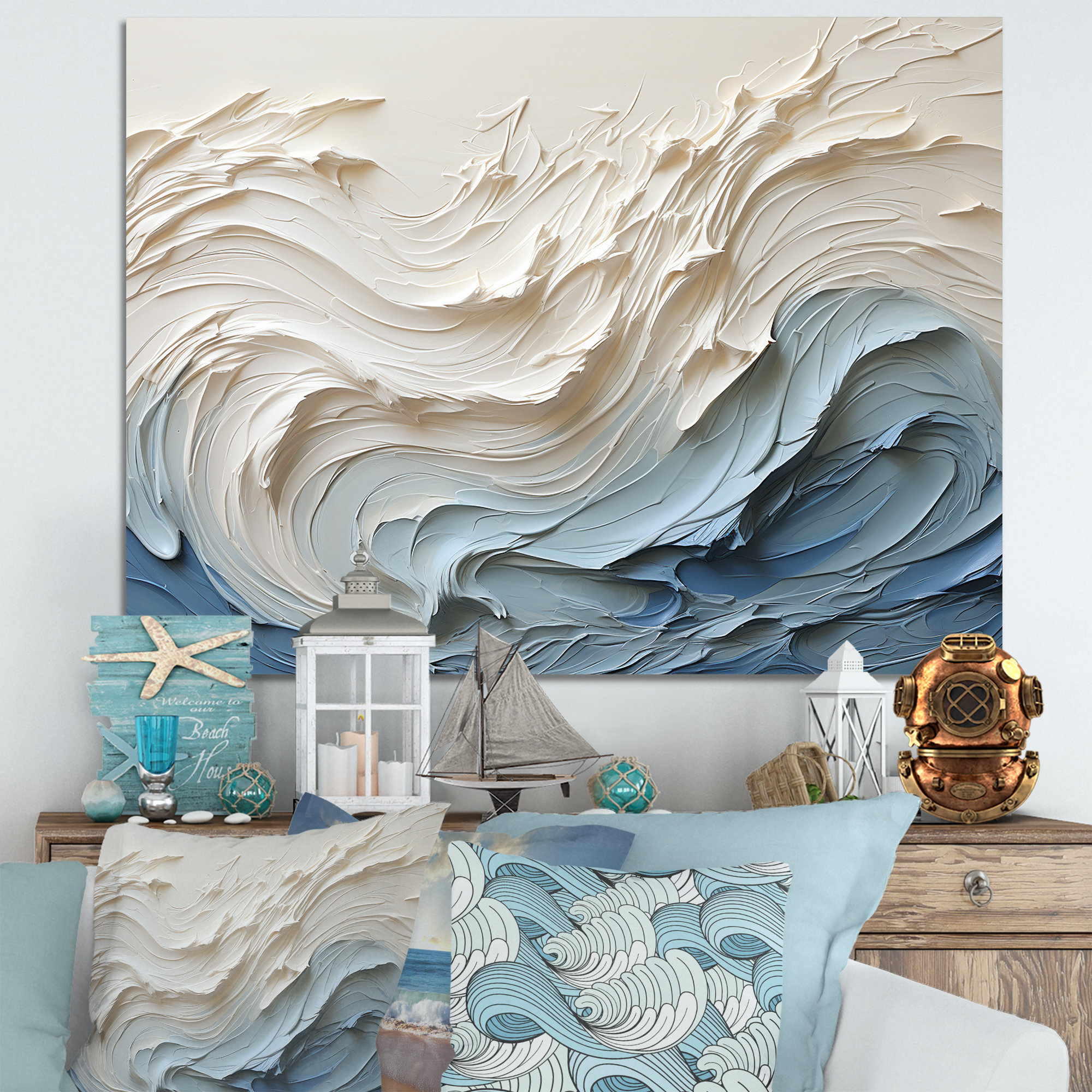
There’s something deeply soothing about watching ocean waves roll in, their rhythmic motion seeming to wash away all worries. For artists, capturing this natural serenity has been a timeless pursuit, one that requires both technical skill and emotional connection. The ocean’s power and beauty have inspired countless painters, photographers, and sculptors to translate its essence onto canvas and paper.
Ocean waves have always held a special place in human consciousness. Whether you’re standing on a rocky shore or simply watching them from afar, there’s an undeniable peace that comes from observing their gentle movements. Artists throughout history have attempted to capture this serenity, translating the fluid dynamics of water into visual form. It’s not just about painting pretty blues and whites, though those colors certainly play a major role. The real magic happens when an artist can convey the feeling of calm that comes from watching waves lap against the shore, the way they seem to slow time itself.
Understanding the Language of Ocean Motion
Before you can paint serenity, you must first understand how waves behave. Ocean waves aren’t random splashes of water – they’re complex systems driven by wind, tides, and underwater topography. When artists want to capture calm seas, they look for specific characteristics that suggest peacefulness. The most important thing to notice is the wave’s rhythm. In tranquil waters, waves often move in slow, consistent patterns rather than chaotic, towering swells. The shape of each wave matters too – gentle curves are much more soothing than sharp peaks. Try spending some quiet time near the coast, watching how different wave formations appear under various lighting conditions. Notice how morning light creates soft reflections while afternoon sun brings more dramatic contrast. Understanding these subtle changes helps artists choose the right moment to capture that perfect serenity.
Color Theory for Tranquil Coastal Scenes
Colors play a huge role in conveying serenity in ocean art. The palette for peaceful waves often leans toward cool tones, with blues and greens dominating the scene. But it’s not just about using the right colors – it’s about how they interact. Soft blues mixed with gentle greens create that calm feeling we associate with still water. Artists often use subtle variations in tone to show depth and movement. Lighter blues near the horizon suggest distant calm waters, while deeper blues closer to the viewer imply more substantial water mass. Remember that the ocean reflects its surroundings, so incorporating elements like sky color, sand tones, and nearby vegetation can add richness to your composition. Sometimes the most powerful serenity comes from minimal color choices – a single muted blue with a few touches of white foam can be more effective than a cluttered palette.
Mastering the Texture of Water
Texture brings life to any ocean painting, but it’s especially crucial when trying to capture serenity. The texture of calm water looks completely different from turbulent seas. Smooth water tends to reflect light differently, creating soft, diffused highlights rather than sharp, bright spots. This means artists need to focus on how light interacts with the surface rather than emphasizing the water’s physical texture. When painting foam or spray, consider how much to include – too much can make the scene feel chaotic. Instead, think about where the foam appears naturally and how it contributes to the overall mood. Some artists prefer to leave certain areas of the water smooth and unbroken, allowing the viewer’s eye to rest on those calm patches. Others might add gentle ripples that suggest movement without disruption.
Lighting Techniques That Enhance Peacefulness
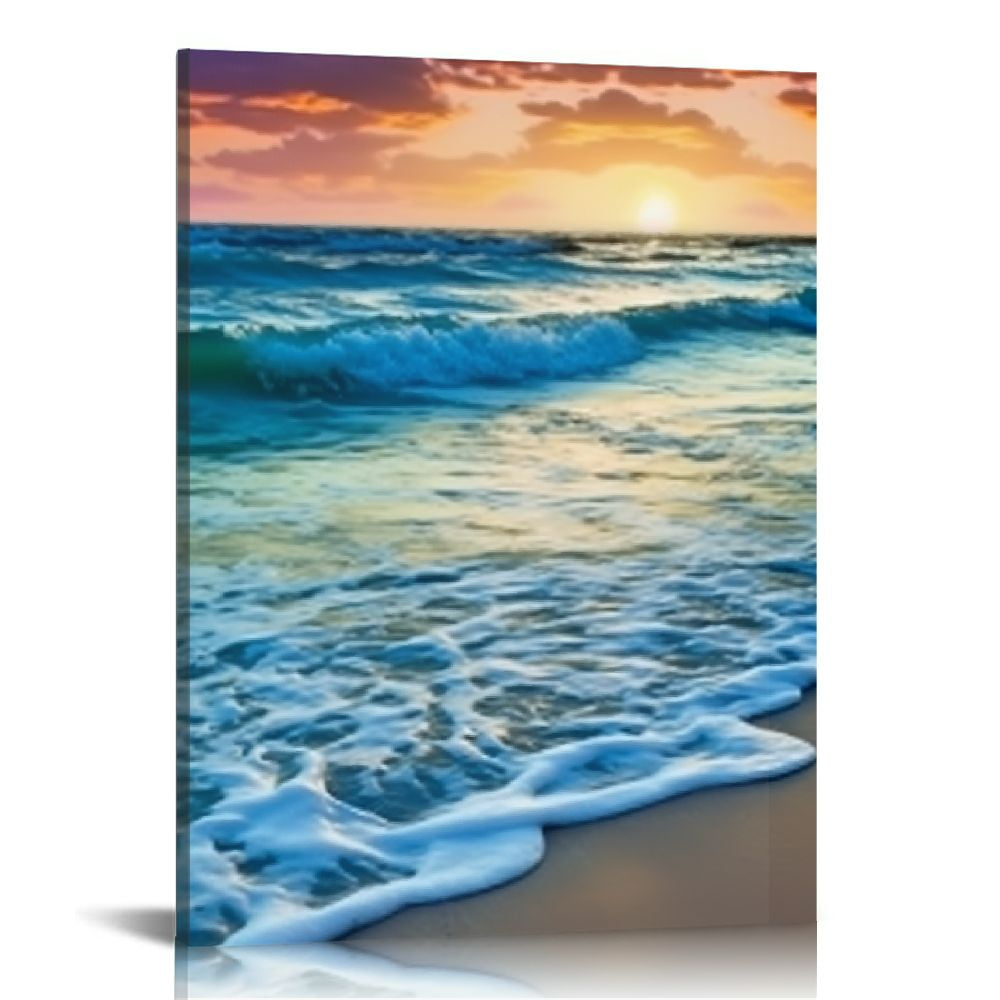
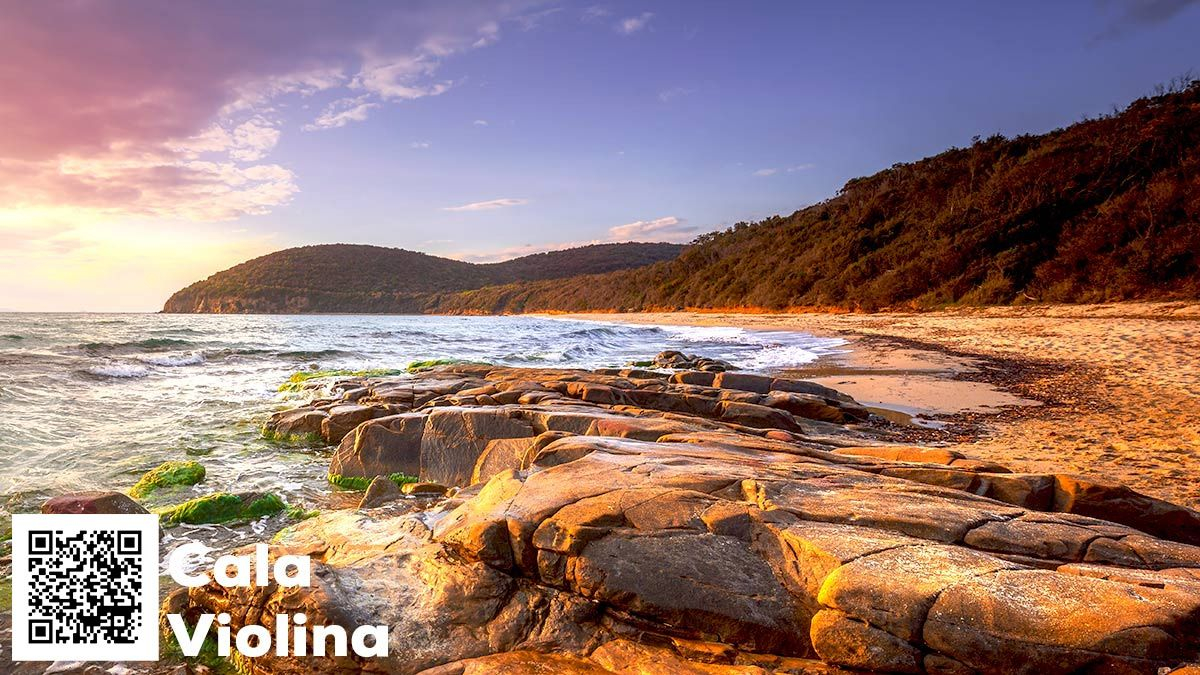
Lighting can make or break a serene ocean scene. Golden hour light – those magical hours just after sunrise or before sunset – provides the perfect balance of warmth and softness for tranquil coastal art. During these times, the sun sits low, casting long shadows and creating gentle glows across water surfaces. Harsh midday sunlight, on the other hand, tends to emphasize rough textures and can make even calm seas look agitated. Artists often use backlighting to create silhouettes of distant waves, which adds depth and mystery to the composition. Side lighting can highlight the natural curves of waves, making them appear more graceful. The key is choosing light that enhances rather than overwhelms the peaceful nature of the scene.
Composition Strategies for Calm Ocean Art
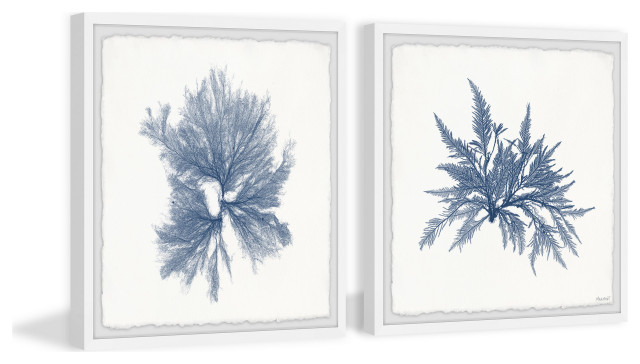
Good composition guides the viewer’s eye and creates that sense of serenity we seek. One popular approach is the rule of thirds, placing the horizon line slightly above the center of the image to give more space to the sky. This makes the ocean feel less dominant and more peaceful. Leading lines created by wave patterns can draw attention to the focal point while maintaining the natural flow of the sea. Including elements like distant islands, birds, or rocks can provide visual interest without disrupting the calm atmosphere. Many successful ocean paintings feature a strong foreground element that anchors the composition, whether it’s a small rock formation or a cluster of seaweed. The idea is to create balance between elements that might otherwise compete for attention.
Practical Tips for Creating Serene Wave Art
• Start with simple sketches to plan your composition
• Study reference photos taken during calm weather conditions
• Practice layering paint techniques to build depth gradually
• Use a limited color palette to avoid overwhelming the viewer
• Pay attention to how water reflects surrounding elements
• Consider the time of day and weather conditions for maximum impact
• Don’t overwork the painting – sometimes less is more
• Experiment with different brush strokes to capture varying water behaviors
• Allow time for the painting to dry between layers
• Focus on capturing the feeling rather than every physical detail
These simple approaches can help anyone create ocean art that truly captures that sense of peace and tranquility. Remember, the goal isn’t to reproduce reality perfectly, but to evoke the feeling of calm that comes from being near the ocean.
Capturing the serenity of ocean waves in art is both a technical challenge and an emotional journey. It requires understanding how water behaves, mastering color theory, and developing sensitivity to light and composition. But beyond these skills lies something more profound – the ability to share that peaceful feeling with others. When done well, ocean art becomes a bridge between viewers and the calming power of the sea. Whether you’re a seasoned artist or someone who simply enjoys looking at beautiful paintings, there’s something deeply satisfying about witnessing the successful translation of ocean serenity into visual form. The best ocean art doesn’t just show us waves – it reminds us of why we feel soothed by the sound of the tide.
[sps_html tag=”img” src=”https://cdn.theartssection.com/wp-content/uploads/2025/10/wade-logan-white-and-blue-wave-papercut-style-coastal-waves-wall-art-inside-mastering-the-composition-techniques-in-white-and-blue-waves-under-sun-art.jpg” alt=”Wade Logan® White And Blue Wave Papercut Style - Coastal Waves Wall Art … inside Mastering the Composition Techniques in White and Blue Waves Under Sun Art” style=”width: 100%; height: auto;”]
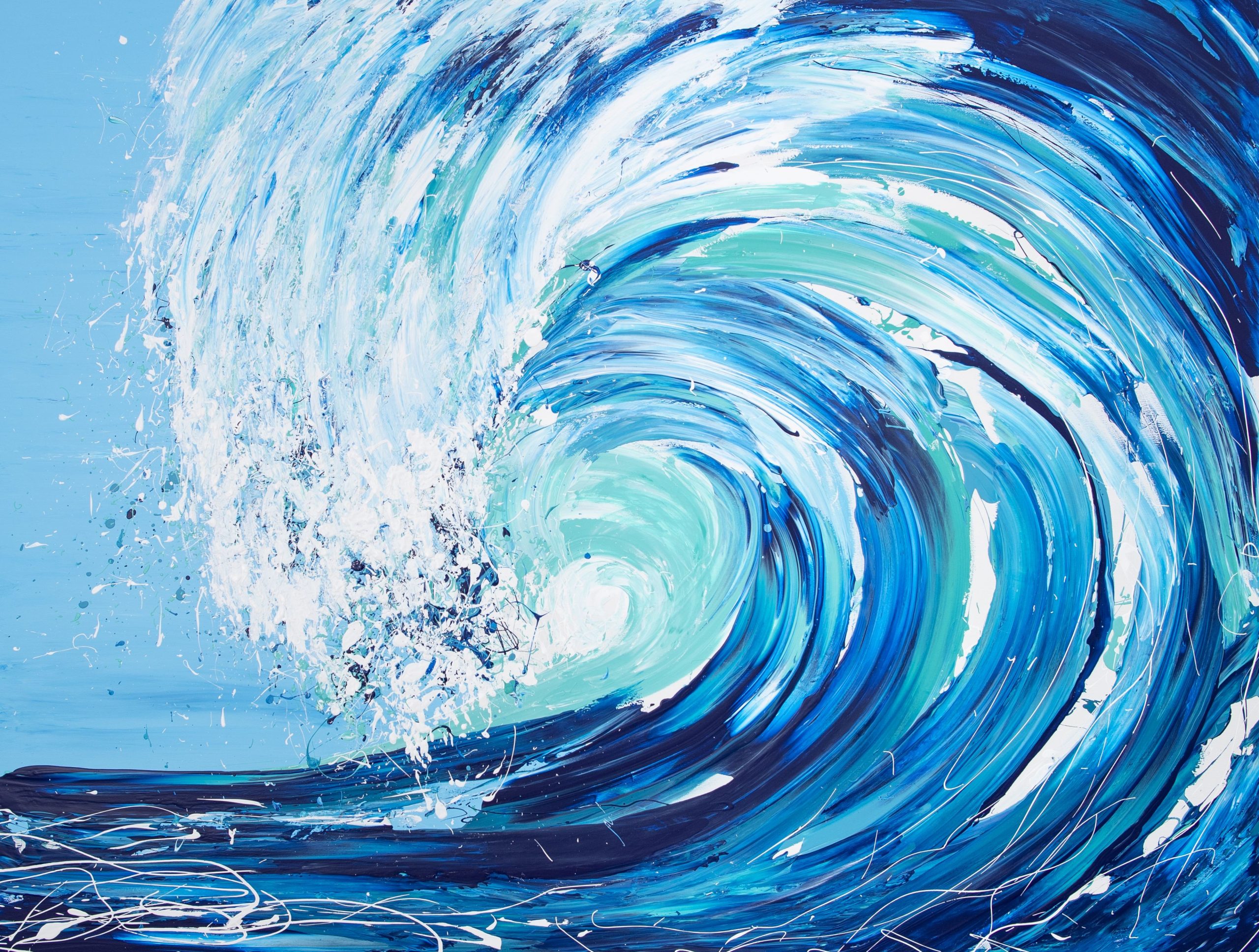
[sps_html tag=”img” src=”https://cdn.theartssection.com/wp-content/uploads/2025/10/wave-series-wave-painting-ocean-painting-ocean-art-intended-for-mastering-the-composition-techniques-in-white-and-blue-waves-under-sun-art-scaled.jpg” alt=”'Wave Series' | Wave Painting, Ocean Painting, Ocean Art intended for Mastering the Composition Techniques in White and Blue Waves Under Sun Art” style=”width: 100%; height: auto;”]
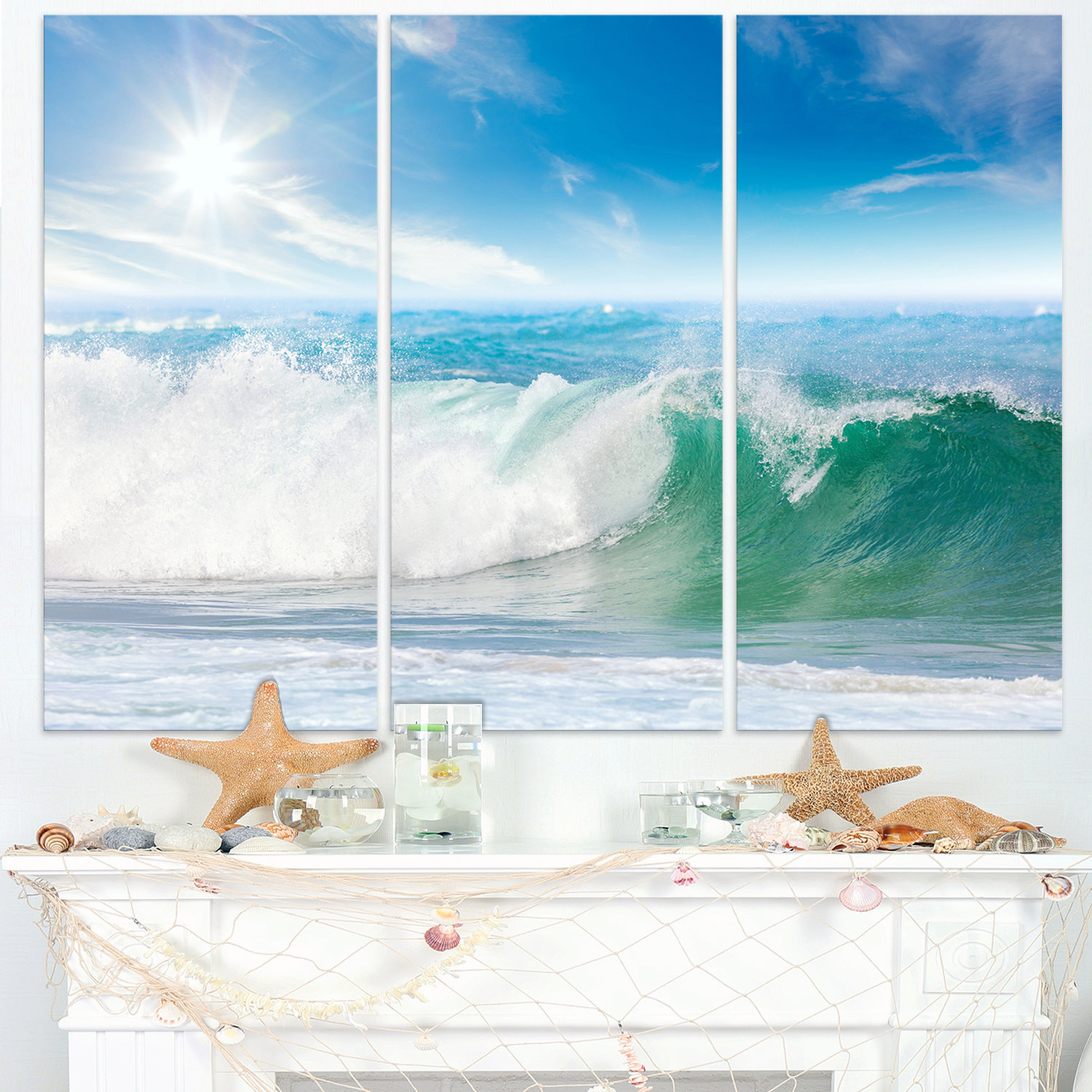
[sps_html tag=”img” src=”https://cdn.theartssection.com/wp-content/uploads/2025/10/design-art-white-and-blue-waves-under-sun-graphic-art-on-wrapped-canvas-with-mastering-the-composition-techniques-in-white-and-blue-waves-under-sun-art.jpg” alt=”Design Art White And Blue Waves Under Sun Graphic Art On Wrapped Canvas … with Mastering the Composition Techniques in White and Blue Waves Under Sun Art” style=”width: 100%; height: auto;”]
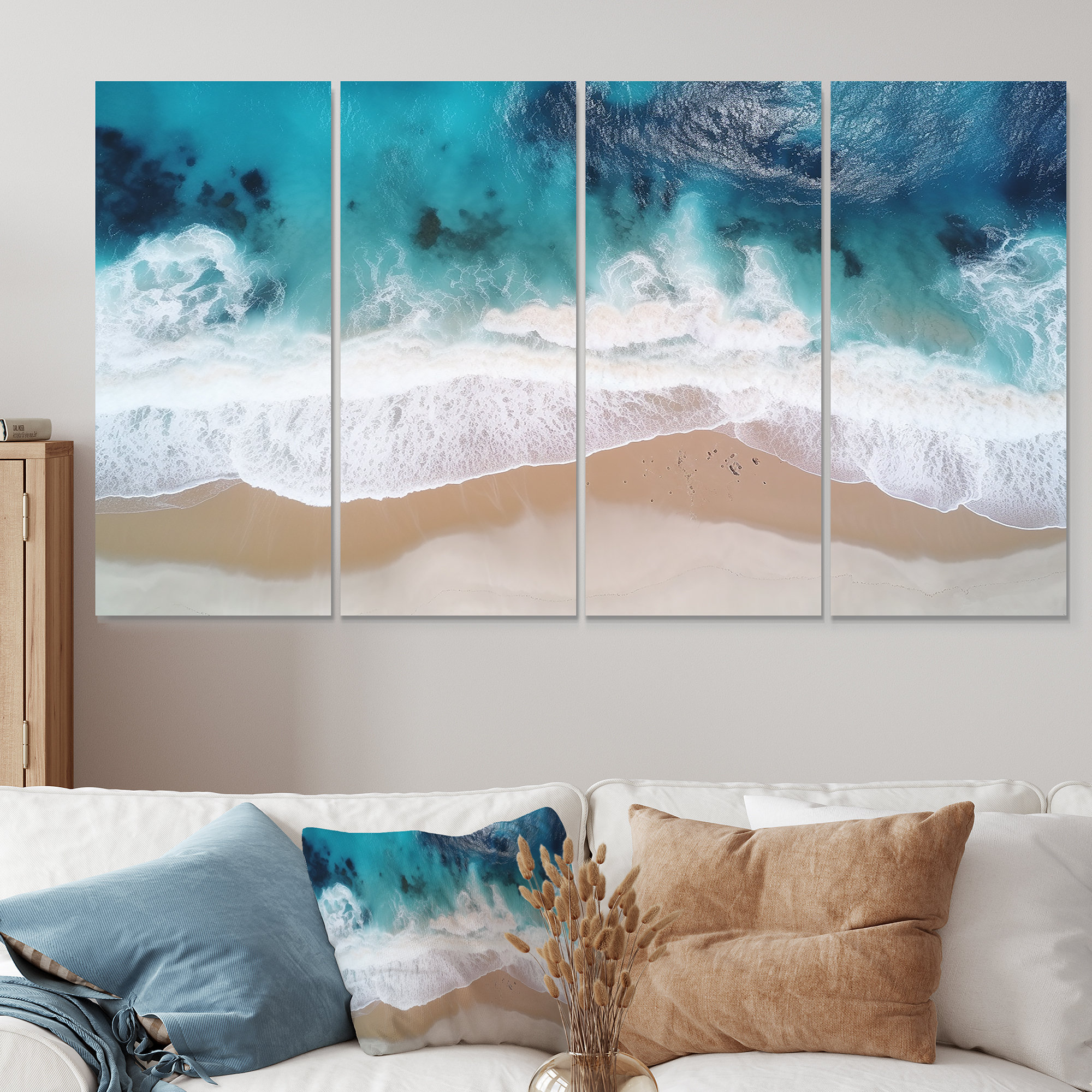
[sps_html tag=”img” src=”https://cdn.theartssection.com/wp-content/uploads/2025/10/beachcrest-home-white-and-blue-waves-aerial-view-ii-coastal-beach-4-within-mastering-the-composition-techniques-in-white-and-blue-waves-under-sun-art.jpg” alt=”Beachcrest Home™ White And Blue Waves Aerial View Ii - Coastal Beach 4 … within Mastering the Composition Techniques in White and Blue Waves Under Sun Art” style=”width: 100%; height: auto;”]
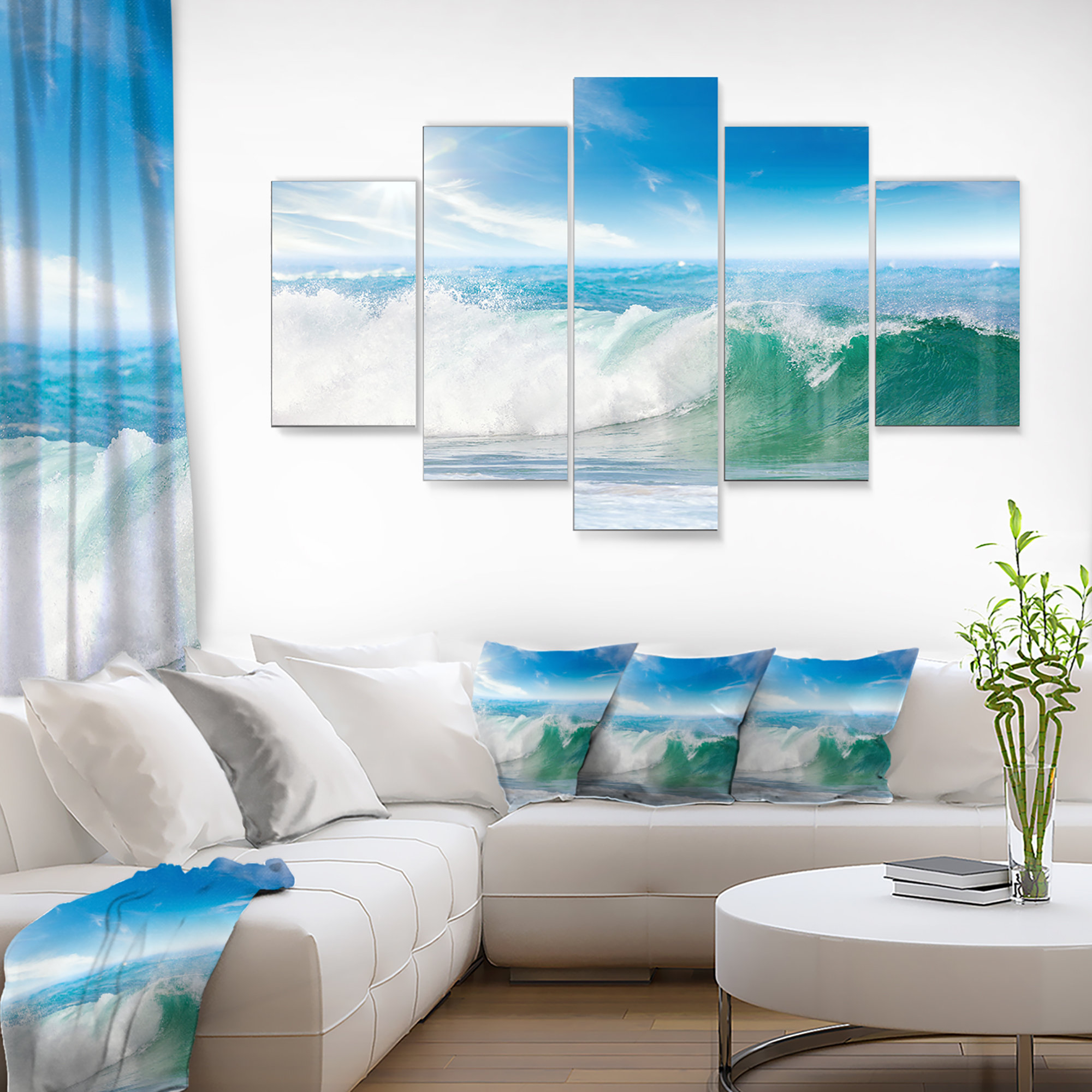
[sps_html tag=”img” src=”https://cdn.theartssection.com/wp-content/uploads/2025/10/east-urban-home-white-and-blue-waves-under-sun-multipanel-seascape-in-mastering-the-composition-techniques-in-white-and-blue-waves-under-sun-art.jpg” alt=”East Urban Home White And Blue Waves Under Sun - Multipanel Seascape … in Mastering the Composition Techniques in White and Blue Waves Under Sun Art” style=”width: 100%; height: auto;”]