What if your living space could naturally reduce stress, boost creativity, and foster deeper connections? What if simply adding the right artwork could shift your entire emotional state? These aren’t just dreams – they’re scientifically backed possibilities. When we surround ourselves with purposeful art, we’re not just decorating our walls. We’re creating environments that speak directly to our subconscious minds, influencing everything from our sleep quality to our daily mood.
Home isn’t just where we live – it’s where we recharge, reflect, and feel most like ourselves. Yet many of us struggle to create spaces that truly nurture our well-being. The solution might be simpler than we think. Art has been quietly revolutionizing how we experience our domestic environments for centuries. But beyond its aesthetic appeal lies a powerful psychological foundation that explains why certain artworks can transform a house into a haven of tranquility. It’s not magic, but rather the result of carefully considered color theory, visual rhythm, and emotional resonance that affects our nervous system in profound ways.
Understanding the Psychology of Visual Harmony
The human brain processes visual information differently than other senses. When we look at art, our brains instantly assess elements like color, shape, and composition for signs of harmony or discord. This happens within milliseconds, often beneath conscious awareness. Think about how a perfectly balanced painting makes you feel immediately calm, while a chaotic arrangement might make you feel restless. This reaction stems from our evolutionary wiring to seek order and predictability. The psychology behind harmony in home art relies heavily on what researchers call ‘visual rhythm’ – the way elements repeat, vary, and relate to each other visually. When we create visual harmony, we’re essentially creating peace in our neural pathways. The brain recognizes patterns and finds comfort in them. This is why a simple geometric pattern on a wall can have such a soothing effect. It’s not about complexity – it’s about creating a sense of balance that allows the mind to relax and focus on positive emotions rather than stress signals.
Color Psychology and Emotional Resonance
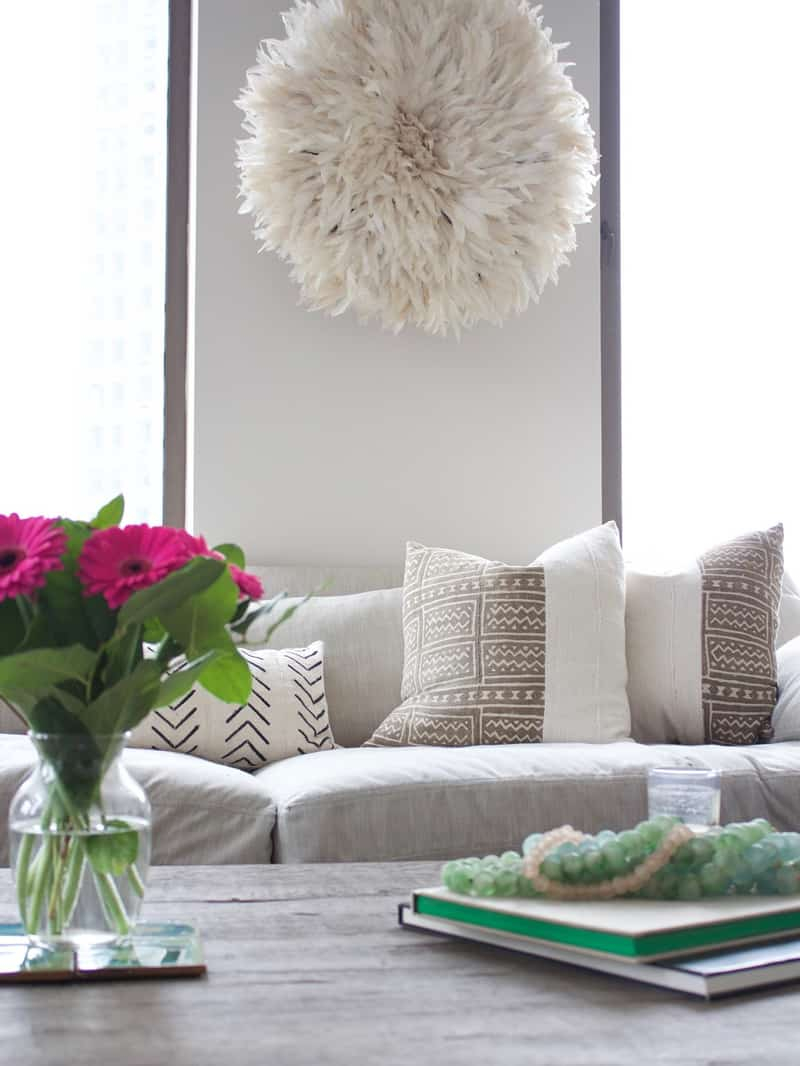
Colors don’t just decorate our spaces – they fundamentally alter our moods and behaviors. Blue, for instance, naturally lowers heart rate and promotes relaxation. Green brings feelings of renewal and balance. Warm tones like orange and yellow can energize and stimulate conversation. But here’s where it gets interesting: the psychology of color in art isn’t about using the ‘right’ colors. It’s about creating a palette that resonates with your personal energy and the function of each room. A bedroom filled with soft blues and lavenders creates an environment conducive to restful sleep. Meanwhile, a kitchen adorned with warm yellows and earth tones encourages appetite and social interaction. The key is consistency within each space. If you want to feel peaceful in your living room, avoid harsh reds and bright yellows that might trigger alertness instead of relaxation. Instead, opt for muted tones that create a gentle backdrop for contemplation and calm conversation. Consider how different hues affect your energy levels throughout the day. Notice when you feel more alert after looking at certain colors versus when you feel more relaxed.
The Impact of Natural Elements in Art
Art featuring natural elements has a particularly strong impact on our psychological well-being. Studies show that images of trees, water, and landscapes can significantly reduce cortisol levels and increase feelings of happiness. This isn’t just about pretty pictures – it’s about reconnecting with fundamental aspects of nature that our ancestors evolved around. Think about how much more peaceful you feel after spending time in a forest compared to a busy city street. Natural art brings that same feeling into your home. Whether it’s a landscape painting of rolling hills, a photograph of ocean waves, or even abstract interpretations of organic forms, these pieces tap into our innate desire for connection with the natural world. They provide visual relief from urban stress and remind us of larger cycles and rhythms beyond our immediate concerns. Many people find that incorporating natural art elements helps them feel grounded and centered, especially during times of change or uncertainty. The presence of these elements creates a bridge between the indoors and outdoors, making your home feel more expansive and connected to the broader world.
Texture and Tactile Qualities in Art Selection
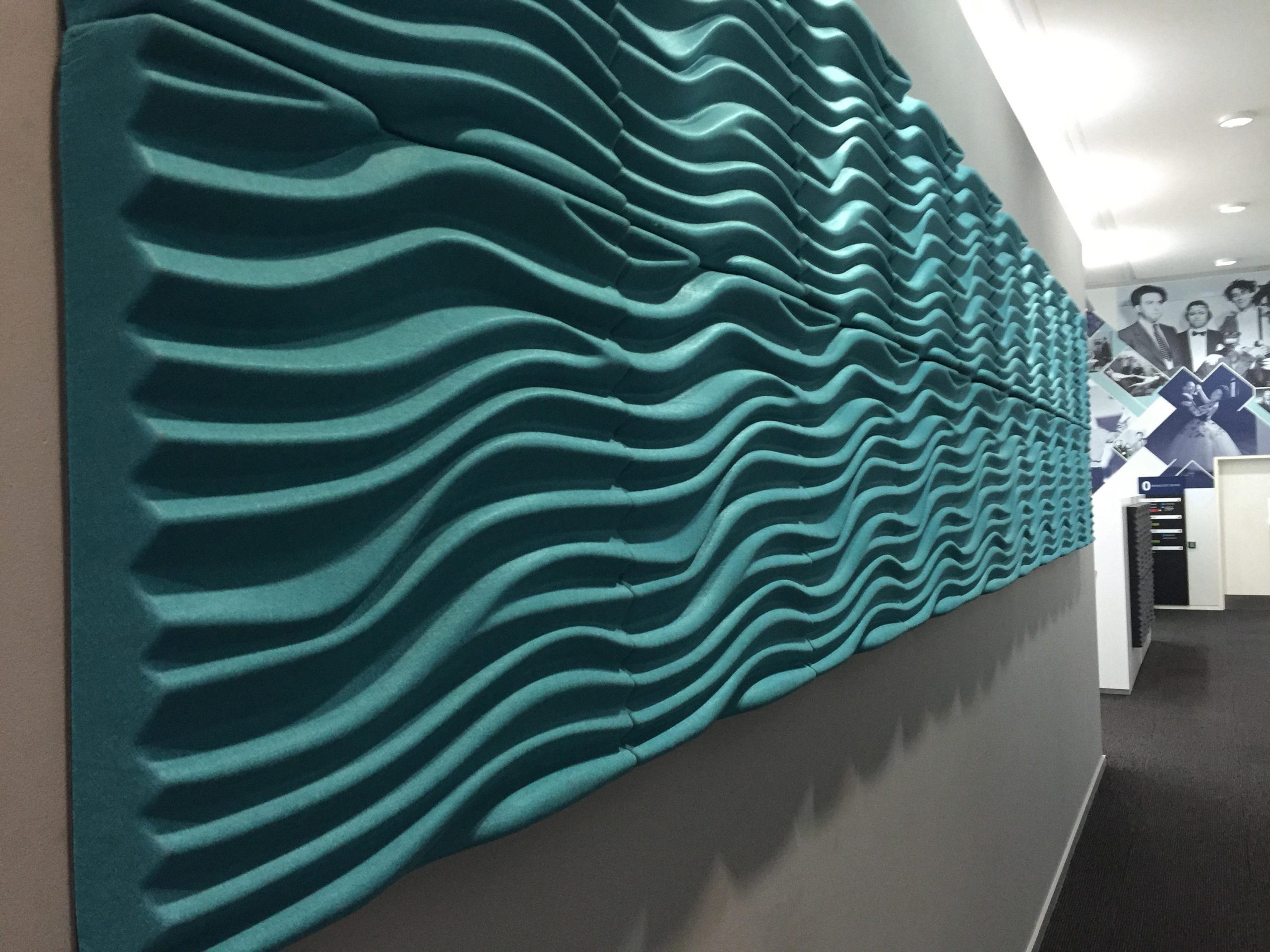
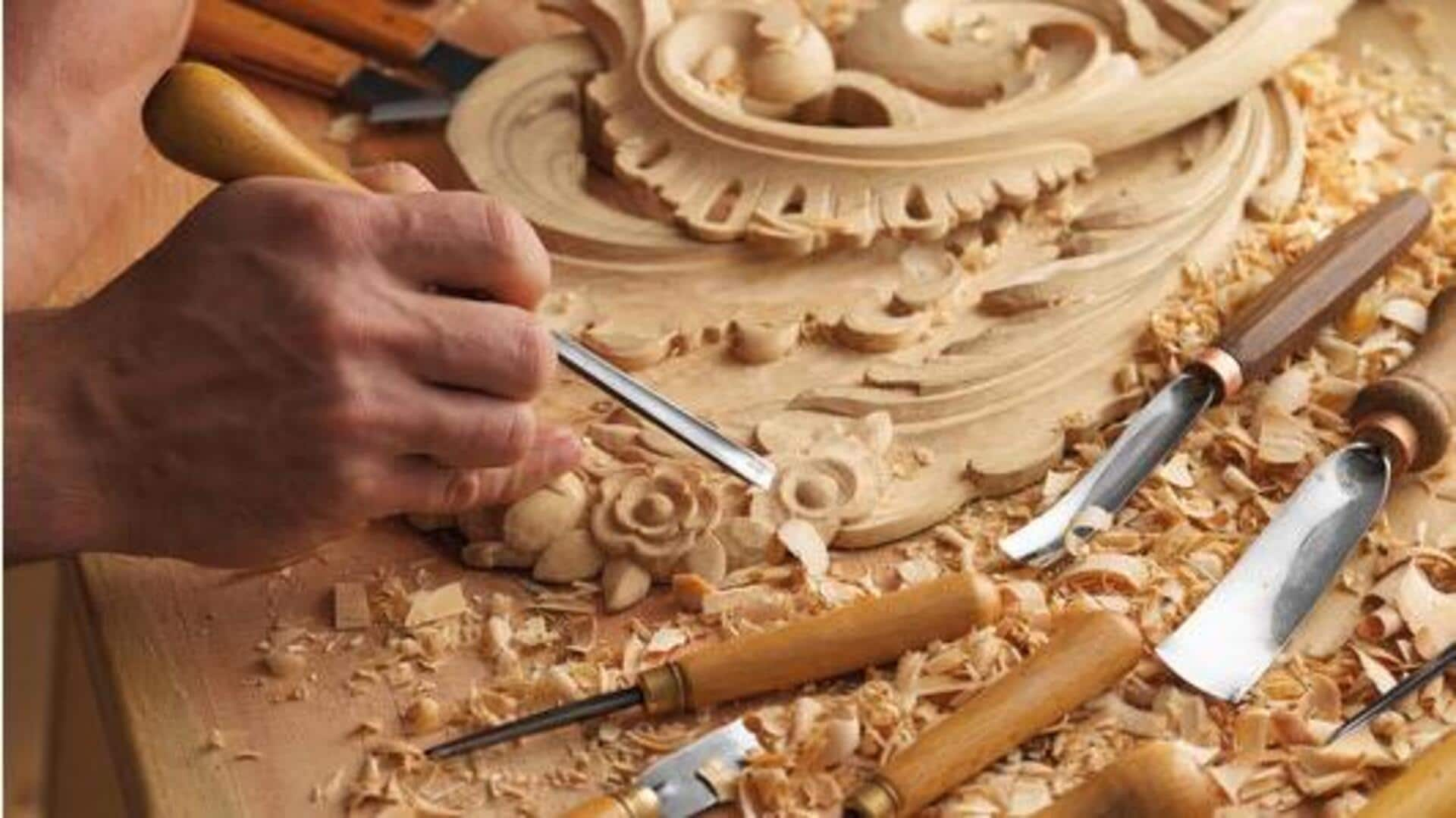
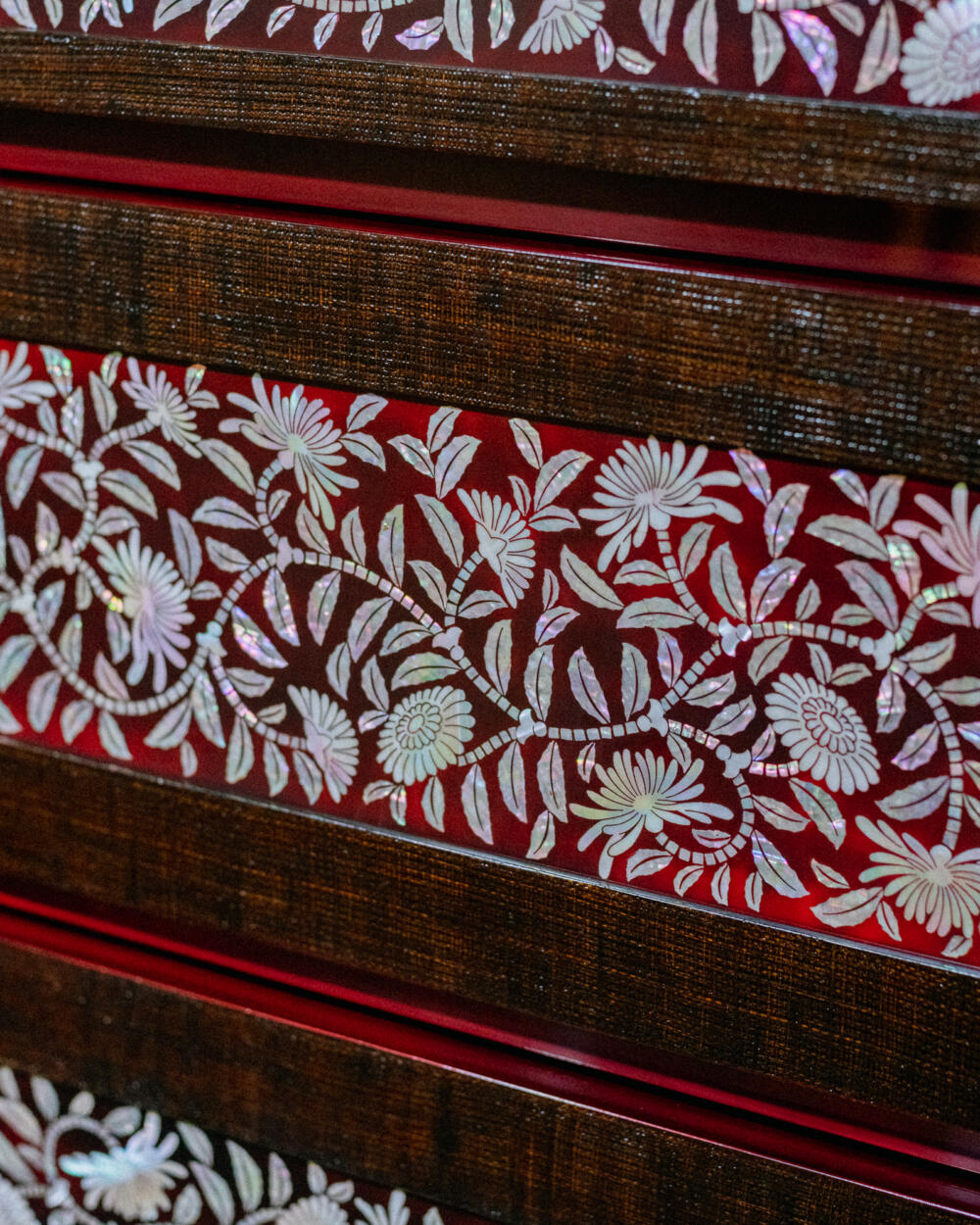
While we often focus on visual aspects, the physical qualities of art also play a crucial role in creating harmony. Textured pieces invite touch and attention, engaging multiple senses simultaneously. A canvas with visible brushstrokes can make a space feel more alive and dynamic. Textured art adds depth that catches light differently throughout the day, changing the atmosphere of your room. This isn’t just about aesthetics – it’s about sensory engagement that makes spaces feel more real and comforting. Consider how different textures affect your mood. Smooth surfaces might feel calming, while rougher textures can add interest and energy. A piece with raised texture can make you want to reach out and touch it, creating a tactile connection that enhances the overall experience. When selecting art for your home, think about how the physical qualities will interact with your daily routine. Will you want to run your fingers along a textured surface? Does the material complement your furniture and lighting? These small details contribute to the overall sense of harmony and personal connection.
Personal Connection and Meaning in Art
The most powerful art in any home isn’t necessarily the most beautiful or expensive piece. It’s the one that speaks to you personally. This connection creates a unique form of emotional resonance that transforms a simple decoration into something deeply meaningful. When you choose art that reflects your values, memories, or aspirations, you’re creating a visual diary of your inner life. Personal art pieces often become conversation starters, helping others understand your perspective and experiences. They also serve as daily reminders of important things in your life. A family portrait might remind you of love and belonging, while a piece of art from a meaningful trip could bring back positive memories. This personal element creates what psychologists call ’emotional anchoring’ – a psychological mechanism where certain objects trigger specific emotional responses. The stronger the personal connection, the more powerful the psychological benefits. You’ll find yourself drawn to these pieces naturally, and they’ll influence your mood and thoughts in subtle but significant ways. Don’t underestimate the power of choosing art based on feeling rather than just appearance.
Practical Tips for Creating Balanced Art Displays
Putting all this knowledge into practice requires some thoughtful planning. Start by considering the function of each room and what emotions you want to cultivate there. A bedroom should promote rest, while a home office might benefit from art that stimulates creativity. Consider the size and scale of your space when selecting pieces. A large empty wall needs a substantial piece to create visual balance, while smaller spaces work better with multiple smaller artworks arranged together. Pay attention to how light affects your art throughout the day. Some pieces look dramatically different in morning sunlight versus evening lamplight. The arrangement itself matters too. Grouping pieces in odd numbers creates visual stability, while varying sizes and shapes prevents monotony. Remember that less can be more. Sometimes a single striking piece is more effective than several smaller ones. Trust your instincts – if something feels right to you, it probably is. Create a visual hierarchy by placing focal points strategically, allowing the eye to naturally move through your chosen display. Test different arrangements before committing permanently, because the right setup can completely transform your space’s energy and your emotional experience of it.
Creating harmony in home spaces through intentional art selection isn’t about following rigid rules or spending enormous amounts of money. It’s about understanding how visual elements communicate with our deepest psychological needs. When we thoughtfully consider color, texture, natural elements, and personal meaning in our art choices, we’re essentially designing our internal environment. This approach transforms every room from just a place to live into a space that actively supports our mental and emotional health. The journey toward creating this kind of sanctuary doesn’t require perfection – it requires intentionality and a willingness to observe how different elements make you feel. Every piece you choose becomes part of a larger story about who you are and what you value. As you continue to refine your artistic environment, remember that the most important aspect isn’t whether your art looks like it belongs in a gallery. It’s whether it makes you feel more like yourself, more at peace, and more connected to the beauty and complexity of life.
[sps_html tag=”img” src=”https://cdn.theartssection.com/wp-content/uploads/2025/12/harmony-unveiled-balanced-home-aesthetics-throughout-blossoming-tranquility-floral-rendered-on-gold-shagreen-wrapped-canvas-wall-art.webp” alt=”Harmony Unveiled: Balanced Home Aesthetics throughout Blossoming Tranquility Floral Rendered On Gold Shagreen Wrapped Canvas Wall Art” style=”width: 100%; height: auto;”]
[sps_html tag=”img” src=”https://cdn.theartssection.com/wp-content/uploads/2025/12/premium-photo-worklife-harmony-balancing-with-home-spa-bliss-flat-style-regarding-blossoming-tranquility-floral-rendered-on-gold-shagreen-wrapped-canvas-wall-art.jpg” alt=”Premium Photo | Worklife Harmony Balancing With Home Spa Bliss Flat Style regarding Blossoming Tranquility Floral Rendered On Gold Shagreen Wrapped Canvas Wall Art” style=”width: 100%; height: auto;”]
[sps_html tag=”img” src=”https://cdn.theartssection.com/wp-content/uploads/2025/12/worklife-harmony-balancing-with-home-spa-bliss-flat-style-premium-ai-inside-designing-for-harmony-balancing-aesthetics-and-mental-wellness-in-home-spaces.jpg” alt=”Worklife Harmony Balancing With Home Spa Bliss Flat Style | Premium Ai … inside Designing for Harmony Balancing Aesthetics and Mental Wellness in Home Spaces” style=”width: 100%; height: auto;”]
[sps_html tag=”img” src=”https://cdn.theartssection.com/wp-content/uploads/2025/12/premium-photo-worklife-harmony-balancing-with-home-spa-bliss-flat-style-regarding-blossoming-tranquility-floral-rendered-on-gold-shagreen-wrapped-canvas-wall-art-1.jpg” alt=”Premium Photo | Worklife Harmony Balancing With Home Spa Bliss Flat Style regarding Blossoming Tranquility Floral Rendered On Gold Shagreen Wrapped Canvas Wall Art” style=”width: 100%; height: auto;”]
[sps_html tag=”img” src=”https://cdn.theartssection.com/wp-content/uploads/2025/12/premium-photo-worklife-harmony-balancing-with-home-spa-bliss-flat-style-throughout-blossoming-tranquility-floral-rendered-on-gold-shagreen-wrapped-canvas-wall-art.jpg” alt=”Premium Photo | Worklife Harmony Balancing With Home Spa Bliss Flat Style throughout Blossoming Tranquility Floral Rendered On Gold Shagreen Wrapped Canvas Wall Art” style=”width: 100%; height: auto;”]