Imagine standing before a thundering cascade, mist dancing in the morning sun, feeling the power of nature wash over you. In Thailand, these breathtaking waterfalls aren’t just scenic spots – they’re sacred places that have shaped culture, beliefs, and daily life for centuries. What if I told you that every drop of water flowing over those rocks carries stories of ancient traditions, spiritual practices, and community bonds? These natural wonders are far more than pretty pictures for Instagram.
Thailand’s landscape is dotted with countless waterfalls, each one a testament to the country’s rich natural heritage. But beyond their visual appeal lies a deeper story – one woven with threads of faith, history, and cultural identity. When you visit a Thai waterfall, you’re stepping into a space where the divine meets the earthly, where ancient rituals continue to unfold, and where the rhythm of nature guides both spiritual and social life. These cascades have been part of Thai consciousness for generations, serving as gathering places, sacred sites, and symbols of life itself. Whether you’re planning your next adventure or simply curious about what makes these places so special, understanding their cultural significance opens up a whole new appreciation for these natural treasures.
Sacred Springs and Spiritual Origins
In Thai culture, waterfalls are often viewed as portals between the physical and spiritual worlds. Many believe that the rushing water carries prayers upward and brings blessings downward. This connection runs deep in Buddhist traditions, where water represents purity and renewal. Local folklore tells tales of deities who once dwelt in these falls, creating them as gifts to humanity. The sound of water crashing down isn’t just noise – it’s believed to be the voice of the divine speaking through nature. For many Thai families, visiting a waterfall during important life events like birthdays, weddings, or even funerals is a tradition passed down through generations. The act of offering flowers, food, or incense at these sites shows respect for the spiritual forces believed to inhabit these waters. Some falls are so revered that entire communities organize festivals around them, celebrating seasonal changes and agricultural cycles. These celebrations bring together people from different villages, strengthening social ties while honoring ancestral wisdom. The belief system surrounding waterfalls extends beyond religious practice – it shapes how people view their relationship with nature itself.
Traditional Practices and Community Gatherings
Waterfalls in Thailand aren’t just places of worship – they’re living spaces where communities come together. Local residents regularly gather at nearby falls for various activities that strengthen social bonds. During harvest seasons, families might bring their children to these locations to teach traditional skills like fishing or plant identification. Elders often share stories about the area’s history, passing down knowledge about medicinal plants found near the water source. The communal aspect becomes especially evident during rainy seasons when water levels rise, making certain falls more accessible and popular for group visits. Many villages organize annual festivals that center around local waterfalls, combining religious ceremonies with cultural performances and traditional games. These gatherings serve multiple purposes: they preserve cultural practices, provide educational opportunities for youth, and reinforce community identity. The natural setting creates an atmosphere conducive to reflection and celebration. People often describe feeling a sense of peace and unity when spending time near these water sources. The shared experience of witnessing natural beauty together creates lasting memories that bind communities together across generations. Some families even claim ownership of specific waterfall areas, maintaining them as family heritage sites that require careful stewardship.
Historical Context and Ancient Traditions
Archaeological evidence suggests that waterfalls held significant importance in ancient Thai societies long before modern Buddhism took root. Stone carvings discovered near several well-known falls indicate that early civilizations considered these locations sacred. The earliest inhabitants likely saw waterfalls as sources of life-giving energy, essential for survival in the tropical climate. Historical records show that rulers would commission temples and shrines near prominent waterfalls, recognizing their spiritual significance. Some ancient texts describe elaborate ceremonies performed at specific falls during important astronomical events. The construction of traditional bridges and pathways leading to these waterfalls demonstrates the effort communities invested in accessing these sacred spaces. Over time, these practices evolved but maintained their core purpose – connecting people to something greater than themselves. Local legends often explain how certain waterfalls were created through supernatural events involving gods or mythical creatures. These stories became part of the cultural fabric, teaching moral lessons and explaining natural phenomena. The historical continuity of waterfall reverence shows how deeply rooted these beliefs are in Thai identity. Even today, many of the same practices continue, though adapted to contemporary circumstances. The preservation of these ancient traditions helps maintain cultural authenticity in rapidly changing modern times.
Environmental Stewardship and Conservation Values
Thai communities have long understood that protecting waterfalls means protecting their way of life. These natural features provide essential resources like clean drinking water, fertile soil for agriculture, and habitat for wildlife. Traditional ecological knowledge passed down through generations includes detailed understanding of water cycle patterns and seasonal variations. Many villages have developed sustainable practices around waterfall areas, such as limiting access during sensitive periods or using specific methods for collecting water. The concept of environmental responsibility is deeply tied to spiritual beliefs about harmony with nature. Local customs often prohibit cutting down trees near waterfalls or polluting the water sources. Some communities have formal systems of governance that protect waterfall areas from development or exploitation. Modern conservation efforts often build upon these traditional approaches, combining ancient wisdom with scientific methods. The recognition that healthy water systems support biodiversity has strengthened the case for protecting these landscapes. Educational programs now teach younger generations about the importance of preserving waterfall ecosystems for future generations. Many schools incorporate field trips to local waterfalls as part of environmental education curricula. The economic value of ecotourism has also reinforced the need for conservation, as visitors increasingly seek authentic experiences in pristine natural settings. This creates a positive feedback loop where protection leads to sustainable tourism and economic benefits for local communities.
Modern Tourism and Cultural Preservation
Today’s tourism industry presents both opportunities and challenges for waterfall preservation. While increased visitor numbers can fund conservation efforts, they also risk overwhelming fragile ecosystems and altering traditional practices. Many Thai communities have learned to balance tourism with cultural integrity, ensuring that visitor experiences don’t compromise sacred sites. Some falls have established visitor guidelines that respect local customs and environmental concerns. Local guides often play crucial roles in interpreting cultural significance for tourists while maintaining appropriate boundaries. The challenge lies in educating visitors about respectful behavior without diminishing the appeal of these destinations. Successful examples show that when communities control tourism development, they can preserve cultural authenticity while generating income. Some waterfall areas now feature traditional performances or craft demonstrations that help visitors understand local ways of life. The integration of cultural elements into tourism experiences has proven beneficial for both conservation and economic development. However, rapid growth in tourism can sometimes lead to overcrowding or damage to sacred sites. Communities must carefully manage visitor numbers and implement protective measures. Many areas now use timed entry systems or seasonal closures to protect sensitive periods. The key is finding ways to share these cultural treasures with the world while keeping their essence intact for future generations.
Personal Reflections and Visitor Experiences
For many visitors, experiencing a Thai waterfall goes beyond simple sightseeing. The combination of natural beauty and cultural depth creates moments of profound personal connection. Travelers often report feeling a sense of calm or clarity after spending time near these waterfalls. The soundscape of rushing water, bird calls, and rustling leaves creates a meditative environment that encourages introspection. Many people find that visiting these places helps them reconnect with their own spiritual or philosophical beliefs. The contrast between the raw power of nature and the gentle reverence shown by local communities offers a unique perspective on human-nature relationships. Visitors frequently describe feeling humbled by the scale and permanence of these natural features. The experience often inspires gratitude for natural resources and a deeper appreciation for cultural traditions. Some travelers return home with changed perspectives on environmental responsibility or spiritual practices. The emotional impact of these visits can be transformative, influencing lifestyle choices and priorities long after returning home. Personal stories from visitors reveal how waterfall experiences become part of their life narratives, marking significant moments of reflection or renewal. These places offer a rare opportunity to step outside daily routines and engage with something larger than oneself.
Thai waterfalls represent much more than natural wonders – they embody centuries of cultural wisdom, spiritual beliefs, and community values. From their role as sacred sites to their function as gathering places and environmental guardians, these landscapes carry deep meaning that connects past and present. Understanding their cultural significance transforms the way we see these beautiful places, turning casual visits into meaningful experiences. Whether you’re a spiritual seeker, nature lover, or cultural explorer, appreciating the full context of Thai waterfalls enriches your journey and deepens your connection to this remarkable country. The ongoing dialogue between traditional practices and modern realities ensures that these sacred spaces will continue to inspire and guide future generations. As we navigate our relationship with the natural world, Thai waterfalls remind us of the importance of reverence, stewardship, and community in preserving what truly matters. Their continued existence depends not just on conservation efforts, but on our collective understanding and respect for the cultures that have cherished them for millennia. The next time you encounter a Thai waterfall, take a moment to appreciate the layers of meaning embedded in its flow – you might discover that you’re not just seeing nature, but experiencing a living cultural legacy.
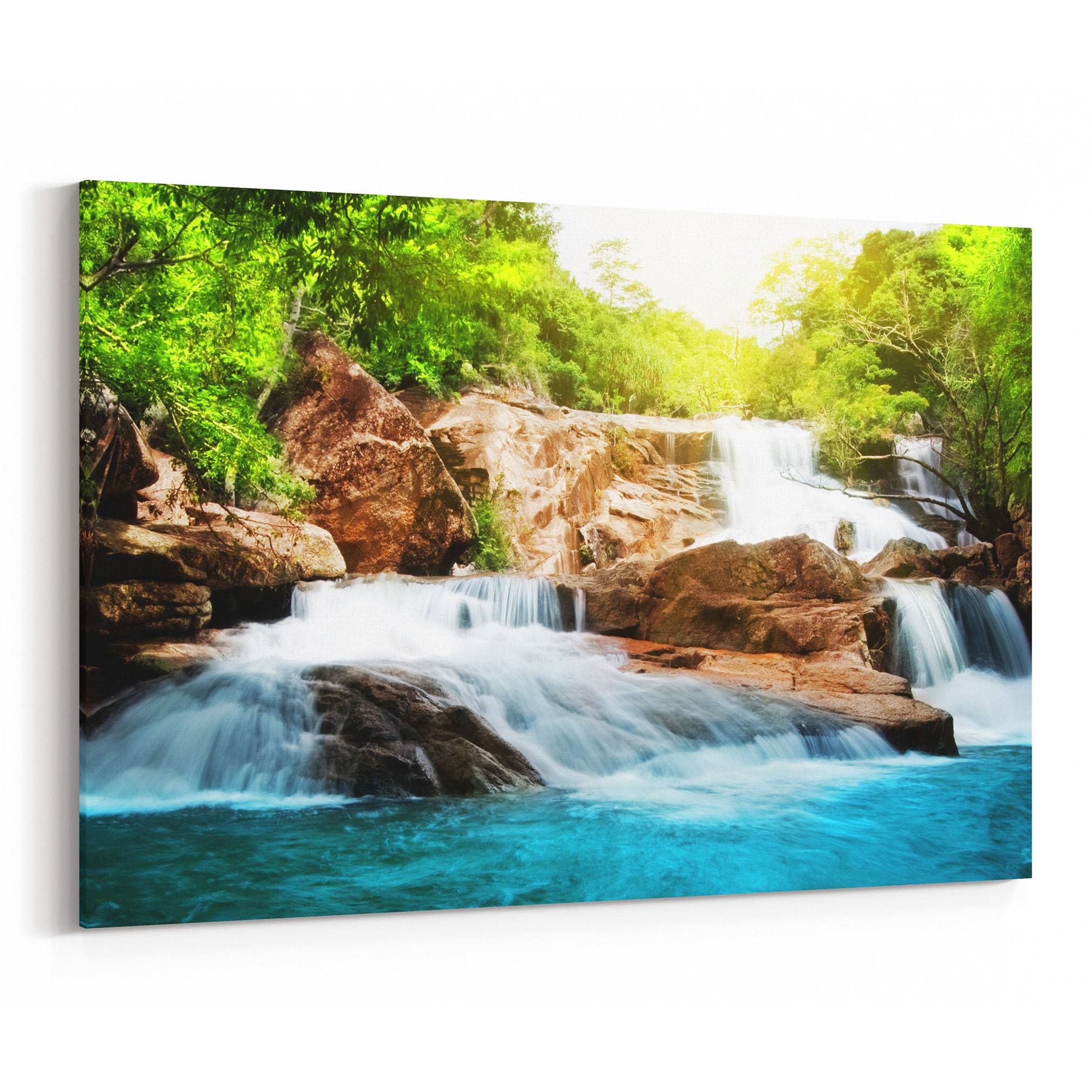
[sps_html tag=”img” src=”https://cdn.theartssection.com/wp-content/uploads/2025/12/waterfall-art-print-multi-panel-wall-art-tropical-poster-etsy-with-the-artistic-journey-of-creating-multi-panel-waterfall-imagery.jpg” alt=”Waterfall Art Print Multi Panel Wall Art Tropical Poster - Etsy with The Artistic Journey of Creating Multi-Panel Waterfall Imagery” style=”width: 100%; height: auto;”]
[sps_html tag=”img” src=”https://cdn.theartssection.com/wp-content/uploads/2025/12/waterfall-painting-on-canvas-at-paintingvalley-com-explore-collection-in-the-artistic-journey-of-creating-multi-panel-waterfall-imagery.jpg” alt=”Waterfall Painting On Canvas At Paintingvalley.com | Explore Collection … in The Artistic Journey of Creating Multi-Panel Waterfall Imagery” style=”width: 100%; height: auto;”]
[sps_html tag=”img” src=”https://cdn.theartssection.com/wp-content/uploads/2025/12/big-waterfall-wall-art-at-june-blackwell-blog-within-the-artistic-journey-of-creating-multi-panel-waterfall-imagery.jpg” alt=”Big Waterfall Wall Art At June Blackwell Blog within The Artistic Journey of Creating Multi-Panel Waterfall Imagery” style=”width: 100%; height: auto;”]
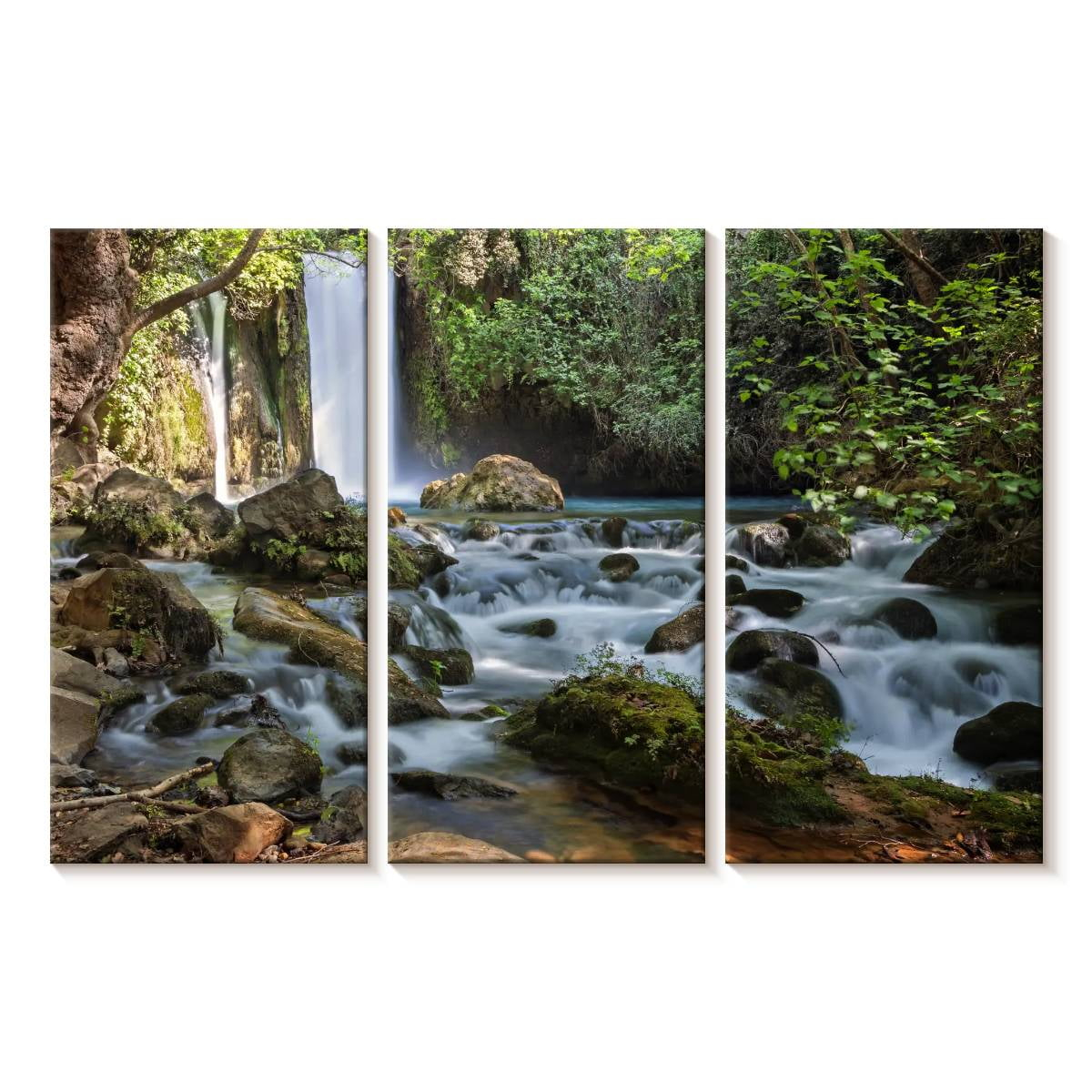
[sps_html tag=”img” src=”https://cdn.theartssection.com/wp-content/uploads/2025/12/elephant-stock-banias-waterfalls-wall-art-horizontal-multi-panel-within-blue-waters-of-huai-mae-kamin-waterfall-landscape-wall-art-4-panels.jpeg” alt=”Elephant Stock Banias Waterfalls Wall Art - Horizontal Multi Panel … within "Blue Waters Of Huai Mae Kamin Waterfall" Landscape Wall Art, 4 Panels” style=”width: 100%; height: auto;”]
[sps_html tag=”img” src=”https://cdn.theartssection.com/wp-content/uploads/2025/12/big-waterfall-wall-art-at-june-blackwell-blog-in-blue-waters-of-huai-mae-kamin-waterfall-landscape-wall-art-4-panels.jpg” alt=”Big Waterfall Wall Art At June Blackwell Blog in "Blue Waters Of Huai Mae Kamin Waterfall" Landscape Wall Art, 4 Panels” style=”width: 100%; height: auto;”]