Have you ever stood before a wall painting that seemed to hold the weight of the sky itself? The way clouds can transform a simple canvas into something that feels both massive and intimate speaks to something deep within us. In contemporary art, heavy clouds aren’t just weather phenomena—they’re powerful compositional tools that artists use to create visual balance and emotional resonance.
When we think about creating visual balance in art, we often focus on geometric shapes, color harmony, or the careful placement of objects. But there’s a quiet revolution happening in contemporary wall art where artists are using heavy clouds as their primary means of achieving that perfect equilibrium. These atmospheric elements, which seem so effortless in nature, become complex architectural decisions when translated onto a wall. What makes a cloud formation feel balanced? How does an artist know when they’ve achieved that elusive visual harmony? These questions drive the creative process for many modern artists working with cloud imagery.
Understanding Cloud Psychology in Art
Clouds carry an almost universal emotional weight. They represent both turmoil and tranquility, the ephemeral and the eternal. When artists incorporate heavy clouds into their work, they’re tapping into this collective subconscious. Consider how a storm cloud might make viewers feel tension, while a soft cumulus might evoke peace. This psychological impact becomes the foundation for visual balance. A well-placed cloud isn’t just about aesthetics—it’s about feeling. The relationship between light and shadow within cloud formations creates natural focal points that guide the eye naturally across the composition. Think about how your gaze moves when you look at a cloudy sky. It’s not random movement, but rather a gentle pull toward the darkest areas and away from the brightest. This same principle applies to wall art, though artists must be more deliberate in their approach.
Composition Techniques for Cloud Balance
Creating visual balance with clouds requires understanding fundamental composition rules. The golden ratio, while useful, doesn’t always apply to atmospheric elements. Instead, artists often rely on what’s called ‘visual weight’ distribution. Heavy clouds naturally carry more visual weight than lighter formations, so balancing them requires strategic placement. One common technique involves placing a large cloud element on one side of the composition and counterbalancing it with smaller, more numerous elements on the other side. Another approach uses negative space effectively—sometimes the empty areas around a cloud can be just as important as the cloud itself. Artists also pay attention to the ‘rule of thirds,’ but adapted for atmospheric elements. The key is not to make the clouds too dominant or too insignificant. They should feel like they belong, like they’re part of a larger conversation happening on the wall.
Color Temperature and Cloud Dynamics
Color plays a crucial role in how clouds appear to weigh down a composition. Warm tones in cloud formations tend to push forward visually, while cool tones recede. This means that a sunset cloud—rich in oranges and reds—will feel heavier than a morning cloud with blues and purples. Many artists use temperature contrast to create balance. For example, a dark gray cloud might be balanced by a bright white cloud on the opposite side of the composition. Some artists even experiment with monochromatic cloud schemes, using varying shades of gray to create depth and movement. The interplay between warm and cool tones becomes a silent conversation that draws the viewer deeper into the artwork. It’s worth noting that these color choices also affect how people perceive the emotional tone of the piece.
Texture and Movement in Cloud Art
Texture adds another dimension to cloud-based compositions. Smooth, soft edges in clouds create a sense of calm, while sharp, defined edges suggest tension. Artists often play with these textural contrasts to enhance balance. A soft, feathery cloud might be balanced by a more structured, angular formation elsewhere in the piece. Movement is equally important. Clouds naturally move, and this motion can be represented through brush strokes, layering techniques, or even through the implied direction of shadows. When artists create visual movement in their cloud work, they’re helping the viewer’s eye travel across the entire surface of the artwork. This is particularly effective in large-scale wall pieces where the viewer needs to move around to fully experience the composition. The sense of motion helps prevent the artwork from feeling static or flat.
Scale and Proportion Challenges
One of the trickiest aspects of working with heavy clouds is getting scale right. A cloud that looks perfectly balanced in a small sketch might appear overwhelming in a large wall installation. Artists must consider the actual viewing distance and how proportions change when seen from different angles. Often, artists begin with small studies to understand how their cloud formations will translate to full scale. They might use a grid system to ensure proportional consistency. Sometimes, the most effective approach is to make some clouds appear slightly larger or smaller than they would in reality, creating a sense of intentional imbalance that ultimately feels right. The key is maintaining the illusion of natural physics while serving the artistic vision.
Practical Tips for Aspiring Artists
• Start with simple cloud shapes and gradually build complexity
• Study how real clouds behave in different lighting conditions
• Practice drawing clouds from various perspectives
• Experiment with different media to see how texture affects perception
• Use reference photos but don’t copy them directly
• Try working with limited color palettes first
• Consider how the wall space will affect your final piece
• Test your compositions at different distances
• Don’t be afraid to make clouds larger than they might be in nature
• Practice balancing multiple cloud elements simultaneously
• Pay attention to how shadows fall on your cloud forms
• Study how famous artists like Jackson Pollock or Mark Rothko handled atmospheric elements
Creating visual balance with heavy clouds in contemporary wall art is both an art and a science. It combines our understanding of psychology, composition, and visual perception with the raw beauty of natural phenomena. The most successful artists don’t simply paint clouds—they craft experiences that make viewers feel the weight of sky itself. Whether you’re a seasoned artist or someone who simply appreciates beautiful wall art, understanding how clouds contribute to visual balance opens up new ways of seeing and creating. The next time you stand before a wall painting with dramatic cloud formations, take a moment to notice how the artist has managed to create such profound visual harmony. You’ll find that the secrets often lie in the smallest details—the way light catches on a cloud edge, how shadows fall across the composition, or how the artist has used negative space to create breathing room. These are the subtle magic tricks that transform a simple cloud into a masterpiece.
[sps_html tag=”img” src=”https://cdn.theartssection.com/wp-content/uploads/2025/12/landscape-pictures-for-living-room-at-dianna-wagner-blog-regarding-how-contemporary-landscape-wall-art-transforms-interior-spaces-scaled.jpg” alt=”Landscape Pictures For Living Room At Dianna Wagner Blog regarding How Contemporary Landscape Wall Art Transforms Interior Spaces” style=”width: 100%; height: auto;”]
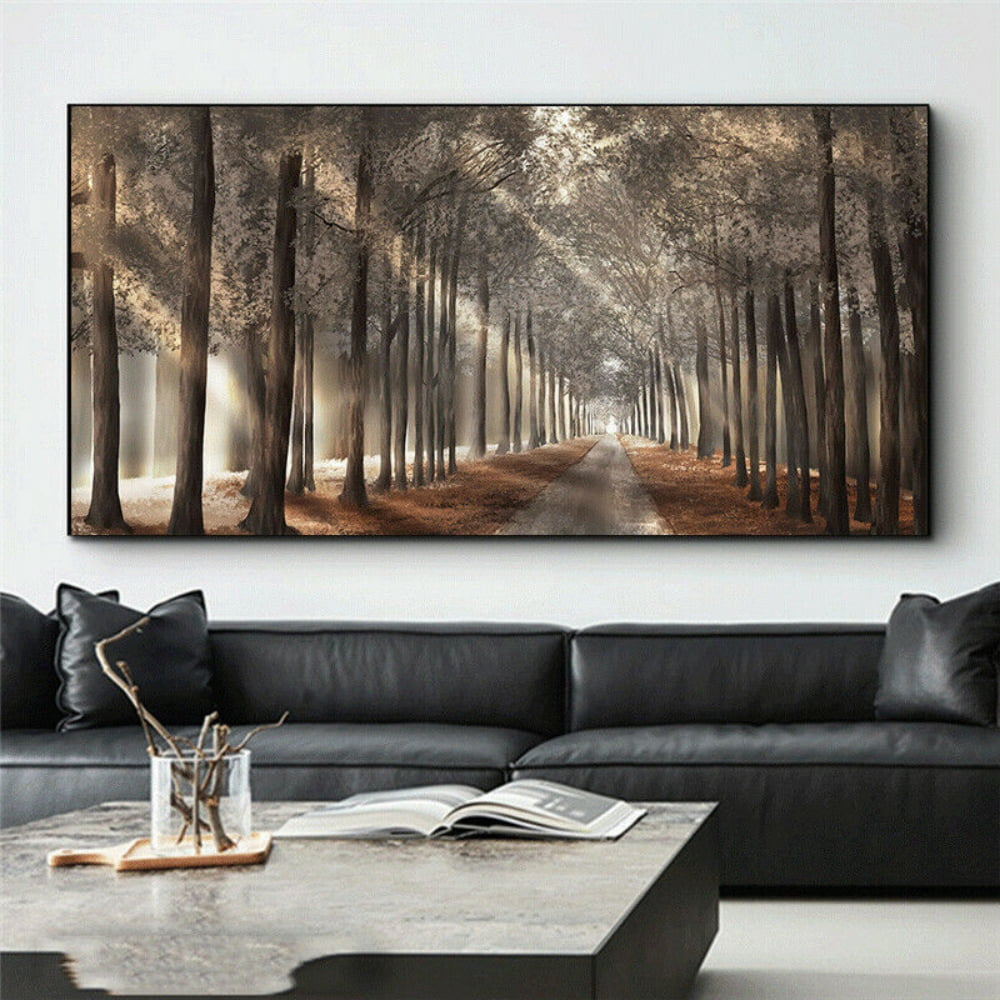
[sps_html tag=”img” src=”https://cdn.theartssection.com/wp-content/uploads/2025/12/forest-canvas-wall-art-living-room-wall-decor-large-nature-unframed-regarding-how-contemporary-landscape-wall-art-transforms-interior-spaces.jpeg” alt=”Forest Canvas Wall Art Living Room Wall Decor Large Nature Unframed … regarding How Contemporary Landscape Wall Art Transforms Interior Spaces” style=”width: 100%; height: auto;”]
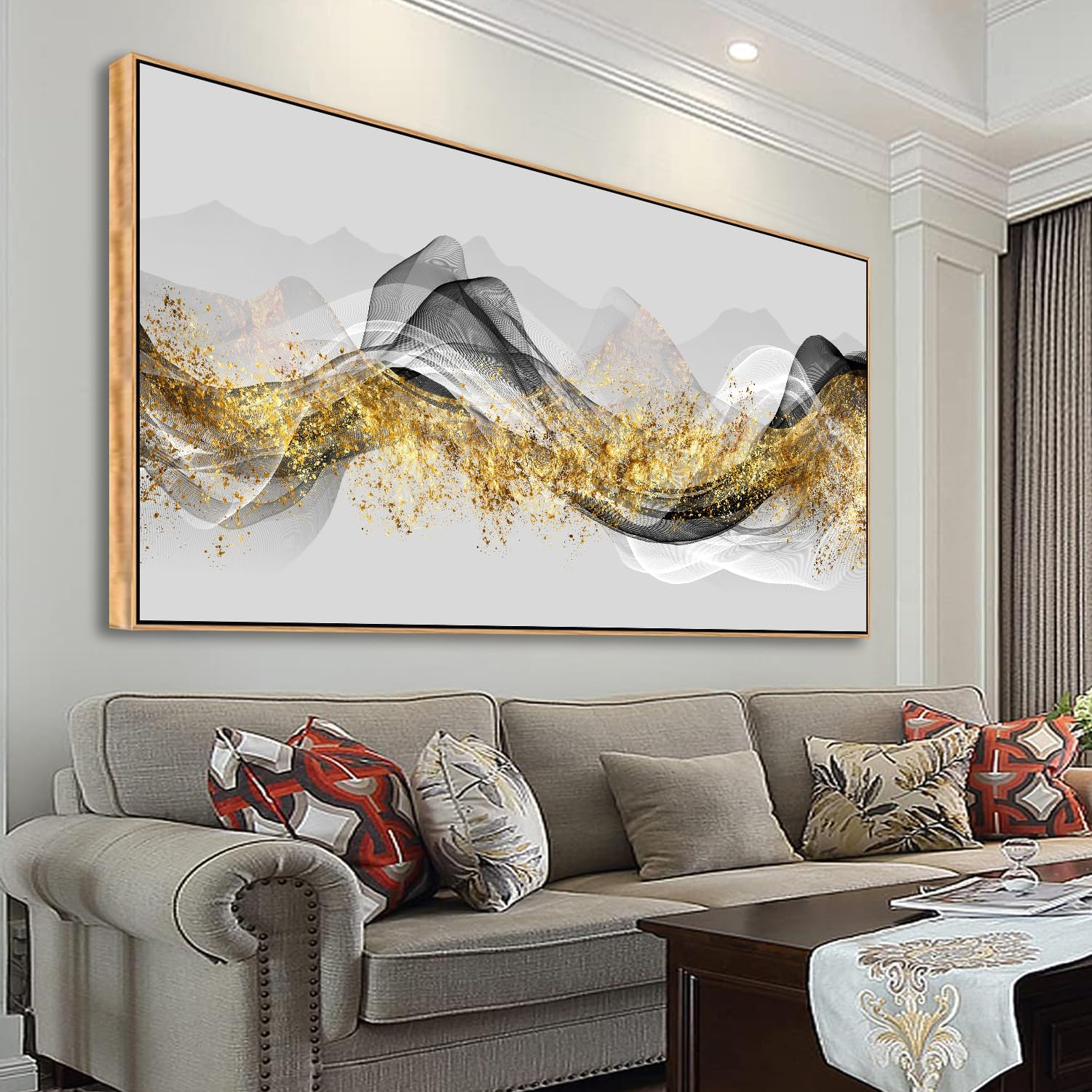
[sps_html tag=”img” src=”https://cdn.theartssection.com/wp-content/uploads/2025/12/amazon-com-tucai-decor-wall-art-modern-light-luxury-abstract-gold-ink-with-regard-to-how-contemporary-landscape-wall-art-transforms-interior-spaces.jpg” alt=”Amazon.com: Tucai Decor Wall Art Modern Light Luxury Abstract Gold Ink … with regard to How Contemporary Landscape Wall Art Transforms Interior Spaces” style=”width: 100%; height: auto;”]
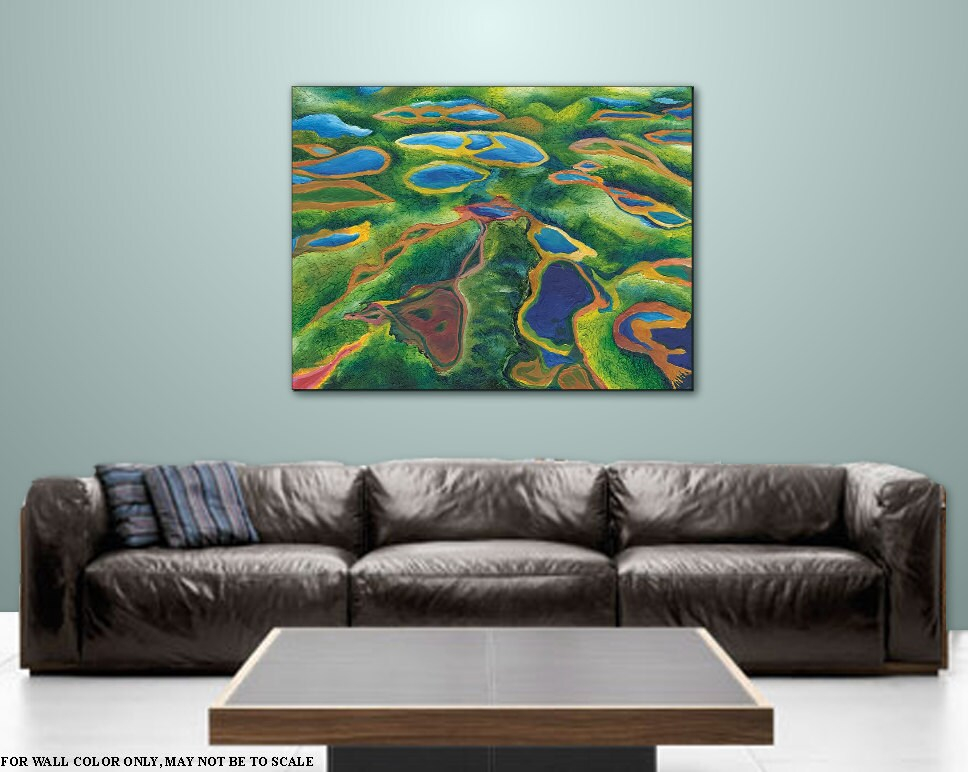
[sps_html tag=”img” src=”https://cdn.theartssection.com/wp-content/uploads/2025/12/art-home-decor-contemporary-landscape-wall-art-blue-green-painting-throughout-sky-above-dark-heavy-clouds-contemporary-landscape-wall-art-1-panel.jpg” alt=”Art Home Decor Contemporary Landscape Wall Art, Blue Green Painting … throughout "Sky Above Dark Heavy Clouds" Contemporary Landscape Wall Art, 1 Panel” style=”width: 100%; height: auto;”]
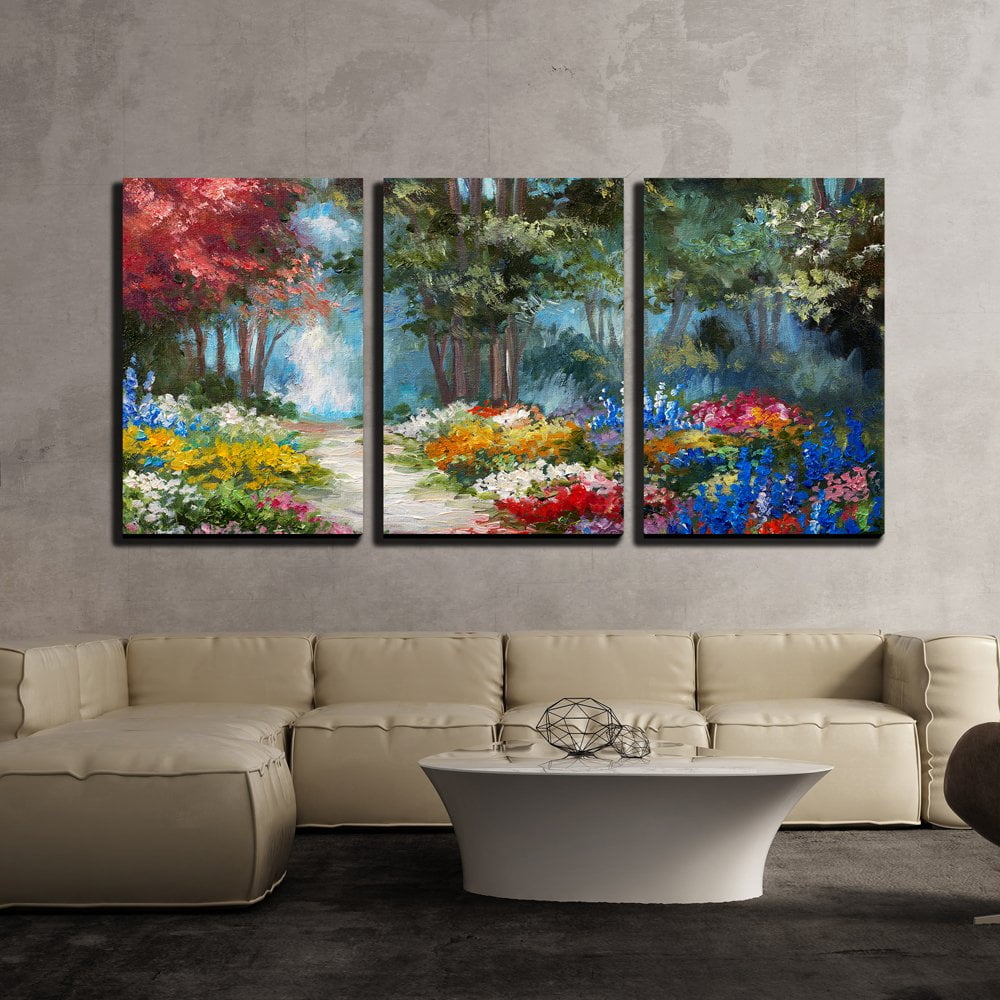
[sps_html tag=”img” src=”https://cdn.theartssection.com/wp-content/uploads/2025/12/wall26-3-piece-canvas-wall-art-oil-painting-landscape-colorful-throughout-how-contemporary-landscape-wall-art-transforms-interior-spaces.jpeg” alt=”Wall26 - 3 Piece Canvas Wall Art - Oil Painting Landscape - Colorful … throughout How Contemporary Landscape Wall Art Transforms Interior Spaces” style=”width: 100%; height: auto;”]