New York’s skyline transforms after dark, becoming a canvas for artists who see beyond the obvious. The way light hits the buildings, the reflections on wet streets, and the glow from countless windows create a different world entirely. For those who paint, draw, or photograph the city after hours, nightfall isn’t just a time—it’s an entire artistic universe waiting to be explored.
There’s something magical about New York City after the sun sets. While daytime New York might feel like a bustling marketplace of activity, nightfall brings a completely different energy. The city doesn’t simply shut down—instead, it reveals its hidden layers. Artists have long understood this phenomenon. They know that the way shadows dance across the concrete, how neon signs blur into streaks of color, and how the city’s architecture takes on new meaning under artificial light creates a world that’s both familiar and foreign. This transformation isn’t just visible to the eye—it’s felt, breathed, and experienced through every brushstroke, camera lens, and creative gesture. What happens when the city sleeps? When the lights come on? When artists begin their work? That’s exactly what we’re going to explore together.
The Changing Face of Manhattan
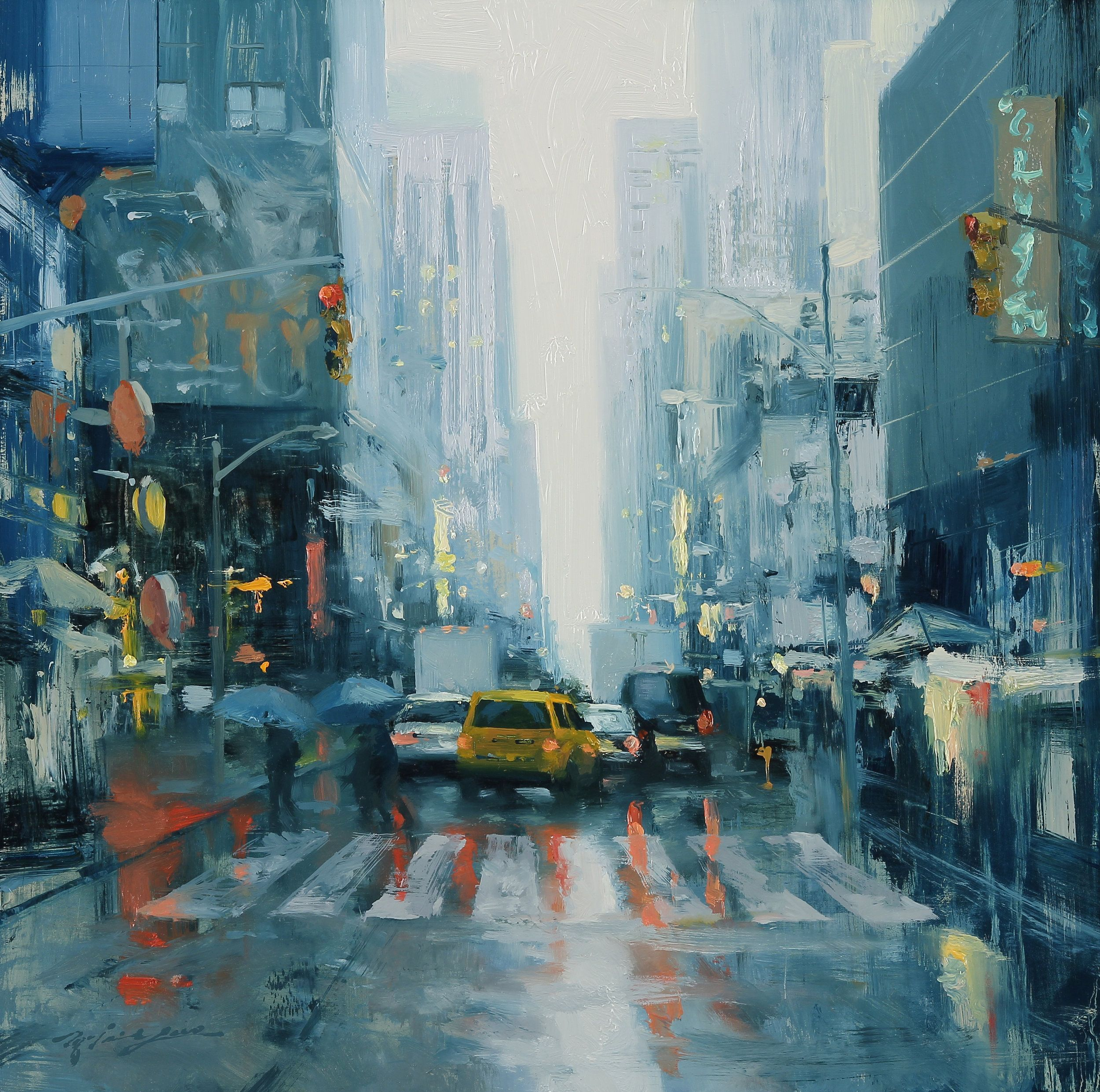
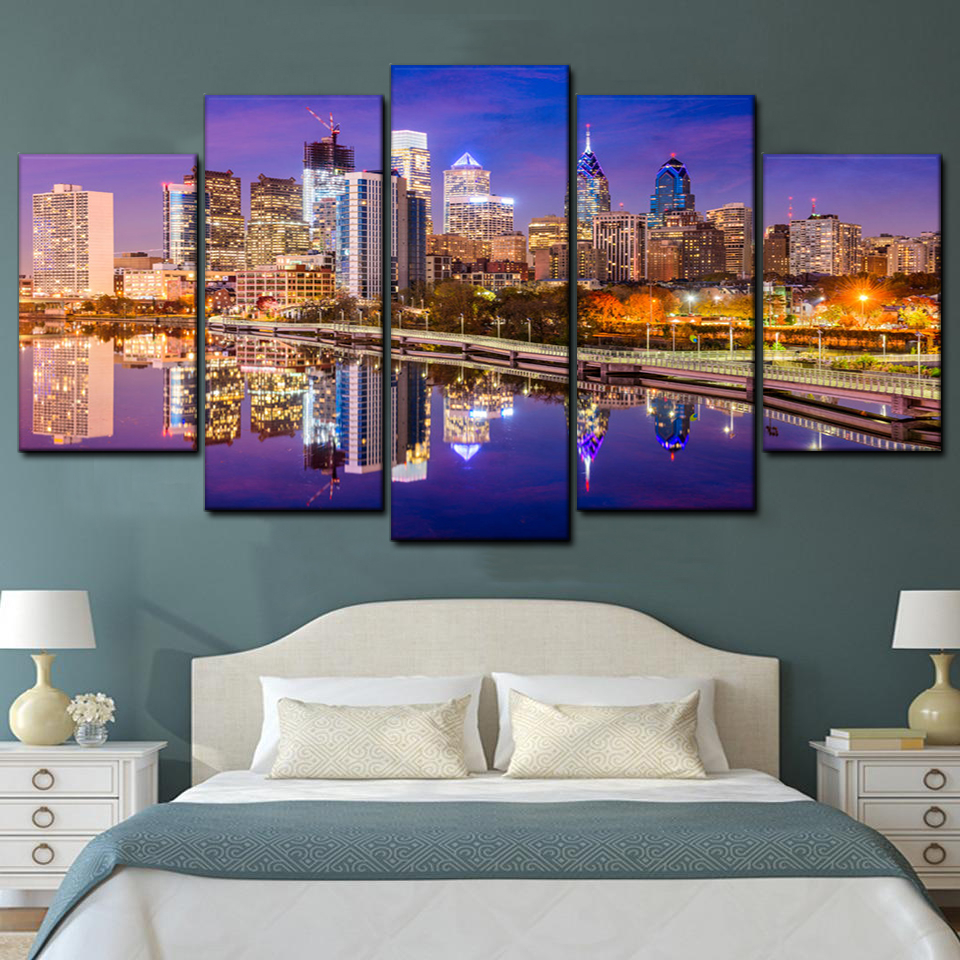
Manhattan’s famous skyline becomes a different kind of masterpiece once darkness falls. During the day, you might notice the glass towers, the steel frames, the architectural lines that define the city’s shape. But at night, those same buildings become glowing beacons. The Empire State Building’s iconic beacon, Times Square’s massive digital displays, and the countless windows of office buildings transform the island into a constellation of lights. Artists often describe this shift as seeing the city’s soul rather than just its structure. The bright lights reflect off rain-soaked sidewalks, creating a mirror-like effect that stretches for blocks. Streetlights become leading actors in the nighttime drama, casting long shadows that seem to tell stories of their own. Some artists prefer to focus on the interplay between natural and artificial light, watching how the moonlight mixes with street lamps and building illumination. This creates a layered visual experience that changes constantly. The colors aren’t just red, blue, or yellow anymore—they’re the result of mixing ambient light, reflecting surfaces, and the city’s own electric heartbeat.
Street Art and Urban Expression
Nightfall gives street artists a whole new playground. While many graffiti writers work during daylight hours, the nighttime offers unique advantages. Less security, fewer people around, and a different kind of energy all combine to create conditions that some artists find inspiring. The way light hits spray-painted tags can make them appear three-dimensional or even glow. Artists like Banksy have used the night as a backdrop for their political statements, making their work both temporary and eternal. In the underground art scene, many painters work in the dark, using flashlights or battery-powered lights to create their pieces. The challenge is real—the darkness makes everything harder to see, but it also creates opportunities. The contrast between dark alleyways and illuminated storefronts provides endless inspiration. Many artists report that working at night helps them see the city differently, discovering corners and details they might have missed during the day. Some use night photography to document these works, capturing the raw energy of urban creativity after hours.
Photography Under the Neon Glow
Photographers have been drawn to New York’s nightlife since the early days of the city’s development. The challenge of capturing movement in low light, the way light pollution affects the overall composition, and the need for longer exposure times all create a unique set of problems and solutions. Night photography requires patience, understanding of lighting, and sometimes a bit of luck. Many photographers wait for the perfect moment when the city’s lights create a pattern that tells a story. The famous ‘City of Dreams’ shots often feature the interplay between man-made light and natural darkness. Some photographers use long exposures to show the movement of traffic, creating streaks of light that trace the paths of cars and buses. Others focus on capturing the reflection of lights on wet pavement or the way shadows fall across building facades. The golden hour before full darkness often provides the best conditions for many photographers, as the sky still holds some natural light while the city begins to illuminate. This transition period can be particularly beautiful, with the last rays of sunlight mixing with the growing glow of streetlights.
Painting the City’s Hidden Corners
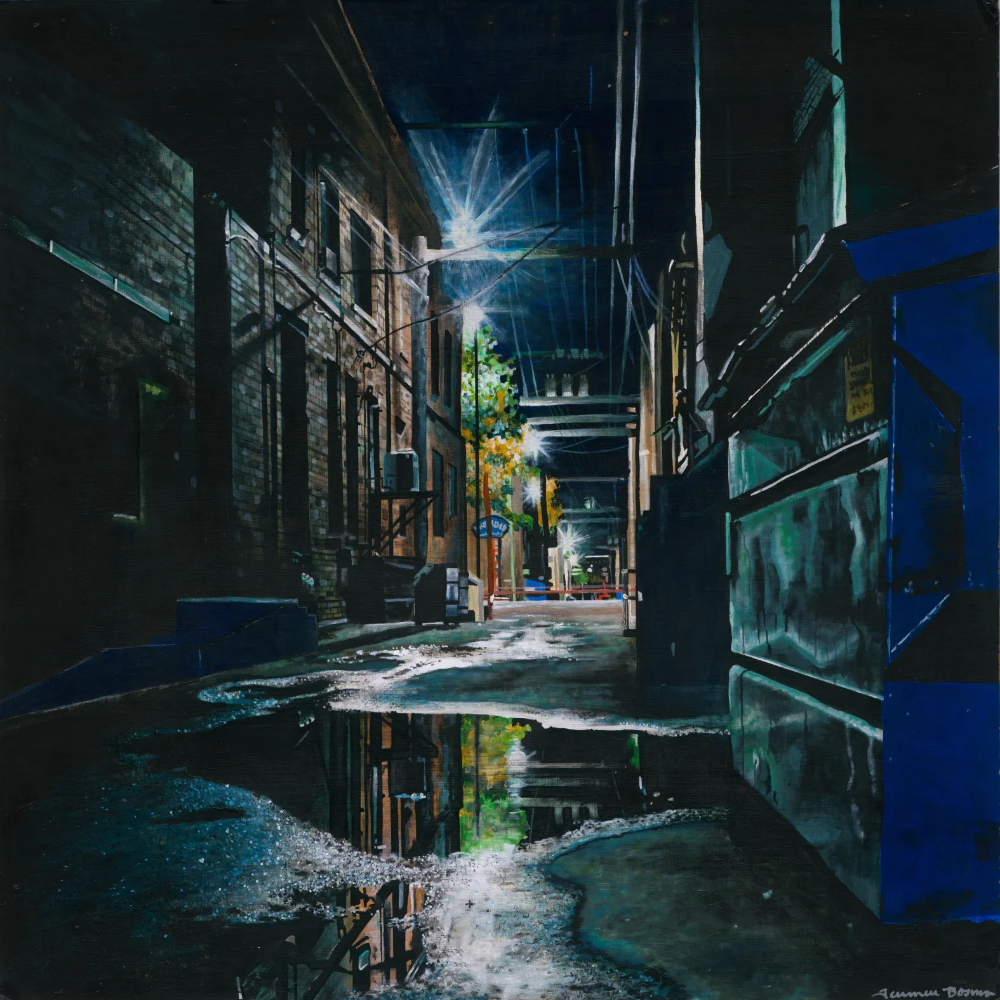
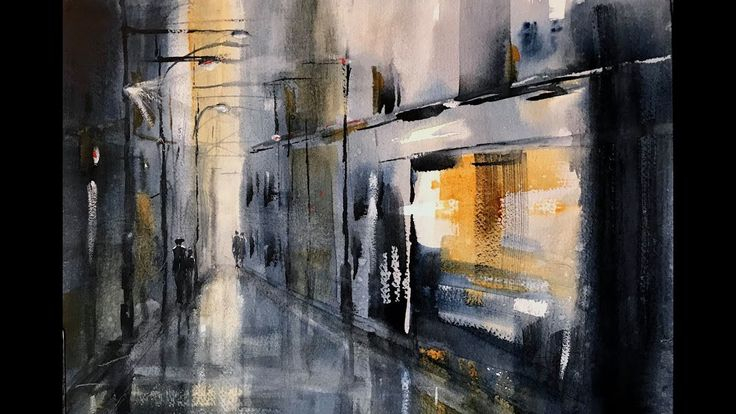
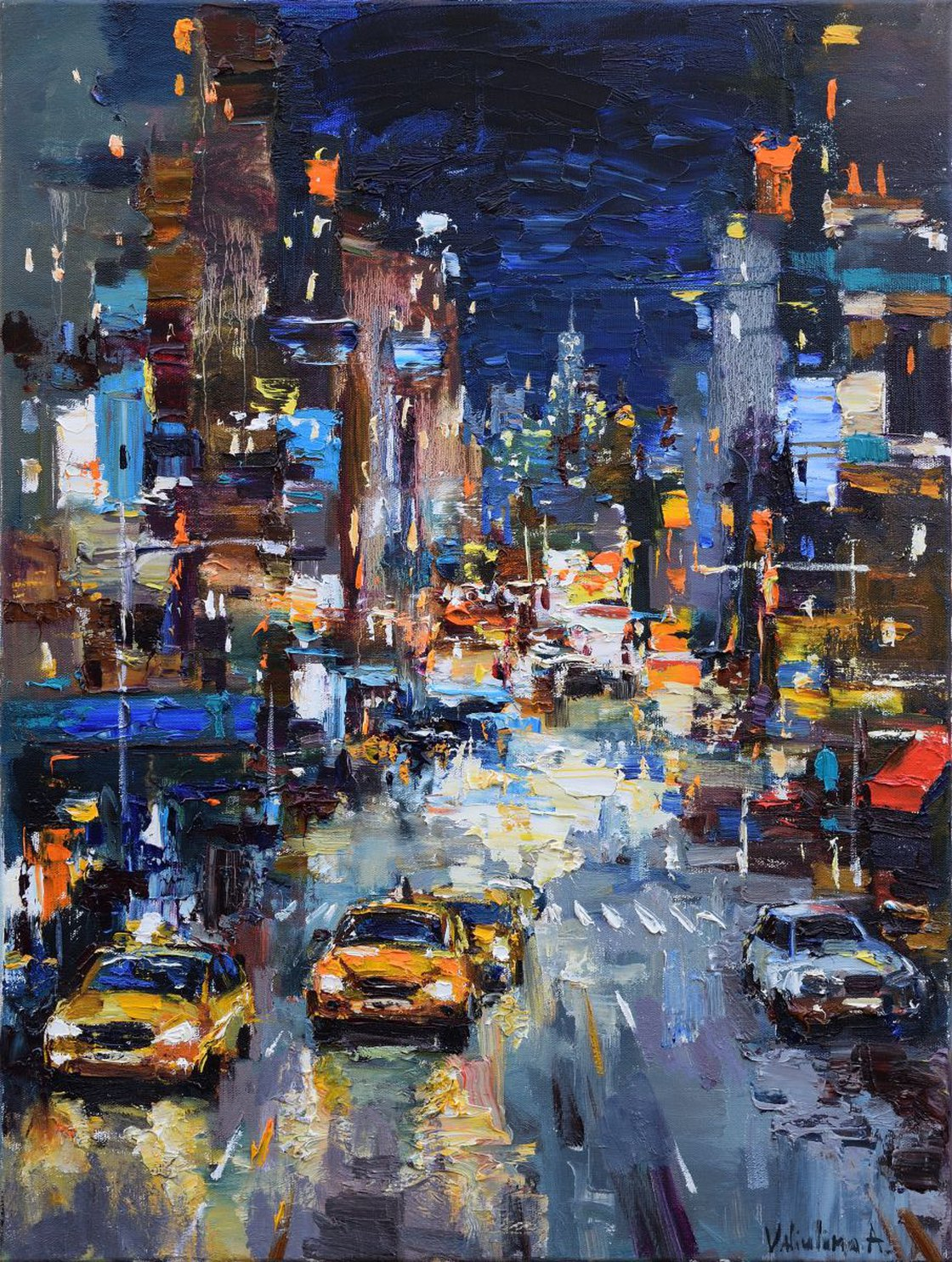
For painters, nightfall opens up a whole new realm of possibilities. The way light filters through buildings, the way shadows create depth, and the way the city’s rhythm changes after dark all provide rich material for artistic expression. Some painters choose to work outdoors, setting up their easels in quiet corners of the city where they can observe the changing light. Others prefer to work in studios, using photographs taken during the evening hours as references. The colors they choose often reflect the mood of the city after dark. Cool blues and purples dominate the palette during early evening, while warmer oranges and yellows take over as the night deepens. Some artists find that painting at night helps them see the city’s true character. The way streetlights cast circles of light on the sidewalk, the way reflections catch the eye, and the way shadows create a sense of mystery all become part of the artistic vocabulary. The challenge lies in translating these fleeting moments into lasting images that capture both the visual and emotional essence of the city after dark.
Music and Performance in the Dark
The night also brings out a different kind of artistic expression in New York. Jazz clubs, underground music venues, and street performers all find their audience after dark. Musicians often describe the night as a time when they can experiment more freely, when the city itself seems to become part of their performance. The acoustics change dramatically after dark, with fewer people around and different sound reflections. Many musicians find that playing in the evening allows them to connect with their audience on a deeper level. The way the city’s lights reflect off the windows of concert halls, the way sound carries differently through the air at night, and the way people move through the streets during evening hours all influence the musical experience. Street performers often choose locations near illuminated buildings or busy intersections where they can catch the attention of passersby. The atmosphere is different—more intimate, more mysterious, more alive. Many artists credit the nighttime environment with helping them discover new aspects of their craft.
The Emotional Impact of Night Art
What really sets night art apart is its emotional resonance. Artists often describe feeling a different connection to the city after dark. The solitude of evening hours, the way the city feels more personal and intimate, and the contrast between light and shadow all contribute to a unique emotional landscape. Some artists find that working in the dark helps them process their feelings about urban life. The city’s energy shifts after sunset, and artists often feel they’re capturing something essential about modern living. The way people move differently at night, the way conversations change, and the way the city’s pace slows down enough to notice small details all become part of the artistic narrative. Many artists report that their nighttime work feels more honest, more authentic. The city’s nocturnal side reveals things that might be hidden during the day—quiet moments of reflection, hidden stories, and intimate interactions between people and their environment. The emotional weight of night art often comes from this sense of discovery, of finding something unexpected in the familiar.
Nightfall in New York City isn’t just the end of one day and the beginning of another—it’s a complete artistic transformation. From the way light plays across skyscrapers to the way musicians perform in dimly lit venues, the city after dark offers a wealth of inspiration for creative minds. Whether through photography, painting, street art, or music, artists continue to find new ways to express what they see and feel in the city’s nocturnal world. The challenge isn’t just technical—it’s emotional, spiritual, and deeply personal. Every brushstroke, every photograph, every performance captures not just the physical appearance of the city, but its soul. What started as a simple shift from day to night has evolved into a rich artistic tradition that continues to grow and change. As long as New York exists, there will always be something new to discover after dark, and someone ready to capture it for others to see. The city’s nighttime beauty isn’t just about the lights—it’s about the human experience that happens when the world gets quieter, when the city reveals its secrets, and when artists can finally see what everyone else has been missing.
[sps_html tag=”img” src=”https://cdn.theartssection.com/wp-content/uploads/2025/11/tanner-bosma-alley-acrylic-painting-of-an-urban-cityscape-alley-at-in-understanding-the-urban-landscape-through-nighttime-canvas-art.png” alt=”Tanner Bosma, Alley. Acrylic Painting Of An Urban Cityscape/Alley At … in Understanding the Urban Landscape Through Nighttime Canvas Art” style=”width: 100%; height: auto;”]
[sps_html tag=”img” src=”https://cdn.theartssection.com/wp-content/uploads/2025/11/night-city-street-original-urban-landscape-painting-oil-painting-intended-for-blue-new-york-city-at-night-panorama-cityscape-canvas-print60x28-1-panel.jpg” alt=”Night City Street - Original Urban Landscape Painting Oil Painting … intended for "Blue New York City At Night" Panorama Cityscape Canvas Print60"X28", 1 Panel” style=”width: 100%; height: auto;”]
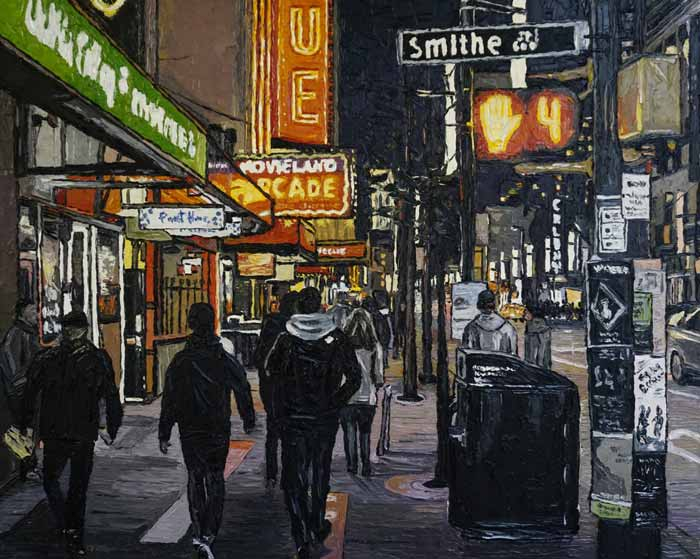
[sps_html tag=”img” src=”https://cdn.theartssection.com/wp-content/uploads/2025/11/urban-canvas-painting-at-irene-troyer-blog-within-understanding-the-urban-landscape-through-nighttime-canvas-art.jpg” alt=”Urban Canvas Painting At Irene Troyer Blog within Understanding the Urban Landscape Through Nighttime Canvas Art” style=”width: 100%; height: auto;”]
[sps_html tag=”img” src=”https://cdn.theartssection.com/wp-content/uploads/2025/11/beautiful-paintings-of-the-natural-and-urban-city-landscape-trendyartideas-inside-blue-new-york-city-at-night-panorama-cityscape-canvas-print60x28-1-panel.jpg” alt=”Beautiful Paintings Of The Natural And Urban City Landscape -Trendyartideas inside "Blue New York City At Night" Panorama Cityscape Canvas Print60"X28", 1 Panel” style=”width: 100%; height: auto;”]
[sps_html tag=”img” src=”https://cdn.theartssection.com/wp-content/uploads/2025/11/paint-a-loose-urban-cityscape-at-night-watercolor-tutorial-demo-urban-in-blue-new-york-city-at-night-panorama-cityscape-canvas-print60x28-1-panel.jpg” alt=”Paint A Loose Urban Cityscape At Night, Watercolor Tutorial/Demo, Urban … in "Blue New York City At Night" Panorama Cityscape Canvas Print60"X28", 1 Panel” style=”width: 100%; height: auto;”]