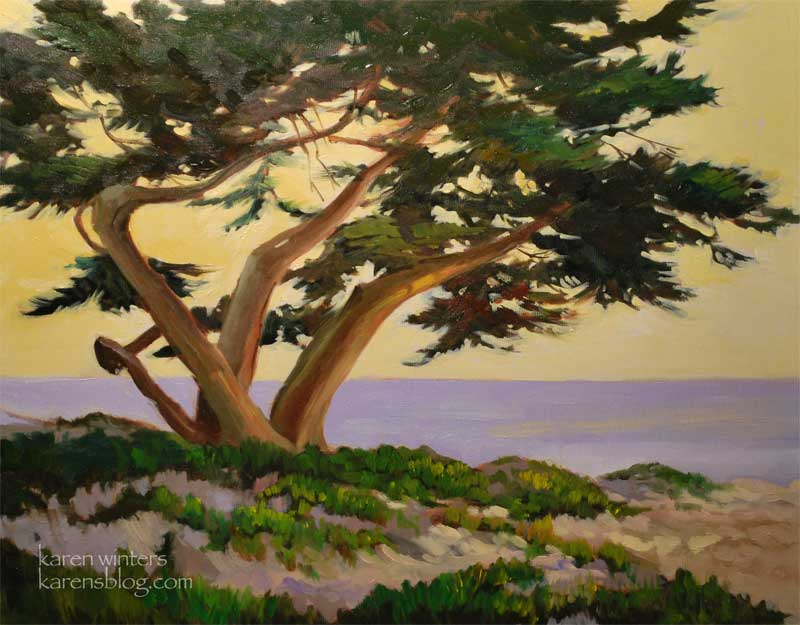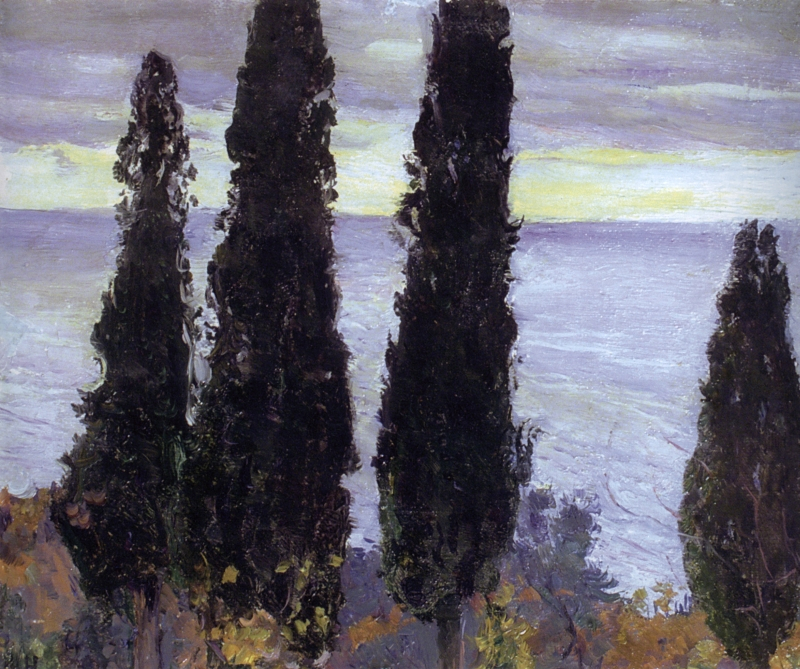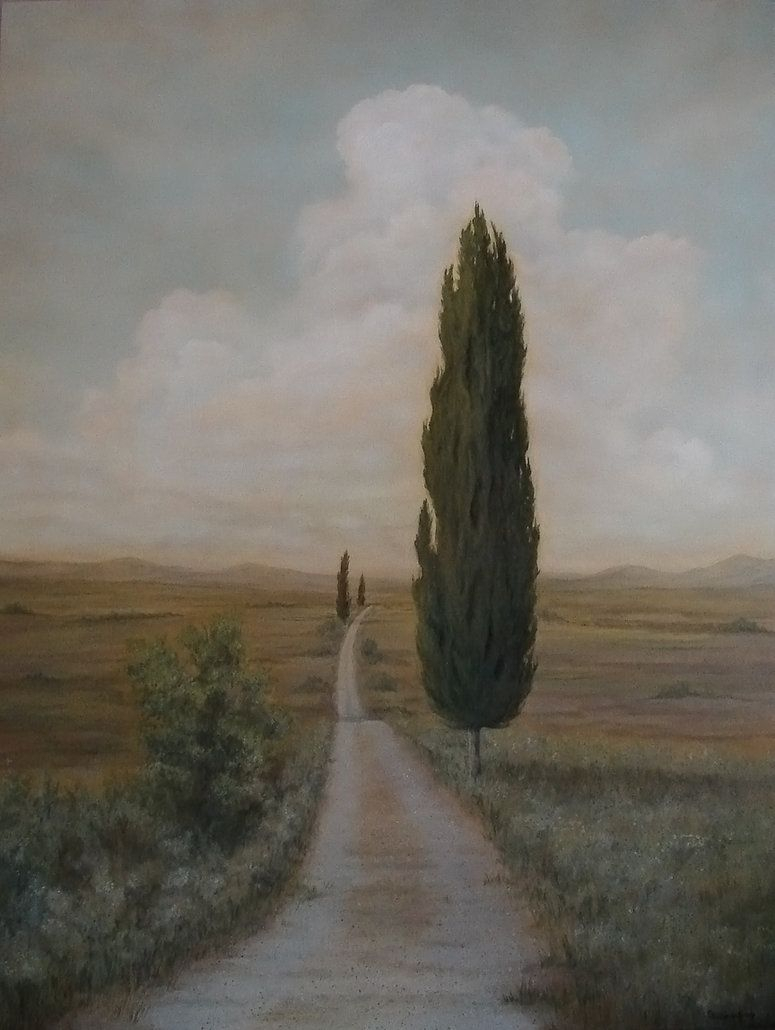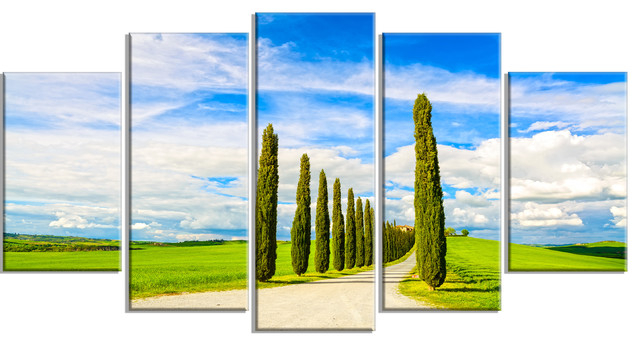
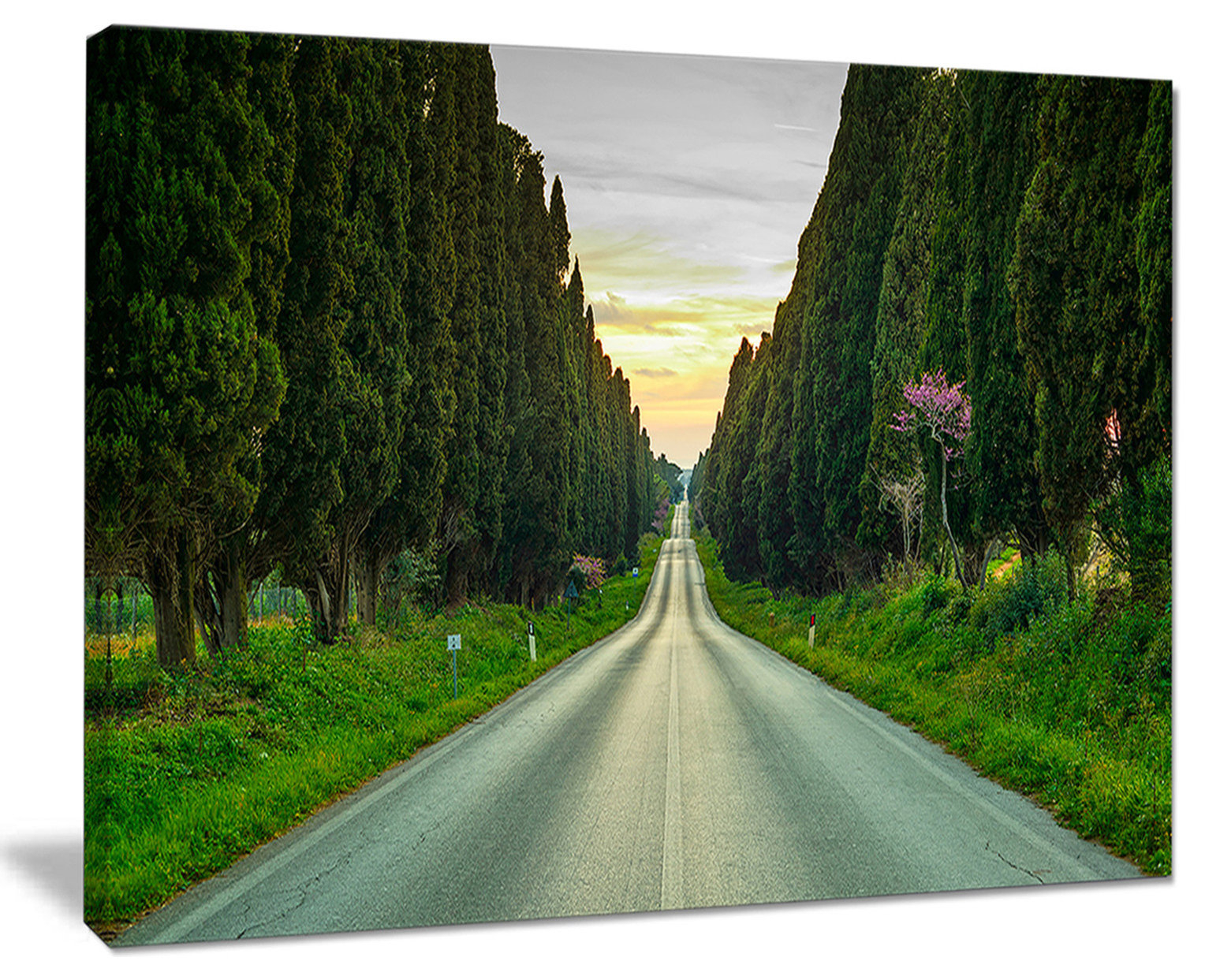
In the quiet corners of art history, a particular motif whispers profound messages through its ancient forms. Cypress trees, those towering sentinels of the landscape, have been telling stories for centuries. When we examine four-panel cypress tree landscape prints, we’re looking at a rich tapestry of symbolism that speaks to our deepest human experiences. These aren’t just pretty pictures – they’re windows into cultural beliefs, spiritual concepts, and timeless truths about life and death.
Picture this: you’re standing before a traditional Japanese or Chinese landscape print, divided into four distinct panels. Each panel features a majestic cypress tree, but something feels different about them. The way they’re positioned, the subtle variations in their forms, the careful spacing between them – all of it tells a story. These aren’t random arrangements. They represent something far deeper than mere decoration. The cypress tree has always held special significance in Asian artistic traditions, often serving as a bridge between earthly and spiritual realms. What makes these four-panel compositions particularly fascinating is how each tree can carry its own meaning while contributing to a larger narrative. The arrangement itself becomes a form of communication, a visual language that artists used to convey complex ideas about time, mortality, and the eternal cycle of existence.
Cypress Trees: Ancient Symbols of Eternity
The cypress tree stands as one of nature’s most enduring symbols across cultures. In many traditions, these trees represent longevity and immortality. Their evergreen nature means they remain green year-round, even when everything else around them fades. This characteristic has made them powerful symbols of continuity and eternal life. When artists chose to depict cypress trees in their works, they weren’t just showing a plant – they were invoking a deep-seated human desire for permanence. In Chinese culture, cypress trees specifically symbolize loyalty and steadfastness. They’re often associated with officials and scholars who embody these virtues. The four-panel composition amplifies this symbolism by creating multiple instances of this enduring presence. Each tree becomes a testament to something lasting, something that transcends the temporary nature of human life. The repetition reinforces the idea that while individual lives may pass, certain principles and values endure forever.
The Four-Panel Structure: A Visual Narrative
Why four panels? This isn’t arbitrary. The number four carries significant weight in many Asian philosophies. It represents completeness, stability, and the four seasons. When artists arranged cypress trees in four panels, they created a structured framework that could tell a complete story. Imagine the progression from spring to winter, from growth to dormancy, from birth to rest. Each panel might show a different aspect of the tree’s life cycle or represent a different season. The viewer moves through these panels like reading pages of a book, experiencing the full arc of time and change. Some compositions feature trees of varying ages, from young saplings to ancient giants. Others might show the same tree through different times of day or weather conditions. The four-panel structure creates a rhythm, a cadence that guides the viewer’s eye and mind through a carefully orchestrated visual experience.
Seasonal Transformations and Life Cycles
One of the most compelling aspects of these prints is how they capture seasonal changes. A cypress tree in spring might appear fresh and vibrant, with new growth pushing through bare branches. By autumn, it could show signs of preparation for winter, its leaves changing colors and textures. Winter brings the tree’s most dramatic form – stripped of foliage but still standing strong against harsh conditions. These transformations mirror human experiences of growth, maturity, and eventual decline. The artist’s skill lies in capturing these changes while maintaining the tree’s essential character. In some prints, the trees appear to age progressively from left to right, suggesting the passage of time. In others, they represent different stages of human life – youth, adulthood, wisdom, and old age. The cypress tree becomes a metaphor for the human journey, resilient and unyielding despite life’s challenges.
Spiritual Dimensions and Sacred Spaces
Beyond their physical appearance, cypress trees often serve as gateways to sacred spaces. In many traditions, they’re believed to connect heaven and earth. Their tall, straight trunks seem to pierce the sky, while their roots run deep into the earth. This duality makes them powerful symbols in religious and spiritual contexts. In Buddhist art, cypress trees frequently appear near temples or monasteries, representing the path to enlightenment. In Taoist philosophy, they symbolize the balance between yin and yang forces. The four-panel arrangement might show a tree in different spiritual states or contexts. Perhaps one panel shows the tree in a garden setting, another in a mountainous region, and yet another in a burial site. Each location adds layers of meaning to the overall composition. The viewer begins to understand that the cypress tree isn’t just a tree – it’s a bridge between worlds, a symbol of transcendence and connection.
Cultural Variations and Regional Interpretations
While cypress trees share common symbolic meanings, their interpretations vary significantly across cultures. In Japanese art, cypress trees often represent the concept of mono no aware – the bittersweet awareness of transience. They remind viewers that beauty is fleeting, yet this very impermanence makes it precious. Chinese artists might emphasize the tree’s strength and endurance, seeing it as a model for moral character. Korean traditions sometimes associate cypress trees with ancestral spirits, believing they serve as guardians of the dead. The four-panel format allows artists to blend these various cultural perspectives within a single work. You might see elements that reflect multiple traditions simultaneously. This cross-cultural dialogue makes the prints even more complex and interesting to study. Each panel could carry a different regional interpretation, creating a rich mosaic of meanings that speak to diverse audiences.
Artistic Techniques and Visual Impact
The technical execution of these prints reveals much about their intended impact. Artists employed specific techniques to emphasize the symbolic nature of cypress trees. Brush strokes might vary depending on whether they’re depicting spring growth or winter dormancy. The artist might use different ink tones to show depth and age, or employ careful negative space to highlight the tree’s imposing presence. In some cases, the trees are rendered with extraordinary detail, almost photographic realism, while in others they’re stylized to emphasize their symbolic qualities. The four-panel structure allows for experimentation with perspective and scale. One tree might appear dominant and central, while another seems distant and contemplative. The interplay between light and shadow, between foreground and background, creates a sense of movement and drama that draws viewers into the symbolic world being presented. The careful attention to these details shows how much thought went into every element of the composition.
When we look closely at these four-panel cypress tree landscape prints, we’re not just observing beautiful art – we’re witnessing centuries of accumulated wisdom and meaning. Each tree, each panel, each carefully chosen detail contributes to a larger conversation about life, death, time, and eternity. The cypress tree’s ability to remain green through all seasons makes it a perfect symbol for the enduring aspects of human experience. The four-panel structure gives artists the opportunity to explore these themes comprehensively, creating works that unfold like stories over time. These prints remind us that art isn’t just about aesthetics – it’s about understanding ourselves and our place in the universe. Whether you’re a seasoned art historian or someone encountering these works for the first time, there’s always something new to discover in the silent language of cypress trees. The deeper you look, the more layers of meaning reveal themselves, making each viewing a new discovery. The cypress tree continues to speak to us across cultures and centuries, offering timeless insights into what makes us human.
[sps_html tag=”img” src=”https://cdn.theartssection.com/wp-content/uploads/2025/12/white-road-through-cypress-trees-landscape-wall-art-print-60×32-in-exploring-the-symbolism-in-white-road-through-cypress-trees-artistic-expression.jpg” alt=”"White Road Through Cypress Trees" Landscape Wall Art Print, 60"X32 … in Exploring the Symbolism in White Road Through Cypress Trees Artistic Expression” style=”width: 100%; height: auto;”]
[sps_html tag=”img” src=”https://cdn.theartssection.com/wp-content/uploads/2025/12/cypress-tree-tuscan-art-aesthetic-painting-landscape-art-inside-white-road-through-cypress-trees-landscape-wall-art-print-4-panels.jpg” alt=”Cypress Tree | Tuscan Art, Aesthetic Painting, Landscape Art inside "White Road Through Cypress Trees" Landscape Wall Art Print, 4 Panels” style=”width: 100%; height: auto;”]
[sps_html tag=”img” src=”https://cdn.theartssection.com/wp-content/uploads/2025/12/cypress-tree-painting-within-white-road-through-cypress-trees-landscape-wall-art-print-4-panels.jpg” alt=”Cypress Tree Painting within "White Road Through Cypress Trees" Landscape Wall Art Print, 4 Panels” style=”width: 100%; height: auto;”]
[sps_html tag=”img” src=”https://cdn.theartssection.com/wp-content/uploads/2025/12/straight-road-through-cypress-trees-landscape-wall-art-20×12-in-white-road-through-cypress-trees-landscape-wall-art-print-4-panels.jpg” alt=”"Straight Road Through Cypress Trees" Landscape Wall Art, 20"X12 … in "White Road Through Cypress Trees" Landscape Wall Art Print, 4 Panels” style=”width: 100%; height: auto;”]
[sps_html tag=”img” src=”https://cdn.theartssection.com/wp-content/uploads/2025/12/cypress-tree-painting-inside-exploring-the-symbolism-in-white-road-through-cypress-trees-artistic-expression.jpg” alt=”Cypress Tree Painting inside Exploring the Symbolism in White Road Through Cypress Trees Artistic Expression” style=”width: 100%; height: auto;”]