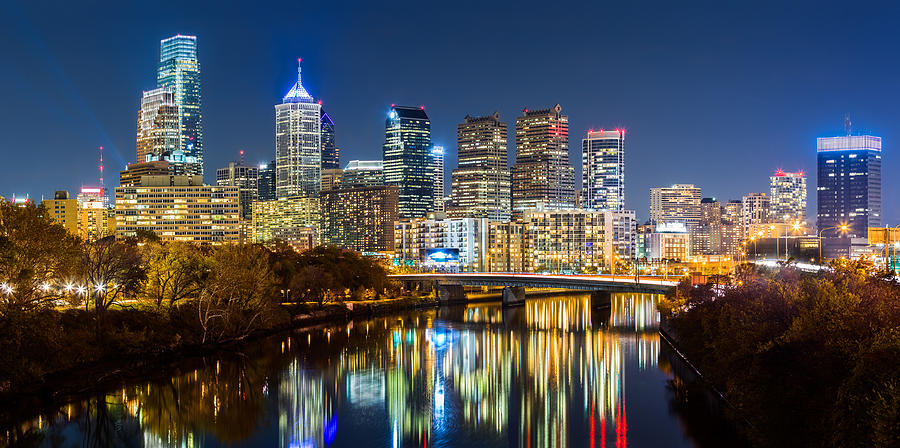
In the quiet hours between dusk and dawn, cities transform. The familiar streets become something else entirely—neon-lit corridors of dreams, fears, and possibilities. Artists have long been drawn to these nocturnal scenes, not just for their visual appeal, but for what they reveal about the human condition in the modern age.
Think about it. When we walk through a city at night, we’re seeing a different world than during the day. The same buildings look different under streetlights. People behave differently. The energy shifts completely. This isn’t just about light and shadow anymore. It’s about how we see ourselves when the world is quieter, when the noise of daily life fades. Artists have been capturing this transformation for decades, using nighttime urban landscapes as windows into society’s deeper truths.
The Evolution of Nighttime Urban Art
Nighttime urban art didn’t start with digital photography or LED installations. It began with painters like Edward Hopper, whose lonely diner scenes captured the solitude of urban life. Hopper understood something fundamental: cities at night are more honest than their daytime counterparts. They strip away the facades of social interaction and show us what’s really happening beneath the surface. His painting ‘Nighthawks’ became iconic because it spoke to something universal about loneliness and connection in modern life. Fast forward to the 1960s and 70s, when photographers like Bruce Davidson began documenting the gritty realities of New York City after dark. These weren’t romanticized views—they were unflinching looks at how people actually lived in the shadows of urban grandeur. The camera lens became a way to expose what daylight usually hides. Today, artists use everything from drones to augmented reality to capture these urban nocturnes. But the core idea remains the same: nighttime reveals truths that daytime simply cannot.
Light as a Cultural Language
What makes nighttime urban art so powerful is how it uses light as a form of communication. Street lamps aren’t just functional—they’re symbols. Neon signs tell stories about commerce, ambition, and desire. The glow of a 24-hour diner speaks to late-night workers and those who live outside normal schedules. Artists like David Hockney have explored this relationship between artificial light and human behavior. His California paintings show how light changes everything—how it makes ordinary spaces feel magical, how it creates intimacy in otherwise impersonal environments. In contemporary works, artists often play with the contrast between natural and artificial light. They might show a building lit by moonlight next to one bathed in the harsh glow of fluorescent signs. This juxtaposition creates tension that mirrors the contradictions in urban life. Consider how many modern artists use LED strips and programmable lighting in their installations. These aren’t just technical demonstrations—they’re statements about how technology shapes our experience of space and time. Light becomes a metaphor for information overload, constant connectivity, and the way we construct our own reality through screens and signals.
Social Commentary Through Urban Shadows
Every city has its own nighttime story, and artists are skilled at reading these narratives. The contrast between affluent neighborhoods and areas struggling with poverty becomes starkly visible after dark. Wealthy districts might glow with pristine lighting while struggling communities remain in shadow. This visual inequality speaks volumes about social structures that persist even when the sun goes down. Street art has particularly thrived in nighttime urban settings. Graffiti writers and muralists often work under cover of darkness, creating works that are both rebellious and deeply connected to place. Their art becomes part of the city’s DNA, telling stories that official monuments never could. The anonymity of night allows for a kind of freedom that daytime public art rarely achieves. Artists like Banksy have mastered this approach, creating politically charged works that appear suddenly in urban landscapes. These pieces often critique power structures, consumer culture, and social injustice. They exist in the space between legality and rebellion, much like the urban experience itself. Contemporary artists also explore themes around gentrification, displacement, and the changing nature of community. They document how the physical landscape transforms, sometimes literally overnight, and how these changes affect people’s lives.
The Psychology of Urban Nightlife
Why do we find nighttime urban scenes so compelling? There’s something primal about darkness that makes us more introspective. Cities at night activate different parts of our brains. We’re more likely to notice details, to feel emotions more intensely, and to connect with our surroundings on a deeper level. Artists tap into this psychological shift. They know that when we’re out after dark, we’re not just walking through space—we’re experiencing a different version of ourselves. The rhythm of nightlife creates its own kind of poetry. The way people move differently, the conversations that happen in dimly lit corners, the sense of possibility that comes with being off the usual schedule. Many contemporary artists create immersive experiences that let viewers feel this psychological shift. Installations might simulate the feeling of walking through a city at 2am, complete with soundscapes and ambient lighting. Some artists focus specifically on the psychology of isolation versus community. They might create works that show how the same space can feel both empty and full, depending on who’s there and what they’re doing. The emotional resonance of these artworks often depends on the viewer’s own experiences with urban nightlife.
Technology’s Role in Nighttime Art
Modern technology has revolutionized how artists approach nighttime urban landscapes. Drones now capture aerial perspectives that were impossible before, showing entire cities as vast networks of lights and shadows. Motion sensors and interactive elements allow viewers to become part of the artwork itself. Some artists use GPS tracking to create site-specific pieces that change based on where someone is standing in relation to the installation. The internet has also changed how these artworks reach audiences. Social media platforms showcase nighttime urban art to millions of people worldwide, creating global conversations about what cities look like after dark. Digital projections have made temporary installations possible, allowing artists to transform buildings and public spaces for brief moments. These technologies don’t replace traditional approaches—they enhance them, creating new ways to explore the relationship between urban space and human experience. Some artists combine old and new methods, using film cameras alongside digital tools to create hybrid works that speak to both historical and contemporary urban experiences. The result is often a richer, more layered commentary on how we inhabit our cities.
Cultural Identity and Urban Nightscapes
Different cities have different nighttime personalities, and artists often use these distinctions to explore cultural identity. Tokyo’s neon-lit streets reflect a culture of constant activity and technological integration. Parisian nights might emphasize romance and tradition, while Los Angeles could highlight sprawl and car culture. Artists working in these contexts understand that the way a city looks at night tells us something essential about its character. They’re not just documenting what’s there—they’re interpreting what it means to live in that particular urban environment. This cultural specificity extends beyond national borders. Even within the same country, different cities develop their own nocturnal identities. Berlin’s post-war urban landscape creates very different feelings than New York’s continuous buzz. Artists often work to preserve these unique nighttime cultures, especially as globalization threatens to homogenize urban experiences. They might document disappearing neighborhoods, protest against development that changes the character of a district, or celebrate traditions that continue after dark. The preservation of these cultural expressions through art becomes a form of resistance against erasure.
Nighttime urban landscapes offer more than pretty pictures or interesting compositions. They’re windows into the soul of modern life. Every streetlight, every shadow, every moment of quiet activity tells a story about how we navigate the complexities of living together in large groups. Artists who work with these themes remind us that cities are not just buildings and roads—they’re living entities with personalities, histories, and ongoing conversations. Whether through paint, photography, or digital media, these works capture something essential about what it means to be human in urban environments. As cities continue to grow and change, these artistic explorations will remain vital. They help us understand not just where we’ve been, but where we might be going. The night may be dark, but the stories it tells are illuminated by the creativity and insight of those brave enough to look closely at what happens when the world turns off the bright lights and lets us see ourselves more clearly.
[sps_html tag=”img” src=”https://cdn.theartssection.com/wp-content/uploads/2025/11/philadelphia-nighttime-photograph-by-bill-cannon-fine-art-america-pertaining-to-philadelphia-skyline-at-night-canvas-print40x30.jpg” alt=”Philadelphia Nighttime Photograph By Bill Cannon - Fine Art America pertaining to "Philadelphia Skyline At Night" Canvas Print40"X30"” style=”width: 100%; height: auto;”]
[sps_html tag=”img” src=”https://cdn.theartssection.com/wp-content/uploads/2025/11/nighttime-in-philadelphia-begins-skyline-new-york-skyline-empire-with-regard-to-understanding-the-artistic-elements-of-philadelphias-nighttime-cityscape.jpg” alt=”Nighttime In Philadelphia Begins. | Skyline, New York Skyline, Empire … with regard to Understanding the Artistic Elements of Philadelphia's Nighttime Cityscape” style=”width: 100%; height: auto;”]
[sps_html tag=”img” src=”https://cdn.theartssection.com/wp-content/uploads/2025/11/philadelphia-cityscape-panorama-by-night-photograph-by-mihai-andritoiu-regarding-understanding-the-artistic-elements-of-philadelphias-nighttime-cityscape.jpg” alt=”Philadelphia Cityscape Panorama By Night Photograph By Mihai Andritoiu … regarding Understanding the Artistic Elements of Philadelphia's Nighttime Cityscape” style=”width: 100%; height: auto;”]
[sps_html tag=”img” src=”https://cdn.theartssection.com/wp-content/uploads/2025/11/philadelphia-skyline-at-night-photograph-by-cityscape-photography-pixels-regarding-philadelphia-skyline-at-night-canvas-print40x30.jpg” alt=”Philadelphia Skyline At Night Photograph By Cityscape Photography - Pixels regarding "Philadelphia Skyline At Night" Canvas Print40"X30"” style=”width: 100%; height: auto;”]
[sps_html tag=”img” src=”https://cdn.theartssection.com/wp-content/uploads/2025/11/canvas-print-philadelphia-skyline-wall-art-cityscape-decor-red-white-pertaining-to-philadelphia-skyline-at-night-canvas-print40x30.jpg” alt=”Canvas Print, Philadelphia Skyline Wall Art, Cityscape Decor, Red White … pertaining to "Philadelphia Skyline At Night" Canvas Print40"X30"” style=”width: 100%; height: auto;”]