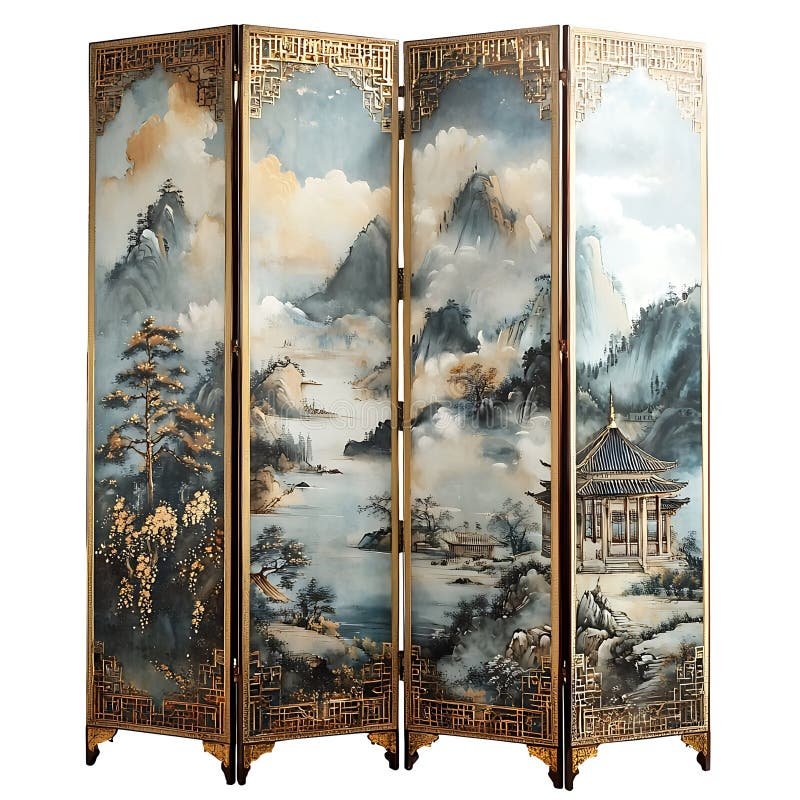
Think about the last time you walked into a room and instantly felt calmer or more energized. That feeling isn’t just luck—it’s your mind responding to visual cues that have been carefully designed to influence how you feel. When it comes to our living spaces, nothing seems to work quite like nature-inspired wall art. But why does it matter so much? What’s really happening when we hang a landscape painting or a botanical print above our couch?
We spend a huge chunk of our lives in our homes, especially in the living room—a space that often serves as our sanctuary, social hub, and personal retreat all rolled into one. It’s where we relax after long days, where we gather with family and friends, and where we recharge our mental batteries. So naturally, we want that space to make us feel good. But what exactly makes some wall art more effective than others? The answer lies in psychology, in the way our brains process beauty, in how we connect emotionally with the world around us. Nature-inspired art isn’t just decoration—it’s a powerful tool for shaping our emotional experience of home.
The Science of Visual Connection
Our brains are wired to respond to certain types of images in very specific ways. When we look at nature scenes, whether they’re realistic landscapes or abstract representations, something happens inside our minds that’s both automatic and deeply comforting. This reaction isn’t just aesthetic—it’s biological. Scientists have found that viewing natural imagery activates areas of our brain associated with relaxation and positive emotions. Think about it: when was the last time you saw a beautiful forest scene and immediately felt less stressed? That’s not coincidence.
Nature scenes trigger what researchers call ‘soft fascination’—a gentle, effortless attention that allows our minds to rest. Unlike busy urban scenes that demand our focus, natural elements like trees, water, and sky invite us to look and linger. This type of visual engagement is incredibly soothing and helps reduce stress levels. In fact, studies show that even brief exposure to nature imagery can lower cortisol levels, the hormone associated with stress. The calming effect works on both conscious and unconscious levels, which means that even if you don’t actively think about it, your body responds.
How Colors Influence Mood and Atmosphere
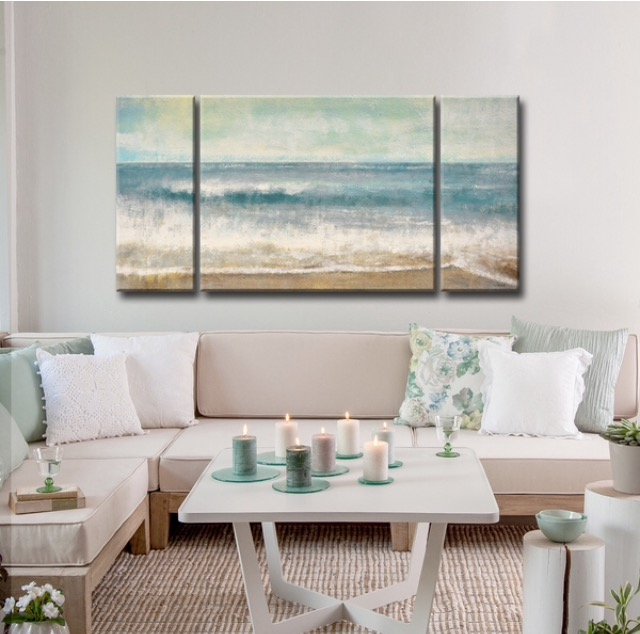
Colors play a major role in how we interpret and react to art. Nature-inspired wall art often uses earth tones, greens, blues, and warm browns—all colors that naturally occur in the outdoors and have been shown to affect our psychological state. Green, for instance, is associated with growth, renewal, and tranquility. It’s no surprise that many people find green artwork particularly calming. Blue, meanwhile, is linked to peace and stability. You might notice that a blue seascape or mountain view instantly makes a room feel more spacious and serene.
But it’s not just about individual colors. The way these hues interact within a composition matters too. A painting with a dominant green palette and subtle touches of warm orange can create a sense of balance and harmony. This kind of color harmony is pleasing to our eyes and, consequently, to our minds. When we see artwork that feels balanced and cohesive, our brains interpret this as positive and stable, which can contribute to feelings of well-being. For example, a landscape with soft greens and gentle blues might make you feel more grounded and peaceful, while a vibrant sunset scene could energize your space and lift your spirits.
Size, Scale, and Spatial Perception
What size is your nature art? That question might seem simple, but it has a surprisingly big impact on how your living room feels. Large-scale artwork can make a small room feel more dramatic and cozy, while smaller pieces might create a more intimate and personal atmosphere. But beyond aesthetics, the scale of art influences how we perceive space itself.
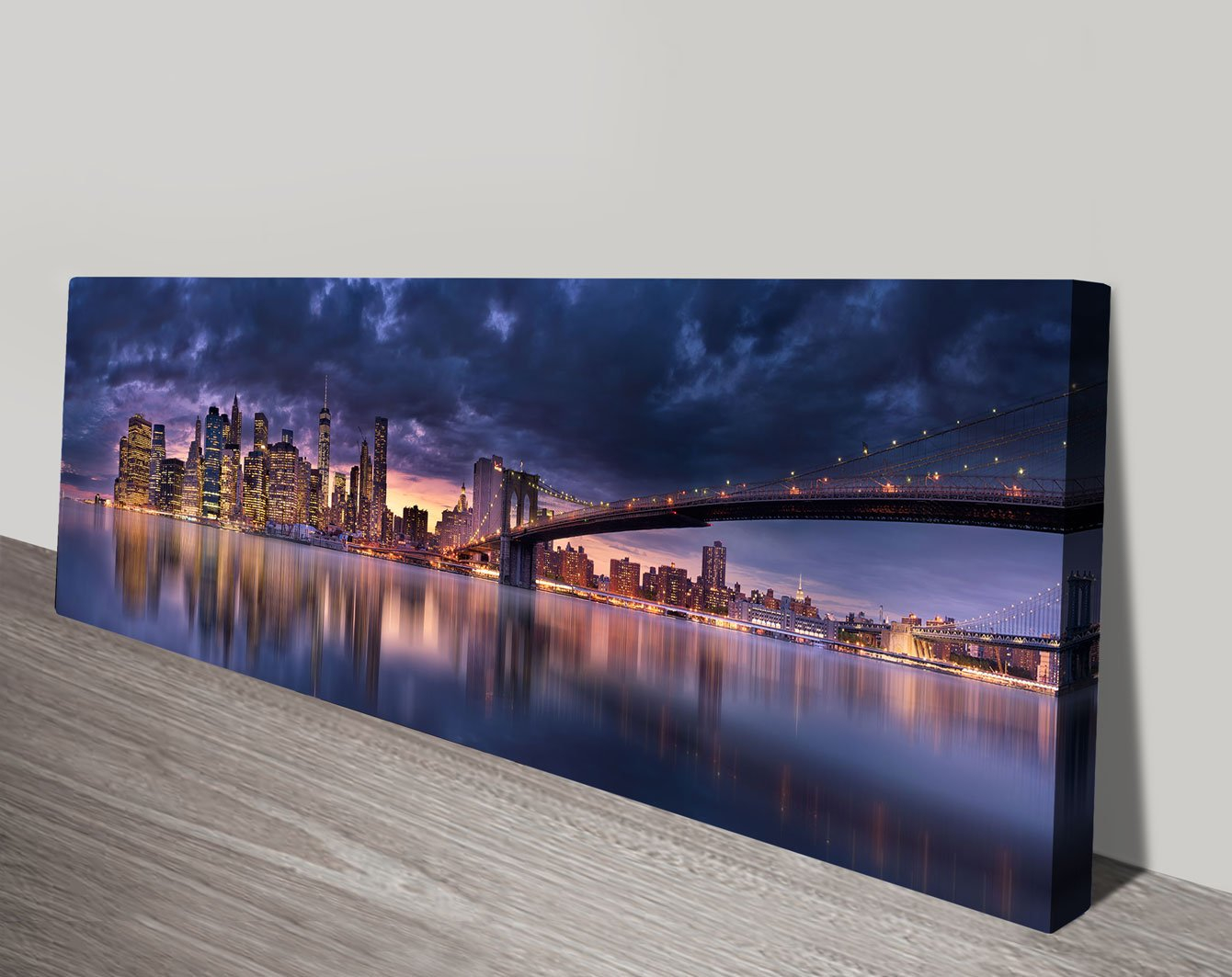
When you hang a large nature scene, such as a panoramic mountain view, it can make your walls appear to recede, creating a sense of depth and openness. This illusion tricks your brain into thinking the room is larger than it actually is. On the other hand, smaller pieces can draw attention inward, making a space feel cozier and more intimate. This is especially true when you’re dealing with a cluttered or busy room—the right-sized nature art can act as a visual anchor, giving your eye something to focus on and helping to organize the space mentally.
Consider this: if you’re looking to create a calming environment, maybe go with a slightly oversized piece of a peaceful forest or lake scene. If you’re trying to create a quiet, contemplative area, perhaps a smaller botanical print will do the trick. The size isn’t just about fitting into your frame—it’s about creating the right kind of psychological response.
Personal Meaning and Memory Triggering
One of the most powerful aspects of nature-inspired wall art is its ability to tap into personal memories and experiences. Whether it’s a painting of a childhood beach or a photo of a mountain hike you took years ago, art that holds personal significance creates a deeper emotional connection. This connection matters because it transforms a simple decorative element into something more meaningful.
When we see something that reminds us of a happy memory, our brains release dopamine, a neurotransmitter associated with pleasure and reward. That’s why a family vacation photo or a landscape from a place you love can instantly brighten your day. These images become emotional anchors, grounding us in positive experiences even when we’re not physically present in those places.
It’s also worth noting that the personal meaning behind art can vary wildly from person to person. What speaks to one individual might not resonate with another, which is why choosing the right piece is so important. For some, a simple watercolor of a garden might evoke memories of time spent with grandparents. For others, a black-and-white photograph of a forest trail might remind them of their first solo camping trip. The key is finding something that genuinely speaks to your story and emotions.
Cultural and Universal Symbols in Nature Art
Beyond personal connections, nature art often carries cultural and universal meanings that transcend individual experiences. Certain symbols within nature imagery carry deep significance across different cultures and time periods. For example, trees often represent growth, strength, and life cycles. Water frequently symbolizes cleansing, renewal, and emotional depth. Mountains can signify challenges overcome or spiritual aspirations.
These universal themes are powerful because they tap into shared human experiences and values. When you choose a piece of art that includes these symbols, you’re not just decorating—you’re communicating something deeper about your values and beliefs. A mountain landscape might suggest resilience or ambition, while a flowing river could imply change or fluidity in life.
This symbolic layer adds richness to your living space. It invites conversation and reflection, turning your wall art into more than just a visual element. It becomes a focal point for storytelling, a way to express your identity and outlook. Imagine walking into a room and seeing a painting of a blooming cherry tree—what does that say about the person who chose it? It might speak to themes of beauty, impermanence, or new beginnings. These kinds of messages are quietly communicated through the art we choose to surround ourselves with.
Practical Tips for Selecting the Right Piece
So now that you understand how psychology plays a role in choosing nature-inspired wall art, let’s talk about putting that knowledge into practice. Here are some helpful strategies:
• Match the mood you want: If you’re aiming for calmness, consider soft pastels and gentle landscapes. For energy and vibrancy, bold colors and dynamic scenes work better.
• Consider your room’s lighting: Natural light changes throughout the day, so test how your chosen piece looks in different conditions. Some colors appear differently under sunlight versus artificial light.
• Think about your lifestyle: If you have young children, avoid fragile prints or delicate frames. Choose durable materials that can withstand daily wear.
• Balance your space: Don’t overcrowd your wall. Leave enough breathing room between pieces and ensure the overall composition feels harmonious.
• Test before hanging: Place a copy of the artwork on your wall to see how it looks from different angles and distances.
Remember, there’s no single ‘right’ choice. The best nature-inspired art for your living room is the one that makes you feel most comfortable and connected to the space. It’s about creating an environment that supports your emotional well-being and reflects your personality.
The Long-Term Impact on Mental Health
The benefits of nature-inspired wall art extend far beyond immediate visual satisfaction. Over time, consistently surrounding yourself with natural imagery can have a measurable impact on your mental health and overall well-being. Research shows that people who regularly view nature scenes report lower levels of anxiety and depression. They also tend to experience improved focus and cognitive function.
This is especially important in today’s world, where we’re constantly bombarded by digital screens and urban stimuli. Nature art offers a counterbalance, providing a mental reset button. It gives our minds a chance to decompress and reconnect with something timeless and peaceful.
Imagine coming home after a tough day and being greeted by a serene forest scene or a peaceful ocean view. That visual cue alone can shift your entire mindset from stressed to relaxed. It’s like having a mini therapy session every time you walk into the room. The cumulative effect of this daily exposure to calming imagery can lead to lasting improvements in mood regulation and emotional stability.
Plus, when you’re surrounded by things that bring you joy and comfort, you’re more likely to spend time in that space. That means more opportunities for relaxation, creativity, and connection with loved ones. It’s a positive cycle that enhances not just your immediate emotional state but your quality of life over time.
Avoiding Common Mistakes in Art Selection
Choosing the right nature art isn’t always straightforward, and there are plenty of pitfalls to avoid. One common mistake is selecting artwork that’s too overwhelming or visually chaotic. While bold and dramatic pieces can work in certain contexts, they may not be ideal for a living room meant for relaxation. Too much visual stimulation can actually increase stress rather than decrease it.
Another frequent error is ignoring the existing elements of your room. Before buying anything, consider the colors, textures, and furniture already in the space. The last thing you want is a piece that clashes with your current setup. Instead, aim for harmony—whether that means matching the tones or creating a complementary contrast.
Don’t forget about maintenance either. Some nature art requires special care, especially if it’s a delicate print or canvas. Make sure you’re prepared to maintain it properly to keep it looking its best. Also, be mindful of placement. Art hung too high or too low can be difficult to appreciate fully, so consider the average eye level when deciding where to hang it.
Finally, resist the urge to buy based solely on trends or price. While budget considerations are important, the emotional connection you feel to a piece matters more than any label or sticker. Take your time, trust your instincts, and choose something that truly resonates with you.
Finding the Perfect Balance Between Decor and Identity
Ultimately, the goal isn’t just to decorate your living room—it’s to create a space that truly reflects who you are. Nature-inspired wall art allows you to express your values and preferences while also enhancing the physical environment. It’s a bridge between the outside world and your inner life.
Think about what aspects of nature speak to you most. Is it the serenity of a mountain lake? The energy of a flowing river? The quiet beauty of a forest path? Whatever it is, that connection should guide your selection. The right piece will make you feel more like yourself when you’re in the room, not like you’re simply following a trend.
Sometimes the most powerful choices are the simplest ones. A single, well-chosen nature print can transform a space from ordinary to extraordinary. It might be a small botanical illustration that brings joy each morning or a large landscape that makes your entire room feel more expansive. Either way, it’s about finding what makes you feel most at home.
Your living room should be more than just furniture and décor—it should be a representation of your soul. Nature art provides a perfect medium for expressing that truth. When you choose thoughtfully, you’re not just decorating; you’re creating a sanctuary that supports your mental and emotional needs.
Choosing nature-inspired wall art for your living room goes far beyond aesthetics. It’s about understanding how visual elements shape our emotional responses, how colors and compositions influence our moods, and how personal connections enhance our daily experiences. By considering the science behind these choices, you can create a space that not only looks beautiful but also supports your well-being.
Whether you’re drawn to the calming presence of a forest scene, the vibrant energy of a desert sunset, or the delicate elegance of a botanical drawing, the key is to select pieces that resonate with your inner world. These aren’t just objects on a wall—they’re emotional companions that help shape your environment and, ultimately, your happiness.
Remember, the most meaningful art is the kind that makes you feel something. So take your time, trust your instincts, and choose wisely. Your living room—and your psyche—will thank you for it.
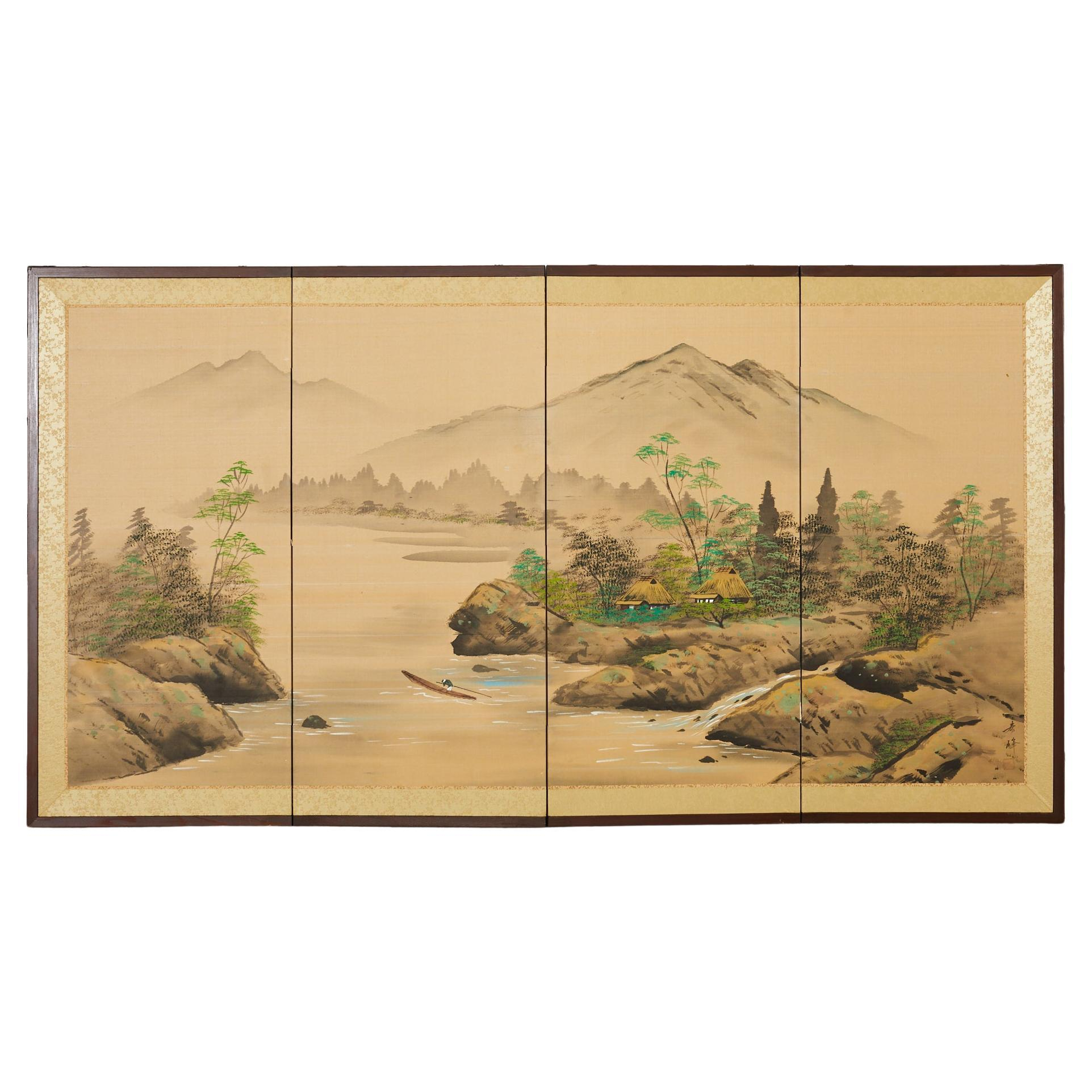
[sps_html tag=”img” src=”https://cdn.theartssection.com/wp-content/uploads/2025/12/antique-fourpanel-room-divider-with-handpainted-asian-landscape-stock-intended-for-green-tree-among-lavender-flowers-landscape-wall-art-print-4-panels.jpg” alt=”Antique Fourpanel Room Divider With Handpainted Asian Landscape Stock … intended for "Green Tree Among Lavender Flowers" Landscape Wall Art Print, 4 Panels” style=”width: 100%; height: auto;”]
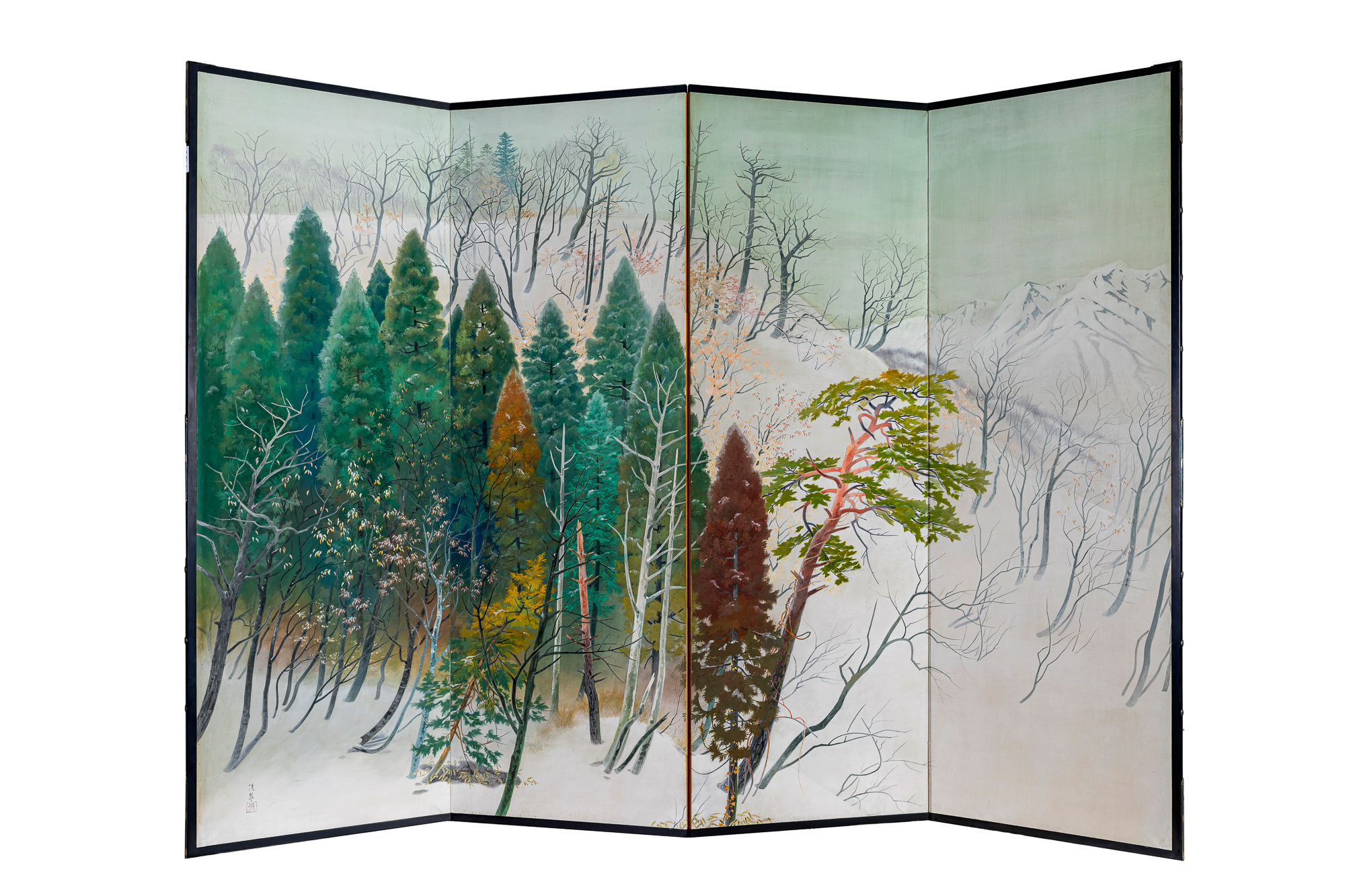
[sps_html tag=”img” src=”https://cdn.theartssection.com/wp-content/uploads/2025/12/japanese-four-panel-screen-snowy-mountain-landscape-naga-antiques-inside-beyond-the-frame-the-cultural-significance-and-aesthetic-value-of-four-panel-landscape-art.jpg” alt=”Japanese Four Panel Screen: Snowy Mountain Landscape - Naga Antiques inside Beyond the Frame: The Cultural Significance and Aesthetic Value of Four-Panel Landscape Art” style=”width: 100%; height: auto;”]
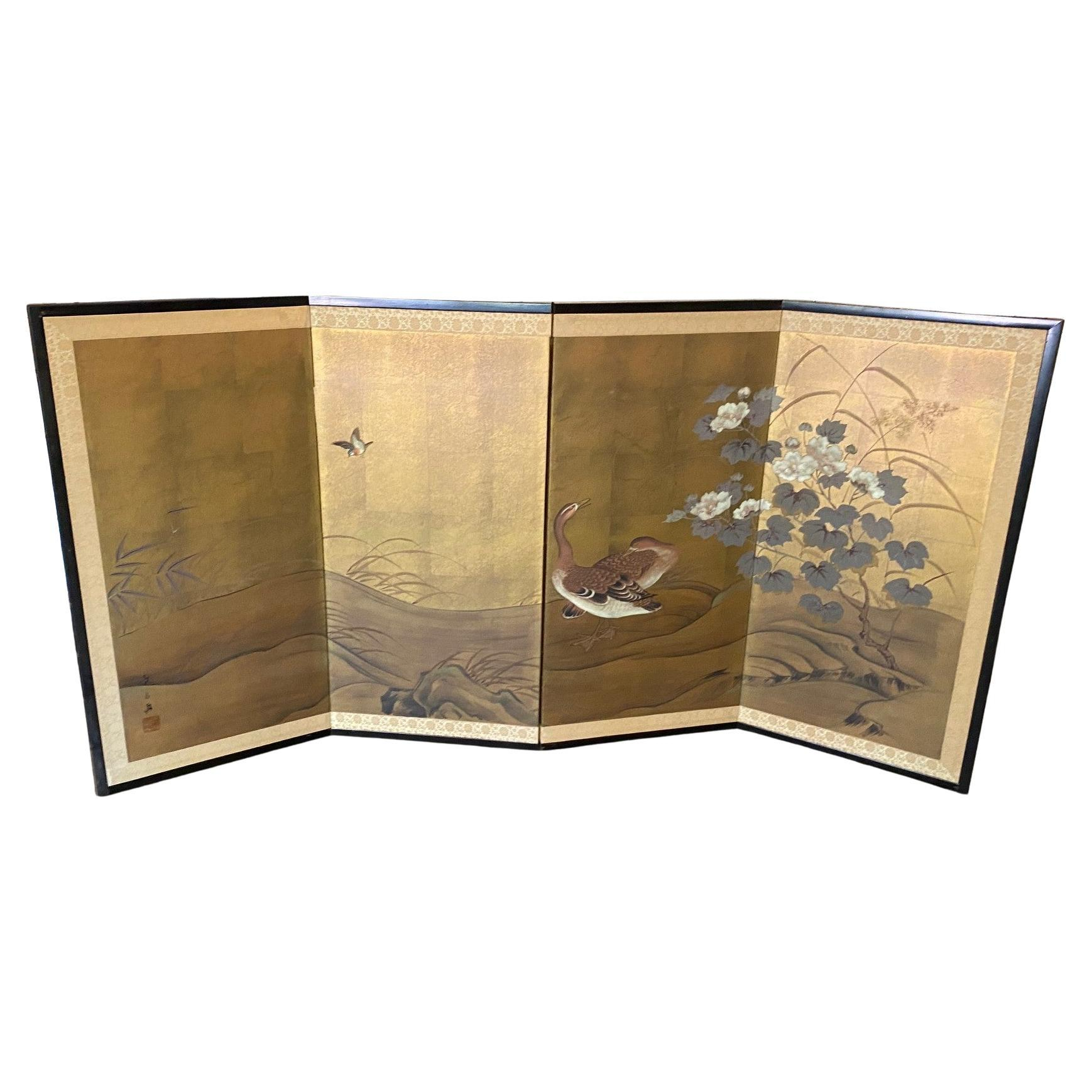
[sps_html tag=”img” src=”https://cdn.theartssection.com/wp-content/uploads/2025/12/japanese-asian-signed-four-panel-folding-byobu-screen-landscape-flowers-for-beyond-the-frame-the-cultural-significance-and-aesthetic-value-of-four-panel-landscape-art.jpg” alt=”Japanese Asian Signed Four Panel Folding Byobu Screen Landscape Flowers … for Beyond the Frame: The Cultural Significance and Aesthetic Value of Four-Panel Landscape Art” style=”width: 100%; height: auto;”]
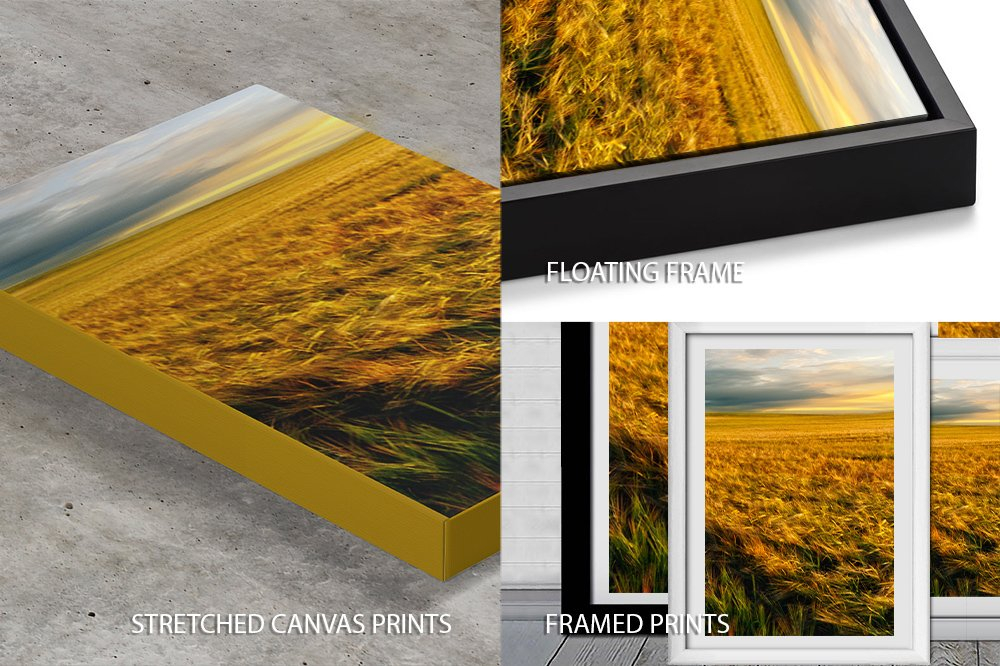
[sps_html tag=”img” src=”https://cdn.theartssection.com/wp-content/uploads/2025/12/buy-the-wheat-path-4-panel-landscape-art-canvas-prints-perth-with-regard-to-green-tree-among-lavender-flowers-landscape-wall-art-print-4-panels.jpg” alt=”Buy The Wheat Path 4-Panel Landscape Art | Canvas Prints Perth with regard to "Green Tree Among Lavender Flowers" Landscape Wall Art Print, 4 Panels” style=”width: 100%; height: auto;”]
[sps_html tag=”img” src=”https://cdn.theartssection.com/wp-content/uploads/2025/12/japanese-showa-four-panel-screen-mount-fuji-landscape-for-sale-at-1stdibs-within-green-tree-among-lavender-flowers-landscape-wall-art-print-4-panels.jpg” alt=”Japanese Showa Four Panel Screen Mount Fuji Landscape For Sale At 1Stdibs within "Green Tree Among Lavender Flowers" Landscape Wall Art Print, 4 Panels” style=”width: 100%; height: auto;”]