Think about the last time you walked into a room and felt something shift in your perspective. Maybe it was the way light hit a wall, or how colors seemed to dance together. That’s the magic of art – it changes how we see the world around us. When you look at a two-panel abstract canvas installation, you’re experiencing something much more than just paint on wood. You’re witnessing a conversation between colors, shapes, and emotions that speaks directly to your soul.
In the world of contemporary art, few installations pack as much punch as the humble two-panel abstract canvas. These seemingly simple works of art have the remarkable ability to transform ordinary spaces into extraordinary experiences. Whether hanging in a corporate lobby, a gallery space, or even someone’s living room, these installations create an immediate visual impact that draws people in and holds their attention. What makes them so powerful? It’s not just about the individual panels – it’s about the relationship between them, the tension they create, and the story they tell together. The beauty lies in their simplicity and complexity all at once.
Understanding the Foundation of Two-Panel Installations
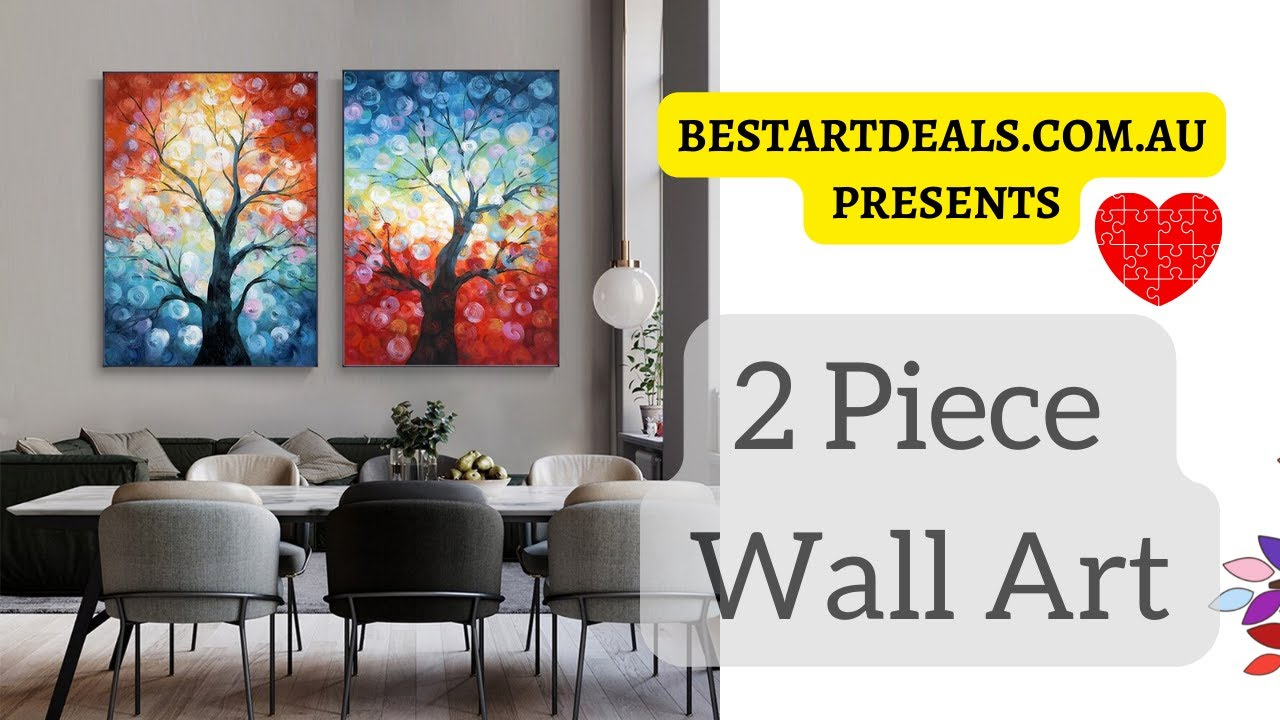
Before diving into the creative process, it’s important to understand what makes these installations work. A two-panel abstract canvas isn’t just about having two canvases side by side. It’s about creating a dialogue between elements that might seem unrelated at first glance. Think of it like a conversation where each panel contributes a different part of the story. One panel might establish a mood, while the other introduces a counterpoint. The viewer becomes the interpreter, connecting the dots between what they see. This creates a deeper engagement because people want to understand why the artist chose to present these elements together. The panels don’t need to be identical, but they must complement each other in some way. They might share color palettes, geometric relationships, or conceptual themes that create harmony despite their differences.
Color Psychology in Abstract Canvas Pairings
Colors have the power to influence emotions, moods, and even physical responses. In two-panel installations, color choices become strategic decisions that amplify the overall impact. Consider using complementary colors – those opposite each other on the color wheel like blue and orange or red and green. This creates natural tension that draws the eye back and forth between panels. Warm colors like reds and yellows tend to advance, making panels feel closer to the viewer, while cool blues and greens recede. When you place one warm panel next to one cool panel, you create spatial depth that adds dimensionality to the installation. Sometimes artists choose analogous colors – those next to each other on the wheel – for a more harmonious effect. The key is understanding how colors interact when placed side by side rather than in isolation. For example, a bright red panel beside a deep blue panel will create an electric contrast that demands attention, while two soft pastels might create a gentle, contemplative atmosphere.
The Role of Shape and Form in Visual Harmony
Abstract art isn’t just about colors – shapes and forms play an equally crucial role in creating impactful installations. When designing two-panel works, consider how geometric shapes can either mirror each other or create interesting contrasts. A triangular form on one panel might be balanced by a circular element on the other, creating visual equilibrium. The size relationship between panels matters too. A large, bold panel can dominate a space, while a smaller, more delicate panel can provide contrast and draw focus. Sometimes, the most striking installations happen when panels differ dramatically in scale. Imagine a sweeping, full-coverage canvas next to a small square panel – the difference creates intrigue and invites closer inspection. The interplay of positive and negative space also affects how viewers perceive the work. Empty space isn’t empty at all – it’s an active participant in the composition, helping to define and emphasize the main elements.
Creating Movement Through Composition
Movement in static art might sound contradictory, but it’s actually one of the most powerful tools in an artist’s arsenal. Two-panel installations excel at creating visual movement that guides the viewer’s eye across the entire piece. This happens through several techniques. Leading lines can be created by brushstrokes, color gradients, or shape placement that naturally draw attention from one panel to another. Repetition of elements helps create rhythm – maybe repeating a certain pattern or color frequency that connects both panels visually. The concept of implied movement works well too, where the viewer’s eye seems to move across the panels even though nothing is literally moving. Consider how the eye travels from one corner to another, or how it moves along a diagonal line that connects both works. Some artists use directional brushstrokes that seem to push the viewer’s gaze from one panel to the other, almost like a visual pathway.
Narrative Construction in Abstract Works
Even though abstract art doesn’t tell literal stories, it can still communicate concepts and emotions that resonate deeply with viewers. In two-panel installations, artists often create narrative threads that unfold across both canvases. One panel might represent the beginning of a journey, while the other represents the destination. Or perhaps one panel explores conflict while the other finds resolution. The key is creating enough visual elements that viewers can interpret the story themselves. This requires careful planning of symbols, colors, and compositional elements. Some artists use recurring motifs – a particular shape, color, or texture that appears in both panels but takes on different meanings. Others might create a visual metaphor that spans both canvases, like a tree that grows from one panel into another, representing growth and continuity. The viewer’s interpretation becomes part of the artwork itself, making each encounter unique and personal.
Practical Tips for Creating Impactful Installations
Putting theory into practice can be challenging, but there are concrete steps that make a huge difference. First, always start with a clear intention – what do you want viewers to feel or think after seeing your work? This foundation guides every decision. Test your panels separately before combining them – sometimes a great idea on paper doesn’t translate well when you see it together. Pay attention to lighting conditions, as they can completely change how colors appear and how shadows fall across the panels. Consider the viewing distance and angle – how will people experience this work from various positions? The physical installation itself matters too. Are the panels perfectly aligned? Is there enough space between them to prevent visual confusion? Some artists use subtle variations in frame styles or materials to create unity while maintaining individual identity. Remember that less can be more – sometimes a simple, focused approach creates more impact than a complex, cluttered composition. Finally, don’t forget to step back and evaluate your work with fresh eyes. Ask yourself if it’s communicating what you intended, and if not, what needs adjustment.
Two-panel abstract canvas installations represent a beautiful intersection of simplicity and complexity, where basic elements combine to create profound visual experiences. The secret to success lies not in overwhelming the viewer with too many details, but in carefully selecting and arranging elements that speak to universal human experiences. Whether you’re an artist looking to create your first installation or someone seeking to better understand this art form, remember that the most powerful works often emerge from thoughtful consideration of how individual parts relate to the whole. These installations remind us that art doesn’t need to be literal to be meaningful. Sometimes the most powerful statements come from what’s left unsaid, what’s suggested rather than explicitly shown. As you explore this fascinating medium, keep in mind that each viewer brings their own interpretation to the work, making every installation a unique conversation between artist, audience, and the space in between.
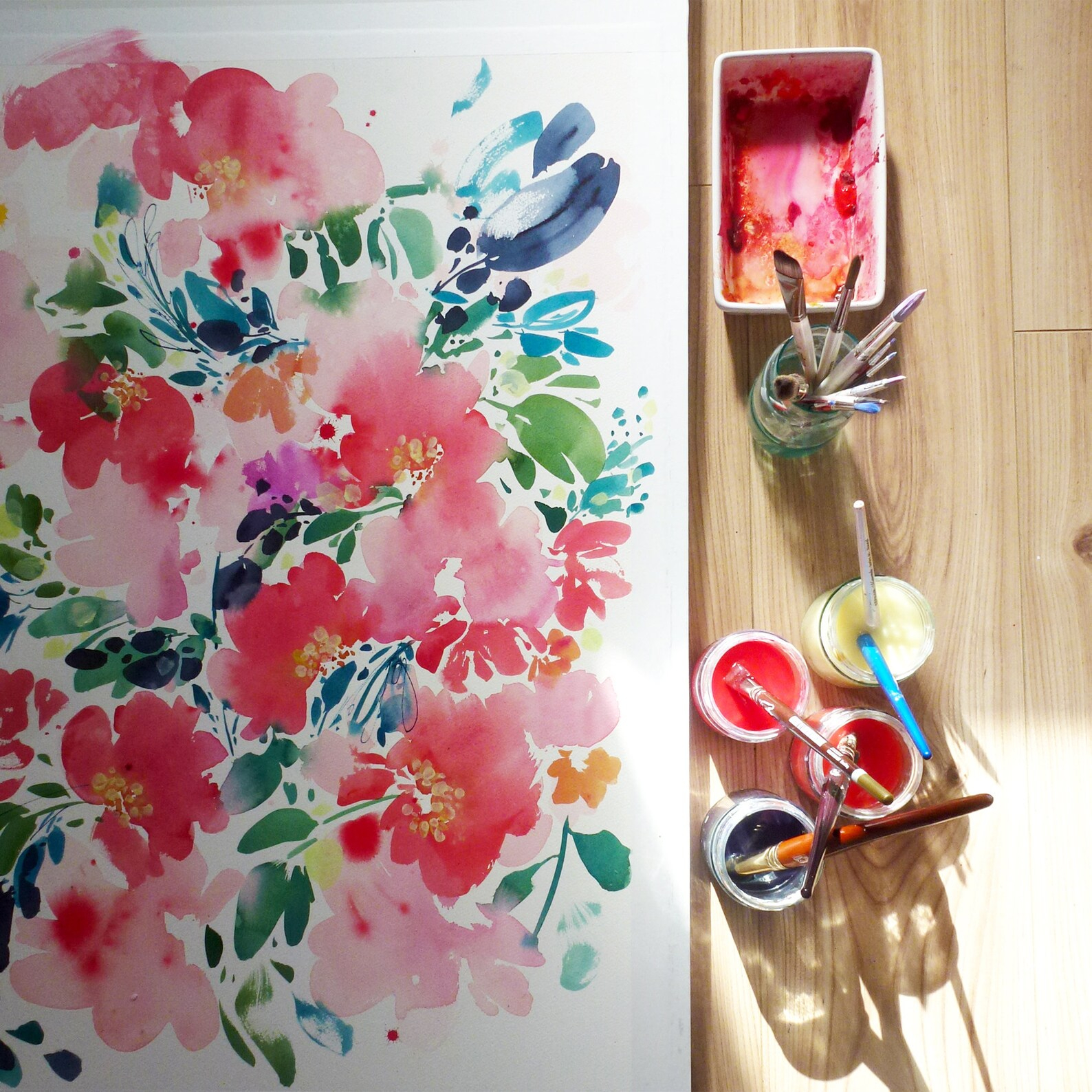
[sps_html tag=”img” src=”https://cdn.theartssection.com/wp-content/uploads/2025/12/2-piece-wall-art-2-piece-canvas-art-2-piece-canvas-painting-youtube-with-regard-to-how-2-piece-canvas-art-transforms-interior-spaces.jpg” alt=”2 Piece Wall Art | 2 Piece Canvas Art | 2 Piece Canvas Painting - Youtube with regard to How 2-Piece Canvas Art Transforms Interior Spaces” style=”width: 100%; height: auto;”]
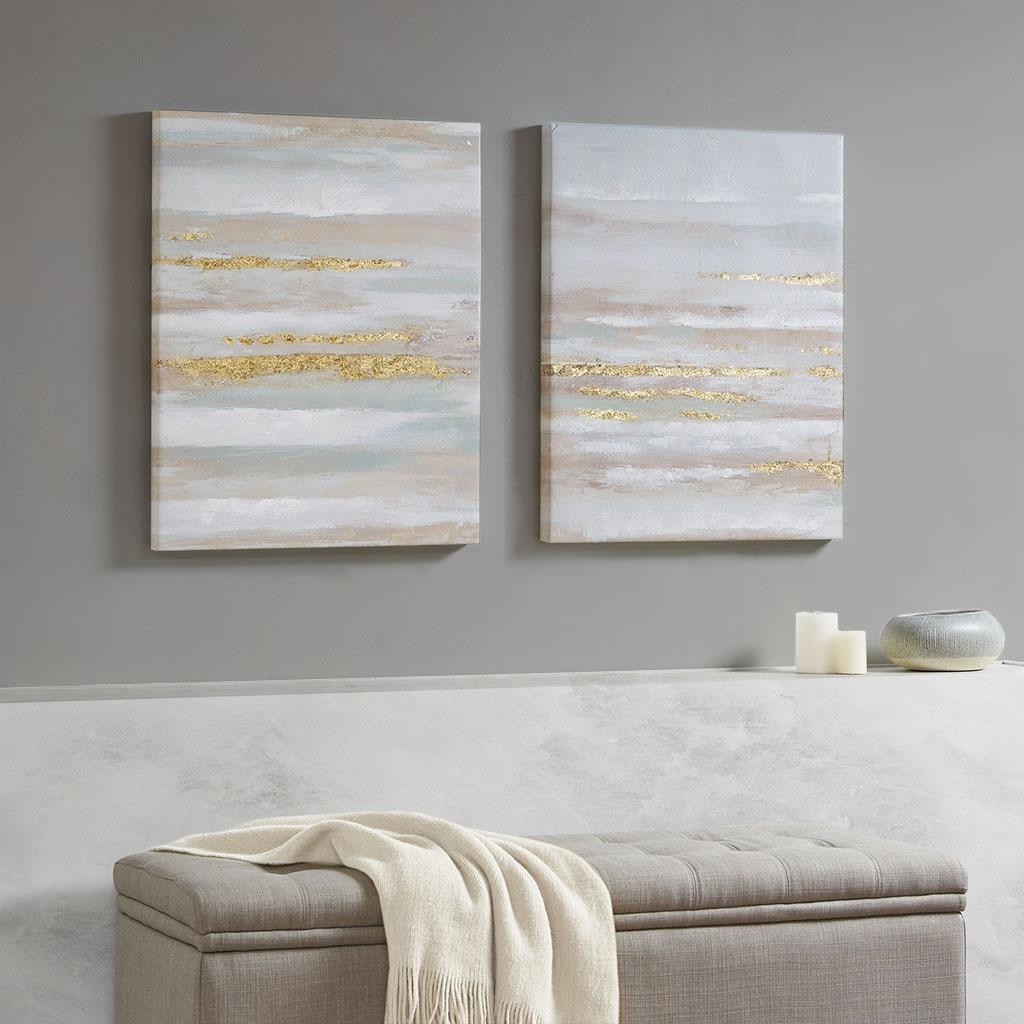
[sps_html tag=”img” src=”https://cdn.theartssection.com/wp-content/uploads/2025/12/seafoam-aurora-2-piece-canvas-art-in-heavy-textured-gold-foil-brown-regarding-how-2-piece-canvas-art-transforms-interior-spaces.jpg” alt=”Seafoam Aurora 2 Piece Canvas Art In Heavy Textured Gold Foil - Brown … regarding How 2-Piece Canvas Art Transforms Interior Spaces” style=”width: 100%; height: auto;”]